Superior Performance Without Environmental Compromise
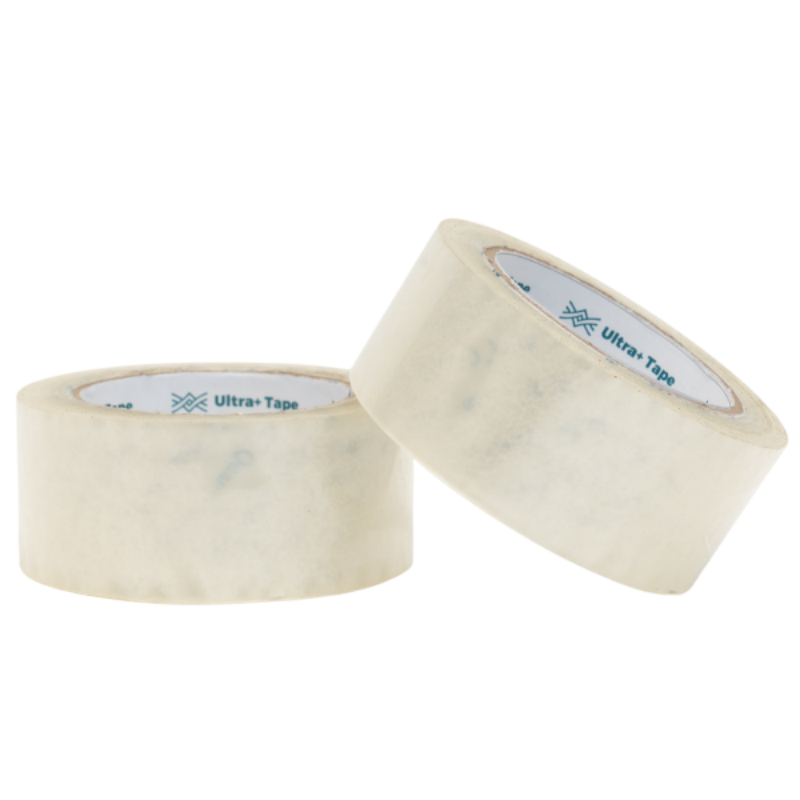
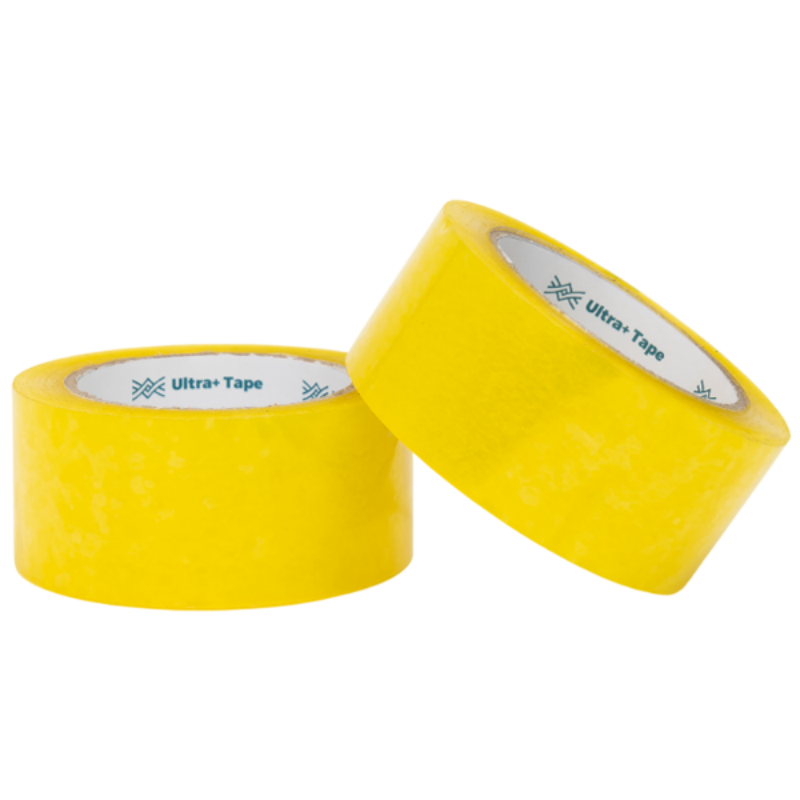
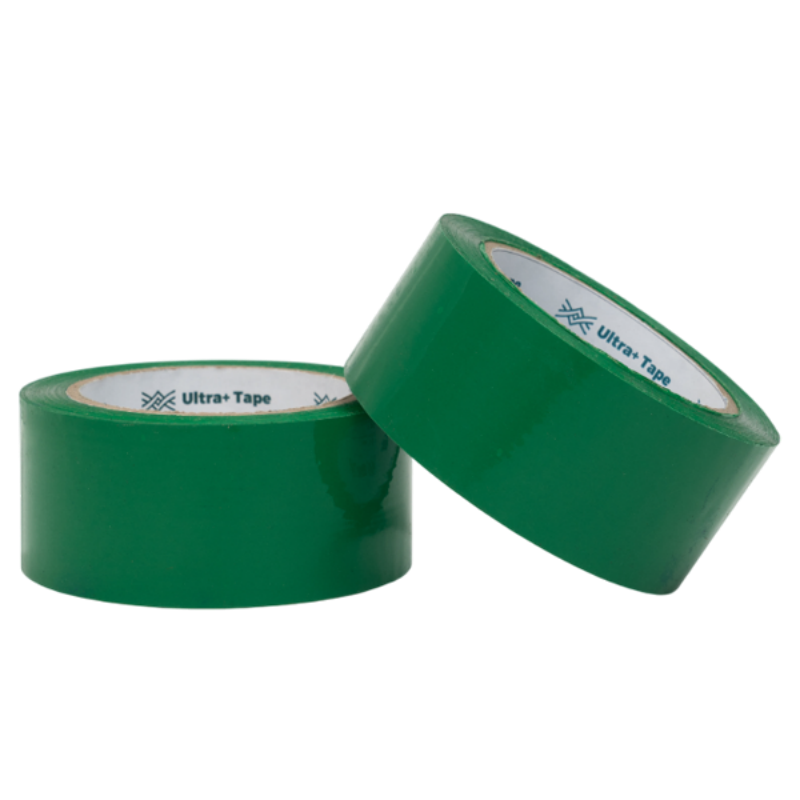
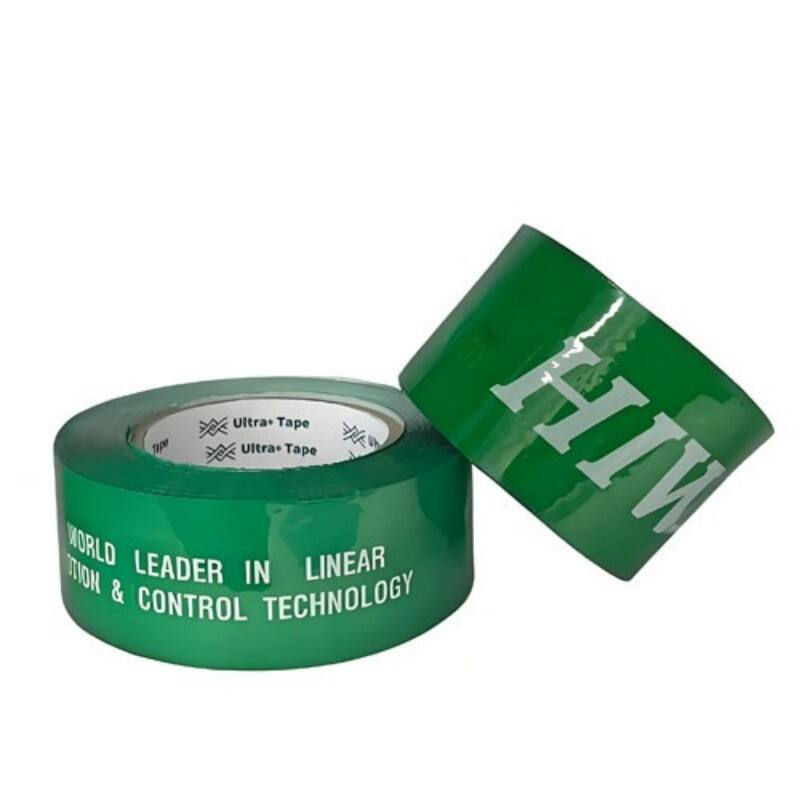
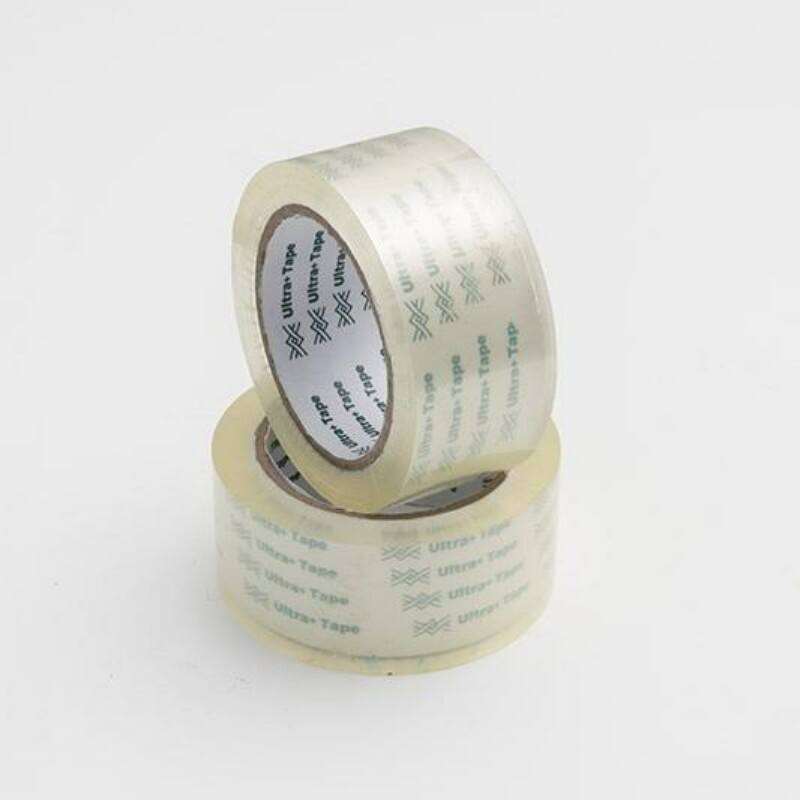
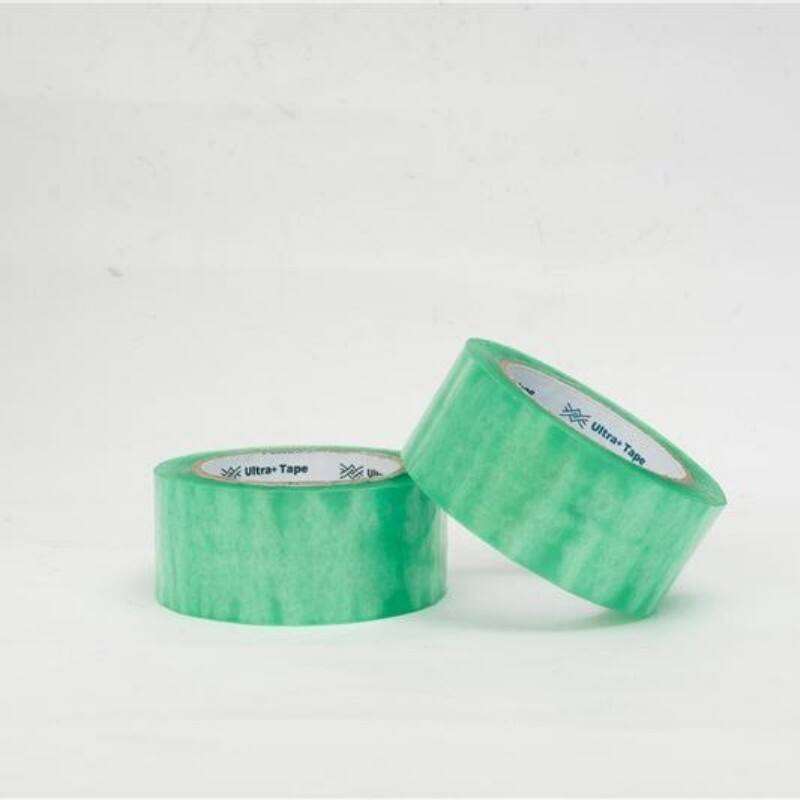
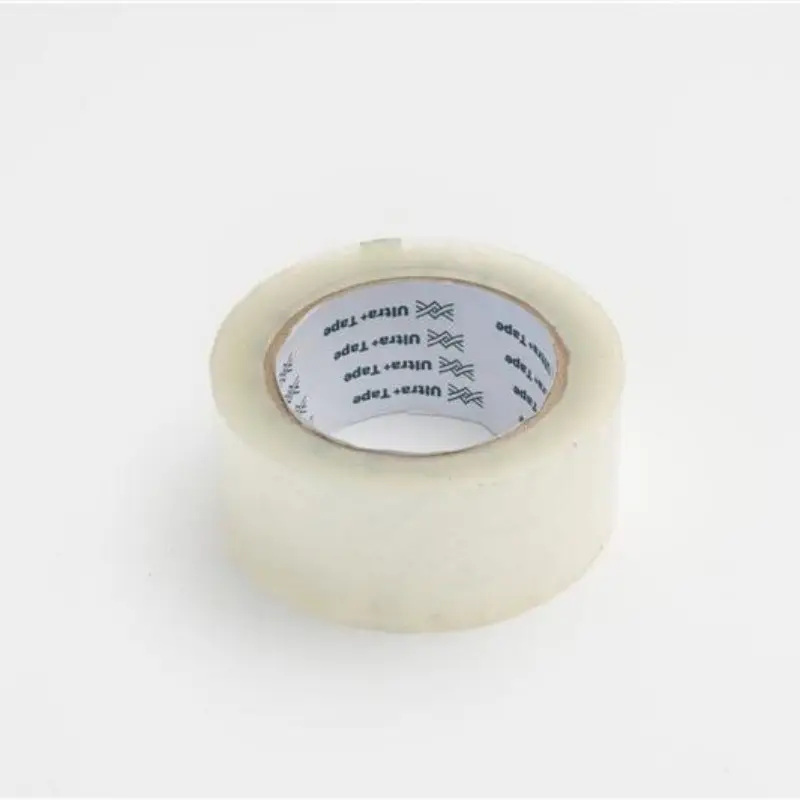
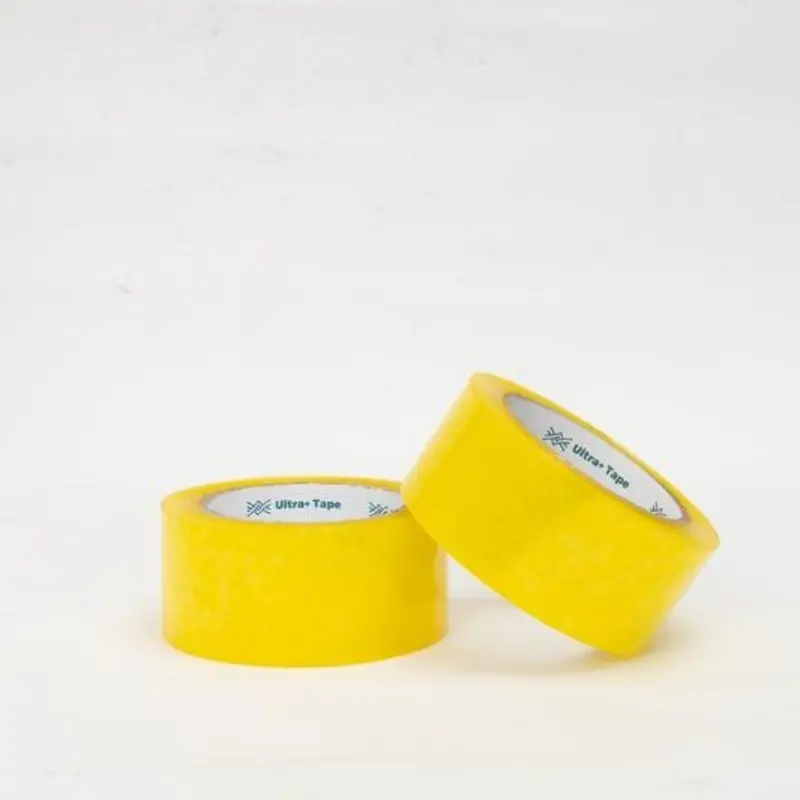
ISCC PLUS certified tape proves that sustainability and performance are not mutually exclusive, delivering the adhesive strength, durability, and reliability that demanding packaging applications require. The tape features a specially engineered adhesive formulation that creates strong bonds with diverse surfaces including corrugated cardboard, plastic films, and coated materials commonly used in modern packaging. This versatility eliminates the need to stock multiple tape types for different applications, simplifying your inventory management and reducing storage costs. The adhesive maintains its grip across a wide temperature range, performing reliably in refrigerated warehouses, heated facilities, and during transport through varying climates. Packages sealed with this tape remain secure whether shipped across town or internationally, protecting contents from tampering and environmental exposure. The tape backing demonstrates excellent tensile strength, resisting tears and punctures that could compromise package integrity. When packages are stacked, shifted, or handled roughly during the shipping process, the tape holds firm, preventing boxes from opening and contents from spilling. This durability reduces product damage rates, minimizing costly returns and replacement shipments that erode profit margins. The tape also unwinds smoothly and consistently from the roll, a critical feature for high-volume packaging operations where efficiency matters. Workers can apply the tape quickly without fighting with twisted or stuck rolls, maintaining productivity throughout their shifts. Automated packaging lines benefit from the tape's consistent thickness and adhesive distribution, which prevents jams and misfeeds that halt production. The tape cuts cleanly without leaving adhesive residue on cutting blades, reducing maintenance requirements for dispensing equipment. These performance characteristics mean you do not have to accept inferior results to achieve your sustainability objectives. Your packages look professional, arrive intact, and protect products just as effectively as conventional tape while supporting your environmental commitments. Customers receive their orders in perfect condition, maintaining satisfaction and reducing the operational headaches associated with damaged shipments.

 EN
EN