
 EN
EN



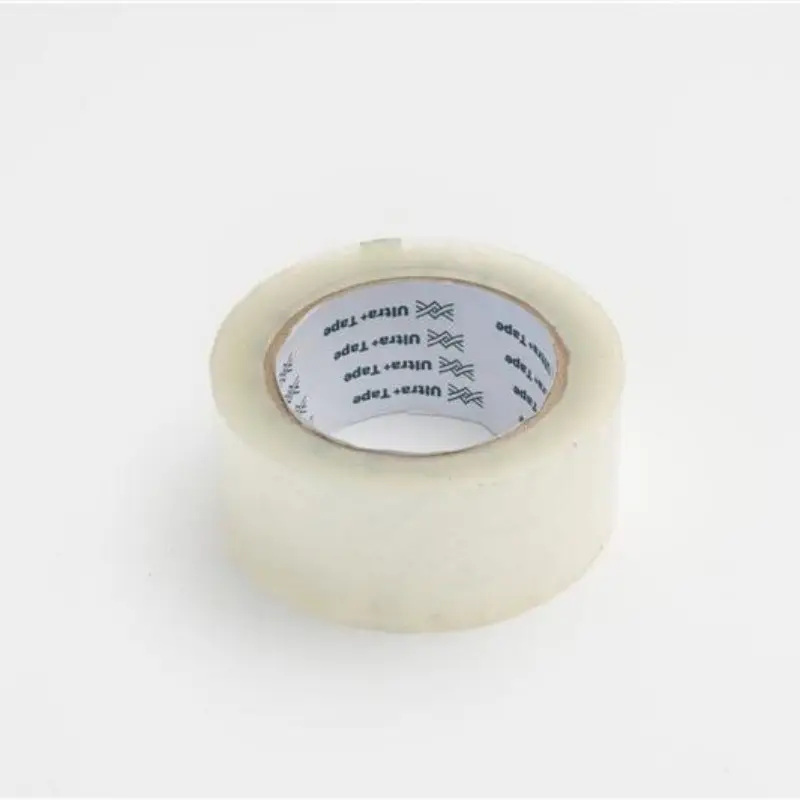
When sourcing BOPP adhesive tape for industrial packaging, warehouse operations, or commercial shipping applications, buyers face a critical decision that directly impacts operational efficiency and cost management. BOPP adhesive tape, manufactured from biaxially oriented polypropylene film with pressure-sensitive adhesive coating, serves as the backbone of countless packaging lines worldwide. However, not all BOPP adhesive tape products deliver consistent performance, and poor selection can lead to package failures, increased labor costs, and damaged brand reputation. Understanding the specific technical parameters, quality indicators, and supplier capabilities becomes essential for procurement professionals who need reliable, cost-effective sealing solutions that perform consistently across diverse environmental conditions and substrate types.
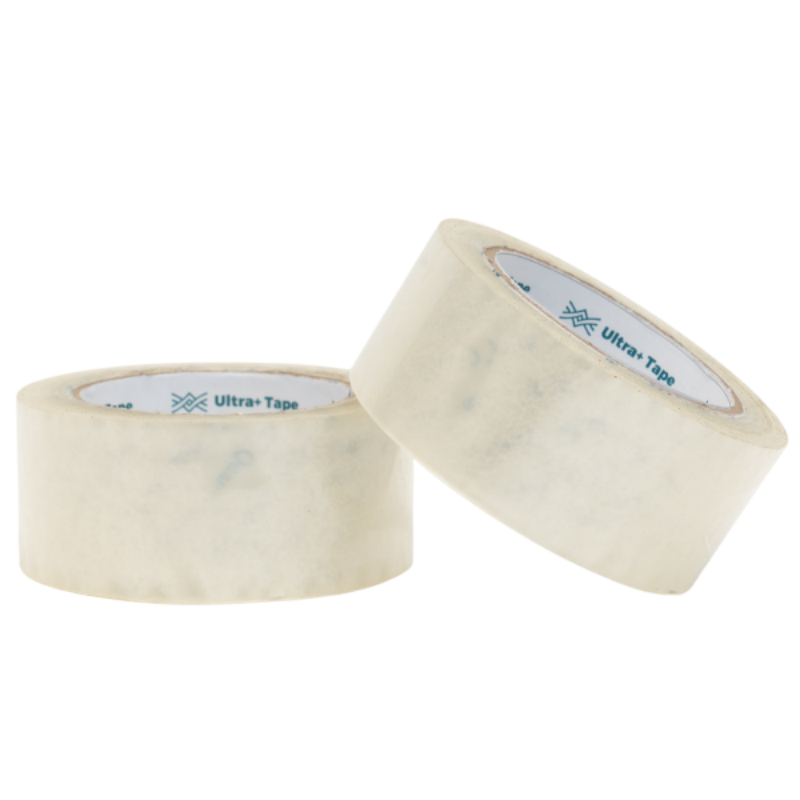
The sourcing process for BOPP adhesive tape requires systematic evaluation across multiple dimensions that extend far beyond simple price comparison. Buyers must assess film quality characteristics, adhesive formulation performance, manufacturing consistency standards, supplier technical support capabilities, and total cost of ownership factors. This comprehensive evaluation framework ensures that the selected BOPP adhesive tape delivers optimal bonding strength, maintains integrity throughout the supply chain, and provides reliable sealing performance regardless of temperature fluctuations, humidity variations, or handling conditions. Making informed sourcing decisions based on these critical checkpoints protects operational continuity while maximizing packaging investment returns.
Film Quality and Physical Properties Assessment
Biaxial Orientation Quality Standards
The foundation of superior BOPP adhesive tape performance begins with the quality of the biaxially oriented polypropylene film substrate. Buyers should verify that suppliers utilize genuine biaxial orientation processes that stretch polypropylene molecules in both machine and transverse directions, creating enhanced tensile strength and dimensional stability. High-quality BOPP adhesive tape features uniform molecular alignment that prevents splitting, tearing, or delamination during unwinding and application. Request technical documentation confirming the orientation ratio, which typically ranges between three to five times in each direction for premium-grade products. The biaxial orientation process directly influences the tape's ability to resist elongation under tension while maintaining consistent width throughout the roll.
Film thickness consistency represents another critical quality indicator that buyers must examine when evaluating BOPP adhesive tape suppliers. Premium manufacturers maintain tight thickness tolerances, typically within plus or minus two microns across the entire roll width and length. This consistency ensures uniform adhesive coating application, predictable unwinding characteristics, and reliable dispensing through automated packaging equipment. Request thickness variation data across multiple production batches to assess manufacturing process control capabilities. Inconsistent film thickness in BOPP adhesive tape leads to jamming in automatic dispensers, uneven adhesive coverage, and unpredictable bond strength that can compromise package integrity during transit and storage.
Tensile Strength and Elongation Characteristics
Tensile strength specifications provide essential insights into how BOPP adhesive tape will perform under the mechanical stresses encountered during package sealing and handling. Industrial-grade BOPP adhesive tape should demonstrate minimum tensile strength values of 140 to 180 Newtons per inch width in the machine direction, with proportional strength in the cross direction. Buyers should request standardized test data following ASTM D3759 protocols to ensure comparable performance metrics across different suppliers. Higher tensile strength enables the tape to withstand the pulling forces applied during manual or automated application without breaking, while maintaining secure seals on heavy or irregularly shaped packages.
Elongation at break measurements reveal the BOPP adhesive tape's flexibility and ability to conform to package contours without sacrificing holding power. Quality products typically exhibit elongation values between 100 and 150 percent before failure, providing sufficient stretch to accommodate package expansion during transit while preventing premature breakage. However, excessive elongation can indicate poor film quality or inadequate orientation processing. Buyers should evaluate the elongation-to-tensile-strength ratio to identify BOPP adhesive tape that balances flexibility with structural integrity. This balance becomes particularly important for applications involving temperature-sensitive products or packages that experience dimensional changes during shipping and storage cycles.
Clarity and Visual Appearance Factors
For applications requiring package content visibility or barcode scanning through the sealing tape, the optical clarity of BOPP adhesive tape becomes a crucial selection criterion. Premium-grade transparent BOPP adhesive tape should exhibit light transmission values exceeding 90 percent, with minimal haze that might obscure printed information or product details. Buyers should examine sample rolls under various lighting conditions to assess actual clarity performance, as some suppliers may provide film that appears clear initially but develops cloudiness or yellowing after exposure to ultraviolet light or temperature fluctuations. The clarity consistency across the entire roll width and between different production batches indicates superior manufacturing quality control.
Surface finish quality on bopp adhesive tape affects both aesthetic appearance and functional performance in automated dispensing systems. The film surface should be smooth and free from surface defects such as scratches, pits, or contamination particles that could interfere with adhesive bonding or create weak points in the sealed package. Additionally, buyers should verify that the non-adhesive backing surface features appropriate slip characteristics that enable smooth unwinding from the roll without generating excessive noise or static electricity buildup. These surface properties directly influence operational efficiency in high-speed packaging environments where consistent tape feeding is essential for maintaining production throughput.
Adhesive Performance and Bond Strength Evaluation
Adhesive Chemistry and Formulation Analysis
The adhesive formulation used in BOPP adhesive tape fundamentally determines its bonding performance, temperature resistance, and long-term holding power. Most industrial-grade BOPP adhesive tape employs acrylic-based or hot-melt rubber adhesive systems, each offering distinct performance characteristics suited to different application requirements. Acrylic adhesives provide superior aging resistance, temperature stability, and UV resistance, making them ideal for packages requiring extended shelf life or exposure to outdoor conditions. Conversely, hot-melt rubber adhesives offer excellent initial tack and bonding to difficult substrates, though with somewhat lower temperature tolerance. Buyers should request detailed adhesive chemistry information to match the BOPP adhesive tape formulation with specific application environments and performance expectations.
Adhesive coating weight specifications directly impact the bonding strength and cost-effectiveness of BOPP adhesive tape. Standard coating weights range from 35 to 50 grams per square meter, with heavier coatings providing enhanced bonding to rough or contaminated surfaces. However, excessive adhesive coating increases material costs without proportional performance gains and may cause adhesive transfer or residue problems. Buyers should evaluate the adhesive-to-film weight ratio to ensure optimal balance between bonding performance and economic efficiency. Request coating weight consistency data across production batches, as variations can lead to unpredictable bonding behavior that complicates quality control in packaging operations.
Peel Adhesion and Shear Strength Testing
Peel adhesion measurements quantify the force required to remove BOPP adhesive tape from a standardized test surface, providing reliable indicators of initial bonding performance. Industry-standard BOPP adhesive tape should demonstrate peel adhesion values ranging from 600 to 1000 grams per inch width when tested according to ASTM D3330 protocols on stainless steel test panels. Buyers should request peel adhesion data for multiple substrate types relevant to their specific packaging applications, including corrugated cardboard, coated paperboard, and polyethylene films. Understanding how BOPP adhesive tape performs across different surface energies and textures enables buyers to select products that deliver consistent sealing reliability regardless of package material variations.
Shear strength testing reveals the BOPP adhesive tape's resistance to sliding forces that attempt to separate bonded surfaces under sustained load. This parameter becomes particularly important for heavy packages or applications where sealed joints experience continuous stress during stacking, transportation, or storage. Quality BOPP adhesive tape should maintain secure bonds under shear loads for extended periods without creeping or failing. Request static shear test data showing holding times under specified loads at elevated temperatures, as this information predicts performance in warehouses or shipping containers that experience heat buildup. BOPP adhesive tape with inadequate shear strength may initially appear securely bonded but gradually fail under prolonged stress, leading to package opening and potential product damage or loss.
Temperature and Environmental Resistance Capabilities
Temperature performance specifications define the operational range within which BOPP adhesive tape maintains reliable bonding characteristics. Standard formulations typically perform effectively between minus 10 and plus 60 degrees Celsius, though specialized BOPP adhesive tape products extend this range for demanding applications. Buyers should verify both the application temperature range, during which the tape can be successfully applied and achieve proper bonding, and the service temperature range, throughout which the established bond remains secure. Applications involving cold storage facilities, heated warehouse environments, or international shipping through diverse climate zones require BOPP adhesive tape with proven performance across wider temperature spans.
Humidity resistance and moisture barrier properties significantly influence BOPP adhesive tape performance in challenging environmental conditions. The polypropylene film substrate inherently resists moisture penetration, protecting package contents from humidity exposure while preventing adhesive degradation. However, buyers should verify that the adhesive formulation maintains bonding strength when applied to damp surfaces or exposed to high-humidity environments during storage and transit. Request accelerated aging test data demonstrating BOPP adhesive tape performance after exposure to elevated temperature and humidity cycles, as this information predicts long-term reliability in tropical climates or moisture-prone applications. Inadequate moisture resistance can lead to adhesive softening, bond failure, or film delamination that compromises package security.
Manufacturing Quality Control and Consistency Standards
Production Process Certification and Quality Systems
Supplier quality management system certifications provide essential assurance that BOPP adhesive tape manufacturing processes incorporate systematic controls for consistency and reliability. Buyers should prioritize suppliers holding ISO 9001 quality management certification, which demonstrates commitment to documented procedures, continuous improvement, and customer satisfaction. Additional certifications such as ISO 14001 for environmental management indicate responsible manufacturing practices that minimize waste and reduce environmental impact. Request copies of current certification documents and audit reports to verify active compliance rather than expired or suspended certifications. Certified quality systems in BOPP adhesive tape manufacturing translate directly to reduced batch-to-batch variations, fewer product defects, and more predictable performance across ongoing supply relationships.
Manufacturing process controls specific to BOPP adhesive tape production warrant detailed investigation during supplier evaluation. Inquire about film extrusion parameters monitoring, coating weight verification methods, and final product inspection protocols. Sophisticated manufacturers employ inline measurement systems that continuously monitor film thickness, coating uniformity, and visual defects throughout production runs, automatically rejecting non-conforming material before it reaches finished goods inventory. Buyers should request statistical process control data showing capability indices for critical parameters, demonstrating that manufacturing processes consistently produce BOPP adhesive tape within specified tolerances. Suppliers unable or unwilling to share process capability data may lack the quality infrastructure necessary for reliable long-term supply partnerships.
Batch Consistency and Lot Traceability Systems
Lot identification and traceability capabilities enable buyers to track BOPP adhesive tape performance back to specific production batches, facilitating rapid problem resolution and quality trend analysis. Reputable suppliers implement comprehensive lot coding systems that link finished products to raw material sources, production dates, equipment assignments, and quality test results. Request information about the supplier's batch record retention policies and their ability to provide historical performance data for specific lot numbers. This traceability becomes invaluable when investigating quality issues or validating performance consistency across multiple shipments of BOPP adhesive tape used in critical packaging applications.
Batch-to-batch consistency testing demonstrates the supplier's ability to reproduce BOPP adhesive tape specifications reliably across multiple production runs. Buyers should request comparative test data from at least ten consecutive production batches, examining variations in key parameters such as peel adhesion, tensile strength, thickness, and coating weight. Statistical analysis of this data reveals whether the supplier maintains tight process control or experiences wide performance swings that could disrupt packaging operations. BOPP adhesive tape suppliers with strong process control typically demonstrate standard deviations well within tolerance ranges, indicating robust manufacturing capabilities that deliver predictable product performance regardless of production timing or equipment assignments.
Defect Rates and Quality Acceptance Standards
Acceptable quality level specifications define the maximum defect rates buyers should tolerate in BOPP adhesive tape shipments. Industry-standard AQL values for visual defects typically fall between 1.5 and 2.5, representing the percentage of rolls that may contain minor imperfections without triggering batch rejection. However, critical applications may warrant tighter quality standards. Buyers should clearly communicate their quality expectations and verify that suppliers maintain inspection systems capable of achieving the required defect detection rates. Request information about the supplier's incoming raw material inspection procedures, in-process quality checks, and final product auditing protocols that collectively ensure BOPP adhesive tape meets specified quality standards.
Common defect types in BOPP adhesive tape include edge tears, adhesive voids, contamination particles, uneven coating, and core defects that prevent smooth unwinding. Understanding how suppliers classify and track these defects provides insights into their quality priorities and problem-solving capabilities. Request defect trend data showing improvements over time, indicating active quality management rather than passive acceptance of chronic issues. Suppliers who systematically reduce defect rates through root cause analysis and corrective actions demonstrate the continuous improvement mindset essential for long-term BOPP adhesive tape supply partnerships that deliver increasing value and reliability.
Supplier Capabilities and Service Infrastructure Assessment
Technical Support and Application Engineering Resources
Comprehensive technical support capabilities distinguish superior BOPP adhesive tape suppliers from commodity vendors who merely fulfill orders without adding application expertise. Evaluate whether potential suppliers employ application engineers who can analyze your specific packaging requirements, recommend optimal product grades, and troubleshoot performance issues. Technical support should extend beyond initial product selection to include ongoing optimization assistance, equipment compatibility guidance, and process improvement consulting. Suppliers offering in-plant application trials and performance validation testing demonstrate commitment to customer success beyond simple product transactions. This technical partnership approach proves particularly valuable when implementing new packaging lines or transitioning between BOPP adhesive tape suppliers.
Product customization capabilities enable suppliers to modify BOPP adhesive tape specifications for unique application requirements that standard products cannot adequately address. Assess whether suppliers can adjust film thickness, adhesive coating weight, roll dimensions, or core sizes to match specific packaging equipment or performance needs. The ability to provide custom printing on BOPP adhesive tape for branding, security, or tracking purposes adds significant value for companies seeking to enhance package presentation or implement anti-counterfeiting measures. However, customization typically requires minimum order quantities and extended lead times, so buyers must balance specification optimization against inventory carrying costs and supply chain complexity.
Production Capacity and Supply Reliability Factors
Manufacturing capacity assessment ensures that potential BOPP adhesive tape suppliers can meet your current volume requirements while accommodating future business growth. Request information about total production capacity, current capacity utilization rates, and expansion plans that might affect supply reliability. Suppliers operating near full capacity may struggle to fulfill urgent orders or accommodate volume increases during peak seasons. Conversely, suppliers with excessive unused capacity may face financial pressures that compromise quality investments or long-term business viability. The ideal BOPP adhesive tape supplier maintains balanced capacity utilization that supports stable operations while preserving flexibility for customer demand fluctuations.
Lead time consistency and on-time delivery performance directly impact packaging operations planning and inventory management. Evaluate suppliers' historical delivery performance metrics, requesting data showing percentage of orders delivered complete and on schedule over extended periods. Reliable BOPP adhesive tape suppliers maintain safety stock for high-volume customers, implement production scheduling systems that prioritize committed delivery dates, and communicate proactively about potential delays. Geographic proximity between supplier manufacturing facilities and your packaging operations can significantly reduce lead times and transportation costs, though this advantage must be balanced against other quality and capability factors. Establishing backup supplier relationships for BOPP adhesive tape provides additional supply security, though managing multiple suppliers increases procurement complexity and may reduce volume leverage with individual vendors.
Quality Documentation and Compliance Support
Comprehensive product documentation provided by BOPP adhesive tape suppliers facilitates quality control verification, regulatory compliance, and internal specifications management. Request access to complete technical data sheets containing film specifications, adhesive properties, performance test results, and application guidelines. Material safety data sheets become essential for workplace safety programs and hazardous materials handling compliance, though BOPP adhesive tape typically presents minimal safety concerns. Suppliers serving regulated industries should provide certificates of analysis for each production batch, documenting that the BOPP adhesive tape meets specified performance standards and purity requirements.
Regulatory compliance support becomes increasingly important as packaging materials face stricter environmental regulations and customer sustainability requirements. Verify that BOPP adhesive tape suppliers can provide compliance documentation for relevant regulations such as REACH, RoHS, or FDA food contact requirements if applicable to your packaging applications. Sustainability certifications and environmental product declarations enable buyers to document the environmental impact of BOPP adhesive tape within corporate sustainability reporting frameworks. Forward-thinking suppliers actively develop recycling-friendly formulations, reduce packaging waste, and participate in industry sustainability initiatives that align with customer corporate responsibility objectives.
Total Cost Analysis and Value Optimization
Purchase Price Structure and Cost Components
While unit price represents an obvious cost factor, comprehensive BOPP adhesive tape sourcing decisions must consider the complete price structure including volume discounts, payment terms, freight costs, and minimum order requirements. Request detailed quotations breaking down costs by component, revealing how film quality, adhesive type, and roll configuration affect pricing. Volume discount schedules should offer meaningful incentives for consolidated purchasing while remaining achievable based on realistic consumption patterns. Payment terms significantly impact working capital requirements, with longer payment periods effectively reducing the true cost of BOPP adhesive tape purchases. However, aggressive payment term negotiations may strain supplier relationships or prompt suppliers to recover costs through reduced quality or service levels.
Price stability provisions protect buyers from volatile raw material cost fluctuations that periodically disrupt BOPP adhesive tape markets. Polypropylene resin prices fluctuate with petroleum markets, while adhesive component costs vary with chemical feedstock availability. Suppliers using transparent raw material indexing formulas provide more predictable costs than those making arbitrary price adjustment requests. Long-term supply agreements with defined price adjustment mechanisms balance supplier profitability requirements against buyer budget predictability needs. However, extended price commitments during declining raw material cost environments can disadvantage buyers, so contract structures should include provisions for bidirectional adjustments or periodic market-based price reviews.
Hidden Costs and Operational Efficiency Factors
Application efficiency significantly impacts the true cost of BOPP adhesive tape beyond simple purchase price comparisons. Products requiring less tape length per package due to superior holding strength reduce material consumption and labor time. Tape that unwinds smoothly without edge tears, splitting, or excessive noise decreases application time and operator frustration in manual packaging operations. For automated packaging lines, BOPP adhesive tape with consistent unwinding characteristics and minimal core defects reduces equipment downtime and maintenance requirements. Buyers should calculate cost per sealed package rather than cost per roll, incorporating material yield factors and labor efficiency differences when comparing suppliers. Premium BOPP adhesive tape commanding higher unit prices often delivers lower total application costs through improved operational efficiency.
Inventory carrying costs represent another often-overlooked expense factor in BOPP adhesive tape procurement. Products with extended shelf life enable buyers to leverage volume discounts and reduce ordering frequency without risking quality degradation during storage. Request aging test data demonstrating that BOPP adhesive tape maintains performance specifications for at least twelve months under typical warehouse conditions. Suppliers offering vendor-managed inventory services can further reduce carrying costs by assuming inventory ownership until materials are consumed. However, VMI arrangements require robust information sharing and demand forecasting cooperation between buyers and suppliers. Balancing inventory levels to capture volume discounts while avoiding obsolescence risks requires careful analysis of consumption patterns, storage costs, and procurement cycle efficiencies.
Risk Management and Supply Chain Resilience
Supply chain disruption risks have gained heightened attention following recent global events that exposed vulnerabilities in international sourcing networks. Buyers should evaluate BOPP adhesive tape supplier geographic diversification, raw material sourcing strategies, and business continuity plans that enable sustained supply during disruptive events. Suppliers operating multiple manufacturing facilities in different regions provide inherent supply redundancy, though potentially at higher costs than single-facility producers. Understanding raw material sourcing dependencies helps assess vulnerability to regional shortages or trade disruptions affecting polypropylene resin or adhesive component availability.
Quality consistency risk assessment prevents costly disruptions from defective BOPP adhesive tape batches that halt packaging operations or compromise package integrity. Suppliers with robust quality systems, comprehensive testing protocols, and strong financial stability present lower quality risk profiles than marginal producers offering attractive pricing but uncertain reliability. Request customer references from companies with similar application requirements and usage volumes, seeking candid feedback about quality consistency, problem resolution responsiveness, and long-term partnership satisfaction. The cost of packaging line downtime or product damage from poor BOPP adhesive tape quality far exceeds potential savings from selecting unreliable low-price suppliers.
FAQ
What is the typical shelf life of BOPP adhesive tape before performance degradation occurs?
High-quality BOPP adhesive tape typically maintains full performance specifications for twelve to eighteen months when stored under proper conditions, including temperatures between 15 and 25 degrees Celsius and relative humidity below 60 percent. Acrylic adhesive formulations generally exhibit longer shelf life than hot-melt rubber adhesives, which may experience gradual adhesive oxidation that reduces tack and bonding strength. Buyers should implement first-in-first-out inventory rotation and monitor stored BOPP adhesive tape for signs of degradation such as adhesive discoloration, increased unwinding difficulty, or reduced bonding performance. Suppliers should provide specific shelf life guarantees and storage recommendations as part of their technical documentation to help buyers maintain optimal product condition throughout the supply chain.
How do I determine the appropriate BOPP adhesive tape width and length configuration for my packaging operation?
Selecting optimal BOPP adhesive tape dimensions requires analyzing your packaging equipment capabilities, box sizes, sealing pattern requirements, and material handling efficiency factors. Standard widths range from 36mm to 72mm, with wider tapes providing faster coverage for large boxes while narrower widths suit smaller packages and reduce material waste. Roll length selection balances changeover frequency against handling convenience, with longer rolls reducing operator intervention but increasing weight and requiring robust dispensing equipment. Calculate your average tape consumption per package and daily volume requirements to determine whether 100-meter, 500-meter, or 1000-meter rolls optimize operational efficiency. Many BOPP adhesive tape suppliers offer application consulting services that include packaging line assessments and dimension optimization recommendations based on actual usage patterns and equipment specifications.
Can BOPP adhesive tape be recycled along with corrugated cardboard boxes?
Standard BOPP adhesive tape presents challenges for cardboard recycling operations because the polypropylene film and adhesive components do not break down during the pulping process used to recycle corrugated materials. However, the relatively small proportion of tape compared to total box weight generally does not prevent recycling acceptance, as modern recycling facilities include screening processes that remove contaminants. Some manufacturers have developed bio-based or water-soluble BOPP adhesive tape alternatives specifically designed for enhanced recyclability, though these specialized products typically command premium pricing and may offer different performance characteristics than conventional formulations. Buyers prioritizing environmental sustainability should discuss recycling compatibility with suppliers and evaluate whether emerging eco-friendly BOPP adhesive tape options align with their performance requirements and corporate sustainability objectives.
What testing should I conduct when receiving a new shipment of BOPP adhesive tape?
Implementing systematic incoming inspection procedures for BOPP adhesive tape shipments protects packaging operations from quality variations and verifies supplier compliance with specifications. Visual inspection should check for obvious defects such as edge damage, contamination, uneven winding, or core defects that could cause feeding problems in dispensers. Practical performance testing includes applying sample pieces to representative package materials and evaluating unwinding smoothness, initial tack, and bond strength after appropriate dwell time. For critical applications, buyers may conduct standardized peel adhesion testing using consistent test methods and substrates to generate comparable data across shipments. Documentation review should verify that lot numbers, production dates, and any required certificates of analysis accompany the shipment. Establishing clear acceptance criteria and rejection procedures ensures consistent quality standards while providing objective data for supplier performance discussions and continuous improvement initiatives.
Table of Contents
- Film Quality and Physical Properties Assessment
- Adhesive Performance and Bond Strength Evaluation
- Manufacturing Quality Control and Consistency Standards
- Supplier Capabilities and Service Infrastructure Assessment
- Total Cost Analysis and Value Optimization
-
FAQ
- What is the typical shelf life of BOPP adhesive tape before performance degradation occurs?
- How do I determine the appropriate BOPP adhesive tape width and length configuration for my packaging operation?
- Can BOPP adhesive tape be recycled along with corrugated cardboard boxes?
- What testing should I conduct when receiving a new shipment of BOPP adhesive tape?