
 EN
EN



BOPP jumbo rolls represent one of the most versatile and widely-used packaging materials in modern industrial applications. These biaxially oriented polypropylene films offer exceptional clarity, strength, and barrier properties that make them indispensable across numerous manufacturing sectors. The unique molecular structure of BOPP provides superior tensile strength while maintaining excellent optical properties, making it an ideal choice for applications requiring both durability and visual appeal. Manufacturing facilities worldwide rely on bopp jumbo roll technology to meet demanding production requirements while maintaining cost-effectiveness and quality standards.

Adhesive Tape Manufacturing Applications
Transparent Packaging Tape Production
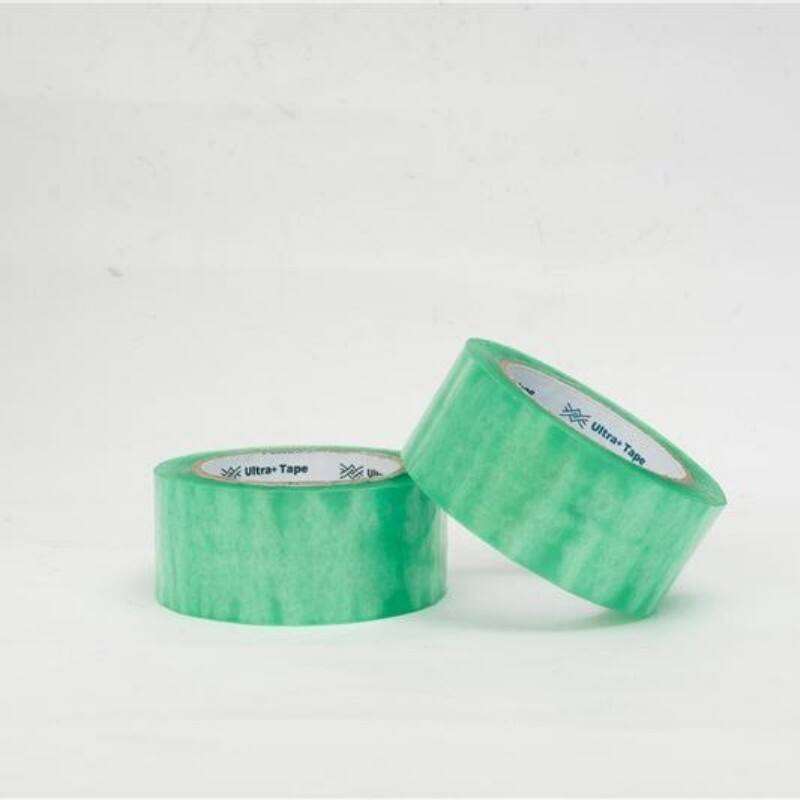
The adhesive tape industry represents the largest consumer of bopp jumbo roll materials globally. These films serve as the primary substrate for producing transparent packaging tapes used in shipping, storage, and general packaging applications. The excellent clarity and smooth surface of BOPP films ensure optimal adhesive bonding while providing the transparency required for barcode scanning and content identification through the tape layer.
Manufacturing processes for packaging tape typically involve unwinding the bopp jumbo roll through precision coating equipment where acrylic or rubber-based adhesives are applied uniformly across the film surface. The controlled thickness and consistent quality of these jumbo rolls ensure reliable tape performance and minimal waste during production runs. Quality control measures during this process focus on maintaining adhesive coating uniformity and preventing contamination that could compromise the final product's performance.
Specialty Tape Applications
Beyond standard packaging applications, bopp jumbo roll materials serve as the foundation for numerous specialty tape products including double-sided mounting tapes, electrical insulation tapes, and decorative craft tapes. The chemical resistance and dimensional stability of BOPP films make them particularly suitable for these demanding applications where performance characteristics extend beyond basic adhesion requirements.
Specialty tape manufacturers often require customized bopp jumbo roll specifications including specific thickness tolerances, surface treatments, or corona discharge levels to optimize adhesive bonding for particular applications. These customization requirements highlight the versatility of BOPP film technology and its ability to meet diverse industrial needs through careful material engineering and processing control.
Food Packaging Industry Uses
Flexible Food Packaging Films
The food packaging industry extensively utilizes bopp jumbo roll materials for creating flexible packaging solutions that preserve product freshness while providing attractive product presentation. BOPP films offer excellent moisture barrier properties and chemical inertness that make them food-safe for direct contact applications. The clarity and printability of these films enable high-quality graphics and branding elements that are crucial for retail food products.
Converting operations in food packaging facilities process bopp jumbo roll materials through sophisticated printing, laminating, and forming equipment to create pouches, wraps, and other flexible packaging formats. The consistent quality and reliable performance of these jumbo rolls ensure smooth production runs and minimal downtime, which are critical factors in high-volume food packaging operations where efficiency directly impacts profitability.
Snack Food and Confectionery Packaging
Snack food manufacturers particularly value bopp jumbo roll materials for their ability to maintain product crispness and flavor integrity over extended shelf life periods. The low moisture transmission rate of BOPP films helps prevent staleness while the excellent heat-sealability enables secure package closures that resist tampering and accidental opening during handling and distribution.
Confectionery applications benefit from the optical clarity and gloss characteristics of BOPP films, which enhance product visibility and appeal at the point of sale. The twist-wrap properties of specially formulated bopp jumbo roll materials make them ideal for individual candy wrapping applications where the film must maintain its integrity through automated high-speed wrapping equipment while providing an attractive finished appearance.
Label and Graphic Arts Applications
Self-Adhesive Label Stock
The label industry relies heavily on bopp jumbo roll materials as face stock for self-adhesive labels used across numerous market segments including product labeling, shipping labels, and promotional stickers. The smooth surface finish and excellent ink receptivity of BOPP films enable high-quality printing results with both flexographic and digital printing technologies. The dimensional stability of these films prevents label distortion during application and use, ensuring professional appearance and reliable performance.
Label converters process bopp jumbo roll materials through multi-station printing presses where multiple ink colors and specialty coatings can be applied to create complex label designs. The consistent caliper and surface properties of quality jumbo rolls minimize printing variations and reduce waste during production runs, contributing to improved profitability and customer satisfaction.
Industrial and Durable Labeling
Industrial labeling applications demand bopp jumbo roll materials with enhanced durability characteristics including improved chemical resistance, temperature stability, and weathering performance. These specialized films often incorporate additives or surface treatments that extend label life in harsh environmental conditions while maintaining readability and adhesion properties over time.
Manufacturing facilities producing industrial labels typically require bopp jumbo roll materials with specific performance certifications and traceability documentation to meet industry standards and regulatory requirements. The ability to customize film properties while maintaining production efficiency makes BOPP technology particularly valuable for serving diverse industrial labeling needs across automotive, chemical, and manufacturing sectors.
Converting and Manufacturing Processes
Slitting and Rewinding Operations
Converting facilities utilize sophisticated slitting and rewinding equipment to process bopp jumbo roll materials into narrow width rolls suitable for specific end-use applications. These operations require precise tension control and edge quality management to prevent web breaks and ensure uniform roll formation. The mechanical properties of BOPP films, including their resistance to tearing and splitting, make them well-suited for high-speed converting operations.
Quality control during slitting operations focuses on maintaining consistent roll tension, proper edge trim removal, and contamination prevention to ensure that finished rolls meet customer specifications. The static charge characteristics of BOPP films require special handling procedures and equipment grounding to prevent dust attraction and web handling difficulties during the converting process.
Coating and Laminating Processes
Many bopp jumbo roll applications involve additional processing steps including adhesive coating, primer application, or lamination to other substrates. These processes require careful control of web temperature, coating thickness, and curing conditions to achieve optimal bond strength and performance characteristics. The thermal stability of BOPP films enables processing at elevated temperatures without dimensional distortion or property degradation.
Laminating operations often combine bopp jumbo roll materials with other films or substrates to create composite structures with enhanced barrier properties or mechanical characteristics. The excellent interlayer adhesion capabilities of properly prepared BOPP surfaces ensure reliable laminate performance in demanding end-use applications where delamination could result in product failure or safety concerns.
Quality Control and Performance Standards
Physical Property Testing
Comprehensive quality control programs for bopp jumbo roll materials include regular testing of physical properties such as tensile strength, elongation, tear resistance, and optical characteristics. These tests ensure that the film meets specified performance requirements and maintains consistency throughout the production run. Automated testing equipment enables continuous monitoring of critical properties without interrupting production flow.
Dimensional stability testing verifies that bopp jumbo roll materials maintain their physical dimensions under various temperature and humidity conditions, which is crucial for applications requiring precise registration or tight tolerance requirements. Surface property measurements including coefficient of friction and surface energy help predict performance in coating and printing operations.
Contamination Control and Cleanliness
Maintaining cleanliness throughout bopp jumbo roll production and handling processes is essential for preventing contamination that could compromise performance in sensitive applications such as food packaging or optical films. Clean room protocols and filtration systems help minimize particulate contamination while proper storage and handling procedures prevent surface damage and contamination during transportation and warehousing.
Regular monitoring of gel content, fish-eye formation, and other film defects ensures that quality standards are maintained throughout production runs. Statistical process control methods help identify trends and variations that could indicate equipment problems or raw material quality issues before they impact finished product quality or customer satisfaction.
FAQ
What thickness options are available for bopp jumbo roll materials
BOPP jumbo rolls are available in thickness ranges typically from 12 microns to 80 microns, with the most common thicknesses being 18, 25, and 40 microns. The choice of thickness depends on the specific application requirements including strength, barrier properties, and cost considerations. Thicker films provide enhanced puncture resistance and durability, while thinner films offer cost advantages and improved flexibility for certain converting operations.
How should bopp jumbo roll materials be stored to maintain quality
Proper storage of bopp jumbo roll materials requires controlled temperature and humidity conditions, typically 20-25°C with relative humidity below 60%. The rolls should be stored vertically when possible to prevent deformation and covered to protect from dust and contamination. Storage areas should be clean and free from chemical vapors that could affect film properties or cause odor absorption.
What printing methods work best with bopp jumbo roll substrates
BOPP films are compatible with various printing methods including flexographic, gravure, offset, and digital printing technologies. Surface treatment levels of 38-42 dynes/cm are typically required for optimal ink adhesion. The choice of printing method depends on factors such as image quality requirements, run length, and cost considerations, with flexographic printing being most common for packaging applications.
Can bopp jumbo roll materials be recycled after use
BOPP films are recyclable through mechanical recycling processes, though contamination from adhesives, inks, or other materials can complicate recycling efforts. Clean BOPP waste can be reprocessed into various plastic products, contributing to circular economy initiatives. Many manufacturers are developing improved recycling technologies and design approaches to enhance the recyclability of BOPP-based products while maintaining performance requirements.