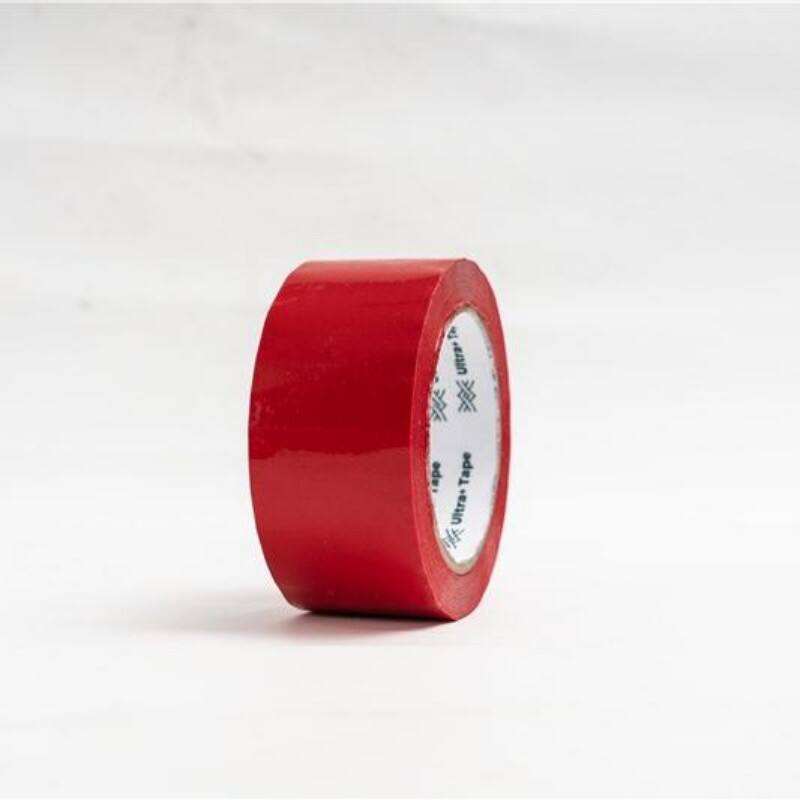
iscc plus tape cost
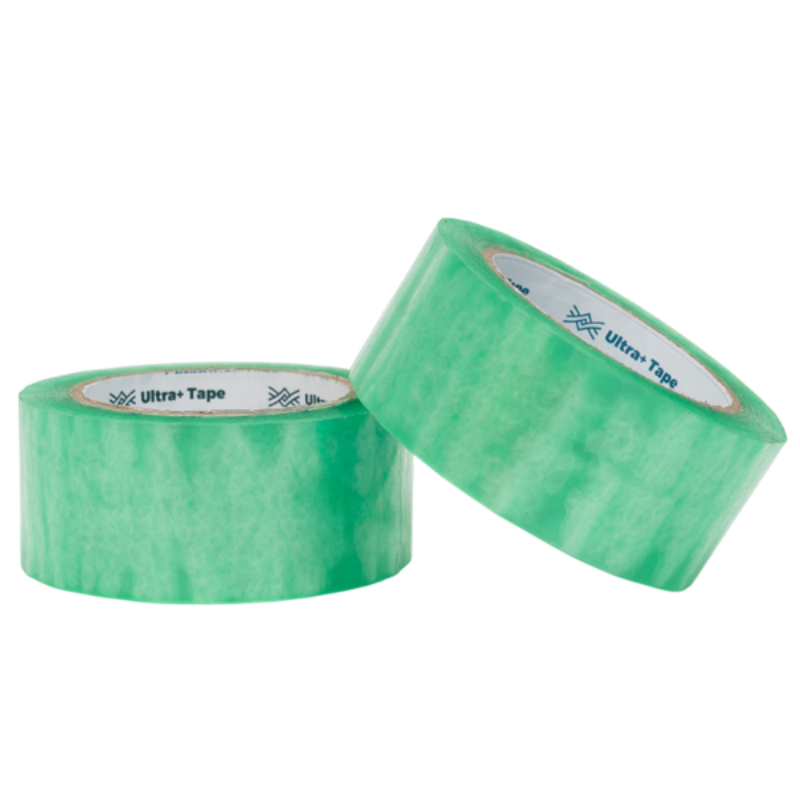
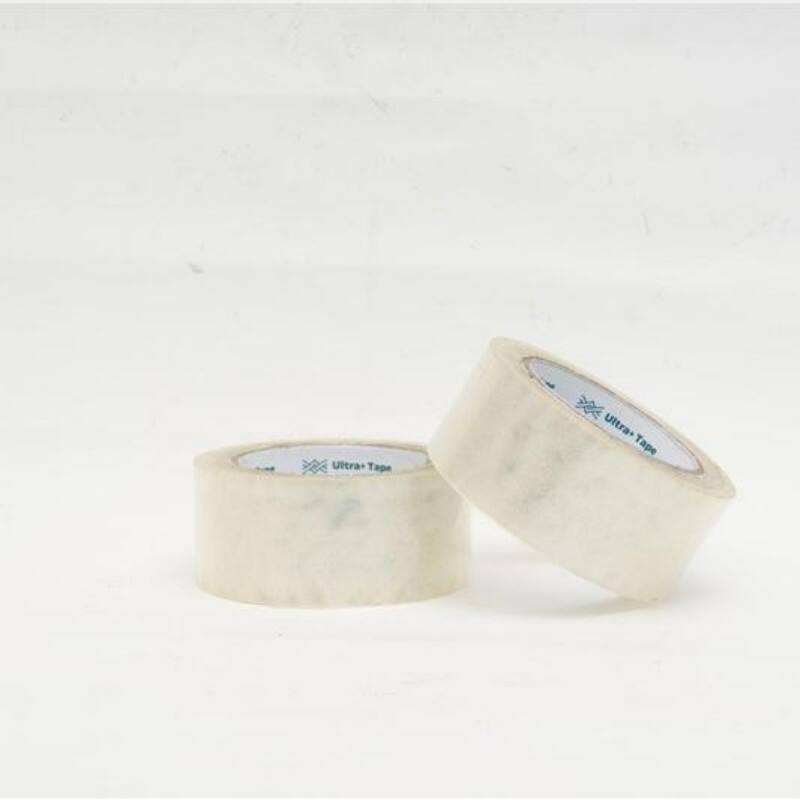
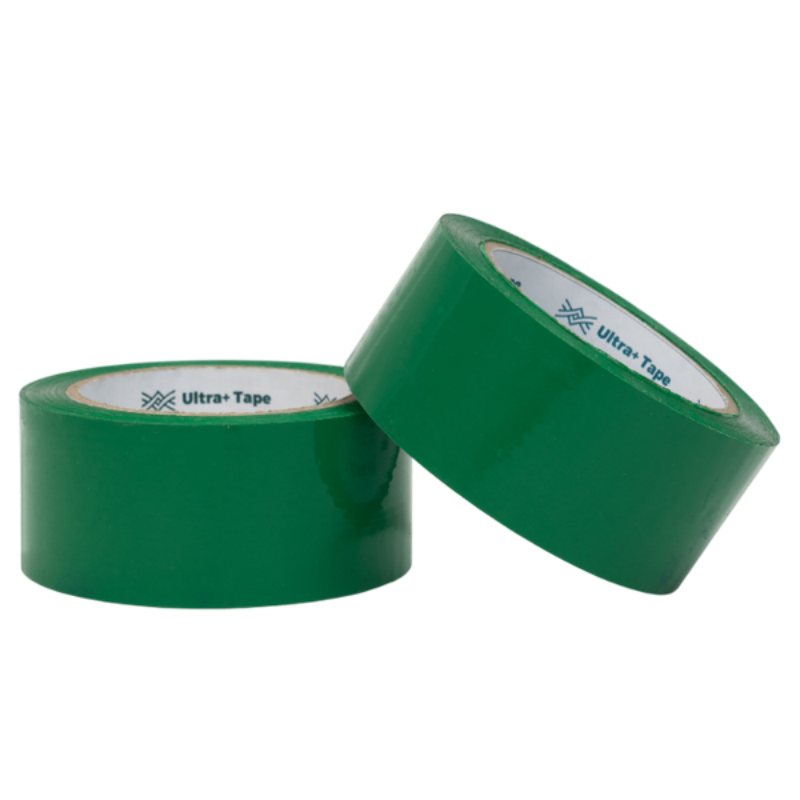
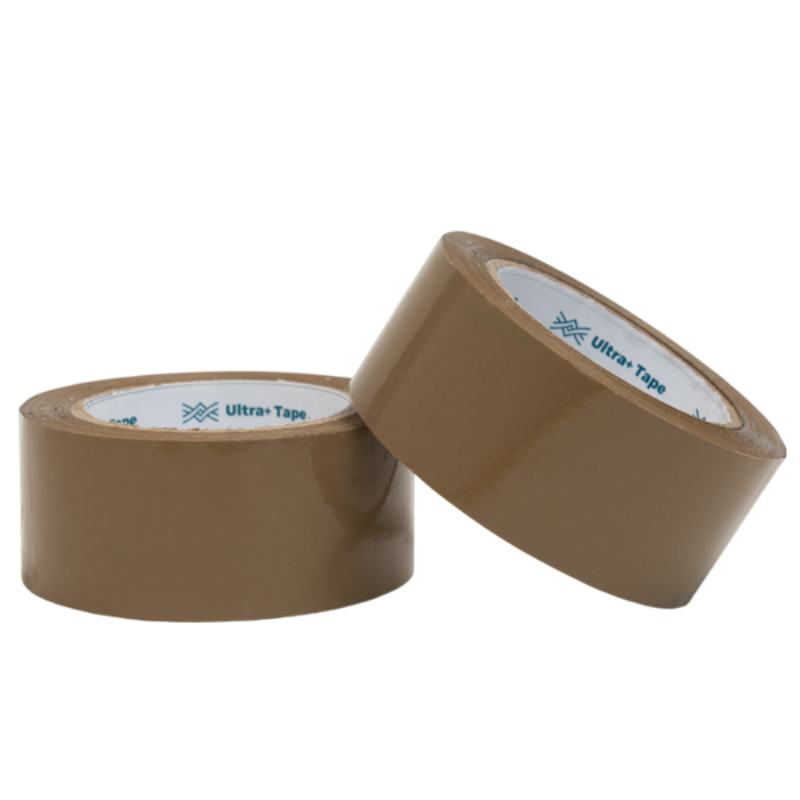
When buyers search for iscc plus tape cost, they usually want more than a single price. They need to understand what the tape does, which specifications affect the quote, and whether it suits their production process. Iscc plus tape cost generally depends on tape width, roll length, adhesive type, backing material, order volume, printing, and delivery requirements. A clear supplier quote should list each factor so buyers can compare offers fairly. The iscc plus tape cost may also reflect certified material sourcing under the ISCC PLUS system. This certification supports traceability for certain circular or bio-based raw materials, helping companies document more responsible purchasing choices. The tape itself can perform standard packaging tasks, including carton sealing, bundling, surface protection, labeling, and temporary holding. Depending on its construction, it may offer strong adhesion, smooth unwinding, clean removal, moisture resistance, or reliable performance across changing temperatures. Technology features often include acrylic or rubber adhesive systems, film or paper backings, controlled tack, consistent coating thickness, and options for hand or machine application. These details directly influence the iscc plus tape cost and its suitability for a particular line. Applications can range from shipping cartons and warehouse identification to consumer packaging, component protection, and promotional packing. Before approving an order, buyers should match the tape grade with the surface, load, storage conditions, and expected use period. Reviewing the iscc plus tape cost alongside performance data prevents a low purchase price from creating higher labor, waste, or replacement expenses. A useful product comparison should therefore connect certification, construction, dimensions, and service support with the final delivered price, rather than treating cost as an isolated figure.

 EN