
 EN
EN



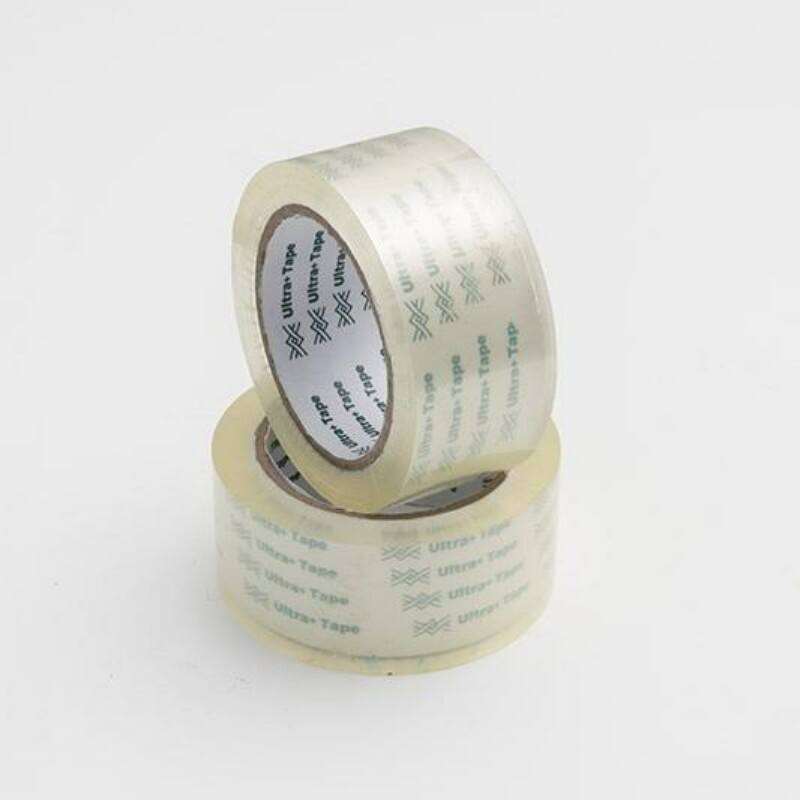
BOPP tape stands as one of the most versatile packaging materials in modern industrial applications, with its performance heavily dependent on the underlying adhesive chemistry. The temperature resistance of BOPP tape directly correlates with the molecular structure and composition of its adhesive layer, making this relationship crucial for manufacturers and end-users seeking optimal performance across varying thermal conditions. Understanding how different adhesive formulations respond to temperature fluctuations enables better product selection and application strategies in diverse industrial environments.
Fundamental Chemistry Behind BOPP Tape Adhesives
Acrylic Adhesive Systems
Acrylic adhesives represent the most common chemistry used in BOPP tape manufacturing, offering exceptional clarity and aging resistance. These synthetic polymers consist of acrylic acid and methacrylic acid derivatives that form long-chain molecules through polymerization processes. The molecular weight and crosslinking density of acrylic adhesives significantly influence their temperature performance, with higher molecular weights generally providing better thermal stability. Acrylic-based BOPP tape typically maintains adhesion properties within a temperature range of -40°F to 200°F, making them suitable for most commercial applications.
The glass transition temperature of acrylic adhesives plays a critical role in determining low-temperature performance of BOPP tape. When temperatures drop below this threshold, the adhesive becomes brittle and loses its tackiness, potentially leading to bond failure. Manufacturers often incorporate plasticizers and co-monomers to lower the glass transition temperature, enhancing cold-weather performance while maintaining structural integrity at elevated temperatures.
Rubber-Based Adhesive Formulations
Natural and synthetic rubber adhesives provide BOPP tape with excellent initial tack and conformability to irregular surfaces. These elastomeric systems typically consist of styrene-butadiene, styrene-isoprene, or natural rubber polymers combined with tackifying resins and antioxidants. The temperature resistance of rubber-based BOPP tape depends heavily on the specific rubber polymer used and the degree of crosslinking achieved during manufacturing. While offering superior flexibility at low temperatures, rubber adhesives generally exhibit lower maximum service temperatures compared to acrylic systems.
Hot-melt rubber adhesives used in BOPP tape production undergo thermal processing that affects their final temperature performance characteristics. The application temperature during coating, typically ranging from 300°F to 400°F, influences the molecular orientation and crosslinking density of the final adhesive layer. Proper thermal processing ensures optimal balance between tack, cohesion, and temperature resistance in the finished BOPP tape product.
Temperature Effects on Adhesive Performance
High-Temperature Degradation Mechanisms
Elevated temperatures accelerate several degradation processes that compromise BOPP tape adhesive performance over time. Thermal oxidation represents the primary mechanism of high-temperature failure, where oxygen molecules react with polymer chains to form carbonyl groups and cause chain scission. This process leads to reduced molecular weight, loss of cohesive strength, and eventual adhesive failure. The rate of thermal oxidation follows Arrhenius kinetics, meaning degradation rates approximately double for every 10°C temperature increase.
Crosslinking reactions may also occur at elevated temperatures, causing BOPP tape adhesives to become increasingly brittle and lose their ability to wet surfaces effectively. While controlled crosslinking can improve temperature resistance, excessive crosslinking reduces the adhesive's capacity to flow and maintain intimate contact with substrates. This balance between thermal stability and adhesive functionality requires careful formulation of antioxidants, UV stabilizers, and other protective additives in BOPP tape manufacturing.
Low-Temperature Brittleness Phenomena
Cold temperatures present unique challenges for BOPP tape adhesive performance, primarily through the glass transition phenomenon that transforms flexible adhesives into rigid, glass-like materials. Below the glass transition temperature, adhesive molecules lose their mobility and cannot respond to surface irregularities or stress concentrations. This transition typically occurs gradually over a temperature range rather than at a single point, with different adhesive chemistries exhibiting varying degrees of low-temperature flexibility.
The crystallization of adhesive components at low temperatures can further compromise BOPP tape performance by creating stress concentrations and reducing overall flexibility. Some adhesive systems incorporate amorphous polymers or anti-crystallization agents to maintain performance at sub-zero temperatures. Understanding these low-temperature effects enables proper selection of BOPP tape formulations for cold storage, refrigerated transport, and outdoor winter applications.
Adhesive Modification Strategies for Enhanced Temperature Resistance
Chemical Crosslinking Approaches
Chemical crosslinking represents a fundamental approach to improving the temperature resistance of BOPP tape adhesives through the formation of three-dimensional polymer networks. UV-initiated crosslinking systems utilize photoinitiators that generate free radicals upon exposure to ultraviolet radiation, promoting crosslinking reactions between polymer chains. This process typically occurs after the BOPP tape is manufactured, allowing for precise control of crosslinking density and resulting thermal properties.
Thermal crosslinking systems offer an alternative approach where crosslinking agents are incorporated into the adhesive formulation and activated during the coating and drying process. These systems often employ peroxides, aziridines, or other thermally-activated crosslinking agents that form covalent bonds between polymer chains at elevated temperatures. The degree of crosslinking must be carefully controlled to maintain adequate adhesive properties while improving temperature resistance characteristics of the BOPP tape.
Additive Enhancement Technologies
Antioxidant systems play a crucial role in extending the temperature resistance of BOPP tape by intercepting free radicals and preventing oxidative degradation. Primary antioxidants such as hindered phenols and secondary antioxidants like phosphites work synergistically to provide comprehensive protection against thermal and oxidative stress. The selection and concentration of these additives significantly influence the long-term temperature performance of BOPP tape in demanding applications.
Heat stabilizers and UV absorbers further enhance temperature resistance by protecting the adhesive polymer chains from degradation caused by thermal energy and ultraviolet radiation. These additives are particularly important for BOPP tape applications involving outdoor exposure or elevated temperature storage conditions. Advanced stabilizer packages may include light stabilizers, metal deactivators, and other specialized additives tailored to specific temperature and environmental requirements.
Testing and Characterization Methods
Standard Temperature Testing Protocols
Industry-standard testing methods provide reliable means of evaluating BOPP tape temperature resistance under controlled laboratory conditions. The peel adhesion test at various temperatures measures the force required to remove tape from a standard substrate, providing quantitative data on adhesive performance across temperature ranges. These tests typically follow ASTM or ISO protocols that specify substrate materials, peel angles, and testing speeds to ensure reproducible results.
Shear strength testing at elevated temperatures evaluates the cohesive strength of BOPP tape adhesives under sustained load conditions. This test involves applying a constant load to a tape sample bonded to a vertical surface and measuring the time to failure at specified temperatures. Results from shear strength testing help predict long-term performance of BOPP tape in structural bonding applications where temperature resistance is critical.
Advanced Characterization Techniques
Differential scanning calorimetry provides detailed information about thermal transitions in BOPP tape adhesives, including glass transition temperatures, melting points, and crystallization behavior. This analytical technique measures heat flow as a function of temperature, revealing critical transition points that affect adhesive performance. DSC analysis enables adhesive chemists to optimize formulations for specific temperature requirements and predict performance in various thermal environments.
Dynamic mechanical analysis offers complementary information about the viscoelastic properties of BOPP tape adhesives across temperature ranges. DMA measurements reveal changes in storage modulus, loss modulus, and tan delta as functions of temperature, providing insights into adhesive behavior during thermal cycling. This information proves valuable for predicting BOPP tape performance in applications involving repeated heating and cooling cycles.
Industrial Applications and Temperature Considerations
Packaging and Logistics Applications
The packaging industry relies heavily on BOPP tape for carton sealing, bundling, and protective applications where temperature resistance directly impacts product integrity. Cold storage facilities and refrigerated transportation systems subject BOPP tape to sustained low temperatures that can compromise adhesive performance if improper formulations are used. Specialized cold-temperature BOPP tape formulations incorporate modified adhesive chemistries that remain flexible and maintain adhesion at temperatures as low as -65°F.
High-temperature packaging applications, such as hot-fill products or heat-sealed packages, require BOPP tape with enhanced thermal stability to prevent adhesive failure during processing. These applications often involve brief exposure to temperatures exceeding 200°F, necessitating adhesive systems with superior heat resistance and minimal thermal degradation. Advanced BOPP tape formulations for high-temperature packaging may incorporate thermally stable polymers and specialized heat-resistant additives.
Industrial Manufacturing Processes
Manufacturing environments frequently expose BOPP tape to elevated temperatures from industrial heating systems, hot surfaces, and thermal processing equipment. Masking applications in powder coating, paint baking, and other high-temperature processes require BOPP tape with exceptional thermal stability and clean removal characteristics. These specialized tapes must maintain adhesion during thermal exposure while releasing cleanly without residue when removed after cooling.
Electronic component manufacturing utilizes BOPP tape for component positioning, circuit board masking, and thermal interface applications where precise temperature control is essential. The miniaturization of electronic devices has increased thermal density, creating more demanding temperature environments for BOPP tape applications. Advanced formulations for electronics manufacturing incorporate thermally conductive additives and ultra-stable adhesive chemistries to meet these stringent requirements.
FAQ
What temperature range can standard BOPP tape withstand?
Standard BOPP tape typically performs effectively within a temperature range of -10°F to 150°F (-23°C to 65°C). However, this range varies significantly based on the specific adhesive chemistry used. Acrylic-based adhesives generally offer better high-temperature performance, while rubber-based systems excel at low temperatures. For applications requiring extended temperature ranges, specialized formulations are available that can perform from -65°F to 200°F (-54°C to 93°C) or higher.
How does prolonged heat exposure affect BOPP tape adhesive strength?
Prolonged heat exposure accelerates thermal degradation processes in BOPP tape adhesives, primarily through oxidation and polymer chain scission. This leads to progressive loss of adhesive strength, cohesive failure, and potential residue formation upon removal. The rate of degradation follows exponential kinetics, meaning that small temperature increases can significantly reduce tape lifespan. Antioxidant-enhanced formulations can extend performance life at elevated temperatures.
Can BOPP tape performance be restored after temperature damage?
Unfortunately, BOPP tape cannot recover its original performance characteristics once thermal damage has occurred to the adhesive system. Temperature-induced changes such as polymer degradation, crosslinking, or crystallization are typically irreversible processes. However, some temporary performance loss due to cold temperatures may be reversible once the tape returns to normal operating temperatures, provided no permanent chemical changes have occurred in the adhesive matrix.
What factors should be considered when selecting BOPP tape for extreme temperature applications?
Several critical factors must be evaluated when selecting BOPP tape for extreme temperature environments. These include the specific temperature range and duration of exposure, substrate materials and surface conditions, required adhesive strength, and removal characteristics. Additionally, consider environmental factors such as humidity, UV exposure, and chemical compatibility. Consulting with tape manufacturers and conducting application-specific testing helps ensure optimal BOPP tape selection for challenging temperature conditions.