
 EN
EN



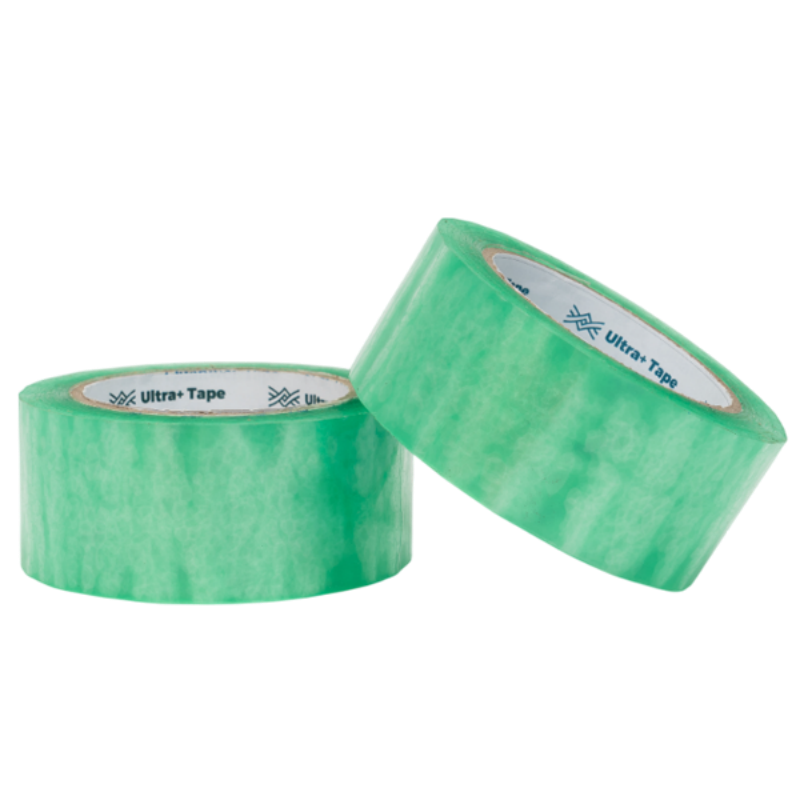
Choosing the correct grade of ultra plus tape for your production line is one of those decisions that looks straightforward on the surface but carries real operational weight. Get it right, and your line runs cleanly, bonds hold, and downtime stays minimal. Get it wrong, and you face adhesive failure, residue buildup, or material incompatibility that costs far more than the tape itself. This guide walks you through the selection logic that experienced production engineers use when evaluating ultra plus tape grades for demanding industrial environments.
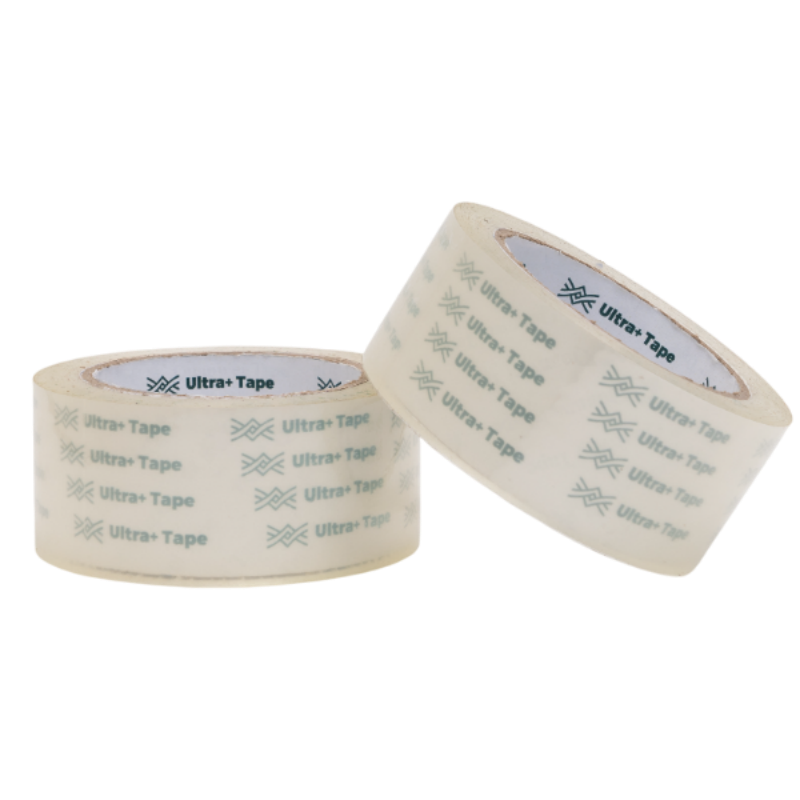
Ultra plus tape is not a single-spec product. It spans a range of grades engineered for different surface types, temperature ranges, adhesion strengths, and process speeds. Understanding how those variables interact with your specific production conditions is the foundation of a sound selection process. Whether you are running a high-speed packaging line, a precision electronics assembly operation, or a heavy-duty industrial fabrication process, the right ultra plus tape grade will behave differently — and selecting the wrong one is a preventable error.
Understanding What Grade Differences Actually Mean
Adhesive Chemistry and Its Role in Grade Selection
When manufacturers differentiate ultra plus tape grades, adhesive chemistry is typically the primary axis of variation. Acrylic-based adhesives offer long-term bonding stability and strong resistance to UV exposure and temperature cycling, making them well-suited to outdoor or thermally demanding production environments. Rubber-based adhesives, by contrast, deliver higher initial tack and conform more readily to irregular surfaces, which is an advantage in fast-moving assembly operations where immediate grip is critical.
The grade specification for ultra plus tape will usually indicate which adhesive system is used, and this single factor shapes compatibility with substrates, solvent resistance, and long-term hold performance. A grade optimized for clean-room electronics work will have very different adhesive properties compared to one designed for corrugated packaging or metal surface masking. Reading the adhesive type as the first selection filter saves significant time in the evaluation process.
It is also worth noting that adhesive thickness within the same chemistry family affects performance. Thicker adhesive layers improve gap-filling and conformability on rough surfaces, while thinner layers are preferred when dimensional precision matters, such as in die-cutting or fine masking applications. Ultra plus tape grades communicate this through adhesive coat weight or caliper specifications in the technical data sheet.
Carrier Material and Its Impact on Production Compatibility
The carrier — the backing layer of the ultra plus tape — directly affects how the tape handles on your line. Film carriers made from polyester or polypropylene offer high tensile strength and dimensional stability, which is important when the tape must resist stretching during high-tension applications or automated dispensing. Paper carriers are more conformable and easier to tear by hand, making them practical for manual application workflows but less suitable for high-speed automated systems.
Foam carriers serve a different purpose entirely, adding compressibility and vibration-dampening properties that rigid carriers cannot provide. If your production line involves bonding dissimilar materials that expand and contract at different rates, a foam-carrier ultra plus tape grade absorbs that differential movement and reduces stress on the bond line. This becomes particularly relevant in automotive component assembly and HVAC manufacturing contexts.
Carrier thickness also influences conformability and edge definition. Thinner carriers follow contours more precisely, which matters in curved surface applications. Thicker carriers provide better mechanical protection for the adhesive layer in harsh handling environments. Matching carrier type and thickness to your specific production motion — whether robotic, semi-automated, or manual — prevents application problems before they start.
Matching Grade Properties to Your Surface and Environment
Surface Energy and Substrate Compatibility
One of the most common mismatches in ultra plus tape selection involves surface energy. High surface energy materials like glass, aluminum, and stainless steel bond readily with a wide range of adhesives. Low surface energy plastics — polyethylene, polypropylene, and PTFE in particular — are notoriously difficult to bond and require ultra plus tape grades specifically formulated with high-tack or modified adhesive systems that can wet out these challenging surfaces.
If your production line handles mixed substrate types across different product runs, you need to evaluate whether a single ultra plus tape grade can handle all of them or whether grade switching is necessary. Using a universal-fit grade that performs adequately on all surfaces often means accepting reduced performance on each individual substrate compared to a purpose-optimized grade. That trade-off is acceptable in some operations and unacceptable in others — the decision depends on how critical bond strength is at each stage.
Surface contamination is a related variable. Even the correct ultra plus tape grade will underperform on oily, dusty, or moisture-bearing surfaces. Some grades incorporate adhesive systems with enhanced tolerance for light contamination, but no tape eliminates the need for reasonable surface preparation. Build your grade selection around the realistic surface condition in your production environment, not the ideal.
Temperature Range and Thermal Cycling Demands
Temperature is a critical selection axis for ultra plus tape because both application temperature and service temperature affect performance. Application temperature influences how quickly the adhesive wets out the substrate and builds bond strength. Most ultra plus tape grades have a minimum application temperature below which initial tack drops significantly — applying tape in cold warehouses or outdoor environments without accounting for this leads to bond failures that appear later in the process cycle.
Service temperature is the range the tape must withstand after application. If your production line feeds into a curing oven, powder-coating booth, or any elevated-temperature process, you need an ultra plus tape grade rated for that thermal exposure. Grades designed for general packaging work are not suitable for high-temperature masking applications. Always cross-reference the service temperature rating in the technical data sheet against the maximum process temperature on your line, with an appropriate safety margin.
Thermal cycling — repeated heating and cooling — is more damaging to adhesive bonds than sustained elevated temperature. If your production environment subjects bonded assemblies to repeated thermal cycles, select ultra plus tape grades with documented thermal cycling performance rather than static temperature ratings alone. This distinction matters in electronics manufacturing, automotive assembly, and any outdoor-exposed application.
Production Line Variables That Shape Grade Selection
Application Speed and Automation Compatibility
The speed at which ultra plus tape is applied on your line directly affects which grades are practical. Automated tape dispensing systems impose specific requirements on roll geometry, liner release force, and adhesive build rate. A grade that performs well in a manual application context may jam dispensing heads, leave liner fragments, or fail to track correctly at higher line speeds. Always verify that the ultra plus tape grade under consideration has been qualified for automated dispensing if your line uses it.
Adhesive build rate — how quickly the tape reaches full bond strength after application — is particularly important in fast-cycle production. Some ultra plus tape grades are formulated for rapid adhesion build, reaching functional bond strength within seconds of application. Others are designed for repositionability and build strength slowly over minutes or hours. Matching this characteristic to your process cycle time prevents parts from shifting during handling before the bond has set.
Roll geometry consistency is another practical factor. Core diameter, roll width tolerance, and splice frequency all affect automated line compatibility. Grade specifications from reputable ultra plus tape suppliers include these parameters, and validating them against your dispensing equipment specifications before committing to a grade prevents integration problems during production startup.
Removal Requirements and Clean Removal Performance
Not all ultra plus tape applications are permanent. Masking, temporary holding, bundling, and in-process protection all require clean removal without adhesive residue or substrate damage. The removability characteristics of ultra plus tape grades vary significantly, and selecting the wrong grade for a temporary application creates rework and surface remediation costs that quickly exceed the cost of getting the selection right initially.
Clean removal performance degrades over time and with heat exposure. An ultra plus tape grade rated for clean removal at room temperature may leave residue if left in place for extended periods or exposed to elevated temperatures during processing. Review the dwell time and temperature limits for clean removal in the technical data sheet and ensure they align with your actual process window — not just the ideal scenario.
For applications where surface finish is critical — painted automotive parts, optical components, precision-machined surfaces — the selection of ultra plus tape grade should be validated with a removal test on representative production samples before full implementation. This validation step is standard practice among experienced production engineers and prevents expensive finish damage on high-value parts.
The Grade Evaluation Process in Practice
Building a Structured Selection Criteria Framework
A reliable grade selection process for ultra plus tape starts with documenting the critical performance requirements before evaluating any specific products. This means capturing substrate type and surface condition, application temperature, service temperature and thermal cycling exposure, required bond strength or removability, application method (manual or automated), and any chemical or solvent exposure the tape will encounter in service. With these criteria documented, comparing grade specifications becomes a structured exercise rather than an intuitive guess.
Rank your criteria by criticality. In most production environments, one or two factors are absolute constraints — a temperature limit, a clean-removal requirement, a specific substrate — while others are preferences. Using this ranking prevents the common mistake of selecting an ultra plus tape grade that excels on secondary criteria while failing on the most critical one. The grade that satisfies your top two or three constraints and performs acceptably on the rest is almost always the right choice.
Document the selection rationale. When production conditions change — new substrate materials, process temperature increases, line speed upgrades — having a written record of why the current ultra plus tape grade was selected allows engineers to quickly assess whether requalification is needed. This is particularly valuable in regulated industries where change control documentation is mandatory.
Pilot Testing and Validation Before Full Deployment
No grade selection process for ultra plus tape is complete without physical validation. Technical data sheets provide a reliable basis for shortlisting candidates, but actual production conditions — including surface variability, operator handling, and environmental fluctuation — can produce performance differences that specification sheets do not fully predict. Running a structured pilot test on a representative sample of production parts gives you performance data specific to your actual conditions.
A practical pilot test for ultra plus tape selection should evaluate initial tack, bond strength at the relevant process stage, performance after any thermal or chemical exposure in your process, and clean removal performance where applicable. Testing two or three shortlisted grades side by side under identical conditions generates comparative data that makes the final selection defensible and well-supported.
Involve your production team in the pilot evaluation. Operators who handle ultra plus tape daily will notice handling characteristics — unwind force, conformability, liner behavior — that engineering data does not capture. Their practical input frequently identifies the best-performing grade for real production conditions and also surfaces any application concerns before full-scale deployment. This collaborative validation step is where theoretical selection becomes confirmed process performance.
FAQ
What is the most important factor when selecting an ultra plus tape grade for a high-speed automated line?
For automated lines, liner release force consistency and adhesive build rate are typically the most critical factors. If the liner release force varies within a roll or between rolls, dispensing heads will mistrack or jam. If adhesive build rate is too slow for your cycle time, parts may shift before bond strength develops. Always confirm that the ultra plus tape grade you are evaluating has been tested and approved for automated dispensing at your target line speed.
Can a single ultra plus tape grade work across multiple substrate types on the same production line?
It depends on the surface energy range of your substrates. If all substrates have similar surface energy — for example, all are metals or all are high-surface-energy plastics — a single ultra plus tape grade can often perform acceptably across them. If you are bonding both high-surface-energy and low-surface-energy materials on the same line, you may need to qualify two grades or identify a broad-range formulation specifically designed for mixed-substrate environments. Pilot testing on all substrate types in your specific line conditions is the only reliable way to confirm single-grade feasibility.
How do I know if my current ultra plus tape grade needs to be changed after a process upgrade?
Compare your documented selection criteria from the original grade qualification against the new process parameters. Key triggers for requalification include changes in substrate material, increases in process temperature, new chemical or solvent exposure, changes in line speed affecting application method, or new dwell-time or removal requirements. If any of your original selection constraints have changed materially, treat the new conditions as a fresh selection exercise rather than assuming the existing ultra plus tape grade will continue to perform adequately.
What should I look for in a technical data sheet when comparing ultra plus tape grades?
Focus on adhesive type, service temperature range, minimum application temperature, peel adhesion values on representative substrates, tensile strength of the carrier, and — for temporary applications — clean removal performance specifications including maximum dwell time and temperature. Also check whether the ultra plus tape grade has been tested under conditions similar to yours. Generic test results on standard substrates are useful but should be supplemented with application-specific validation before committing to a grade for production use.
Table of Contents
- Understanding What Grade Differences Actually Mean
- Matching Grade Properties to Your Surface and Environment
- Production Line Variables That Shape Grade Selection
- The Grade Evaluation Process in Practice
-
FAQ
- What is the most important factor when selecting an ultra plus tape grade for a high-speed automated line?
- Can a single ultra plus tape grade work across multiple substrate types on the same production line?
- How do I know if my current ultra plus tape grade needs to be changed after a process upgrade?
- What should I look for in a technical data sheet when comparing ultra plus tape grades?