
 EN
EN



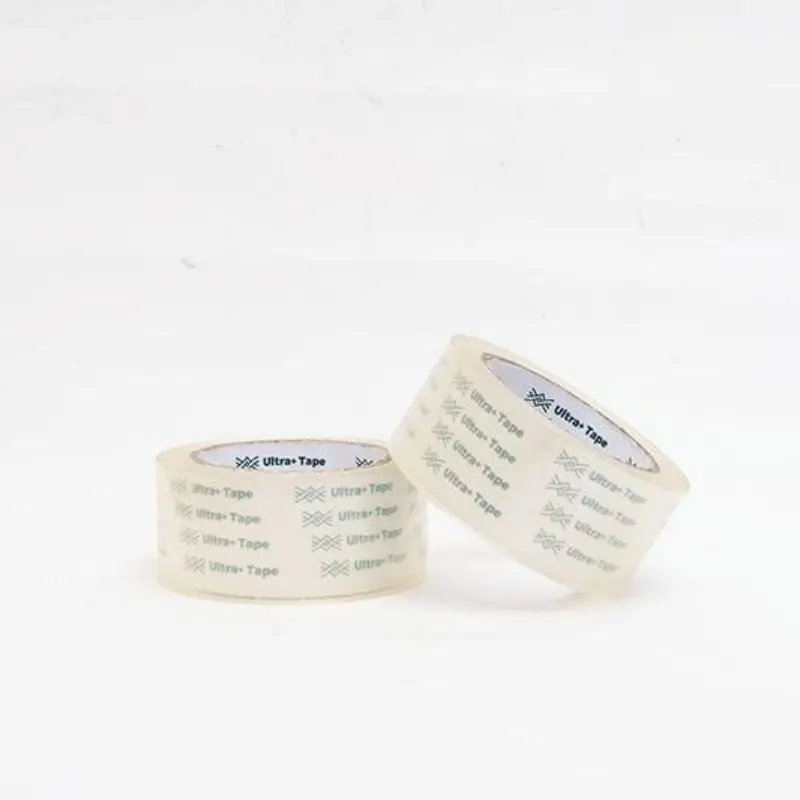
When procuring packaging materials for industrial operations, commercial shipping, or retail environments, understanding the quality indicators of adhesive BOPP tape becomes critical to ensuring operational efficiency and cost-effectiveness. BOPP, or biaxially oriented polypropylene, represents the film substrate that forms the foundation of these pressure-sensitive tapes, and the adhesive system applied to this film determines performance across diverse application environments. Buyers face numerous technical specifications, performance claims, and supplier offerings that can significantly impact total cost of ownership, product protection integrity, and end-user satisfaction. Evaluating adhesive BOPP tape quality requires examining multiple interdependent factors including film characteristics, adhesive chemistry, manufacturing precision, and application-specific performance requirements that collectively define whether a product will meet operational demands.
The decision framework for assessing adhesive BOPP tape quality extends beyond simple price comparison or brand recognition, demanding technical evaluation of material composition, adhesive formulation, and performance validation under real-world conditions. Quality considerations directly influence packaging security during transport, storage integrity in varying temperature and humidity conditions, and the efficiency of automated dispensing systems in high-volume production environments. Procurement professionals must balance immediate cost considerations against long-term performance reliability, recognizing that substandard adhesive BOPP tape can lead to product damage, customer complaints, operational delays, and ultimately higher total costs despite lower unit pricing. This comprehensive examination explores the critical quality factors that should guide purchasing decisions, providing actionable criteria for evaluating suppliers and products in this essential packaging category.
Film Substrate Characteristics and Manufacturing Quality
Biaxial Orientation Process and Film Integrity
The biaxial orientation process that transforms raw polypropylene into BOPP film fundamentally determines the mechanical properties and performance consistency of adhesive BOPP tape. During manufacturing, polypropylene is stretched simultaneously in both machine and transverse directions at controlled temperatures, creating molecular alignment that enhances tensile strength, clarity, and dimensional stability. Quality manufacturers maintain precise control over stretching ratios, temperature profiles, and cooling rates to produce film with uniform thickness, consistent optical properties, and predictable mechanical behavior. Buyers should evaluate whether suppliers utilize modern stretching equipment with closed-loop control systems that minimize thickness variation across the film width, as thickness inconsistencies directly translate to uneven adhesive coating, variable unwind tension, and potential performance failures in automated dispensing equipment.
Film integrity assessment requires examining both visual characteristics and measurable physical properties that indicate manufacturing precision. High-quality BOPP film exhibits exceptional clarity with minimal haze, uniform gloss levels across the entire roll width, and absence of visual defects such as gels, streaks, or contamination particles. These visual indicators correlate with underlying molecular structure uniformity that affects mechanical performance during application and service life. Procurement specifications should include requirements for film thickness tolerance, typically ±5% or tighter for premium grades, and tensile strength values in both machine and transverse directions that meet or exceed industry standards for the intended application severity. The relationship between film quality and adhesive BOPP tape performance becomes particularly evident in high-speed automated packaging lines where film irregularities cause tension variations, dispensing inconsistencies, or premature tape breaks that halt production.
Surface Treatment and Adhesive Receptivity
The corona treatment or flame treatment applied to BOPP film surfaces creates the critical interface chemistry that enables strong adhesive bonding and determines the longevity of adhesive performance over the product shelf life. Untreated polypropylene exhibits low surface energy that prevents effective wetting by adhesive formulations, resulting in poor adhesive anchorage, premature adhesive transfer, or complete delamination under stress conditions. Quality manufacturers apply controlled corona discharge or flame oxidation to modify the film surface chemistry, creating polar functional groups that increase surface energy and promote chemical bonding with acrylic or rubber-based adhesive systems. Buyers should request surface energy specifications measured in dynes per centimeter, with values typically ranging from 38 to 42 dynes/cm for adequately treated film, and inquire about treatment uniformity across roll width and treatment stability over time before converting to finished tape products.
Treatment quality verification becomes essential when evaluating adhesive BOPP tape suppliers, as inadequate or degraded surface treatment manifests as adhesive anchorage failures that may not become apparent until after tape has been applied and aged under load. Quality-conscious manufacturers implement in-process treatment monitoring with documented dyne level verification at regular intervals during film production, and they maintain controlled aging periods between treatment and adhesive coating to ensure treatment stability. The relationship between surface treatment and adhesive anchorage directly impacts critical performance metrics including peel adhesion consistency, shear resistance under load, and resistance to adhesive transfer when tape is removed from surfaces. Procurement professionals should specifically inquire about suppliers' treatment control protocols, ask for treatment level specifications in technical data sheets, and consider requesting samples from production lots that have been aged under accelerated conditions to verify treatment stability and long-term adhesive anchorage performance.
Adhesive System Formulation and Performance Characteristics
Adhesive Chemistry Selection and Application Requirements
The adhesive formulation coated onto BOPP film represents the most critical quality variable affecting tape performance across diverse application conditions, with chemistry selection determining initial tack, ultimate peel adhesion, shear resistance, temperature performance range, and compatibility with various substrate surfaces. Acrylic-based adhesive systems dominate premium adhesive BOPP tape products due to their excellent aging characteristics, UV resistance, temperature stability, and clean removal properties, making them suitable for applications requiring long-term durability or exposure to outdoor conditions. Rubber-based adhesive formulations, alternatively, provide superior initial tack and conformability to irregular surfaces, offering advantages in applications requiring immediate bond strength or adhesion to low-surface-energy materials, though with reduced aging performance and temperature resistance compared to acrylic systems. Buyers must align adhesive chemistry selection with specific application requirements, considering factors such as expected service temperature range, substrate surface characteristics, required bond permanence, and potential exposure to environmental stressors including moisture, UV radiation, or chemical vapors.
Adhesive formulation quality extends beyond basic chemistry selection to encompass purity of raw materials, precision of component ratios, and consistency of mixing and aging processes that determine batch-to-batch performance uniformity. Premium adhesive formulations utilize high-purity monomers and carefully selected tackifying resins that provide balanced performance across multiple criteria rather than optimizing single properties at the expense of others. Quality manufacturers maintain strict incoming raw material specifications, implement statistical process control during adhesive compounding, and conduct comprehensive performance testing on each production batch before release for coating operations. Procurement specifications for adhesive BOPP tape should include detailed adhesive performance requirements rather than simply specifying adhesive type, with measurable criteria for peel adhesion to standard test surfaces, holding power under defined load conditions, and quick stick performance measured immediately after application. The performance balance achieved through adhesive formulation directly determines whether tape will meet application requirements across the full range of operating conditions encountered in real-world use.
Adhesive Coating Precision and Uniformity
The precision and uniformity of adhesive coating application onto treated BOPP film critically influences tape performance consistency, dispensing behavior, and cost-effectiveness of the finished product. Modern adhesive coating operations utilize precision metering systems including gravure roll coaters or precision die systems that control adhesive coat weight to tight tolerances, typically ±5 grams per square meter for premium products. Coating weight uniformity directly affects adhesive performance consistency across the tape width and length, with variations manifesting as inconsistent peel adhesion, uneven unwind tension, or adhesive striping visible on applied tape. Quality manufacturers invest in advanced coating equipment with closed-loop control systems that continuously monitor and adjust coating parameters, maintaining consistent adhesive application despite variations in line speed, ambient conditions, or adhesive viscosity fluctuations. Buyers should inquire about suppliers' coating control capabilities, request documentation of coat weight specifications and tolerances, and consider requesting cross-direction adhesive distribution data that demonstrates uniformity across the full tape width.
Adhesive coating quality assessment also encompasses evaluation of edge quality, adhesive penetration into the film surface, and freedom from coating defects that compromise performance or create operational problems during dispensing and application. Premium adhesive BOPP tape exhibits clean, well-defined edges with minimal adhesive bleed or accumulation that could cause blocking issues during storage or create sticky edges that contaminate dispensing equipment. The degree of adhesive penetration into the treated BOPP film surface influences anchorage strength and determines resistance to adhesive transfer or delamination under stress conditions, with optimal penetration creating mechanical interlocking that supplements chemical bonding from surface treatment. Coating defects including skips, streaks, bubbles, or contamination particles not only compromise local adhesive performance but also create weak points that can propagate into larger failures under stress or cause tape breaks during high-speed dispensing. Procurement professionals should examine sample rolls under magnification to assess edge quality and coating uniformity, and consider conducting dispenser trials to identify potential operational issues before committing to large volume purchases.
Physical Performance Testing and Application Validation
Standard Performance Metrics and Test Methods
Objective performance testing using standardized test methods provides the quantitative foundation for comparing adhesive BOPP tape quality across suppliers and validating that products meet application requirements. Peel adhesion testing, typically conducted according to ASTM D3330 or equivalent international standards, measures the force required to remove tape from a standard test surface at a controlled peel angle and removal rate, providing a fundamental indicator of adhesive bond strength. Quality specifications should define minimum peel adhesion values appropriate for the application severity, typically ranging from 350 to 600 grams per inch width for general purpose carton sealing applications, with higher values required for heavy-duty packaging or difficult-to-adhere surfaces. Buyers should request peel adhesion data measured on surfaces relevant to their specific applications, as adhesive performance varies significantly depending on substrate surface energy, texture, and cleanliness, with performance on corrugated board potentially differing substantially from performance on smooth plastic surfaces or coated paperboard.
Shear resistance testing, which measures the time required for loaded tape to fail under sustained stress, provides critical information about adhesive BOPP tape performance under the static load conditions encountered in sealed cartons during storage and shipment. ASTM D3654 or PSTC-107 test methods apply a standardized weight to tape adhered to a vertical surface, measuring the time until tape failure occurs through adhesive creep, cohesive splitting, or film elongation. Quality adhesive BOPP tape should demonstrate shear resistance exceeding application requirements by substantial margins, typically maintaining adhesion for 1000 minutes or longer under standard test conditions, ensuring adequate safety factors for real-world applications where environmental stresses, substrate irregularities, and load dynamics create more severe conditions than laboratory tests. Procurement specifications should also include requirements for quick stick or initial tack performance, measured immediately after tape application without allowing time for adhesive flow and intimate contact development, as this characteristic critically affects productivity in high-speed packaging operations where boxes must be immediately moved to downstream operations without waiting for full bond strength development.
Application-Specific Performance Validation
Laboratory test data, while essential for establishing baseline performance characteristics, must be supplemented with application-specific validation testing that evaluates adhesive BOPP tape performance under the actual conditions, substrates, and stress profiles encountered in intended use environments. Application validation should encompass testing on representative substrate samples from actual production, including corrugated board with typical surface coatings, moisture content variations, and dust contamination levels that may affect adhesive bonding. Temperature cycling tests that expose sealed packages to temperature extremes typical of shipping and storage environments reveal whether adhesive bonds remain secure when subjected to thermal expansion and contraction cycles that create stress at the tape-substrate interface. Cold temperature application testing becomes particularly critical for operations in refrigerated environments or winter shipping conditions, as adhesive tack and flow characteristics change dramatically at reduced temperatures, potentially compromising initial bonding and ultimate bond strength development.
Dispensing performance validation represents another critical application-specific testing area, evaluating whether adhesive BOPP tape unwinds smoothly from rolls, feeds reliably through automated dispensing equipment, and applies consistently without stretching, flagging, or adhesive buildup on dispensing surfaces. Unwind force measurements under conditions representative of actual dispensing speed and tension levels identify potential issues with adhesive anchoring, backing release, or roll construction quality that could cause productivity losses or increased maintenance requirements. Buyers operating high-speed automated packaging lines should conduct extended trial runs with candidate tape products, monitoring dispenser performance metrics including successful application rate, tape breaks per roll, and adhesive buildup frequency to quantify operational reliability. For manual application environments, ergonomic considerations including ease of tearing, conformability to irregular surfaces, and hand fatigue during extended use periods should be evaluated through user testing with representative operators. The investment in comprehensive application validation testing before large volume commitments prevents costly operational disruptions and ensures that selected adhesive BOPP tape products deliver reliable performance across all relevant use conditions.
Manufacturing Consistency and Quality Management Systems
Process Control and Batch-to-Batch Uniformity
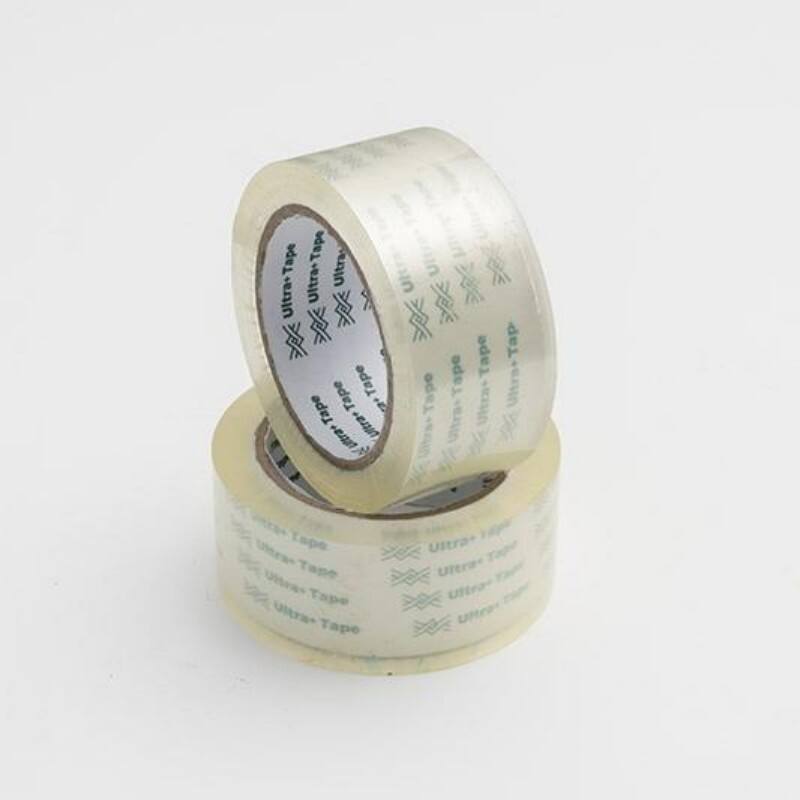
Manufacturing consistency represents a fundamental quality consideration that often receives insufficient attention during supplier evaluation, yet batch-to-batch performance variation can create significant operational problems and hidden costs in high-volume packaging operations. Quality adhesive BOPP tape manufacturers implement comprehensive statistical process control systems that continuously monitor critical process parameters throughout film extrusion, surface treatment, adhesive coating, and converting operations, using control charts and capability analysis to identify process trends before they result in out-of-specification product. Process capability indices including Cpk values above 1.33 for critical parameters such as film thickness, adhesive coat weight, and peel adhesion performance indicate robust processes with adequate margins to consistently meet specifications despite normal process variation. Buyers should inquire about suppliers' process control methodologies, request capability data for key performance parameters, and consider conducting incoming inspection programs that verify consistency across multiple production lots received over extended time periods.
Manufacturing consistency extends beyond control of individual process parameters to encompass raw material sourcing stability, equipment maintenance programs, and workforce training systems that collectively determine long-term product uniformity. Suppliers utilizing multiple raw material sources or frequently changing formulations to optimize costs may introduce performance variations that complicate application optimization and create periodic quality issues despite meeting nominal specifications. Equipment wear, particularly in coating systems and slitting operations, can introduce gradual performance degradation that may not trigger specification failures but nonetheless affects dispensing behavior and application performance. Quality manufacturers maintain detailed production records that enable traceability from finished product rolls back through all manufacturing operations to specific raw material lots, facilitating rapid root cause analysis when quality issues arise and enabling targeted corrective actions that prevent recurrence. Procurement professionals should evaluate suppliers' quality management system maturity, including ISO 9001 certification or equivalent quality standards, documented process control procedures, and records of continuous improvement initiatives that demonstrate commitment to consistent product quality beyond mere specification compliance.
Testing Frequency and Documentation Practices
The frequency and comprehensiveness of testing conducted during adhesive BOPP tape manufacturing directly correlates with product consistency and the supplier's ability to identify and correct quality deviations before defective material reaches customers. Premium manufacturers implement testing protocols that include in-process monitoring at critical control points, finished product testing on every production lot, and periodic extended testing that evaluates performance characteristics requiring longer test durations or specialized equipment. In-process testing during coating operations typically includes continuous monitoring of coat weight and periodic sampling for immediate adhesive tack assessment, enabling real-time process adjustments that maintain consistency. Finished roll testing should include measurement of key performance metrics including peel adhesion, unwind force, and physical dimensions on statistically representative samples from each production batch, with documented results that become part of the batch release certification. Extended testing programs that periodically evaluate shear resistance, aging characteristics, and environmental stress resistance provide ongoing verification that manufacturing processes continue to produce product meeting long-term performance requirements.
Documentation practices and the willingness to share test data with customers provide important indicators of supplier quality consciousness and transparency. Quality-focused adhesive BOPP tape manufacturers maintain comprehensive test records organized by production lot, making this data readily accessible for customer review and enabling rapid investigation of any quality concerns that arise during use. Certificate of Analysis documents or Certificate of Compliance statements that accompany shipments should include actual test results rather than simply certifying specification compliance, providing customers with objective performance data that enables incoming inspection decisions and trend analysis across multiple received lots. Suppliers demonstrating reluctance to share detailed test data or providing only generic specification statements may lack confidence in their process consistency or may be concealing performance variations that could impact application reliability. Procurement professionals should request access to representative test data during supplier evaluation, examine the comprehensiveness and relevance of testing programs, and establish clear expectations regarding documentation that will accompany purchased products to enable effective quality verification and traceability throughout the supply chain.
Total Cost Analysis and Long-Term Value Assessment
Beyond Unit Price to True Cost of Ownership
Comprehensive cost analysis for adhesive BOPP tape procurement must extend beyond simple unit price comparison to encompass total cost of ownership factors including yield efficiency, operational reliability, damage prevention, and customer satisfaction impacts that often dwarf differences in material cost. Tape products with superior unwind characteristics and consistent dispensing performance deliver higher effective yield by reducing waste from tape breaks, dispensing jams, and application errors that require rework. The true cost per sealed package depends not only on the tape length consumed but also on labor efficiency, equipment uptime, and the frequency of dispenser maintenance or adjustments required to maintain reliable operation. Premium adhesive BOPP tape products that enable higher line speeds, reduce operator intervention, and minimize equipment downtime often deliver lower total packaging costs despite higher per-roll pricing, particularly in high-volume operations where labor and overhead costs significantly exceed material costs.
Damage prevention value represents another critical cost component frequently underestimated in adhesive BOPP tape purchasing decisions, as packaging failures during shipment or storage create costs far exceeding the tape price differential between quality grades. Inadequate seal strength resulting from substandard adhesive performance can lead to package opening during automated handling, product contamination, inventory loss, and customer dissatisfaction requiring costly remediation efforts including expedited replacement shipments or customer credits. Quality adhesive BOPP tape that maintains secure seals across varying environmental conditions and handling severity protects product value and brand reputation, with these benefits often providing compelling return on investment even when premium products cost substantially more than economy alternatives. Buyers should conduct total cost modeling that quantifies operational efficiency impacts, damage prevention value, and customer satisfaction effects rather than focusing exclusively on material cost per roll, recognizing that packaging materials typically represent a small fraction of total product delivered cost and that failures in this area create disproportionate negative impacts.
Supplier Reliability and Partnership Value
Long-term supplier reliability and the quality of the business relationship represent intangible but critically important considerations in adhesive BOPP tape supplier selection, as packaging materials shortages or quality inconsistencies can halt production operations and create crisis situations requiring urgent and costly corrective measures. Suppliers demonstrating consistent on-time delivery, adequate inventory buffering, and proactive communication regarding potential supply disruptions provide operational stability that enables lean inventory management and reduces the need for costly safety stock maintenance. The supplier's financial stability, capacity adequacy, and investment in manufacturing capability upgrades influence their ability to maintain consistent supply and quality over multi-year relationships, making these factors important evaluation criteria particularly for strategic packaging materials supporting high-volume operations. Buyers should assess supplier production capacity relative to their requirements, inquire about capacity expansion plans and capital investment programs, and evaluate the supplier's customer base diversity to ensure adequate attention and priority during allocation situations.
Technical support capabilities and willingness to collaborate on application optimization represent additional value dimensions that distinguish premium adhesive BOPP tape suppliers from commodity vendors focused exclusively on price competition. Quality suppliers employ technical personnel with deep understanding of tape performance factors, dispensing equipment requirements, and application troubleshooting methodologies who can assist customers in optimizing tape specifications for specific applications, resolving performance issues, and implementing process improvements that enhance efficiency. Collaborative suppliers invest in understanding customer operations, conducting on-site evaluations, and recommending solutions that may include product modifications, specification adjustments, or application technique changes that improve results beyond what standard products provide. The value of this technical partnership often exceeds any material cost premium, particularly for complex applications, high-volume operations, or situations where packaging performance directly impacts product protection or brand image. Procurement strategies should evaluate supplier technical capabilities, responsiveness to quality concerns, and willingness to invest in customer-specific development as important selection criteria complementing price and basic quality metrics.
FAQ
What is the typical shelf life of adhesive BOPP tape and how does storage affect quality?
Quality adhesive BOPP tape typically maintains performance characteristics for 12 to 24 months when stored under recommended conditions of 60-80°F temperature and 40-60% relative humidity, away from direct sunlight and environmental contaminants. Storage conditions significantly affect adhesive aging, with elevated temperatures accelerating chemical changes that can reduce tack and peel adhesion, while excessive humidity may affect adhesive performance or backing properties. Buyers should implement first-in-first-out inventory rotation, purchase quantities aligned with consumption rates, and monitor storage conditions to ensure tape performance remains consistent throughout the product shelf life.
How can buyers verify that adhesive BOPP tape specifications match actual performance?
Verification requires implementing an incoming inspection program that includes periodic testing of received tape lots using standardized test methods for critical performance characteristics including peel adhesion, unwind force, and dimensional accuracy. Buyers should request samples before large purchases and conduct application trials under actual use conditions to validate dispensing performance and adhesive effectiveness on specific substrates. Establishing baseline performance metrics from initial accepted lots enables comparison of subsequent shipments to identify any quality drift, while maintaining relationships with independent testing laboratories provides resources for resolving disputes or investigating suspected quality issues through objective third-party analysis.
What are the primary differences between acrylic and rubber-based adhesive systems for BOPP tape?
Acrylic adhesive systems offer superior aging resistance, UV stability, temperature performance range, and clean removability, making them ideal for applications requiring long-term durability or exposure to environmental stresses, though typically at higher cost. Rubber-based adhesives provide excellent initial tack, superior conformability to irregular surfaces, and better low-temperature performance, offering advantages in cold storage applications or when immediate bond strength is critical, but with reduced aging performance and temperature resistance compared to acrylics. The optimal choice depends on specific application requirements including expected service conditions, substrate characteristics, required bond permanence, and cost constraints that must be balanced against performance needs.
How does film thickness affect adhesive BOPP tape performance and application suitability?
Film thickness directly influences tape tensile strength, conformability, tear resistance, and cost per unit area, with standard thicknesses ranging from 28 to 50 microns for most packaging applications. Thicker films provide greater tensile strength and puncture resistance suitable for heavy-duty packaging or rough-handling environments, while thinner films offer cost advantages and better conformability to irregular surfaces where flexibility is important. The optimal thickness selection requires balancing mechanical strength requirements against cost considerations and dispensing equipment compatibility, recognizing that thicker films may require dispenser adjustments and that excessive thickness provides no performance benefit while increasing material costs unnecessarily for lighter-duty applications.
Table of Contents
- Film Substrate Characteristics and Manufacturing Quality
- Adhesive System Formulation and Performance Characteristics
- Physical Performance Testing and Application Validation
- Manufacturing Consistency and Quality Management Systems
- Total Cost Analysis and Long-Term Value Assessment
-
FAQ
- What is the typical shelf life of adhesive BOPP tape and how does storage affect quality?
- How can buyers verify that adhesive BOPP tape specifications match actual performance?
- What are the primary differences between acrylic and rubber-based adhesive systems for BOPP tape?
- How does film thickness affect adhesive BOPP tape performance and application suitability?