
 EN



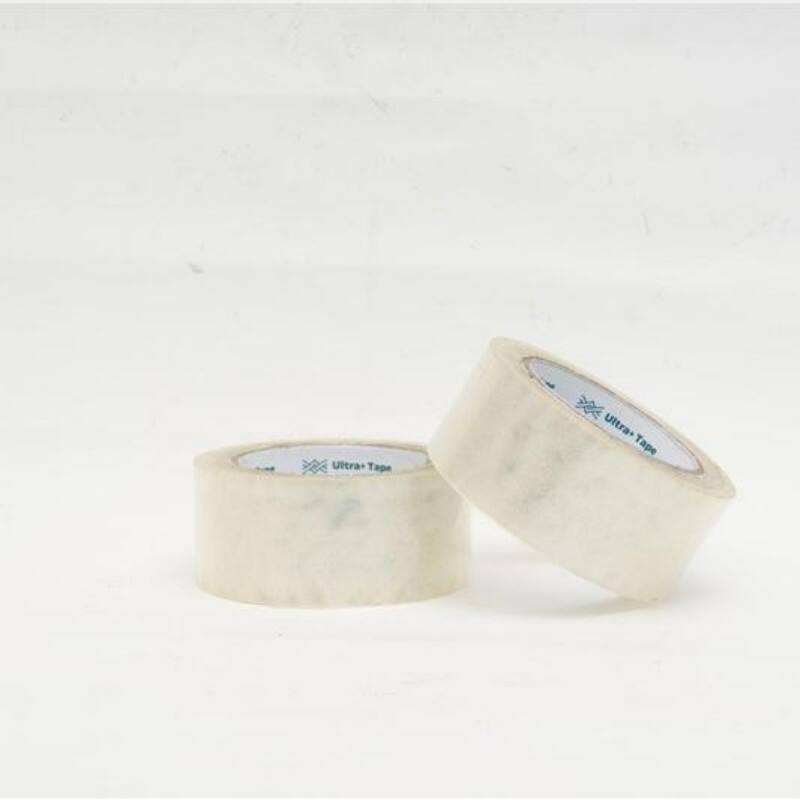
Proper application of packing tape is essential for maintaining the integrity of your shipments and protecting contents during transit. Many businesses underestimate the importance of correct taping technique, leading to damaged goods, customer dissatisfaction, and increased replacement costs. Understanding the fundamentals of secure sealing ensures that your packages arrive intact and your brand reputation remains strong.
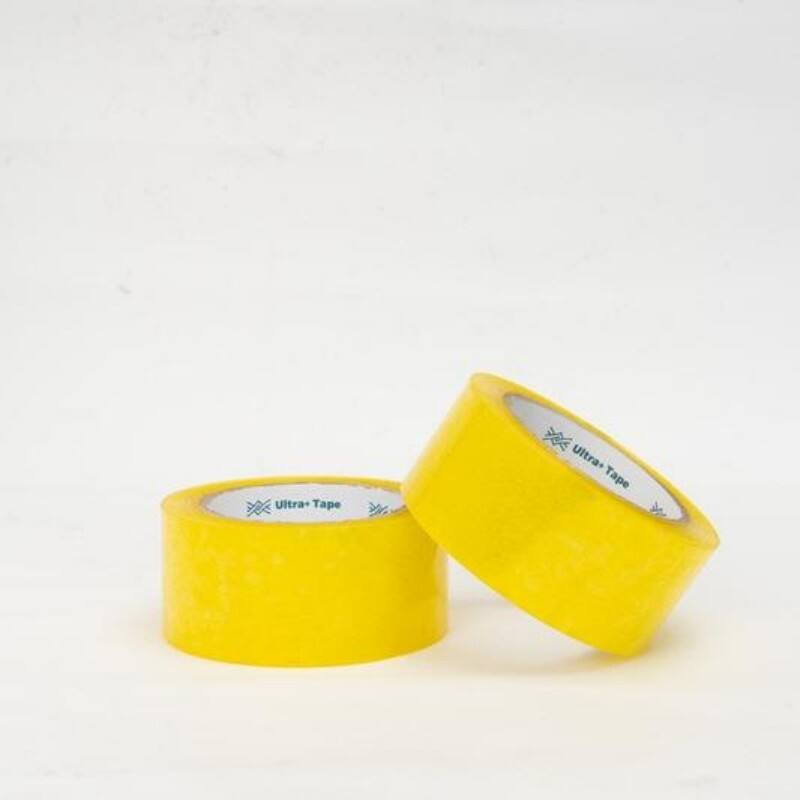
The process of applying carton sealing tape involves more than simply running adhesive across a box flap. Effective packaging adhesive application requires understanding pressure points, seam coverage, and material compatibility. This guide walks through proven methods that logistics professionals and warehouse teams use daily to achieve consistently secure seals that withstand handling, moisture, and temperature variations throughout the supply chain.
Preparing Your Materials and Workspace
Before applying box tape, ensure you have the right equipment and materials assembled. Your carton sealing tape dispenser should be in good working condition, with sharp cutting edges and smooth feed mechanisms. Inspect each box for damage, protruding contents, or rough edges that could compromise the adhesive bond or tear through the tape during handling.
Selecting the Right Tape Type
Different shipping scenarios demand different packaging adhesive formulations. Standard acrylic-based box tape works well for climate-controlled environments and standard cardboard boxes. If your shipments encounter temperature extremes, moisture, or rough handling, consider upgraded carton sealing tape with stronger adhesive properties. Clear tape allows visual inspection of contents, while reinforced tape with fiberglass strands provides additional tear resistance. Understanding your shipment environment guides tape selection and ensures your packaging adhesive performs reliably throughout transit.
Preparing the Box Surface
Clean, dry box surfaces ensure maximum adhesion of your packing tape. Remove dust, dirt, or residual adhesive from previous storage that could create a barrier between the tape and cardboard. If boxes have been stored in humid conditions, allow them to air dry briefly before sealing. A prepared surface maximizes contact between your packaging adhesive and the carton, creating stronger seals that resist peeling during rough handling or temperature fluctuations.
Step-by-Step Application Technique
Successful packing tape application follows a systematic process that professionals have refined through years of high-volume shipping. The technique balances speed with precision, ensuring consistent results across hundreds or thousands of boxes daily. Mastering these steps reduces waste, minimizes resealing, and creates professional-looking packages that reflect well on your operation.
Sealing the Primary Seam
The center seam where two box flaps meet is the critical seal point. Position your carton sealing tape dispenser so the tape feeds directly down the center line of the box. Apply steady, even pressure as you pull the tape across the seam, allowing approximately two to three inches of tape to extend beyond each end of the box. This overlap prevents the tape from peeling away during handling. Run your hand or a small roller along the tape immediately after application to activate the packaging adhesive and ensure full contact with the cardboard surface.
Reinforcing with Secondary Seals
Professional shipping standards recommend a second layer of box tape along the same center seam for enhanced security. Apply this second strip parallel to your first application, slightly overlapping or positioned directly adjacent to create a dual-seal barrier. This reinforcement is especially important for heavier packages, long-distance shipments, or boxes destined for rough handling environments. The additional carton sealing tape layer dramatically increases resistance to accidental opening and provides failsafe protection if the first seal becomes compromised.
Sealing Side Seams
Many professionals also seal the side edges where the box flaps meet the side walls. Run packing tape vertically along these points, starting from the bottom and moving upward. This practice prevents the flaps from lifting during transit and adds structural stability to the overall package. While optional for lighter loads, side seam sealing with quality packaging adhesive transforms a basic seal into a professional, tamper-resistant closure that inspires customer confidence upon arrival.
Advanced Techniques and Best Practices
Industry leaders employ additional strategies to optimize their carton sealing tape application and achieve maximum security with minimal material waste. These techniques, developed through operational experience and quality testing, help warehouses maintain high standards while managing costs and efficiency metrics.
Pressure Application and Activation
The pressure you apply immediately after laying down your box tape significantly impacts adhesion strength. Gentle rolling or hand pressure along the entire tape length activates the packaging adhesive and removes air pockets that could create weak points. A hand roller tool, commonly used in professional shipping operations, provides consistent pressure without requiring excessive manual effort. Pressure application takes just seconds but dramatically improves bond strength and reduces the likelihood of tape peeling during storage or transit.
Tape Length and Overlap Management
Experienced teams optimize tape length to balance security with material cost. Tape should extend at least two to three inches beyond the box edge on each end, providing sufficient grip for the carton sealing tape adhesive to bond with the cardboard flaps. Excessive overlap wastes material without significantly improving security, while insufficient overlap risks peeling. Finding this balance ensures your packing tape application delivers reliable security at optimal cost per unit.
Environmental Considerations
Temperature and humidity affect how packaging adhesive performs during and after application. Cold environments slow adhesive activation, requiring more pressure or longer drying time before moving sealed boxes. High humidity can interfere with adhesive bonding if boxes are too moist. Conversely, very dry conditions may cause the tape itself to become brittle. Adjusting your application technique based on ambient conditions ensures consistent results regardless of warehouse environment or seasonal variations in storage conditions.
Common Mistakes and How to Avoid Them
Even experienced teams occasionally make errors that compromise seal quality or waste material. Understanding common pitfalls helps you troubleshoot your carton sealing tape application and maintain consistently high standards. Regular training and process audits catch these issues before they cause shipping problems or damage customer relationships.
Rushing through tape application without proper pressure reduces adhesive activation and creates weak seals prone to peeling. Applying packing tape at severe angles instead of straight across the seam reduces coverage and creates vulnerable points. Using old or low-quality box tape with degraded adhesive properties undermines even the best application technique. Neglecting to seal side seams leaves structural weak points where flaps can lift under stress. Storing sealed boxes in extreme temperatures or high humidity before shipment can compromise the packaging adhesive bond. Address each of these issues through intentional process design, equipment maintenance, and staff training.
FAQ
How much packing tape should I use per box?
Use at least one full-width strip of carton sealing tape down the center seam, extended two to three inches beyond each end. A second reinforcing strip along the same seam adds significant security for standard shipments. Additional strips on side seams provide professional-grade sealing for high-value or long-distance shipments. Total tape usage typically ranges from two to four feet per box depending on size and shipping environment.
What temperature conditions affect packing tape performance?
Packaging adhesive activates most effectively at temperatures between 60°F and 80°F. Below 60°F, adhesive cures more slowly and requires extended pressure or drying time. Above 80°F, moisture in the air can reduce adhesive bonding effectiveness. Extreme temperatures during transit generally do not compromise already-cured seals, but application in temperature extremes requires adjustment to your technique and pressure application methods.
Can I reuse or patch old box tape applications?
Reusing carton sealing tape from previously opened boxes is not recommended because the adhesive loses effectiveness after initial application. If a packing tape seal is partially damaged or compromised, reinforce it with a fresh strip of box tape rather than attempting to reattach the original tape. Professional standards emphasize prevention through proper application rather than repair of damaged seals during shipment.