Versatile Application Across Multiple Industries and Materials
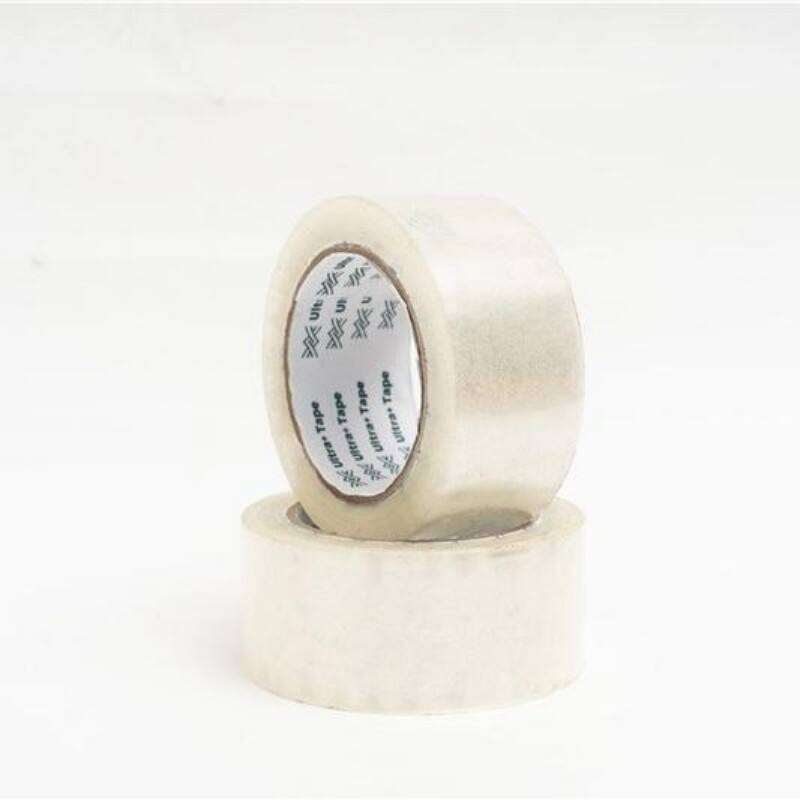
High clear acrylic tape demonstrates remarkable versatility that makes it indispensable across diverse industries and application scenarios. This adaptability stems from the tape's ability to bond effectively to an extensive range of substrate materials including glass, acrylic, polycarbonate, metal, painted surfaces, paper, cardboard, and many plastics. The broad substrate compatibility eliminates the need to maintain inventory of multiple specialized tapes, simplifying procurement and reducing storage requirements. In the graphics and signage industry, professionals use high clear acrylic tape to mount transparent overlays, protective films, and decorative elements without visible fasteners that would compromise design aesthetics. The tape's conformability allows it to follow curved surfaces and wrap around edges, enabling creative installations that would be impossible with rigid mechanical fasteners. Packaging applications benefit from the tape's ability to create tamper-evident seals on clear containers while maintaining product visibility that drives consumer purchasing decisions. Electronics manufacturers rely on high clear acrylic tape for component assembly, display bonding, and protective film attachment in devices where appearance and reliability are equally critical. The tape's thin profile prevents interference with tight tolerances in compact electronic assemblies while providing secure attachment that withstands handling and environmental exposure. Construction and architectural applications include glazing panel assembly, protective film installation, and temporary surface protection during finishing operations. The tape's weather resistance makes it suitable for exterior applications where exposure to rain, sun, and temperature variations would quickly degrade lesser adhesives. Medical device manufacturing utilizes high clear acrylic tape for assembling transparent components in diagnostic equipment and patient monitoring devices, where clarity and biocompatibility are essential. Automotive applications range from trim attachment to protective film installation, taking advantage of the tape's ability to withstand vibration, temperature extremes, and chemical exposure from fuels and cleaning products. Hobbyists and craft enthusiasts appreciate the tape's ease of use and professional results in projects involving model building, scrapbooking, and decorative applications. The tape's availability in various widths and roll lengths accommodates both high-volume industrial users and small-scale applications, ensuring that every user can find a format suited to their specific needs.

 EN
EN