
 EN
EN



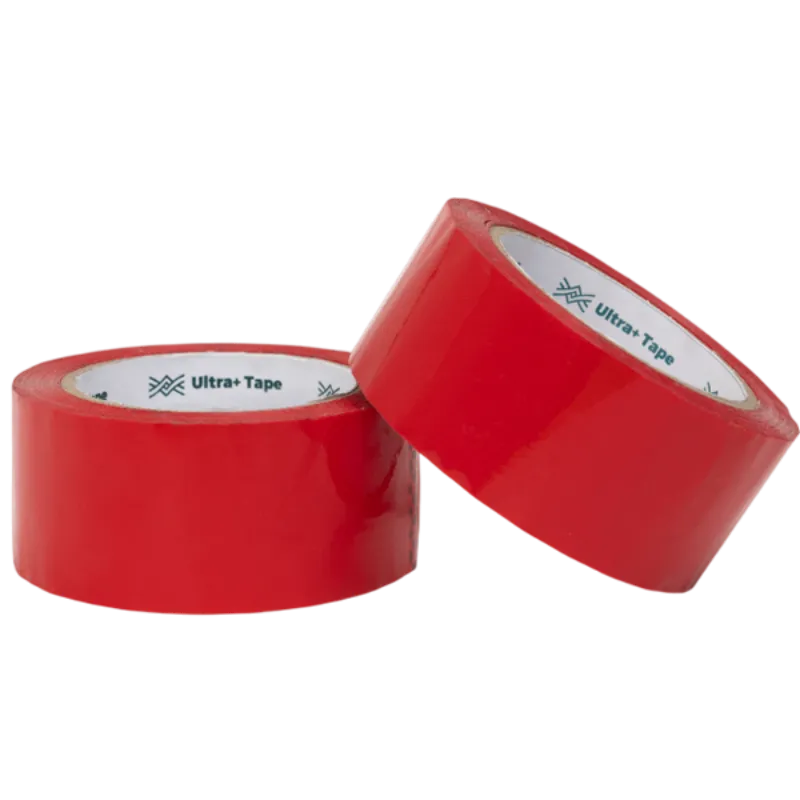
In an era where environmental accountability drives purchasing decisions and regulatory compliance, the packaging industry faces mounting pressure to adopt sustainable alternatives without compromising performance or operational efficiency. ISCC tape represents a significant innovation in this transition, offering a certified solution that aligns adhesive tape manufacturing with circular economy principles. This article explores what ISCC tape is, how it differs from conventional packaging tape, and why it has become a critical component for businesses committed to verifiable sustainability in their supply chains.
Understanding ISCC tape requires familiarity with the International Sustainability and Carbon Certification system, a globally recognized framework that verifies the traceability and sustainability attributes of products throughout complex supply chains. Unlike marketing claims or self-declared environmental benefits, ISCC certification provides third-party verification that materials used in tape production come from renewable, recycled, or verifiably sustainable sources. This certification matters because it transforms abstract sustainability goals into measurable, auditable outcomes that satisfy corporate responsibility mandates, customer expectations, and increasingly stringent environmental regulations across multiple jurisdictions.
Understanding ISCC Certification and Its Application to Adhesive Tape
The Foundation of ISCC Certification Standards
The International Sustainability and Carbon Certification system was established to create transparent, verifiable pathways for sustainable materials across global supply chains. For adhesive tape manufacturers, ISCC certification validates that raw materials, including polymers used in film backing and adhesive formulations, originate from sustainable sources such as bio-based feedstocks, chemically recycled content, or responsibly managed renewable materials. The certification employs a mass balance approach, which allows manufacturers to mix certified sustainable materials with conventional materials while maintaining accurate accounting of the sustainable content throughout production processes.
This mass balance methodology proves particularly valuable in adhesive tape manufacturing because it enables gradual transition toward sustainability without requiring complete supply chain overhauls or separate production lines. When a tape product carries ISCC certification, it means the manufacturer has demonstrated to independent auditors that specific quantities of sustainable input materials were used in production, even if those materials were processed alongside conventional materials. This approach makes iscc tape economically viable while delivering genuine environmental benefits that can be traced and verified through the entire value chain.
How ISCC Tape Differs From Conventional Packaging Tape
The primary distinction between iscc tape and traditional packaging tape lies not necessarily in immediate physical performance characteristics but in the verifiable sustainability of source materials and production processes. Conventional packaging tape typically relies on virgin petroleum-derived polymers for both the backing film and adhesive components. In contrast, ISCC certified tape incorporates materials from renewable biological sources, advanced recycling technologies that break down plastic waste to molecular building blocks, or other verified sustainable feedstocks that reduce dependence on fossil resources and minimize carbon footprints.
From a functional perspective, properly manufactured iscc tape maintains the same adhesion strength, tensile properties, temperature resistance, and application characteristics as conventional alternatives. This performance parity is essential because sustainable packaging solutions must meet the same operational demands as traditional materials, including reliable carton sealing, compatibility with automated dispensing equipment, and consistent performance across varying storage and transportation conditions. The certification focuses on material origin and production transparency rather than compromising the technical specifications that make adhesive tape effective for demanding industrial and commercial applications.
Traceability and Documentation Requirements
A critical component that distinguishes iscc tape from products with general environmental claims involves rigorous documentation and traceability requirements. Manufacturers must maintain detailed records tracking sustainable material flows from certified suppliers through production processes to finished goods. This documentation undergoes regular third-party audits to verify accuracy and prevent greenwashing, where environmental claims lack substantiation. For procurement professionals, this traceability provides confidence that sustainability investments deliver measurable impact rather than merely supporting unverifiable marketing narratives.
The documentation associated with iscc tape typically includes certificates of compliance, material flow records, and carbon footprint calculations that quantify greenhouse gas emission reductions compared to conventional production. These documents prove invaluable when companies must report sustainability metrics to stakeholders, comply with environmental regulations, or respond to customer requirements for supply chain transparency. The standardized nature of ISCC certification also simplifies comparisons between suppliers and enables consistent sustainability reporting across diverse product categories and geographic markets.
The Environmental and Business Case for ISCC Tape
Reducing Carbon Footprint and Fossil Resource Dependency
The environmental significance of iscc tape stems primarily from its role in reducing greenhouse gas emissions and decreasing reliance on finite fossil resources. Traditional packaging tape production contributes to carbon emissions through petroleum extraction, refining processes, polymer synthesis, and manufacturing operations. By incorporating bio-based materials derived from renewable feedstocks or chemically recycled content from plastic waste, iscc tape substantially reduces the carbon intensity of packaging operations. Life cycle assessments typically show emission reductions ranging from twenty to eighty percent compared to conventional tape, depending on the specific material composition and production methods employed.
Beyond carbon reduction, iscc tape supports circular economy principles by creating demand for recycled materials and renewable resources. This demand incentivizes investment in recycling infrastructure and bio-based material production, gradually shifting the broader packaging industry away from linear take-make-dispose models toward regenerative systems. For businesses with science-based carbon reduction targets or commitments to fossil fuel phase-out, incorporating iscc tape into packaging specifications represents a practical, implementable step that delivers measurable progress without disrupting existing operations or requiring extensive supplier transitions.
Meeting Corporate Sustainability Commitments and Regulatory Requirements
As corporate sustainability reporting becomes mandatory in many jurisdictions and stakeholder scrutiny intensifies, iscc tape provides documented evidence of environmental performance improvements. Companies increasingly face requirements to disclose Scope 3 emissions, which encompass the entire value chain including packaging materials. Using certified sustainable alternatives like iscc tape enables accurate accounting of emission reductions and demonstrates proactive management of indirect environmental impacts. This documentation proves particularly valuable during sustainability audits, investor due diligence, and customer qualification processes where unsubstantiated claims face increasing skepticism.
Regulatory drivers further amplify the importance of certified sustainable packaging materials. European Union directives on single-use plastics, extended producer responsibility schemes, and recycled content mandates create compliance requirements that favor materials with verified sustainability credentials. While regulations vary by region, the trend toward stricter environmental standards appears consistent globally. Adopting iscc tape positions companies ahead of regulatory curves, reducing compliance risks and avoiding costly last-minute supply chain adjustments when new requirements take effect. The certification also simplifies compliance documentation, as third-party verification reduces the burden of proving sustainability claims to regulatory authorities.
Enhancing Brand Value and Customer Relationships
Consumer and business customer preferences increasingly favor brands demonstrating authentic environmental commitment. Using iscc tape allows companies to communicate credible sustainability practices through packaging itself, transforming a functional component into a brand value differentiator. Unlike vague environmental claims that risk accusations of greenwashing, ISCC certification provides independent verification that strengthens brand credibility. This authenticity matters particularly for premium brands, environmentally conscious market segments, and business-to-business relationships where procurement decisions incorporate sustainability criteria alongside price and performance considerations.
The transparency inherent in iscc tape certification also builds trust with stakeholders who demand accountability for environmental claims. When companies can point to third-party verified sustainable materials rather than relying on internal assessments or marketing language, they establish stronger foundations for customer loyalty and partnership relationships. This trust translates into competitive advantages in tenders where sustainability scores influence contract awards, retail partnerships that prioritize suppliers with robust environmental programs, and direct-to-consumer markets where packaging sustainability influences purchasing decisions and brand perception.
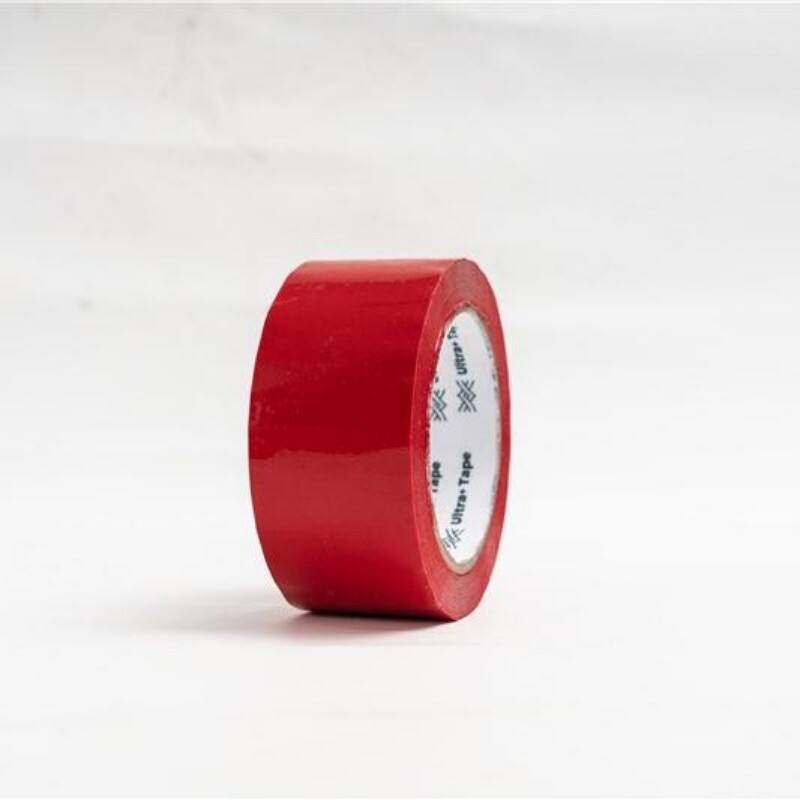
Technical Considerations and Performance Characteristics
Material Composition and Source Verification
The technical foundation of iscc tape rests on verified sustainable materials that replace conventional petroleum-derived components. Bio-based polymers sourced from agricultural feedstocks such as sugarcane, corn starch, or cellulose provide renewable alternatives for film backing, while recycled content from post-consumer or post-industrial plastic waste reduces virgin material requirements. Advanced chemical recycling technologies that break plastics down to molecular building blocks enable production of high-quality polymers with properties matching virgin materials, making them suitable for demanding adhesive tape applications where performance cannot be compromised.
Source verification distinguishes genuine iscc tape from products with unsubstantiated environmental claims. ISCC certification requires documentation proving that bio-based feedstocks come from sustainably managed sources that do not contribute to deforestation, compete with food production, or cause other environmental or social harms. For recycled content, verification confirms that materials truly derive from waste streams rather than virgin resources misrepresented as recycled. This rigorous verification process ensures that choosing iscc tape delivers actual environmental benefits rather than merely shifting problems to different stages of the supply chain or enabling fraudulent sustainability claims.
Adhesion Performance and Application Compatibility
A common concern when evaluating iscc tape involves whether sustainable materials compromise the adhesion strength, cohesion, and overall performance that make packaging tape effective. Properly formulated iscc tape maintains comparable or equivalent performance to conventional alternatives across critical parameters including initial tack, peel adhesion, tensile strength, elongation characteristics, and temperature resistance. These performance attributes depend more on adhesive chemistry, film properties, and manufacturing precision than on whether base polymers derive from sustainable or conventional sources, provided that sustainable materials meet appropriate specifications.
Application compatibility represents another important consideration, particularly for operations using automated tape dispensing equipment. High-quality iscc tape functions seamlessly with standard tape guns, case sealers, and packaging lines without requiring equipment modifications or operational adjustments. The tape should unwind smoothly, adhere reliably to corrugated cartons and various packaging surfaces, and maintain seal integrity throughout storage and transportation. Performance testing under relevant conditions, including temperature fluctuations, humidity exposure, and mechanical stress, confirms that iscc tape meets application requirements before full-scale implementation, ensuring that sustainability improvements do not compromise packaging effectiveness or operational efficiency.
Cost Considerations and Economic Viability
The economic aspect of iscc tape adoption involves evaluating price premiums against value delivered through sustainability credentials, risk mitigation, and potential operational benefits. Sustainable materials and certification processes typically involve additional costs compared to conventional tape production, resulting in moderate price premiums that vary depending on material composition, production volumes, and market dynamics. However, these premiums must be assessed within broader contexts including regulatory compliance costs avoided, brand value enhancement, customer relationship strengthening, and alignment with corporate sustainability commitments that increasingly influence business success.
Many organizations find that the total cost of ownership for iscc tape proves more favorable than initial price comparisons suggest. Avoided costs from regulatory penalties, simplified compliance reporting, enhanced customer retention, and improved market positioning offset material price differences. Additionally, as sustainable material production scales and technologies mature, price gaps between iscc tape and conventional alternatives continue narrowing. Companies viewing sustainability as strategic investment rather than discretionary cost often find that early adoption of certified materials like iscc tape positions them advantageously as markets, regulations, and customer expectations continue evolving toward mandatory sustainability standards.
Implementation Strategies and Supply Chain Integration
Supplier Evaluation and Qualification Process
Successfully integrating iscc tape into packaging operations begins with thorough supplier evaluation focused on certification authenticity, production capabilities, and reliable supply. Procurement teams should verify that suppliers hold current ISCC certification from recognized auditing bodies and maintain robust quality management systems ensuring consistent product performance. Requesting certification documentation, material safety data sheets, and performance test results enables informed comparisons between potential suppliers and confirms that products meet both sustainability and functional requirements before committing to supply agreements.
Supplier qualification should also assess capacity for meeting volume requirements, lead times, and service support. The relatively newer market for iscc tape means supply chains may be less developed than those for conventional products, making supplier reliability particularly important. Engaging with manufacturers who demonstrate commitment to sustainable product development, maintain adequate inventory levels, and provide technical support for application optimization reduces implementation risks and ensures smooth transitions from conventional to certified sustainable packaging tape without disrupting operations or compromising packaging effectiveness.
Pilot Testing and Performance Validation
Before full-scale deployment, conducting pilot testing validates that selected iscc tape performs reliably under actual operating conditions. Pilot programs should evaluate tape performance across representative packaging scenarios, including various carton sizes, content weights, storage environments, and transportation conditions. Testing should specifically assess whether sustainable tape maintains seal integrity, functions properly with existing dispensing equipment, and meets quality standards throughout the distribution cycle from packaging through final delivery.
Performance validation extends beyond laboratory testing to include feedback from packaging personnel, distribution center observations, and customer delivery experiences. This comprehensive evaluation identifies any adjustments needed in application techniques, storage conditions, or equipment settings before broader implementation. Successful pilots also generate internal champions who can advocate for iscc tape adoption based on demonstrated performance, building organizational confidence that sustainability improvements do not compromise operational effectiveness or increase packaging failure rates that could damage products or harm customer relationships.
Communication and Stakeholder Engagement
Maximizing value from iscc tape adoption requires effective communication with internal stakeholders, customers, and external audiences about sustainability improvements. Internal communication should educate packaging personnel, logistics teams, and procurement staff about what makes iscc tape different, why the organization chose certified sustainable alternatives, and how proper application ensures both environmental benefits and packaging performance. This education builds understanding and buy-in that supports successful implementation and continuous improvement.
External communication leverages iscc tape adoption to strengthen brand positioning and customer relationships. Companies can highlight certified sustainable packaging materials in sustainability reports, customer communications, and marketing materials, using ISCC certification as credible evidence of environmental commitment. This communication should focus on specific, verifiable improvements rather than vague environmental claims, emphasizing the third-party verification that distinguishes genuine sustainability progress from greenwashing. When customers understand that packaging incorporates certified sustainable materials like iscc tape, it reinforces brand values and demonstrates accountability for environmental impacts throughout the value chain.
FAQ
Does ISCC tape cost significantly more than conventional packaging tape?
ISCC tape typically carries a moderate price premium compared to conventional alternatives, generally ranging from ten to thirty percent depending on material composition, order volumes, and market conditions. However, this premium should be evaluated against broader value including regulatory compliance, brand enhancement, customer requirements, and alignment with corporate sustainability goals. As sustainable material production scales and becomes more established, price differences continue narrowing, and many organizations find that total cost of ownership, including risk mitigation and strategic benefits, justifies the investment in certified sustainable packaging materials.
Can ISCC tape be recycled through standard packaging waste streams?
The recyclability of iscc tape depends on its specific material composition rather than its ISCC certification status. Tape made from polypropylene or other commonly recycled polymers can typically be processed through existing recycling streams, though adhesive residue may complicate recycling in some systems. Bio-based and chemically recycled materials used in iscc tape often exhibit similar recycling characteristics to conventional polymers. Companies should consult with waste management providers about local recycling capabilities and consider tape composition as one factor in material selection alongside sustainability certification, performance requirements, and overall environmental impact across the product lifecycle.
How does ISCC certification compare to other sustainability standards for packaging materials?
ISCC certification focuses specifically on traceability and verification of sustainable material sources throughout supply chains using a mass balance approach. This differs from other standards that may emphasize different aspects such as compostability, specific recycled content percentages, or broader lifecycle environmental assessments. ISCC's strength lies in its rigorous third-party verification of material origin and chain of custody, making it particularly valuable for documenting supply chain sustainability and preventing greenwashing. Companies may choose ISCC certified materials like iscc tape when traceability, carbon footprint reduction, and verified sustainable sourcing are priority objectives, while other certifications may better address different environmental goals such as end-of-life biodegradability or circular design principles.
What documentation should companies maintain when using ISCC tape for sustainability reporting?
Companies using iscc tape should retain supplier certificates of ISCC compliance, purchase records documenting quantities of certified material procured, and any carbon footprint or lifecycle assessment data provided by manufacturers. This documentation supports sustainability reporting, regulatory compliance, and customer inquiries about supply chain environmental performance. Many organizations integrate this information into environmental management systems or sustainability databases that track progress toward carbon reduction targets and circular economy goals. Maintaining organized records of certified sustainable material purchases, including iscc tape and other verified products, simplifies annual reporting processes and provides evidence during audits or stakeholder due diligence while demonstrating accountability for environmental commitments throughout the organization's value chain.
Table of Contents
- Understanding ISCC Certification and Its Application to Adhesive Tape
- The Environmental and Business Case for ISCC Tape
- Technical Considerations and Performance Characteristics
- Implementation Strategies and Supply Chain Integration
-
FAQ
- Does ISCC tape cost significantly more than conventional packaging tape?
- Can ISCC tape be recycled through standard packaging waste streams?
- How does ISCC certification compare to other sustainability standards for packaging materials?
- What documentation should companies maintain when using ISCC tape for sustainability reporting?