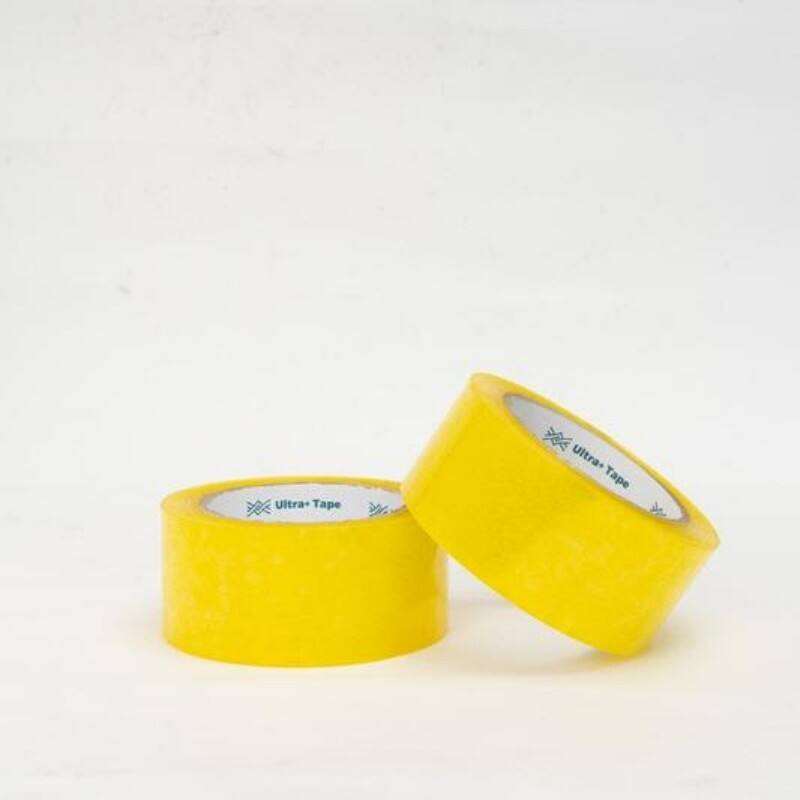
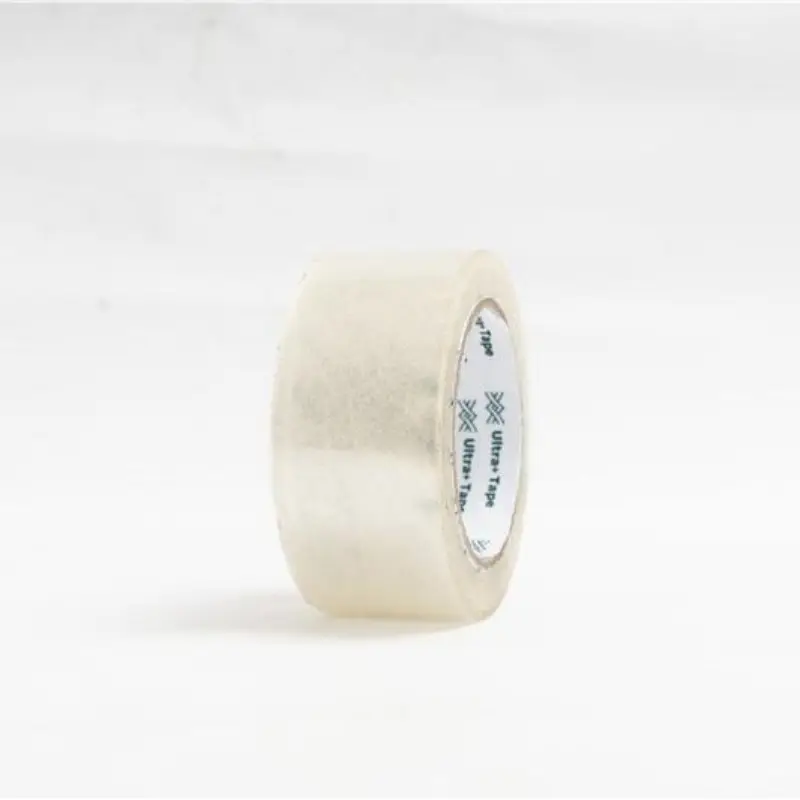
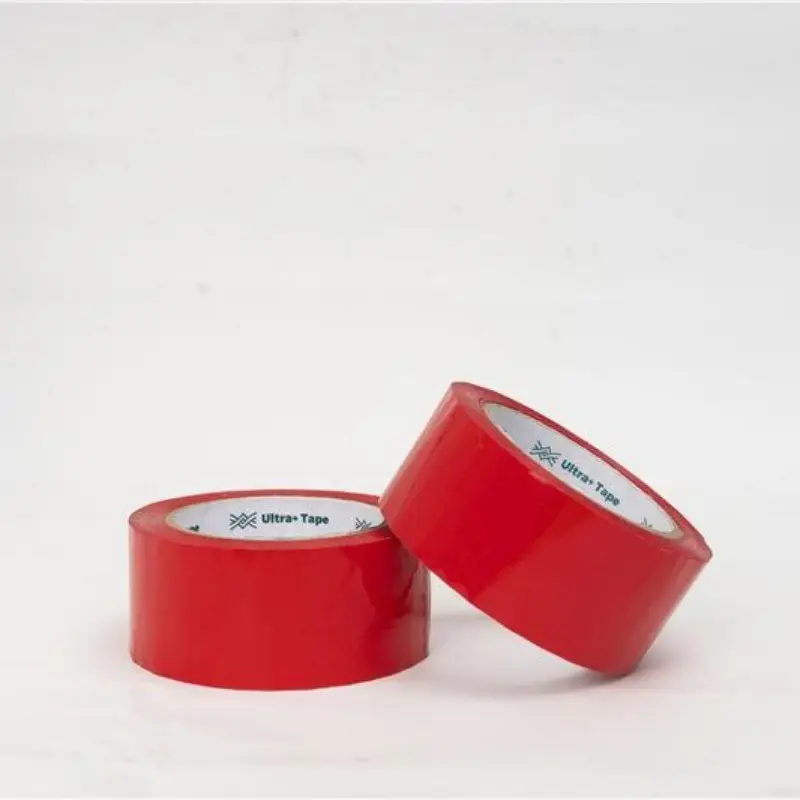
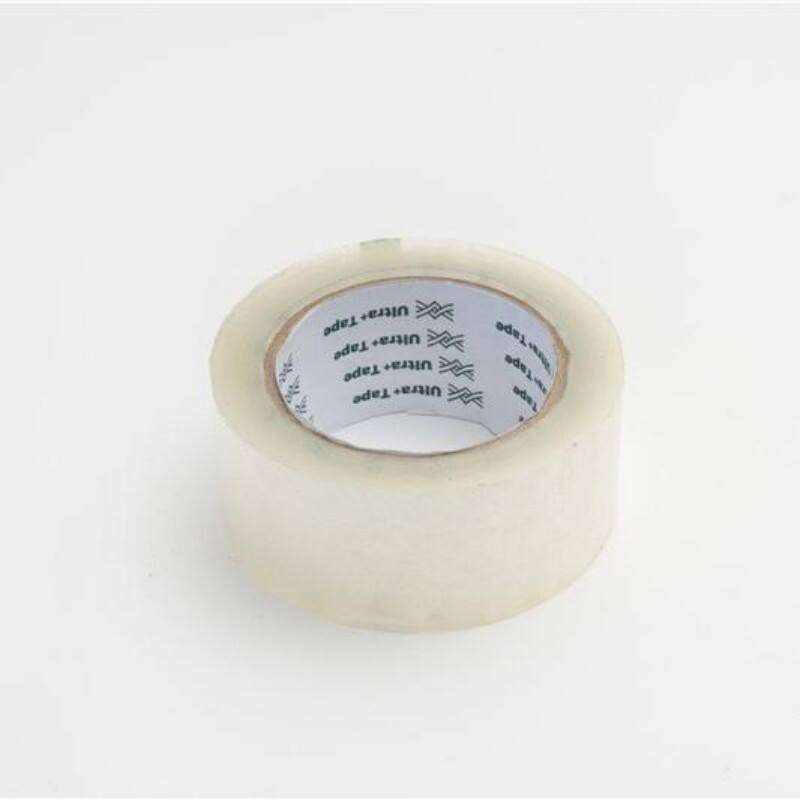
water based acrylic tape
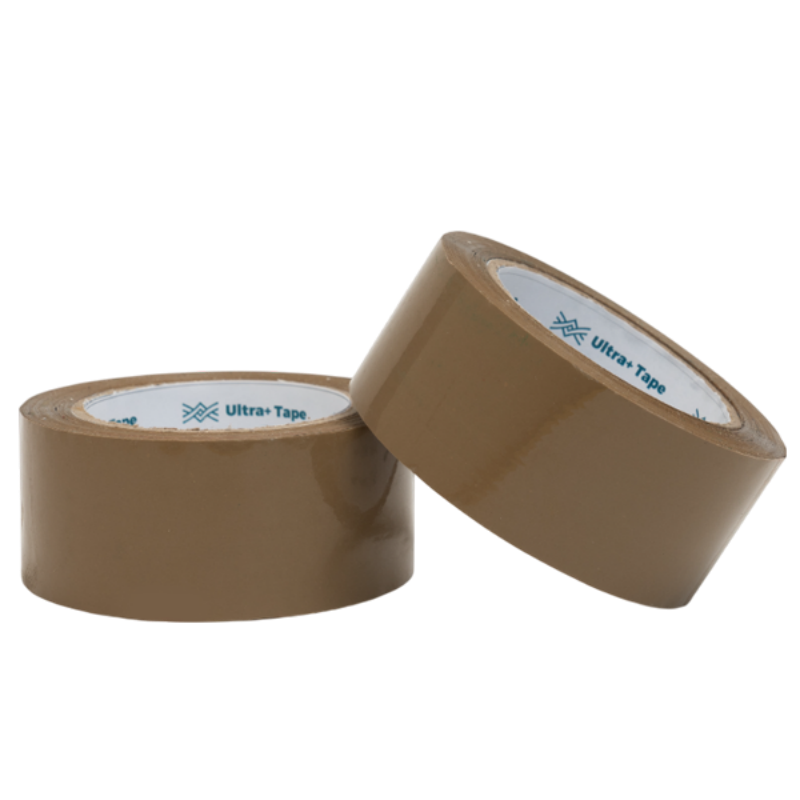
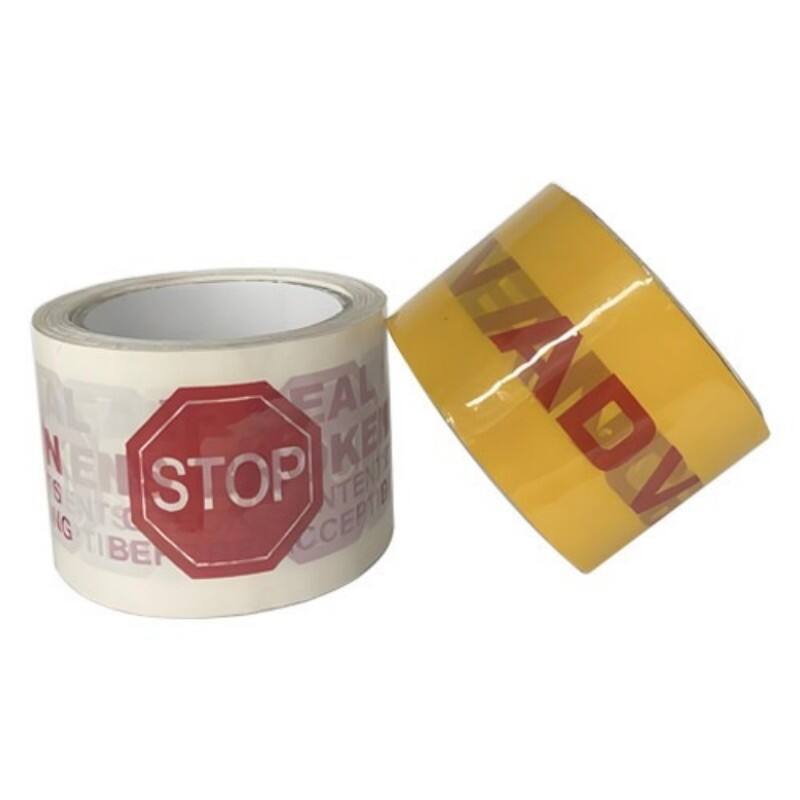
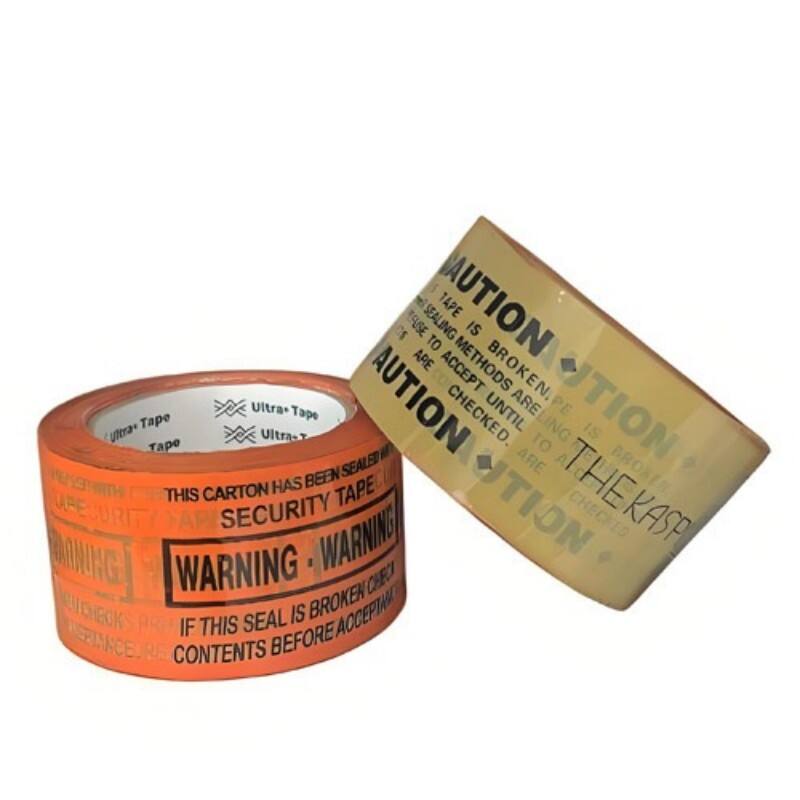
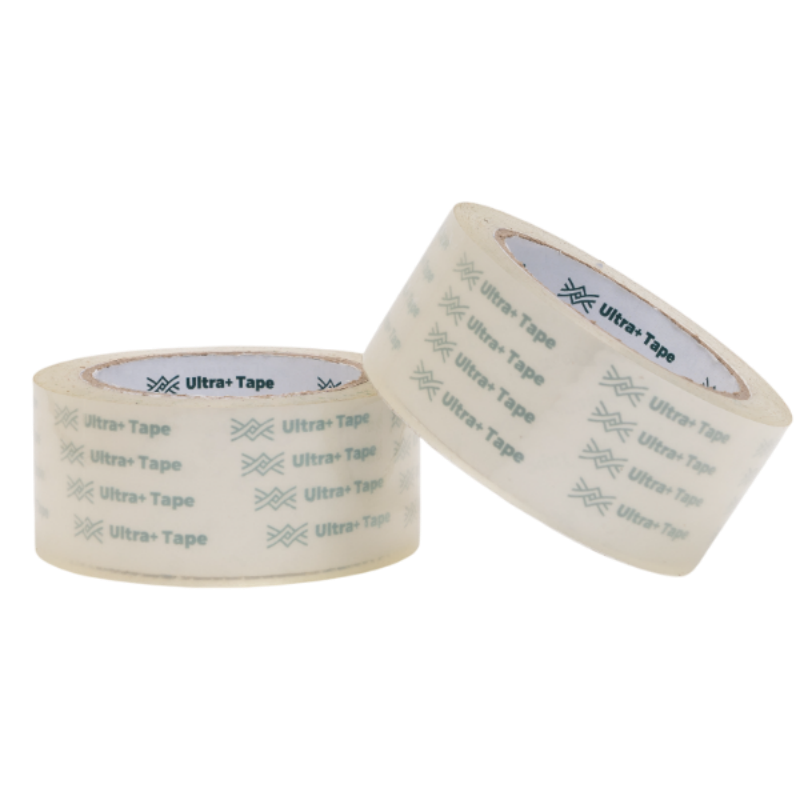
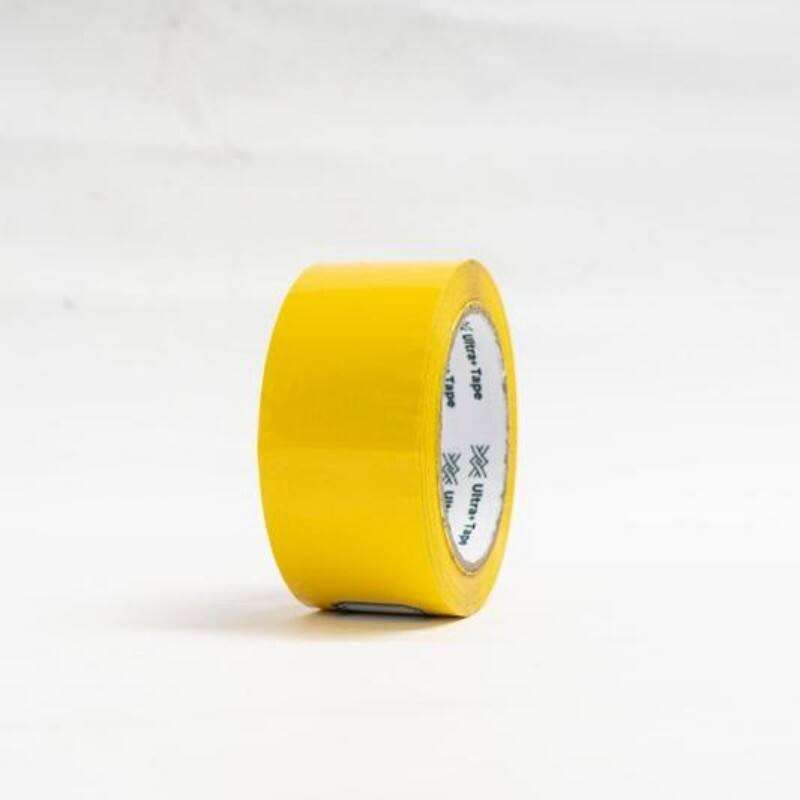
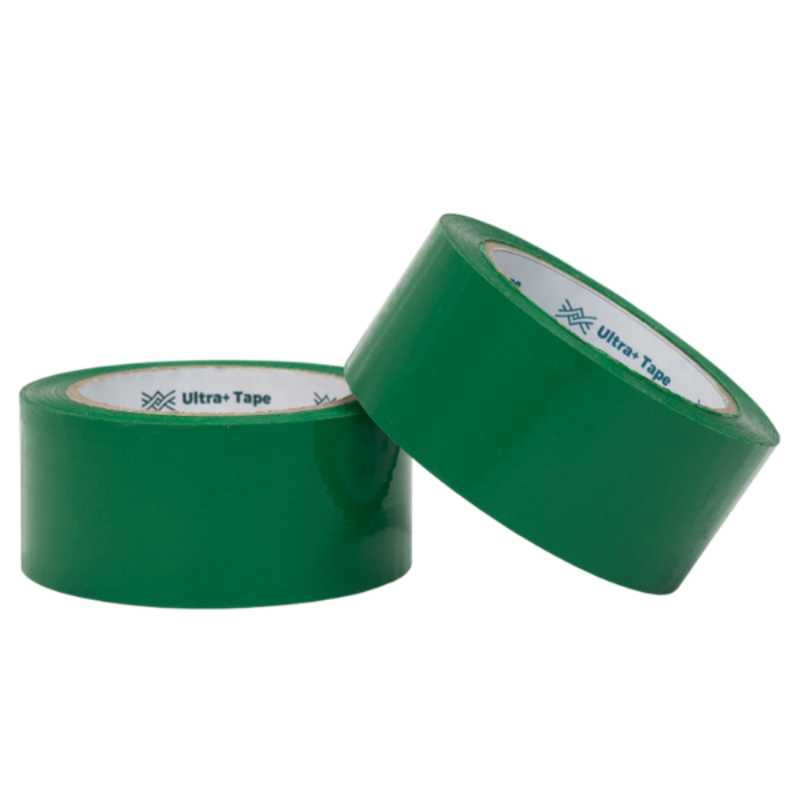
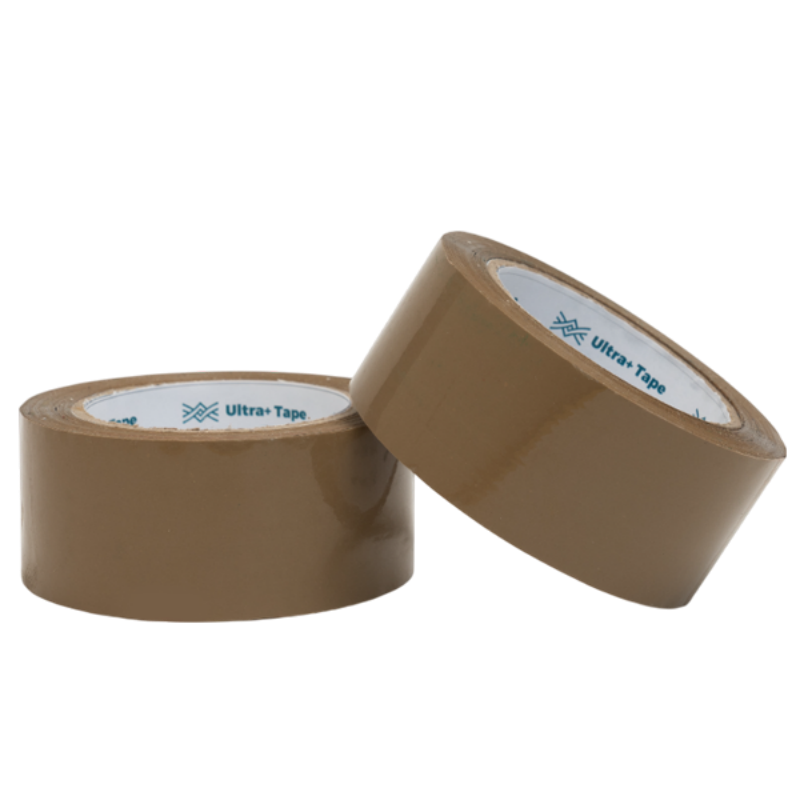
Water based acrylic tape represents a significant advancement in adhesive technology, offering an environmentally responsible solution for packaging, sealing, and bonding applications across multiple industries. This innovative tape utilizes a water-based acrylic adhesive system that eliminates the need for harsh solvents, making it a safer choice for both users and the environment. The tape consists of a backing material, typically polypropylene or paper, coated with a specially formulated acrylic adhesive that disperses in water during manufacturing. Once applied and dried, water based acrylic tape creates a powerful bond that rivals traditional solvent-based alternatives. The main functions of this tape include securing cartons and boxes, bundling products, reinforcing packaging materials, and providing tamper-evident seals for shipments. Its technological features encompass excellent adhesion to various surfaces including cardboard, paper, plastic, and metal, superior aging resistance that prevents yellowing or degradation over time, and consistent performance across different temperature ranges. The tape maintains its integrity in both cold storage environments and moderately warm conditions, making it versatile for diverse storage and shipping scenarios. Manufacturing facilities appreciate water based acrylic tape for its clean application process, which reduces residue and simplifies equipment maintenance. The adhesive formulation provides immediate tack upon application while developing full bond strength within hours, ensuring packages remain secure throughout the distribution chain. Applications span e-commerce fulfillment centers, manufacturing plants, retail operations, food and beverage packaging, pharmaceutical distribution, and logistics companies. The tape proves particularly valuable in automated packaging lines where consistent performance and machine compatibility are essential. Its transparent varieties allow barcodes and shipping labels to remain visible, while colored options enable color-coding systems for inventory management. Water based acrylic tape meets stringent regulatory requirements for food contact and indoor air quality, making it suitable for sensitive applications where chemical emissions must be minimized.

 EN
EN