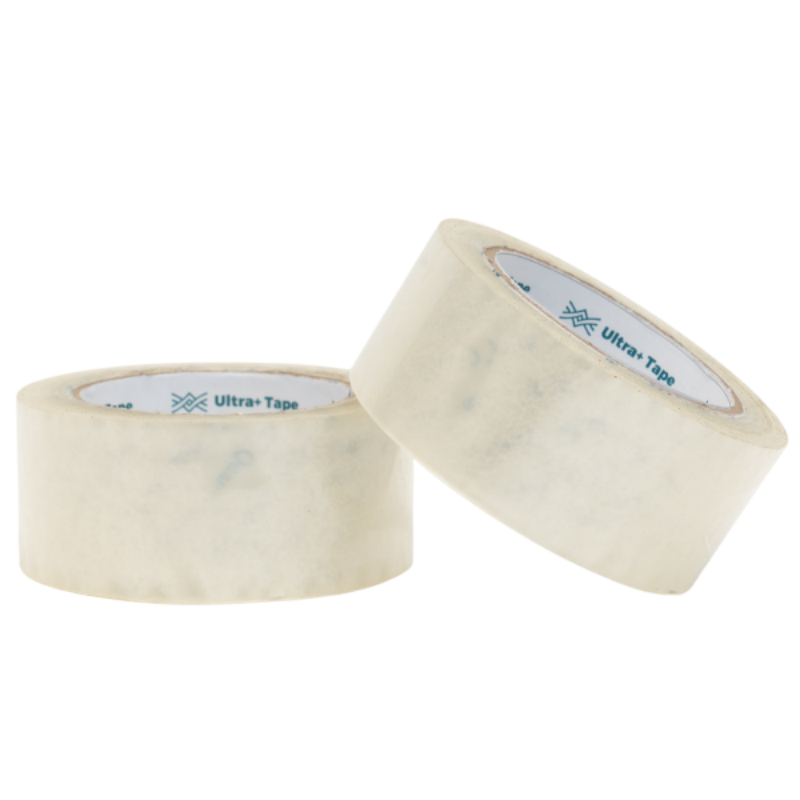
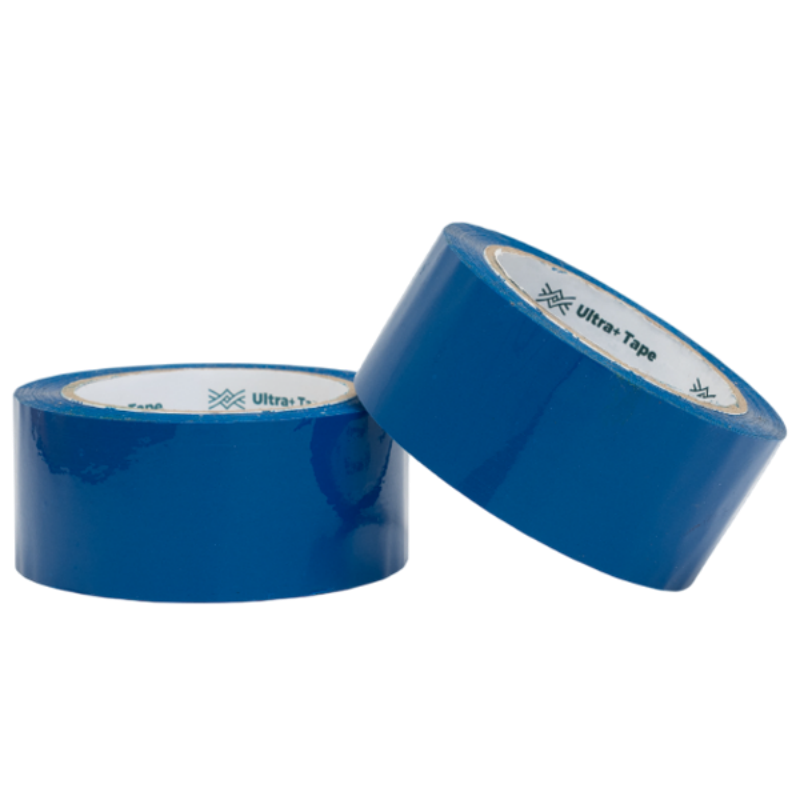
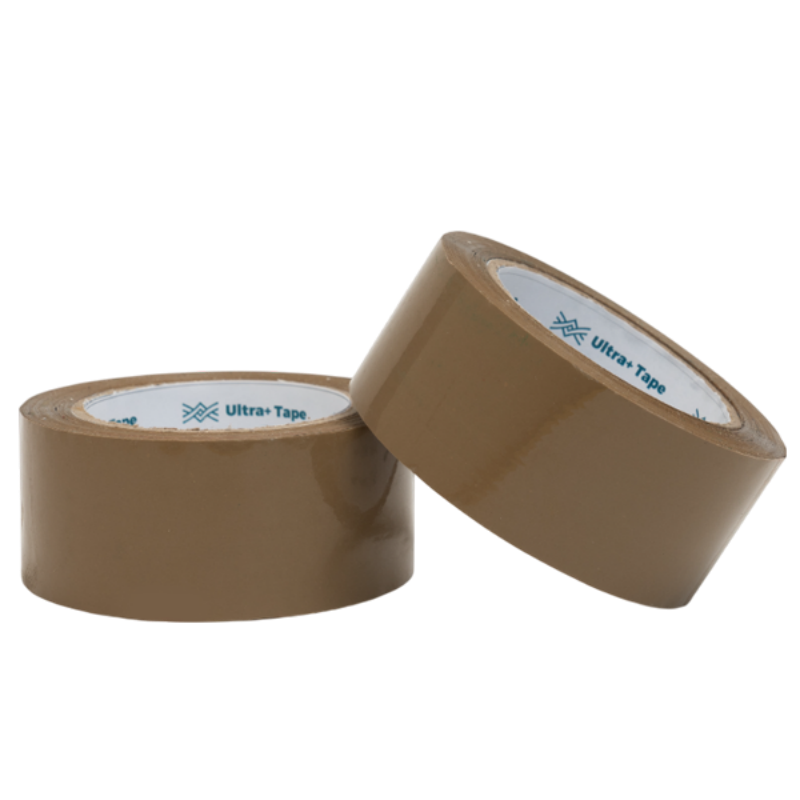
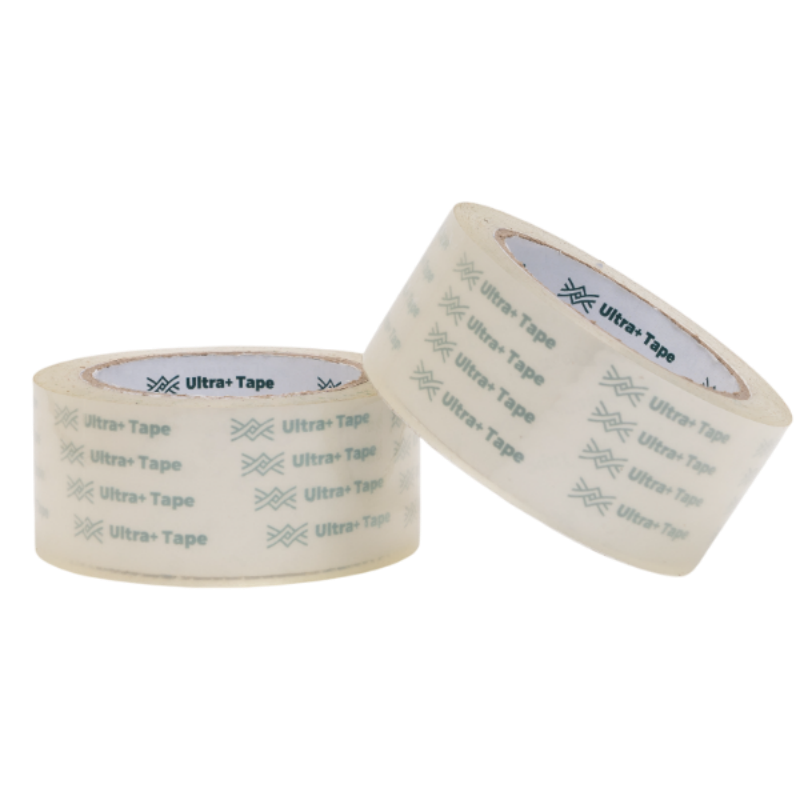
bopp tape jumbo roll technical data
BOPP tape jumbo roll technical data represents comprehensive specifications for large-format rolls of biaxially oriented polypropylene adhesive tape used in manufacturing and industrial applications. These jumbo rolls serve as the primary source material for converting operations, where they are slit into smaller retail-sized rolls for commercial distribution. The technical data encompasses critical parameters including roll diameter, core size, adhesive composition, film thickness, tensile strength, elongation properties, peel adhesion values, and temperature resistance ranges. Understanding bopp tape jumbo roll technical data is essential for manufacturers, converters, and procurement specialists who need to ensure product consistency and performance across their supply chain. The standard jumbo roll configuration typically features widths ranging from 1000mm to 1500mm, with outer diameters reaching up to 800mm or more, mounted on sturdy cardboard or plastic cores measuring 76mm in internal diameter. The film substrate thickness generally varies between 28 to 65 microns, while the adhesive coating adds another 18 to 25 microns to the total tape thickness. The bopp tape jumbo roll technical data also specifies the adhesive type, most commonly water-based acrylic or solvent-based rubber formulations, each offering distinct performance characteristics. Tensile strength measurements indicate the tape's ability to withstand pulling forces without breaking, typically ranging from 140 to 200 N/cm depending on film thickness and orientation quality. Elongation at break percentages reveal the tape's flexibility and stretch capacity before failure, usually falling between 100 to 150 percent. Peel adhesion values, measured in Newtons per 25mm width, demonstrate how firmly the tape bonds to various surfaces, with standard ranges from 8 to 12 N/25mm for general-purpose applications. Temperature resistance specifications within bopp tape jumbo roll technical data indicate operational limits, typically from -10°C to 60°C for standard grades, though specialized formulations can extend these ranges. Additional technical parameters include initial tack measurements, shear adhesion performance, unwind force requirements, and aging stability data that predict long-term performance characteristics under various environmental conditions.

 EN
EN