
 EN
EN



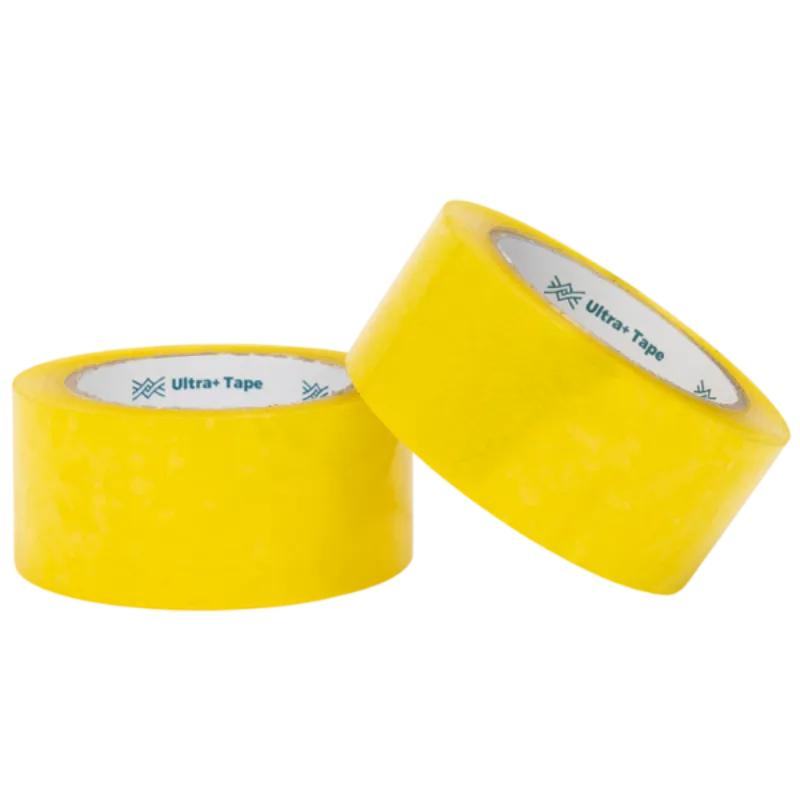
Selecting the right adhesive tape for industrial applications is a critical decision that directly impacts operational efficiency, product integrity, and cost management. Among the various tape options available, acrylic bopp tape has emerged as a preferred choice for demanding industrial environments due to its superior bonding strength, temperature resistance, and long-term durability. However, the industrial tape market offers numerous variations in adhesive formulations, backing materials, and performance specifications, making the selection process complex for procurement managers and operations teams. Understanding how to evaluate and choose the appropriate acrylic bopp tape requires a systematic approach that considers application requirements, environmental conditions, substrate compatibility, and performance expectations.
Industrial operations span diverse sectors including manufacturing, logistics, packaging, electronics assembly, and construction, each presenting unique challenges that demand specific tape characteristics. The selection process involves analyzing multiple technical parameters such as adhesive chemistry, peel adhesion values, shear strength ratings, temperature tolerance ranges, and aging resistance. This comprehensive guide walks through the essential factors and methodical steps required to identify the optimal acrylic bopp tape solution for your specific industrial application, ensuring that your choice delivers reliable performance, operational continuity, and value over the tape's service life.
Understanding Acrylic BOPP Tape Fundamentals for Industrial Applications
Composition and Structure of Acrylic BOPP Tape
The foundation of acrylic bopp tape lies in its two-component construction: a biaxially oriented polypropylene film backing and an acrylic-based adhesive coating. The BOPP film provides exceptional tensile strength, dimensional stability, and resistance to moisture and chemicals, making it ideal for industrial environments where tapes face mechanical stress and environmental challenges. The biaxial orientation process aligns polymer chains in both machine and transverse directions, creating a balanced film with superior strength-to-weight ratio compared to uniaxially oriented or cast films.
Acrylic adhesives differentiate this tape category from rubber-based or hot-melt alternatives through their unique polymer chemistry. These adhesives consist of acrylic and methacrylic acid ester copolymers that provide excellent UV resistance, oxidation stability, and aging characteristics. Unlike natural or synthetic rubber adhesives that can yellow, crystallize, or lose tack over time, acrylic formulations maintain their performance properties across extended periods, making acrylic bopp tape particularly suitable for applications requiring long-term bond integrity.
Key Performance Characteristics That Define Industrial Suitability
When evaluating acrylic bopp tape for industrial use, several performance metrics determine suitability for specific applications. Peel adhesion measures the force required to remove tape from a substrate at a standardized angle and speed, typically expressed in ounces per inch or newtons per meter. Industrial applications generally require peel adhesion values ranging from 24 to 40 ounces per inch, depending on whether the application demands easy removal or permanent bonding.
Shear strength indicates the tape's resistance to sliding or slippage under sustained load parallel to the bonded surface. This property becomes critical in applications where packaged goods undergo stacking, transportation vibration, or storage under varied temperature conditions. Quality acrylic bopp tape demonstrates shear resistance exceeding 48 hours at elevated temperatures, ensuring cartons remain sealed throughout distribution chains. Temperature performance ranges typically span from minus 20 degrees Celsius to plus 80 degrees Celsius for standard grades, with specialized formulations extending these limits for extreme environment applications.
Advantages Over Alternative Adhesive Technologies
Industrial facilities often choose acrylic bopp tape over rubber-based or hot-melt alternatives due to specific performance advantages aligned with demanding operational requirements. Acrylic adhesives exhibit superior resistance to plasticizer migration, preventing adhesive degradation when applied to substrates containing oils, plasticizers, or other migratory substances common in industrial packaging materials. This chemical stability ensures consistent bonding performance across diverse substrate types.
The aging resistance of acrylic bopp tape significantly exceeds that of natural rubber formulations, maintaining bond strength and appearance over years rather than months. This longevity proves particularly valuable in archival applications, long-term storage scenarios, and situations where tape removal may occur months or years after initial application. Additionally, acrylic formulations generate minimal stringing or adhesive transfer during unwind, improving application efficiency in high-speed automated packaging lines where clean release from the roll and precise placement are essential.
Critical Selection Criteria Based on Application Requirements
Substrate Compatibility and Surface Energy Considerations
The first step in selecting appropriate acrylic bopp tape involves analyzing the surface characteristics of materials requiring bonding. Substrates are classified by surface energy, measured in dynes per centimeter, which determines how readily adhesives wet out and create molecular contact. High surface energy materials like glass, metal, and untreated polyester accept adhesives readily, while low surface energy plastics such as polyethylene and polypropylene present bonding challenges that may require specialized adhesive formulations or surface treatments.
Industrial packaging commonly involves corrugated cardboard, which presents variable surface energy depending on recycled content, surface treatments, and moisture content. Standard acrylic bopp tape formulations perform well on typical corrugated surfaces, but heavily recycled or clay-coated boards may require adhesives with enhanced initial tack or modified rheology. For applications involving direct contact with polyethylene films, polyolefin-modified acrylic adhesives provide improved wetting and bonding compared to standard formulations designed primarily for cellulosic substrates.
Environmental Conditions and Temperature Exposure
Operating environment significantly influences acrylic bopp tape selection, as temperature extremes, humidity variations, and UV exposure affect both immediate bonding performance and long-term adhesive integrity. Cold temperature applications, such as refrigerated storage or outdoor winter conditions, require adhesives formulated with lower glass transition temperatures that maintain flexibility and tack below freezing. Standard acrylic formulations may exhibit reduced initial adhesion at temperatures below 10 degrees Celsius, necessitating cold-temperature grades for reliable performance.
High temperature environments encountered in manufacturing processes, heated storage facilities, or tropical climates demand acrylic bopp tape with enhanced heat resistance to prevent adhesive softening, flow, or bond failure. Applications involving exposure to direct sunlight require UV-stabilized formulations that resist photo-oxidative degradation, maintaining both bond strength and film integrity throughout extended outdoor exposure. Humidity considerations also factor into selection, as some industrial environments involve condensation, moisture exposure, or high relative humidity that can challenge adhesive wet-out on cold surfaces or promote edge lifting if moisture penetrates between tape and substrate.
Load Requirements and Mechanical Stress Factors
Understanding the mechanical demands placed on sealed cartons or bonded assemblies guides appropriate acrylic bopp tape specification. Package weight directly correlates with required adhesive strength, as heavier contents generate greater stress on seal points during handling and transportation. Light-duty applications handling packages under 10 kilograms may perform adequately with thinner films and moderate adhesion levels, while heavy-duty operations involving packages exceeding 20 kilograms require thicker backing films and high-adhesion formulations to prevent seal failure.
Dynamic stress factors including vibration during transportation, shock loading during handling, and stacking compression in storage all influence tape performance requirements. Distribution chains involving air freight, truck transport over rough roads, or automated conveyor systems subject sealed packages to repeated stress cycles that can progressively degrade inadequate bonds. Selecting acrylic bopp tape with appropriate shear strength ratings and fatigue resistance ensures seal integrity throughout the entire logistics chain, preventing costly product damage, customer complaints, and brand reputation issues associated with packaging failure.
Technical Specifications and Performance Testing Standards
Adhesion Testing Methods and Interpretation
Quantifying acrylic bopp tape performance requires standardized testing protocols that enable objective comparison between products and validation against application requirements. The 180-degree peel adhesion test, conducted according to standards like ASTM D3330 or PSTC-101, measures the force required to remove tape from a standard stainless steel panel at a controlled rate. While this test provides valuable comparative data, industrial buyers should recognize that performance on actual substrates may differ from standardized test results due to surface energy variations, texture differences, and contamination factors.
Shear adhesion testing evaluates the tape's resistance to sliding under sustained load, conducted by applying a standard weight to a defined tape area and measuring hold time before failure. Tests following ASTM D3654 or PSTC-107 protocols typically employ a one-kilogram weight suspended from tape bonded to a vertical panel, with measurement of time until complete failure. Quality acrylic bopp tape for industrial carton sealing should demonstrate shear resistance exceeding 48 hours at room temperature, with premium grades maintaining bonds for over 100 hours even at elevated temperatures approaching 50 degrees Celsius.
Film Thickness and Tensile Properties
The BOPP backing film thickness significantly impacts both handling characteristics and performance capabilities of acrylic bopp tape. Industrial grades typically range from 28 to 40 microns for the film backing, with thicker films providing enhanced tensile strength, puncture resistance, and conformability to irregular surfaces. Thinner films reduce material costs and may suffice for light-duty applications, but risk tearing during application or failing under stress with heavy packages.
Tensile strength measurements indicate the film's resistance to breaking under longitudinal stress, with quality BOPP films demonstrating values exceeding 140 megapascals in both machine and transverse directions. Elongation at break typically ranges from 100 to 150 percent, providing sufficient stretch to accommodate minor substrate movement or thermal expansion without tape rupture. These mechanical properties ensure that acrylic bopp tape maintains structural integrity during manual or automated application, resisting tearing at dispenser cutting edges and conforming smoothly to carton surfaces without wrinkling or tunneling.
Adhesive Coating Weight and Coverage
The quantity of acrylic adhesive applied to the BOPP backing directly influences bonding performance, with coating weights typically specified in grams per square meter. Standard industrial acrylic bopp tape employs coating weights ranging from 18 to 28 grams per square meter, balancing adhesion performance with cost efficiency and unwind characteristics. Higher coating weights generally correlate with increased peel adhesion and shear strength, but excessive adhesive can cause stringing during unwind, complicate clean removal when necessary, and increase material costs without proportional performance benefits.
Adhesive coverage uniformity across the tape width ensures consistent bonding performance and prevents weak spots that could initiate seal failure. Precision coating technologies including gravure, reverse roll, and slot die methods enable controlled, uniform adhesive application essential for reliable industrial performance. Visual inspection of adhesive coating should reveal smooth, continuous coverage without streaks, holidays, or excessive edge accumulation that could interfere with clean cutting or cause adhesive buildup on dispensing equipment during high-volume operations.
Application-Specific Selection Guidelines
Carton Sealing and Packaging Operations
Carton sealing represents the most common industrial application for acrylic bopp tape, encompassing diverse scenarios from manual case sealing in small operations to high-speed automated packaging lines processing hundreds of cartons per minute. Manual sealing operations benefit from acrylic bopp tape formulations providing good initial tack for immediate handling, controlled unwind tension preventing premature stretching, and clean edge cutting for professional appearance. Tape width selection typically ranges from 48 to 75 millimeters depending on carton dimensions and sealing pattern requirements.
Automated packaging lines introduce additional selection considerations including compatibility with specific dispensing equipment, consistent unwind characteristics preventing jamming or misfeeds, and adhesive formulations that bond reliably across the range of speeds encountered in production. High-speed applications may benefit from acrylic bopp tape with enhanced quick-stick properties that achieve immediate bond strength during the brief dwell time between application and carton movement. Machine-length rolls ranging from 990 to 1500 meters reduce changeover frequency, improving operational efficiency in high-volume environments where minimizing downtime directly impacts productivity metrics.
Storage and Distribution Chain Requirements
Sealed packages entering distribution chains face varied environmental conditions and mechanical stresses that influence appropriate acrylic bopp tape selection. Temperature cycling during transportation between climate-controlled warehouses and unheated trailers or shipping containers tests adhesive performance across wide temperature ranges. Selecting acrylic bopp tape with proven performance from minus 20 to plus 60 degrees Celsius ensures seal integrity throughout seasonal variations and diverse geographic routing.
Extended storage durations demand acrylic formulations with excellent aging resistance that maintain bond strength over months or years without yellowing, embrittlement, or adhesive transfer to stored goods. Warehousing operations involving high stacking heights require tape with superior shear resistance to prevent bottom cartons from bursting under sustained compression loads. Distribution chains incorporating multiple handling transfers benefit from acrylic bopp tape providing edge-tear resistance that prevents progressive seal failure initiated at carton corners during repeated handling events.
Specialized Industrial Bonding Applications
Beyond conventional carton sealing, industrial facilities employ acrylic bopp tape for diverse specialized applications including splicing, bundling, surface protection, and light-duty assembly operations. Roll splicing in converting operations or printing presses requires tape with precise thickness control to minimize bump height that could affect material tracking, combined with adhesive formulations that bond reliably to various substrate backings without causing delamination or surface damage during removal.
Bundling applications securing multiple items or consolidating materials for handling benefit from acrylic bopp tape offering balanced properties including sufficient adhesion to prevent bundle loosening, easy conformability to irregular shapes, and clean removal when unbundling becomes necessary. Surface protection applications temporarily shielding finished surfaces during manufacturing, transportation, or installation demand low-adhesion acrylic formulations that remove cleanly without residue even after extended dwell times, while still providing adequate holding power to prevent premature lifting or edge curl during handling.
Procurement Considerations and Quality Assurance
Supplier Evaluation and Technical Support
Selecting reliable suppliers for industrial acrylic bopp tape involves evaluating factors beyond initial pricing, including technical expertise, quality consistency, supply chain stability, and responsive customer support. Suppliers offering detailed technical data sheets, application guidance, and performance testing documentation enable informed selection decisions based on objective specifications rather than marketing claims. Access to knowledgeable technical representatives who understand industrial applications and can recommend appropriate products based on specific requirements adds significant value, particularly when addressing challenging bonding scenarios or troubleshooting performance issues.
Manufacturing quality systems certification including ISO 9001 or equivalent standards provides assurance of consistent production processes, incoming material controls, and finished product testing that minimize batch-to-batch variation. Suppliers maintaining robust quality programs typically offer product traceability enabling investigation of any performance issues, along with responsive technical support to address application challenges or recommend alternative solutions when requirements change. Established suppliers with proven track records in industrial markets generally provide greater supply security and product continuity compared to opportunistic vendors whose participation may prove temporary.
Cost-Performance Balance and Total Cost Analysis
While procurement decisions often focus on per-roll pricing, comprehensive total cost analysis reveals that acrylic bopp tape selection significantly impacts overall operational expenses beyond material costs. Premium products demonstrating superior adhesion reliability reduce seal failure rates, minimizing costs associated with product damage, customer returns, repackaging labor, and brand reputation damage. Higher-quality acrylic bopp tape with consistent unwind characteristics and minimal edge defects reduces downtime in automated packaging operations, improving throughput and labor productivity.
Longer roll lengths reduce changeover frequency and associated labor costs while minimizing core waste disposal expenses. Although longer rolls command higher per-unit prices, the operational efficiency gains and waste reduction often justify the incremental investment in high-volume operations. Additionally, selecting appropriate acrylic bopp tape that performs reliably across temperature ranges and substrate variations eliminates the need to stock multiple specialized products, simplifying inventory management and reducing working capital requirements tied up in adhesive tape inventory.
Trial Testing and Performance Validation
Before committing to large-volume purchases or converting entire operations to new acrylic bopp tape suppliers, conducting structured trial testing validates performance under actual operating conditions. Effective trial protocols involve sealing representative cartons with candidate tape products, then subjecting sealed packages to simulated or actual distribution stresses including temperature cycling, vibration testing, drop testing, and extended storage under relevant conditions. Comparative evaluation against current tape products provides objective performance benchmarks.
Trial testing should encompass sufficient volume to evaluate consistency across multiple rolls and production lots, as single-roll samples may not reveal batch variation issues. Engaging packaging line operators, warehouse personnel, and receiving staff in evaluation processes captures practical insights regarding handling characteristics, dispensing performance, and real-world seal integrity that laboratory testing may not fully reveal. Documenting trial results including specific failure modes, performance under stress conditions, and operational feedback creates valuable reference information for ongoing supplier evaluation and future procurement decisions when requirements evolve or alternative sources require consideration.
FAQ
What is the primary difference between acrylic BOPP tape and rubber-based carton sealing tape?
The fundamental difference lies in the adhesive chemistry, with acrylic bopp tape utilizing acrylic polymer adhesives while rubber-based alternatives employ natural or synthetic rubber compounds. Acrylic adhesives provide superior UV resistance, aging stability, and resistance to yellowing or crystallization over time, making them ideal for applications requiring long-term bond integrity or exposure to environmental conditions. Rubber-based tapes typically offer higher initial tack and perform better in cold temperature applications, but may degrade more rapidly under heat, light, or extended aging. For most industrial applications involving standard carton sealing and distribution, acrylic bopp tape delivers better overall performance and reliability.
How do I determine the appropriate tape width for my carton sealing application?
Tape width selection depends on carton dimensions, box construction, and sealing pattern employed. General guidelines recommend tape width of at least 48 millimeters for small cartons and light products, while medium to large cartons benefit from 60 to 75 millimeter widths providing broader coverage across sealing flaps and enhanced resistance to edge lifting. The tape should extend at least 50 millimeters beyond the carton seam on each side to ensure adequate bonding surface area. For H-tape sealing patterns covering both center seam and flap edges, maintaining consistent width across all tape strips creates professional appearance and balanced holding strength throughout the sealed carton.
Can acrylic BOPP tape be used in freezer or refrigerated storage applications?
Standard acrylic bopp tape formulations may experience reduced adhesion performance at temperatures below 5 degrees Celsius, though they typically maintain adequate bond strength once applied at room temperature then moved to cold storage. For applications requiring tape application directly in cold environments or involving extreme temperature cycling between freezer and ambient conditions, specialized cold-temperature acrylic formulations provide enhanced low-temperature flexibility and adhesion. These modified adhesives maintain tack and bonding capability at temperatures as low as minus 20 degrees Celsius, ensuring reliable sealing performance throughout cold chain distribution. When selecting tape for refrigerated applications, specify intended temperature ranges to ensure appropriate formulation selection.
How long can sealed cartons remain in storage before tape adhesive performance degrades?
Quality acrylic bopp tape maintains reliable bonding performance for extended periods typically exceeding two years under controlled storage conditions with moderate temperature and humidity. The superior aging resistance of acrylic adhesives compared to rubber-based alternatives makes this tape category particularly suitable for long-term storage applications or situations where sealed packages may remain in inventory for extended durations before distribution. However, storage conditions significantly influence longevity, with high temperatures, direct sunlight exposure, high humidity, or extreme temperature cycling potentially accelerating adhesive degradation. For critical applications involving multi-year storage or archival requirements, conducting periodic inspection of sealed cartons and consulting with tape suppliers regarding specific formulation aging characteristics ensures continued reliability throughout the intended storage period.
Table of Contents
- Understanding Acrylic BOPP Tape Fundamentals for Industrial Applications
- Critical Selection Criteria Based on Application Requirements
- Technical Specifications and Performance Testing Standards
- Application-Specific Selection Guidelines
- Procurement Considerations and Quality Assurance
-
FAQ
- What is the primary difference between acrylic BOPP tape and rubber-based carton sealing tape?
- How do I determine the appropriate tape width for my carton sealing application?
- Can acrylic BOPP tape be used in freezer or refrigerated storage applications?
- How long can sealed cartons remain in storage before tape adhesive performance degrades?