
 EN
EN



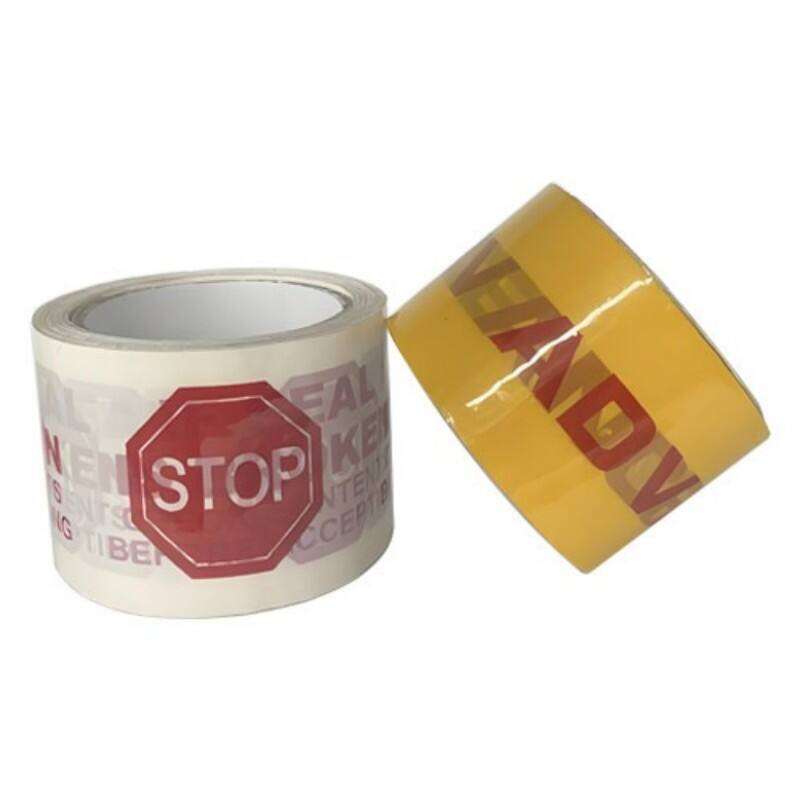
The modern packaging industry relies heavily on high-quality adhesive solutions, with BOPP tape manufacturing standing as a cornerstone of flexible packaging applications. Biaxially Oriented Polypropylene (BOPP) tapes have revolutionized how manufacturers approach cost-effective sealing solutions while maintaining superior performance standards. The challenge lies in striking the perfect balance between production costs and adhesive quality, ensuring that manufacturers can deliver competitive products without compromising on reliability or durability.
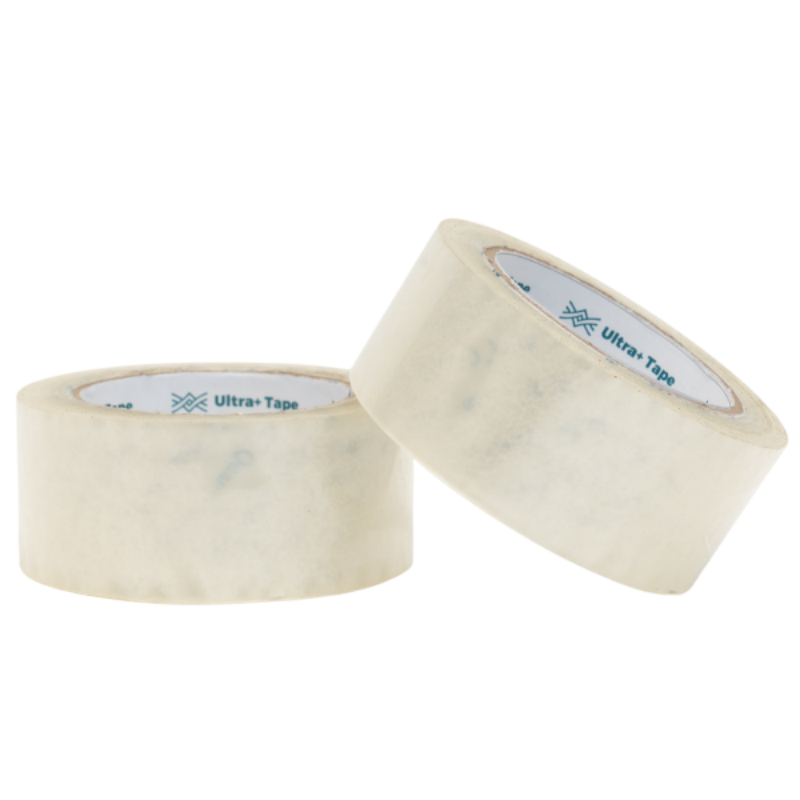
Manufacturers today face increasing pressure to optimize their production processes while meeting stringent quality requirements. The BOPP tape manufacturing industry has evolved significantly, with advanced polymer technologies and precision coating techniques enabling better control over adhesive properties. Understanding the intricate relationship between raw material costs, processing parameters, and final product performance becomes crucial for sustainable business operations. This comprehensive analysis explores the fundamental aspects of achieving optimal cost-performance ratios in adhesive tape production.
Understanding BOPP Tape Manufacturing Fundamentals
Material Selection and Cost Implications
The foundation of successful BOPP tape manufacturing begins with careful material selection, where polypropylene film quality directly impacts both production costs and final product performance. Premium-grade BOPP films offer superior clarity, strength, and adhesion compatibility, but they command higher prices compared to standard alternatives. Manufacturers must evaluate the trade-offs between material costs and the enhanced performance characteristics that premium films provide, particularly in applications requiring extended shelf life or extreme environmental resistance.
Adhesive formulation represents another critical cost factor in the manufacturing process. Acrylic-based adhesives typically offer superior aging resistance and temperature stability compared to rubber-based alternatives, but they require more sophisticated processing equipment and higher-grade raw materials. The selection between hot-melt, solvent-based, or water-based adhesive systems significantly influences both manufacturing costs and final product specifications. Each system presents unique advantages and limitations that manufacturers must carefully consider based on their target market requirements and production capabilities.
Processing Technology and Equipment Considerations
Modern BOPP tape manufacturing facilities utilize advanced coating and laminating equipment that enables precise control over adhesive thickness and uniformity. High-speed coating machines with sophisticated metering systems can achieve coating weights within narrow tolerance ranges, optimizing adhesive usage while maintaining consistent performance. Investment in state-of-the-art equipment typically requires substantial capital expenditure, but the long-term benefits include reduced waste, improved product consistency, and enhanced production efficiency.
Temperature control systems play a crucial role in maintaining optimal processing conditions throughout the manufacturing line. Proper thermal management ensures consistent adhesive curing, prevents film deformation, and maintains dimensional stability during production. Advanced monitoring systems provide real-time feedback on critical process parameters, enabling immediate adjustments to maintain quality standards while minimizing material waste and energy consumption.
Quality Control Strategies in BOPP Tape Manufacturing
Adhesion Performance Testing
Implementing comprehensive testing protocols ensures that BOPP tape manufacturing processes consistently deliver products meeting specified performance criteria. Peel strength testing, shear resistance evaluation, and tack measurements provide quantitative assessments of adhesive performance under various conditions. These tests help manufacturers establish correlations between raw material properties, processing parameters, and final product characteristics, enabling data-driven optimization of production processes.
Environmental stress testing simulates real-world application conditions, including temperature cycling, humidity exposure, and UV radiation effects. Such testing protocols help identify potential performance issues before products reach the market, reducing warranty claims and maintaining customer satisfaction. The investment in comprehensive quality control systems typically pays for itself through reduced product returns, enhanced brand reputation, and improved customer loyalty.
Statistical Process Control Implementation
Statistical process control (SPC) methods enable manufacturers to monitor production variability and identify trends that might indicate process drift or equipment degradation. By tracking key performance indicators such as coating weight, adhesion strength, and dimensional accuracy, manufacturers can implement proactive maintenance schedules and process adjustments. This approach minimizes the production of off-specification products and reduces the need for expensive rework or material waste.
Real-time monitoring systems integrated with production equipment provide immediate feedback on process performance, enabling rapid response to deviations from established control limits. Advanced data analytics platforms can identify patterns and correlations that might not be apparent through traditional monitoring methods, leading to improved process understanding and optimization opportunities.
Cost Optimization Strategies
Raw Material Management
Effective raw material management strategies can significantly impact the overall economics of BOPP tape manufacturing operations. Strategic sourcing relationships with reliable suppliers help ensure consistent material quality while negotiating favorable pricing terms based on volume commitments and long-term partnerships. Inventory optimization systems balance the benefits of bulk purchasing discounts against storage costs and working capital requirements.
Supply chain diversification reduces dependency on single suppliers and provides flexibility to capitalize on market opportunities when material prices fluctuate. Establishing relationships with multiple qualified suppliers enables manufacturers to maintain production continuity while optimizing costs based on current market conditions. Regular supplier audits ensure that quality standards are maintained across all material sources, preventing costly production disruptions or quality issues.
Production Efficiency Enhancement
Lean manufacturing principles applied to BOPP tape manufacturing help eliminate waste and improve overall equipment effectiveness. Continuous improvement initiatives focus on reducing setup times, minimizing changeover losses, and optimizing production schedules to maximize throughput while maintaining quality standards. Employee training programs ensure that operators understand the importance of process consistency and their role in maintaining product quality.
Preventive maintenance programs help avoid unexpected equipment downtime and maintain consistent product quality throughout production runs. Regular equipment calibration and performance monitoring identify potential issues before they impact production, reducing the likelihood of producing off-specification products that require costly rework or disposal.
Performance Optimization Techniques
Adhesive Formulation Enhancement
Advanced adhesive formulation techniques enable manufacturers to achieve superior performance characteristics while controlling raw material costs. Polymer modification and additive selection can enhance specific properties such as temperature resistance, aging stability, or removability without significantly increasing formulation costs. Collaboration with adhesive suppliers often leads to customized formulations optimized for specific BOPP tape manufacturing processes and application requirements.
Crosslinking technologies and curing systems play critical roles in developing high-performance adhesives that meet demanding application requirements. UV-curable systems offer rapid processing speeds and excellent performance characteristics, while electron beam curing provides enhanced crosslinking density for extreme service conditions. The selection of appropriate curing technology depends on production volume, performance requirements, and capital equipment considerations.
Surface Treatment and Primer Systems
Surface treatment technologies enhance adhesion between BOPP films and adhesive coatings, improving overall tape performance without requiring expensive adhesive modifications. Corona treatment, flame treatment, and chemical primers each offer unique advantages depending on the specific film characteristics and adhesive system requirements. Proper surface preparation ensures consistent adhesion performance while minimizing adhesive usage through improved wetting and bonding characteristics.
Primer systems designed specifically for BOPP substrates can significantly enhance adhesion performance, particularly in challenging applications involving low-surface-energy substrates or extreme environmental conditions. These systems typically require additional processing steps and material costs, but they enable the use of standard adhesive formulations in demanding applications where enhanced performance justifies the additional expense.
Market Considerations and Customer Requirements
Application-Specific Performance Criteria
Different market segments require varying performance characteristics from BOPP tapes, necessitating careful consideration of cost-performance trade-offs for each application. General-purpose sealing applications typically emphasize cost-effectiveness and basic adhesion performance, while specialized applications such as automotive or electronics manufacturing require enhanced temperature resistance, chemical compatibility, or specific failure modes.
Understanding customer application requirements enables manufacturers to optimize their product offerings for specific market segments without over-engineering products for applications that do not require premium performance characteristics. This approach allows for efficient resource allocation and competitive pricing while maintaining appropriate performance margins for each application category.
Regulatory Compliance and Certification Requirements
Regulatory requirements in various markets can significantly impact both manufacturing costs and performance specifications for BOPP tapes. Food packaging applications require compliance with FDA regulations or European food contact standards, which may necessitate specific raw material selections or processing modifications. Medical and pharmaceutical applications often require additional testing and certification procedures that increase development costs but enable access to higher-value market segments.
Environmental regulations increasingly influence material selection and manufacturing processes, with many customers preferring products that demonstrate reduced environmental impact through recyclable materials or sustainable manufacturing practices. Balancing these requirements with cost considerations requires careful evaluation of long-term market trends and customer preferences.
Technology Integration and Future Developments
Digital Manufacturing Technologies
Industry 4.0 technologies are transforming BOPP tape manufacturing through improved process monitoring, predictive maintenance, and quality control systems. Internet of Things (IoT) sensors provide continuous monitoring of critical process parameters, enabling real-time optimization and rapid response to process deviations. Machine learning algorithms analyze historical production data to identify optimization opportunities and predict potential quality issues before they impact production.
Digital twin technologies create virtual representations of manufacturing processes, enabling simulation and optimization of production parameters without risking actual production disruption. These systems help manufacturers evaluate the potential impact of process changes on both cost and performance before implementing modifications on production equipment.
Sustainable Manufacturing Practices
Sustainability initiatives in BOPP tape manufacturing focus on reducing energy consumption, minimizing waste generation, and developing recyclable product designs. Energy-efficient equipment and process optimization reduce operating costs while supporting environmental objectives. Closed-loop recycling systems for production waste help minimize raw material consumption and disposal costs.
Bio-based and recycled raw materials are increasingly available for BOPP tape manufacturing applications, offering opportunities to reduce environmental impact while potentially achieving cost advantages through government incentives or customer preferences for sustainable products. Careful evaluation of these materials ensures that performance requirements are met while achieving sustainability objectives.
FAQ
What factors most significantly impact the cost-performance balance in BOPP tape manufacturing
The most significant factors include raw material selection, particularly the grade of BOPP film and adhesive formulation, processing equipment efficiency, and quality control systems. Premium materials typically provide better performance but at higher costs, while advanced equipment enables better process control and reduced waste. Balancing these factors requires careful analysis of customer requirements and market positioning strategies.
How can manufacturers optimize adhesive performance without significantly increasing costs
Manufacturers can optimize performance through improved surface treatment, precise coating control, and strategic adhesive formulation. Surface treatments enhance adhesion without expensive adhesive modifications, while accurate coating systems minimize waste and ensure consistent performance. Collaborative relationships with suppliers often yield customized solutions that meet performance requirements at competitive costs.
What role does quality control play in maintaining cost-effectiveness
Comprehensive quality control systems prevent the production of off-specification products, reducing waste and rework costs. Statistical process control identifies trends that enable proactive adjustments, minimizing variability and improving yield. Investment in quality systems typically provides positive returns through reduced warranty claims, improved customer satisfaction, and enhanced operational efficiency.
How do market trends affect manufacturing strategy decisions
Market trends toward sustainability, regulatory compliance, and application-specific performance requirements influence material selection and process design decisions. Manufacturers must balance current cost considerations with future market expectations, potentially investing in technologies or materials that provide competitive advantages as market preferences evolve. Understanding customer priorities enables strategic positioning that maximizes long-term profitability while meeting immediate cost targets.
Table of Contents
- Understanding BOPP Tape Manufacturing Fundamentals
- Quality Control Strategies in BOPP Tape Manufacturing
- Cost Optimization Strategies
- Performance Optimization Techniques
- Market Considerations and Customer Requirements
- Technology Integration and Future Developments
-
FAQ
- What factors most significantly impact the cost-performance balance in BOPP tape manufacturing
- How can manufacturers optimize adhesive performance without significantly increasing costs
- What role does quality control play in maintaining cost-effectiveness
- How do market trends affect manufacturing strategy decisions