
 EN
EN



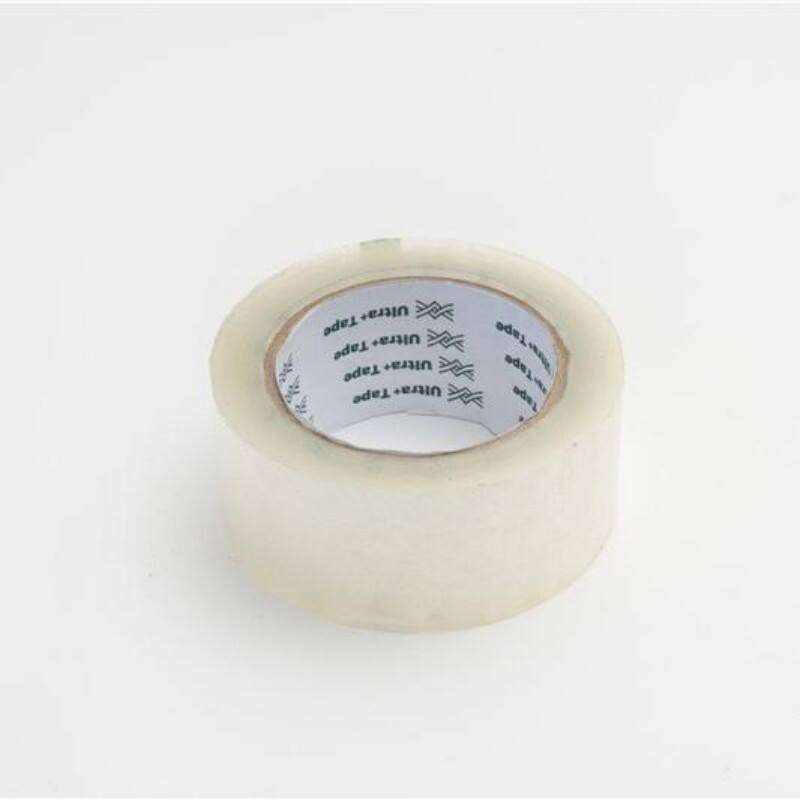
In the competitive landscape of industrial packaging, selecting the right adhesive solution is critical to ensuring product integrity during storage, handling, and transit. High-strength packaging demands materials that can withstand temperature variations, resist environmental degradation, and maintain consistent bonding performance under stress. Among the diverse range of sealing solutions available, acrylic bopp tape has emerged as a preferred choice for businesses requiring superior adhesion, long-term durability, and reliable performance in demanding logistics environments. Understanding why this specific tape technology excels in heavy-duty applications requires examining the unique chemical composition, structural advantages, and real-world performance characteristics that distinguish it from alternative sealing methods.
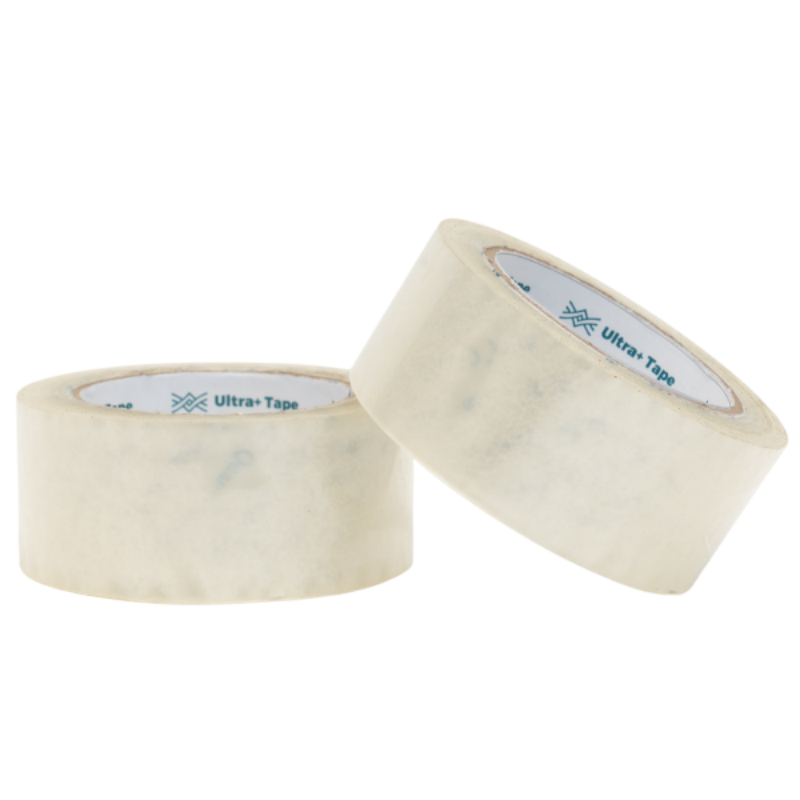
The decision to implement acrylic bopp tape in high-strength packaging operations stems from measurable business advantages that directly impact operational efficiency, product protection standards, and total cost of ownership. Unlike rubber-based or hot-melt adhesive tapes that degrade rapidly under environmental stress, acrylic adhesive systems bonded to biaxially oriented polypropylene film deliver exceptional resistance to oxidation, UV exposure, and temperature extremes. This combination of advanced polymer chemistry and engineered film substrate creates a sealing solution capable of maintaining structural integrity across diverse climate conditions, making it indispensable for international shipping, cold storage applications, and long-term warehousing scenarios where adhesive failure could result in significant financial losses or compromised product quality.
The Chemical Foundation Behind Superior Holding Power
Acrylic Adhesive Chemistry and Molecular Stability
The exceptional performance of acrylic bopp tape originates from the fundamental chemistry of acrylic polymer adhesives, which differ substantially from conventional adhesive systems in molecular structure and bonding mechanisms. Acrylic adhesives consist of cross-linked polymer chains that form strong intermolecular bonds with carton surfaces through van der Waals forces and mechanical interlocking, creating adhesion that strengthens over time rather than degrading. This molecular architecture provides inherent resistance to oxidative breakdown, a common failure mode in natural rubber adhesives that lose cohesive strength when exposed to oxygen and heat. The chemical stability of acrylic systems ensures that sealed cartons maintain their closure integrity throughout extended distribution cycles, even when subjected to temperature fluctuations between cold storage facilities and high-heat transportation environments.
The cross-linking density within acrylic adhesive formulations directly influences the tape's ability to resist shear forces and maintain holding power under load. High-performance acrylic bopp tape formulations employ controlled cross-linking processes that balance initial tack with long-term cohesive strength, ensuring immediate adhesion to corrugated surfaces while developing maximum bond strength within hours of application. This dual-phase bonding characteristic proves particularly valuable in automated packaging lines where cartons must be immediately stacked and moved without waiting for adhesive cure times. The molecular stability of acrylic polymers also prevents plasticizer migration, a phenomenon where adhesive components leach into carton materials over time, causing discoloration, weakening of the bond line, and potential contamination of packaged goods in sensitive applications.
Temperature Resistance and Environmental Performance
Temperature extremes present significant challenges in global supply chains, where packaged goods may experience temperature swings from refrigerated storage below freezing to transportation container temperatures exceeding forty degrees Celsius. Acrylic bopp tape maintains consistent adhesive properties across a temperature range that would cause rubber-based tapes to become brittle or lose tack entirely. The glass transition temperature of acrylic polymers remains sufficiently low to preserve flexibility in cold environments while the cross-linked network prevents softening and adhesive transfer at elevated temperatures. This thermal stability ensures that carton seals remain secure whether products move through Arctic shipping routes or tropical distribution centers, eliminating the need for seasonal tape inventory adjustments or climate-specific sealing protocols.
UV resistance constitutes another critical advantage of acrylic adhesive chemistry, particularly relevant for warehousing operations with skylights or outdoor staging areas where packaged goods experience direct sunlight exposure. Conventional hot-melt and rubber adhesives undergo rapid photodegradation when exposed to ultraviolet radiation, resulting in yellowing, embrittlement, and complete adhesive failure within weeks of exposure. The aromatic stability of acrylic bopp tape formulations prevents this degradation pathway, allowing sealed cartons to withstand months of light exposure without compromising seal integrity. This characteristic proves essential for retail distribution operations, export staging facilities, and any application where storage duration and conditions cannot be precisely controlled throughout the supply chain.
Structural Advantages of BOPP Film Substrate
Biaxial Orientation and Mechanical Properties
The biaxially oriented polypropylene film backing that provides the foundation for acrylic bopp tape delivers mechanical properties essential for high-strength packaging applications. The biaxial orientation process involves stretching polypropylene film in both machine and transverse directions during manufacturing, aligning polymer chains and creating a substrate with exceptional tensile strength, puncture resistance, and dimensional stability. This engineered film structure allows thin gauge tapes to deliver holding power equivalent to significantly thicker unoriented films, reducing material consumption while maintaining performance standards. The molecular alignment achieved through biaxial orientation also imparts clarity to the film, enabling barcode scanning and package inspection through the applied tape without removal or interference.
Tear resistance represents a practical advantage in packaging operations where tape must be dispensed quickly without requiring cutting tools that slow line speeds or create safety hazards. Acrylic bopp tape formulations balance easy cross-direction tearing for hand dispensing with sufficient longitudinal strength to resist unintentional splitting during application and carton handling. The controlled tear propagation characteristics of oriented polypropylene allow packaging operators to apply tape efficiently using handheld dispensers, while the tape resists the edge fraying and splitting that plague inferior products during high-speed automated application. This balance between controlled tearability and structural integrity directly impacts packaging throughput and reduces the downtime associated with tape jams, misfeeds, and equipment maintenance in automated carton sealing systems.
Moisture Barrier and Chemical Resistance
Polypropylene's inherent hydrophobic nature creates a moisture barrier that protects both the adhesive layer and the sealed carton from humidity-related degradation. Unlike paper-backed tapes that absorb moisture and lose dimensional stability in humid environments, acrylic bopp tape maintains its physical properties across relative humidity ranges from desert-dry conditions to tropical saturation levels. This moisture resistance prevents the wicking of water into the bond line, a failure mode that compromises adhesion in hygroscopic adhesive systems and leads to premature seal failure in cold storage applications where condensation forms on carton surfaces. The impermeable nature of the BOPP substrate also prevents contamination of packaged contents from external environmental factors, making it suitable for food-grade packaging applications where regulatory compliance demands barrier protection.
Chemical resistance extends the application range of acrylic bopp tape beyond basic carton sealing into industrial environments where exposure to solvents, oils, and cleaning agents occurs during handling and storage. The non-reactive nature of polypropylene film resists degradation from contact with common industrial chemicals, maintaining label legibility and seal integrity even when cartons are handled with contaminated gloves or stored in facilities where chemical aerosols are present. This chemical inertness also ensures that acrylic bopp tape does not contribute to corrosion of metal packaging components or react with sensitive product formulations, making it compatible with pharmaceutical, electronics, and specialty chemical packaging applications where material compatibility must be rigorously controlled.
Operational Advantages in High-Volume Packaging
Automated Application Performance
High-speed automated packaging lines demand tape products that dispense consistently, adhere immediately, and resist flagging or lifting during carton transfer to downstream operations. Acrylic bopp tape formulations are engineered specifically for machine application, with controlled unwind characteristics that prevent telescoping on the roll, consistent adhesive transfer that eliminates skips or voids in the bond line, and quick-stick properties that secure carton flaps without requiring pressure-sensitive activation time. The dimensional stability of the BOPP backing ensures accurate feeding through tape head mechanisms, reducing jams and misalignments that cause production stoppages and require operator intervention. These application characteristics directly translate to higher effective line speeds, reduced waste from misapplied or defective seals, and lower labor costs per sealed carton in high-volume distribution operations.
The release characteristics of acrylic bopp tape from its carrier liner or roll surface significantly impact dispensing reliability in automated equipment. Properly formulated products exhibit consistent release force across the entire roll, preventing the sudden unwinding or excessive tension that disrupts automated application sequences. The acrylic adhesive formulation must balance sufficient adhesion to the carton surface with minimal transfer to stainless steel or plastic tape head components, preventing buildup that degrades dispenser performance over extended production runs. Leading acrylic bopp tape manufacturers optimize these interfacial properties through precise control of adhesive coating weight, curing conditions, and release liner treatments, delivering products that maintain consistent performance through entire roll consumption without requiring mid-roll equipment adjustments or cleaning cycles.
Total Cost of Ownership Considerations
While acrylic bopp tape typically commands a price premium compared to economy hot-melt or rubber-based alternatives, comprehensive cost analysis reveals significant savings in total packaging system expenses. The superior holding power of acrylic formulations allows specification of narrower tape widths or thinner gauges while maintaining equivalent or superior carton closure security, directly reducing material consumption per sealed unit. The extended shelf life of acrylic adhesive systems eliminates inventory losses from aged tape that loses tack or becomes difficult to unwind, a common problem with hot-melt products that have limited storage stability. Additionally, the reduced failure rate of properly sealed cartons decreases costs associated with product damage claims, returned shipments, and customer dissatisfaction that result from package integrity failures during distribution.
Labor efficiency improvements from reliable automated application further enhance the economic value proposition of acrylic bopp tape in high-volume operations. Reduced downtime for equipment maintenance, fewer operator interventions for jams or misfeeds, and elimination of manual inspection and rework for defective seals contribute measurable productivity gains that compound over millions of sealed cartons annually. The consistency of acrylic bopp tape performance also simplifies quality control protocols, as packaging supervisors can rely on statistical process control rather than requiring frequent physical testing of random samples to verify seal integrity. These operational efficiencies create quantifiable return on investment that justifies the material cost differential, particularly in industries where packaging reliability directly impacts brand reputation and customer retention.
Application-Specific Performance Factors
Heavy Carton and Over-Packed Scenarios
High-strength packaging applications frequently involve cartons filled to or beyond rated capacity, creating internal pressure that constantly stresses closure seals and tests adhesive holding power. Acrylic bopp tape excels in these demanding scenarios due to its superior shear resistance and ability to maintain bond integrity under sustained load. The cross-linked polymer network distributes stress across the entire bond area rather than concentrating failure initiation at adhesive weak points, preventing the progressive peeling or lifting that occurs with lower-performance tape products. This stress distribution capability proves essential for cartons containing dense products like automotive parts, industrial components, or bulk food ingredients where internal weight creates significant outward pressure on flap closures during handling and stacking.
The conformability of acrylic bopp tape to irregular carton surfaces ensures complete contact and bond formation even on recycled corrugated materials with inconsistent surface profiles or cartons that have been previously used and show flap distortion. The viscoelastic properties of acrylic adhesives allow the tape to flow into surface irregularities and maintain contact despite minor carton flexing during handling, creating a mechanical interlock that supplements chemical adhesion. This adaptability reduces seal failures caused by incomplete adhesive contact, a common problem when rigid or poorly formulated tapes are applied to cartons with surface contamination, dust, or manufacturing defects that create air pockets in the bond line.
Multi-Climate Distribution Networks
Global supply chains expose packaged goods to radical environmental transitions that challenge adhesive performance and packaging integrity. A single shipment may experience refrigerated container transport, tropical port handling, temperature-controlled warehousing, and final delivery in varying seasonal conditions, creating thermal cycling and humidity fluctuations that cause inferior tape products to fail. Acrylic bopp tape maintains consistent performance throughout these environmental extremes due to the inherent stability of both the acrylic adhesive and BOPP substrate across temperature and humidity ranges. This multi-climate reliability eliminates the need for market-specific packaging protocols or redundant sealing methods that increase material costs and complicate logistics operations for companies serving geographically diverse customer bases.
Cold storage applications present particularly severe challenges for packaging tape, as low temperatures reduce the molecular mobility required for adhesive flow and intimate surface contact. Many adhesive systems lose tack completely at refrigerated temperatures, leading to immediate seal failure when cartons are moved into cold storage facilities. Acrylic bopp tape formulations designed for cold-temperature performance maintain sufficient tack and conformability at temperatures well below freezing, ensuring reliable carton sealing for frozen food distribution, pharmaceutical cold chain logistics, and industrial applications requiring refrigerated storage. This cold-temperature performance extends to application conditions, as acrylic formulations can be applied in unheated warehouses or outdoor loading docks during winter operations without requiring environmental conditioning or special handling protocols.
Quality Specifications and Performance Standards
Measurable Performance Metrics
Quantitative testing protocols establish objective performance benchmarks that differentiate high-quality acrylic bopp tape from commodity alternatives claiming equivalent capability. Peel adhesion testing measures the force required to remove tape from standard test surfaces at controlled angles and rates, providing direct comparison of initial tack and aged bond strength across competing products. Quality acrylic formulations demonstrate peel adhesion values exceeding industry standards for packaging tape while maintaining or increasing these values after aging periods that simulate extended storage and distribution cycles. Tensile strength testing of the BOPP backing quantifies the tape's ability to resist breaking under load, with high-performance products exhibiting breaking strengths sufficient to reinforce carton closures under extreme stress conditions.
Shear resistance testing evaluates the tape's ability to resist sliding or deformation under sustained load, simulating the constant stress applied to vertical carton seals in stacked pallet configurations. Superior acrylic bopp tape products demonstrate holding times measured in days or weeks under standardized test loads, while inferior formulations fail within hours under identical conditions. Temperature resistance testing exposes tape samples to thermal cycling between extreme temperatures, measuring changes in adhesive properties, dimensional stability, and visual appearance after environmental conditioning. Products that maintain performance specifications after accelerated aging protocols provide documented assurance of reliability in demanding real-world applications where packaging integrity directly impacts business outcomes.
Regulatory Compliance and Safety Considerations
Food-contact packaging applications require adhesive materials that meet stringent regulatory standards for indirect food contact, ensuring that adhesive components do not migrate into packaged products at levels that pose health risks or cause sensory defects. High-quality acrylic bopp tape formulations comply with relevant food safety regulations, including FDA indirect food contact guidelines and European Union packaging regulations, through careful selection of raw materials and control of residual monomers and additives. Manufacturers of compliant products provide regulatory documentation and testing data supporting safe use in food packaging applications, eliminating liability concerns and enabling streamlined approval processes for companies operating under food safety management systems.
Sustainability considerations increasingly influence packaging material selection as corporations implement environmental responsibility programs and respond to consumer demand for reduced environmental impact. Acrylic bopp tape offers several sustainability advantages compared to alternative sealing methods, including reduced material consumption through high-performance thin-gauge formulations, compatibility with standard recycling streams when removed from cartons prior to pulping, and manufacturing processes that minimize solvent emissions and waste generation. The extended service life and reduced failure rates of quality acrylic products also contribute to sustainability objectives by decreasing packaging waste from damaged goods, reducing transportation impacts from replacement shipments, and improving overall material utilization efficiency throughout the supply chain.
FAQ
What makes acrylic bopp tape stronger than other packaging tapes?
The superior strength of acrylic bopp tape derives from the combination of acrylic polymer adhesive chemistry and biaxially oriented polypropylene film substrate. Acrylic adhesives form cross-linked molecular networks that resist oxidative degradation and maintain cohesive strength across wide temperature ranges, while the BOPP backing provides exceptional tensile strength and tear resistance through its engineered molecular orientation. This combination delivers holding power that exceeds rubber-based and hot-melt alternatives, particularly in applications involving temperature extremes, extended storage periods, or heavy carton loads where adhesive stability and substrate strength are critical performance factors.
How does temperature affect acrylic bopp tape performance?
Acrylic bopp tape maintains consistent adhesive properties across a temperature range from below freezing to over fifty degrees Celsius, significantly outperforming rubber-based tapes that become brittle in cold conditions and hot-melt adhesives that soften and lose holding power at elevated temperatures. The glass transition temperature of acrylic polymers allows the adhesive to remain flexible and maintain tack in refrigerated environments while the cross-linked polymer network prevents flow or adhesive transfer at high temperatures. This thermal stability ensures reliable carton sealing throughout multi-climate distribution networks without requiring temperature-specific product selection or special handling protocols for shipments experiencing environmental extremes.
Can acrylic bopp tape be used in automated packaging equipment?
High-quality acrylic bopp tape is specifically engineered for reliable performance in automated carton sealing equipment, with controlled unwind characteristics, consistent adhesive transfer, and quick-stick properties that enable high-speed application without jams or misfeeds. The dimensional stability of the BOPP backing ensures accurate feeding through tape head mechanisms, while optimized release characteristics prevent buildup on dispenser components that degrades equipment performance. Leading manufacturers develop acrylic bopp tape formulations through testing on commercial packaging equipment, ensuring compatibility with automated systems and delivering the application reliability required for high-volume production environments where downtime and material waste directly impact operational costs.
Is acrylic bopp tape suitable for food packaging applications?
Premium acrylic bopp tape formulations comply with food-contact packaging regulations through careful selection of raw materials and control of potential migrants, making them suitable for sealing cartons containing food products when used as indirect contact materials. Manufacturers of food-grade compliant products provide regulatory documentation demonstrating conformance with FDA indirect food contact guidelines and relevant international standards, enabling use in food packaging applications without special restrictions. The chemical stability and low migration characteristics of properly formulated acrylic adhesives prevent contamination of packaged foods while the moisture barrier properties of the BOPP substrate protect contents from external environmental factors, making acrylic bopp tape a preferred choice for food distribution operations requiring both regulatory compliance and reliable packaging performance.