Economic Value Through Waste Reduction and Operational Efficiency Optimization
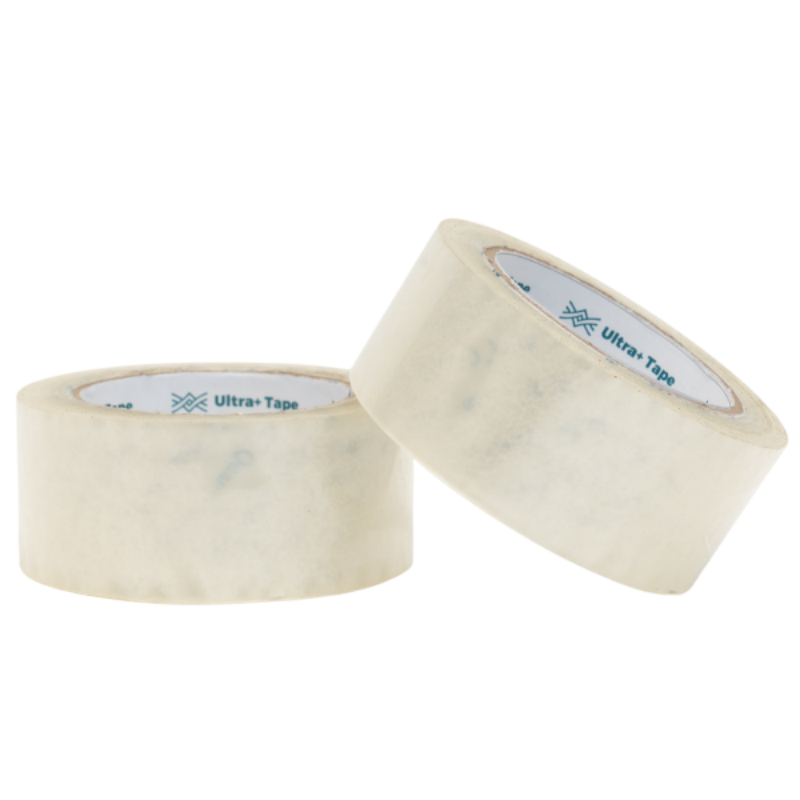
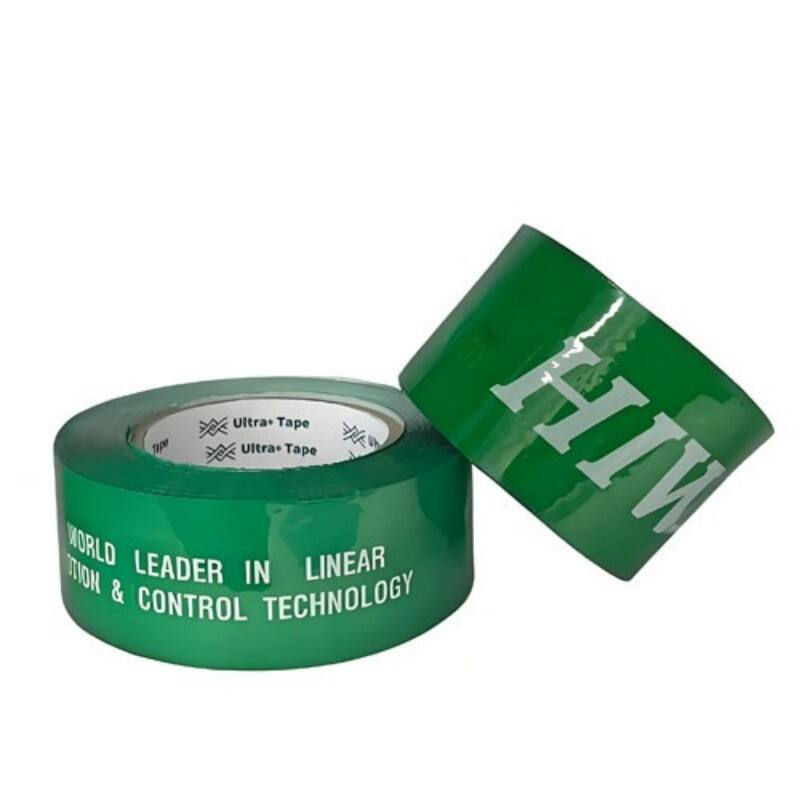
Tape for automatic packing delivers compelling economic advantages that extend far beyond its initial purchase price, creating measurable value through multiple mechanisms that reduce total cost of ownership and improve operational profitability. The precision application enabled by automated systems using tape for automatic packing eliminates the material waste endemic to manual taping operations, where workers typically dispense excessive tape length to ensure adequate coverage, resulting in substantial unnecessary material consumption that accumulates into significant expense across thousands of daily packages. Automated dispensing equipment programmed with optimal tape lengths applies exactly the amount needed for secure sealing, no more and no less, translating directly into reduced tape consumption and lower material costs without compromising package security. This waste elimination becomes particularly significant in high-volume operations processing tens of thousands of packages monthly, where even small per-package savings multiply into substantial annual cost reductions. The consistency delivered by tape for automatic packing prevents package failures that generate expensive consequences throughout the distribution chain, including costs for return shipping, replacement product, customer service time addressing complaints, and potential customer loss from delivery disappointments. By ensuring reliable package sealing that withstands distribution stresses, tape for automatic packing protects the substantial investment already made in products, packaging materials, and outbound shipping while safeguarding customer relationships that represent ongoing revenue streams. Labor efficiency gains provide another significant economic benefit, as automated systems using tape for automatic packing enable fewer workers to accomplish greater packaging throughput compared to manual operations. The labor cost savings from productivity improvements can be redirected toward business growth initiatives or used to improve competitive pricing, while simultaneously addressing the labor availability challenges facing many operations in tight employment markets. The reduced downtime associated with tape for automatic packing contributes economic value through sustained production capacity, as the tape's engineered consistency minimizes machine jams, adjustment requirements, and maintenance interventions that interrupt packaging operations. Every minute of uptime preserved translates directly into additional packages processed and revenue opportunities captured, particularly critical during peak seasons when packaging capacity constraints can limit sales fulfillment. Equipment longevity improves when using quality tape for automatic packing, as the clean unwinding characteristics and appropriate adhesive properties reduce wear on dispensing mechanisms, cutting heads, and drive components, extending service life and deferring capital expenditures for equipment replacement. Maintenance costs decrease through reduced service call frequency and lower spare parts consumption, contributing to more favorable total ownership economics for packaging automation investments. Inventory management efficiency improves with tape for automatic packing standardization, as consolidating on fewer tape specifications reduces inventory carrying costs, simplifies purchasing processes, and minimizes the risk of stock-outs that force emergency purchases at premium prices or production delays that impact customer commitments. The predictable performance of tape for automatic packing enables accurate consumption forecasting, supporting just-in-time inventory strategies that optimize working capital utilization. Quality control costs diminish as the consistent application provided by automated systems using tape for automatic packing reduces the inspection resources required to verify proper package sealing, allowing quality assurance personnel to focus on other value-added activities. The professional package appearance achieved through uniform tape application may generate indirect economic benefits through enhanced brand perception, potentially supporting premium pricing strategies or improving customer retention rates. Collectively, these multifaceted economic advantages demonstrate that tape for automatic packing represents a strategic investment rather than a commodity purchase, delivering measurable returns through operational improvements that strengthen competitive position and support sustainable business growth in increasingly challenging market environments.

 EN
EN