
 EN
EN



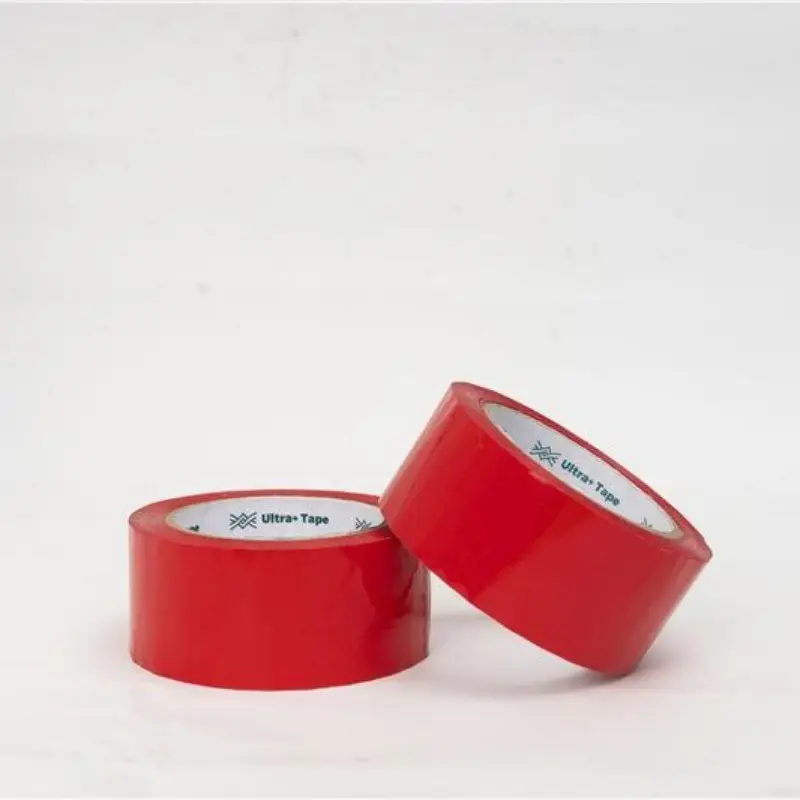
Selecting the right adhesive bopp tape for industrial packaging requires a thorough understanding of application requirements, environmental conditions, and performance characteristics. Industrial packaging demands reliable sealing solutions that maintain carton integrity throughout storage, transportation, and distribution cycles. The decision-making process involves evaluating substrate compatibility, adhesive strength, tensile properties, and operational environment factors that directly impact packaging security and cost efficiency.
Industrial packaging professionals must consider multiple technical specifications when choosing adhesive bopp tape to ensure consistent carton sealing performance across diverse operational conditions. From warehouse temperature fluctuations to the weight-bearing demands of heavy shipments, the proper tape selection prevents package failures, reduces material waste, and enhances supply chain reliability. This comprehensive guide examines the critical factors that influence tape selection, providing actionable insights for procurement managers and packaging engineers seeking optimal sealing solutions for their industrial operations.
Understanding Material Composition and Structure
Core Film Properties of BOPP Substrate
The biaxially oriented polypropylene film forms the foundation of adhesive bopp tape performance characteristics. This manufacturing process involves stretching polypropylene film in both machine and transverse directions, creating molecular orientation that significantly enhances tensile strength, dimensional stability, and resistance to splitting. Industrial-grade adhesive bopp tape typically features film thickness ranging from 28 to 65 microns, with thicker films providing greater puncture resistance and load-bearing capacity for heavy-duty packaging applications.
The clarity and surface energy of BOPP film directly affect print receptivity and adhesive anchoring. Corona treatment or primer coating modifies the film surface to improve adhesive bonding, preventing delamination under stress conditions. When selecting adhesive bopp tape for industrial packaging, consider whether printed branding or color coding is required, as these factors influence the necessary film treatment level and surface characteristics that maintain print quality throughout the distribution cycle.
Film elongation properties determine how adhesive bopp tape responds to dynamic stress during transportation. Quality industrial tapes exhibit controlled elongation between 120% and 150%, allowing the tape to absorb impact forces without breaking while maintaining sufficient recovery to prevent carton opening. This balance between flexibility and strength becomes particularly critical when packaging operations involve automated equipment that applies consistent tension during the sealing process.
Adhesive Chemistry and Bonding Mechanisms
Acrylic and hot melt rubber represent the two dominant adhesive systems used in industrial adhesive bopp tape formulations. Acrylic adhesives provide superior aging resistance, UV stability, and temperature performance, making them ideal for long-term storage applications or shipments exposed to environmental extremes. These adhesives maintain bonding strength across temperature ranges from -40°C to 80°C, ensuring reliable carton sealing in refrigerated warehouses or heated storage facilities.
Hot melt rubber adhesives deliver immediate aggressive tack and excellent adhesion to difficult substrates including recycled corrugated board with high fiber content. The synthetic rubber polymers in these adhesives create mechanical interlocking with porous surfaces, providing strong initial bonds that resist premature package opening during handling. For industrial packaging operations requiring rapid throughput and immediate handling strength, hot melt rubber adhesive bopp tape offers practical advantages in production efficiency and operational speed.
Adhesive coat weight directly correlates with bonding performance and application suitability. Standard industrial adhesive bopp tape features coat weights between 35 and 55 grams per square meter, with heavier coatings providing enhanced adhesion to challenging surfaces. Understanding the relationship between coat weight, substrate porosity, and environmental conditions enables packaging professionals to specify appropriate adhesive levels that balance performance requirements with material cost considerations.
Evaluating Performance Requirements for Industrial Applications
Load-Bearing Capacity and Tensile Strength
Industrial packaging applications impose significant mechanical stress on adhesive bopp tape during filling, palletizing, and transportation operations. Tensile strength requirements vary based on package weight, handling intensity, and distribution network characteristics. For cartons weighing up to 15 kilograms, standard adhesive bopp tape with tensile strength of 140 N/cm provides adequate performance, while heavier packages exceeding 25 kilograms demand reinforced tapes with tensile values reaching 180 N/cm or higher.
The relationship between tape width and load distribution significantly impacts sealing reliability. Wider tapes distribute stress across larger surface areas, reducing the likelihood of substrate failure at the tape interface. Industrial packaging operations typically employ 48mm or 72mm width adhesive bopp tape for standard carton sealing, with the broader dimension recommended for packages subjected to rough handling or extended distribution cycles that increase cumulative stress exposure.
Holding power testing provides quantitative data about adhesive bopp tape performance under sustained load conditions. This measurement evaluates how effectively the tape resists shear forces over time, simulating the gravitational and vibration stresses experienced during transportation. Quality industrial tapes maintain holding power exceeding 24 hours when supporting standardized test weights, indicating reliable long-term performance throughout typical supply chain durations.
Environmental Resistance and Durability Factors
Temperature extremes challenge adhesive bopp tape performance in industrial packaging scenarios ranging from frozen food distribution to automotive parts shipped in uncontrolled environments. Cold temperature applications require adhesives that maintain flexibility and bonding strength below 0°C, preventing brittleness that causes tape fracture during handling. Conversely, high-temperature exposure demands adhesive systems that resist softening, oozing, or adhesive transfer that compromises carton surfaces and handling equipment.
Humidity and moisture exposure affect both adhesive performance and BOPP film integrity during storage and shipment through diverse climate zones. Quality adhesive bopp tape formulations incorporate moisture-resistant adhesive chemistry that prevents water-induced adhesive failure when packages move from dry warehouse environments to humid coastal regions or tropical climates. This environmental stability ensures consistent sealing performance regardless of atmospheric conditions encountered throughout the distribution network.
UV exposure considerations become critical when packaged goods undergo outdoor storage or transportation in open vehicles. Standard adhesive bopp tape exhibits limited UV resistance, with prolonged sunlight exposure causing film degradation and adhesive breakdown within several weeks. For applications involving outdoor exposure, UV-stabilized adhesive bopp tape formulations incorporate specialized additives that extend service life to several months, maintaining functional performance despite continuous sunlight exposure.
Matching Tape Specifications to Carton Characteristics
Substrate Surface Properties and Compatibility
Corrugated board quality directly influences adhesive bopp tape selection criteria for industrial packaging applications. Virgin fiber cartons present relatively smooth, consistent surfaces that allow standard adhesive formulations to achieve reliable bonds. Recycled content board introduces surface irregularities, variable fiber composition, and potential contaminants that demand more aggressive adhesive systems with higher coat weights to ensure adequate mechanical interlocking and chemical bonding.
Surface coatings and printing on carton flaps modify substrate characteristics that affect tape adhesion. Wax coatings, varnishes, and UV-cured inks create low-energy surfaces that resist standard adhesive bonding, requiring adhesive bopp tape formulated specifically for difficult substrates. Industrial packaging operations using coated or heavily printed cartons should specify tapes with modified adhesive chemistry designed to penetrate or mechanically grip these challenging surface treatments.
Dust and particulate contamination on carton surfaces significantly reduces adhesive bopp tape bonding effectiveness. Industrial environments generating cardboard dust, packaging debris, or environmental particulates require either enhanced surface preparation protocols or aggressive adhesive formulations that maintain bonding despite minor contamination. Understanding the cleanliness standards achievable in production environments guides appropriate tape specification that accommodates realistic operational conditions.
Carton Design and Closure Configuration
Flap overlap geometry affects stress distribution across adhesive bopp tape during carton handling and stacking. Standard overlap configurations provide sufficient bonding area for most applications, but specialized carton designs with minimal overlap or reinforced flap structures may require wider tape dimensions or dual-strip closure patterns that distribute mechanical loads across multiple bonding zones. Evaluating carton engineering drawings helps identify appropriate tape width and application patterns that optimize closure strength.
Carton compression strength influences the mechanical support structure surrounding adhesive bopp tape closures. Lightweight cartons with limited stacking strength transfer greater stress to tape closures when packages are palletized or stacked during storage. These applications benefit from reinforced adhesive bopp tape specifications that compensate for reduced carton structural support, maintaining package integrity despite the additional mechanical demands imposed by weak carton construction.
Automated equipment compatibility requirements impact adhesive bopp tape selection for high-volume industrial packaging operations. Case erecting and sealing machinery impose specific demands on tape unwind characteristics, adhesive transfer properties, and dimensional consistency. Industrial operations employing automated packaging lines should verify that selected adhesive bopp tape meets equipment manufacturer specifications regarding roll quality, core dimensions, and performance consistency that ensure reliable machine operation without frequent adjustments or downtime.
Optimizing Cost Efficiency and Performance Balance
Total Cost Analysis Beyond Unit Price
Initial purchase cost represents only one component of total adhesive bopp tape ownership expense in industrial packaging operations. Functional performance directly impacts labor costs, material waste, and downstream consequences of package failure. Premium adhesive bopp tape with superior bonding strength and environmental resistance often delivers lower total cost despite higher unit pricing by reducing resealing labor, minimizing damage claims, and eliminating secondary reinforcement requirements that consume additional materials and time.
Roll length optimization significantly affects material handling efficiency and changeover frequency in production environments. Jumbo rolls containing 990 meters or more reduce machine downtime for roll changes compared to standard 66-meter consumer-grade rolls, improving overall equipment effectiveness in industrial operations. While jumbo rolls require higher initial investment per unit, the operational efficiency gains and reduced packaging material handling translate into measurable labor cost reductions over annual production volumes.
Application waste factors into comprehensive cost evaluation when comparing adhesive bopp tape options for industrial packaging. Tapes with inconsistent unwind characteristics, excessive adhesive transfer, or dimensional variability generate higher scrap rates and operator frustration that reduces productivity. Quality industrial-grade adhesive bopp tape maintains tight manufacturing tolerances that minimize application waste, ensuring that specified roll lengths translate into predictable numbers of sealed cartons without unexpected material depletion.
Performance Verification and Testing Protocols
Implementing structured testing procedures validates adhesive bopp tape performance under actual operational conditions before committing to large-scale procurement. Representative sampling should include cartons sealed with candidate tapes, subjected to typical handling protocols, and stored under realistic environmental conditions for periods matching expected distribution durations. This empirical approach reveals performance characteristics that laboratory specifications alone cannot fully predict in complex real-world applications.
Peel adhesion testing provides standardized measurements of bonding strength between adhesive bopp tape and specific carton substrates used in operations. Testing at multiple time intervals after application reveals adhesive build characteristics, indicating whether bonding strength increases during initial cure periods or remains constant throughout service life. Understanding these temporal performance characteristics helps establish appropriate handling protocols that prevent premature package manipulation before adhesive achieves full bonding strength.
Accelerated aging protocols simulate long-term storage conditions to predict adhesive bopp tape durability throughout extended supply chain durations. Exposing sealed test cartons to elevated temperatures, humidity cycles, and UV radiation compresses months of aging into abbreviated testing periods, revealing potential adhesive degradation, film embrittlement, or bonding failure modes. These predictive tests enable informed tape selection that accounts for worst-case storage scenarios encountered in global distribution networks.
Implementation Strategies for Optimal Results
Application Technique and Equipment Considerations
Proper tension control during adhesive bopp tape application ensures optimal bonding without inducing excessive stress that causes premature failure. Manual application requires consistent operator technique, maintaining moderate tension that conforms the tape to carton surfaces without stretching beyond elastic limits. Automated dispensers provide superior tension consistency, applying programmable force levels that optimize bonding across production runs while eliminating operator variability that compromises closure quality.
Surface preparation significantly impacts adhesive bopp tape performance in industrial packaging operations. While production constraints often limit extensive cleaning protocols, basic dust removal and debris elimination from sealing areas dramatically improve bonding reliability. Simple compressed air cleaning of flap surfaces before tape application removes particulates that otherwise interfere with adhesive contact, enhancing closure strength with minimal process modification or time investment.
Application pressure immediately following tape placement activates adhesive bonding mechanisms that determine ultimate holding strength. Insufficient pressure leaves air pockets at the adhesive interface, reducing effective contact area and compromising performance. Industrial operations benefit from manual or automated burnishing that applies consistent pressure across the entire tape width, ensuring complete adhesive wetting of carton surfaces and maximizing available bonding area for optimal mechanical performance.
Storage and Handling Best Practices
Proper storage conditions preserve adhesive bopp tape performance characteristics throughout inventory cycles before application. Temperature-controlled storage between 15°C and 25°C prevents adhesive property changes that occur with thermal cycling, maintaining consistent bonding performance from first to last roll usage. Humidity control between 40% and 60% relative humidity prevents moisture absorption that can affect adhesive chemistry and film dimensional stability in storage.
Inventory rotation protocols ensure oldest adhesive bopp tape stock receives priority usage, preventing extended storage durations that may degrade adhesive performance despite proper environmental controls. First-in-first-out management systems track receipt dates and establish maximum storage durations typically ranging from 12 to 18 months for standard industrial tapes. This systematic approach prevents specification compliance issues arising from aged inventory that no longer meets original performance standards.
Packaging material storage positioning affects roll quality and subsequent application performance. Adhesive bopp tape rolls stored upright on cores rather than stacked horizontally prevent core deformation and edge damage that causes unwind problems in dispensing equipment. This simple storage practice maintains roll geometry, ensuring consistent feeding characteristics that reduce machine adjustments and minimize application defects throughout production operations.
FAQ
What is the typical shelf life of industrial adhesive bopp tape before performance degradation occurs?
Industrial-grade adhesive bopp tape generally maintains specified performance characteristics for 12 to 18 months when stored under controlled conditions between 15°C and 25°C with 40% to 60% relative humidity. Acrylic adhesive formulations typically offer longer shelf stability compared to hot melt rubber systems, with some premium products maintaining performance for up to 24 months. Storage in extreme temperatures or high humidity environments significantly reduces effective shelf life, potentially causing adhesive property changes within 6 to 9 months. Implementing first-in-first-out inventory management and monitoring storage conditions ensures tape performance remains within specifications throughout the supply period before application.
How does carton recycled content percentage affect adhesive bopp tape selection requirements?
Cartons containing higher recycled fiber percentages present more challenging bonding surfaces due to increased surface irregularity, variable fiber composition, and potential contamination from previous use cycles. Standard adhesive bopp tape formulated for virgin fiber board may exhibit reduced performance on recycled content exceeding 50%, requiring specification adjustments including higher adhesive coat weight, modified adhesive chemistry with enhanced tack properties, or wider tape dimensions that increase total bonding area. Testing candidate tapes on actual carton stock used in operations provides empirical performance data that guides appropriate specification matching to substrate characteristics, ensuring reliable sealing despite recycled content challenges.
Can adhesive bopp tape performance be enhanced through multi-strip application patterns?
Multiple parallel strips of adhesive bopp tape can significantly increase closure strength for heavy packages or challenging applications, though this approach increases material cost and application labor. The H-pattern configuration applying tape strips along both flap edges and across the center seam distributes stress across multiple bonding zones, reducing load concentration that causes single-strip failures. However, proper single-strip tape selection matching application requirements typically provides adequate performance at lower material cost compared to multi-strip patterns. Multi-strip configurations prove most beneficial for oversized cartons, extremely heavy contents exceeding 30 kilograms, or packages subjected to exceptional handling severity that exceeds standard single-strip capacity.
What testing methods verify adhesive bopp tape compatibility with automated packaging equipment?
Equipment compatibility testing should include extended production trials using candidate adhesive bopp tape in actual packaging machinery under normal operating conditions. Key performance indicators include consistent unwind characteristics without telescoping or adhesive transfer, reliable dispensing without edge lifting or premature cutting, and consistent adhesive application without residue buildup on machine components. Testing should span multiple rolls across several production shifts to identify intermittent issues related to roll manufacturing variability. Machine manufacturers often provide tape specification guidelines regarding optimal unwind tension, adhesive properties, and dimensional tolerances that serve as baseline requirements for candidate tape evaluation before committing to large-volume procurement.
Table of Contents
- Understanding Material Composition and Structure
- Evaluating Performance Requirements for Industrial Applications
- Matching Tape Specifications to Carton Characteristics
- Optimizing Cost Efficiency and Performance Balance
- Implementation Strategies for Optimal Results
-
FAQ
- What is the typical shelf life of industrial adhesive bopp tape before performance degradation occurs?
- How does carton recycled content percentage affect adhesive bopp tape selection requirements?
- Can adhesive bopp tape performance be enhanced through multi-strip application patterns?
- What testing methods verify adhesive bopp tape compatibility with automated packaging equipment?