Customization Capabilities Meeting Diverse Industry Requirements
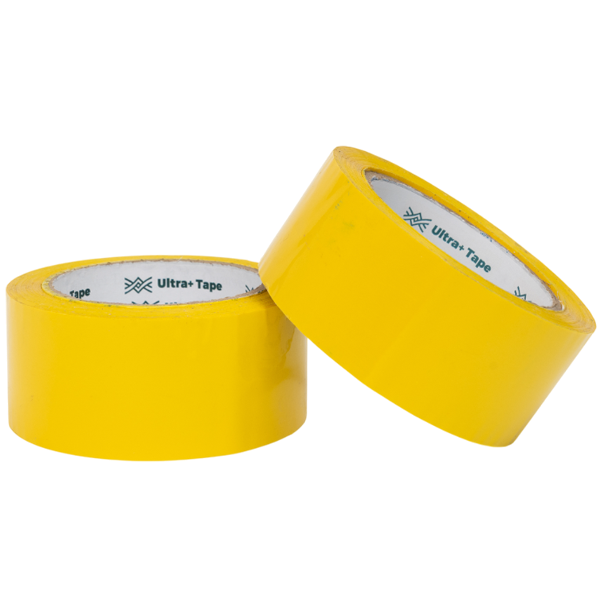
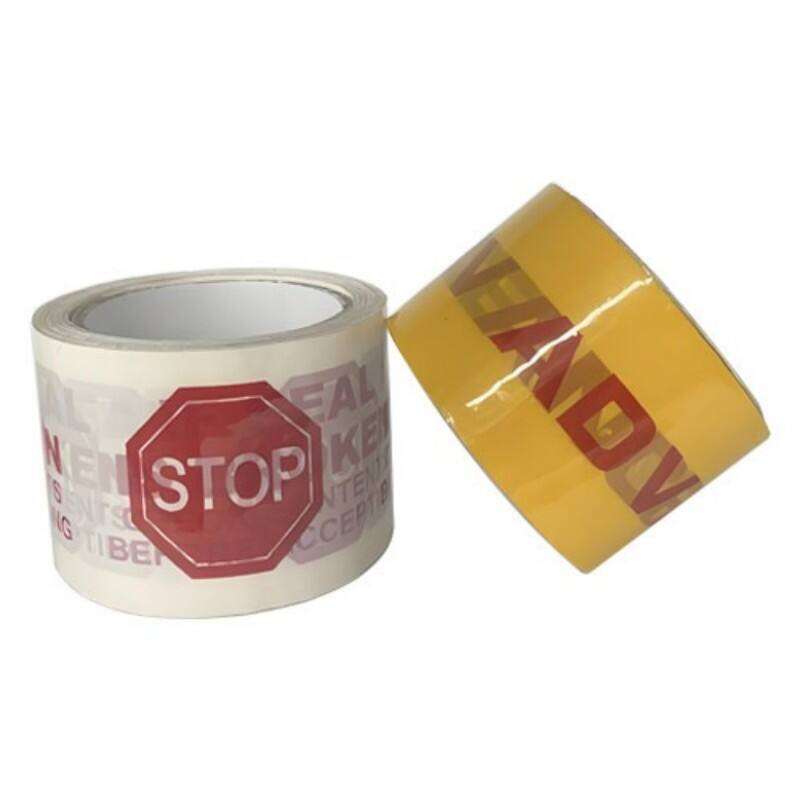
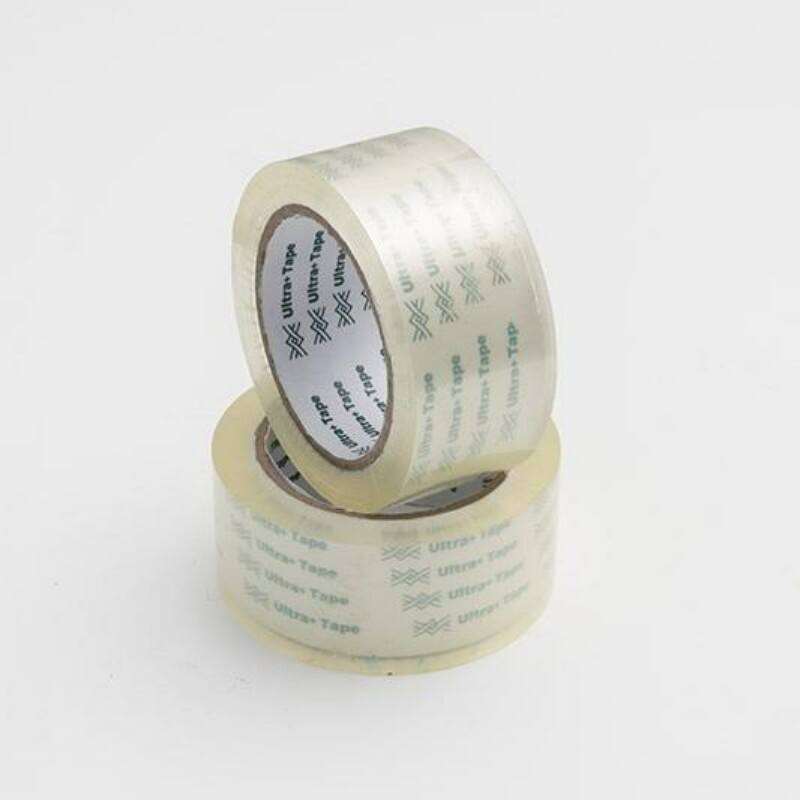
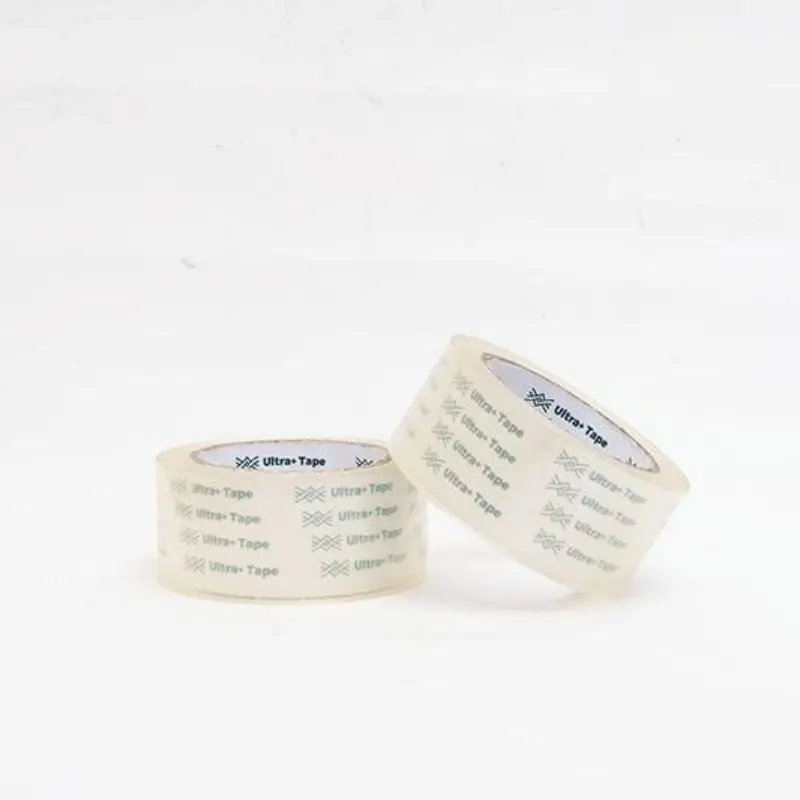
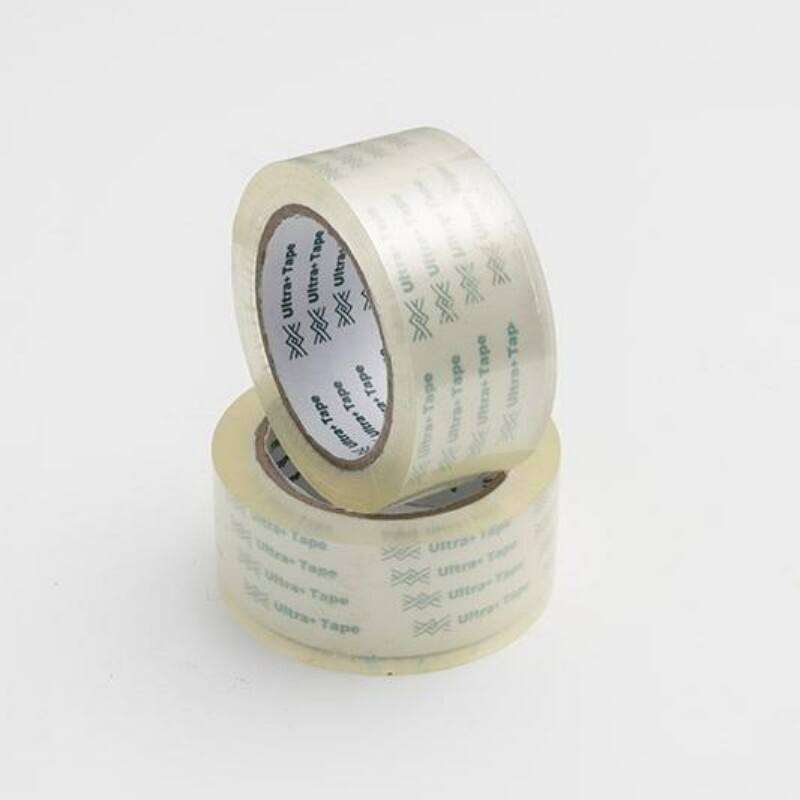
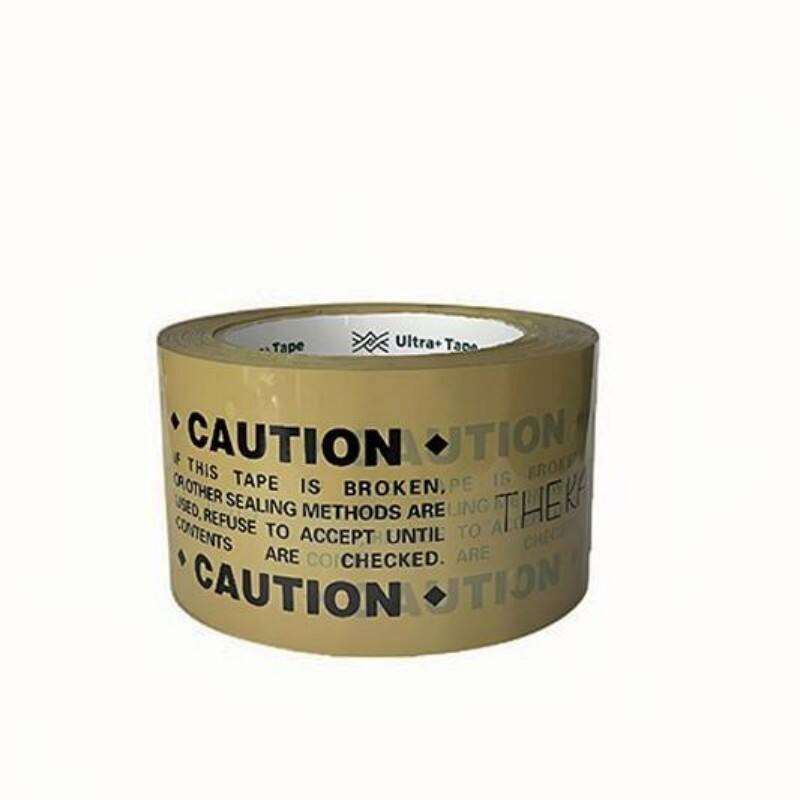
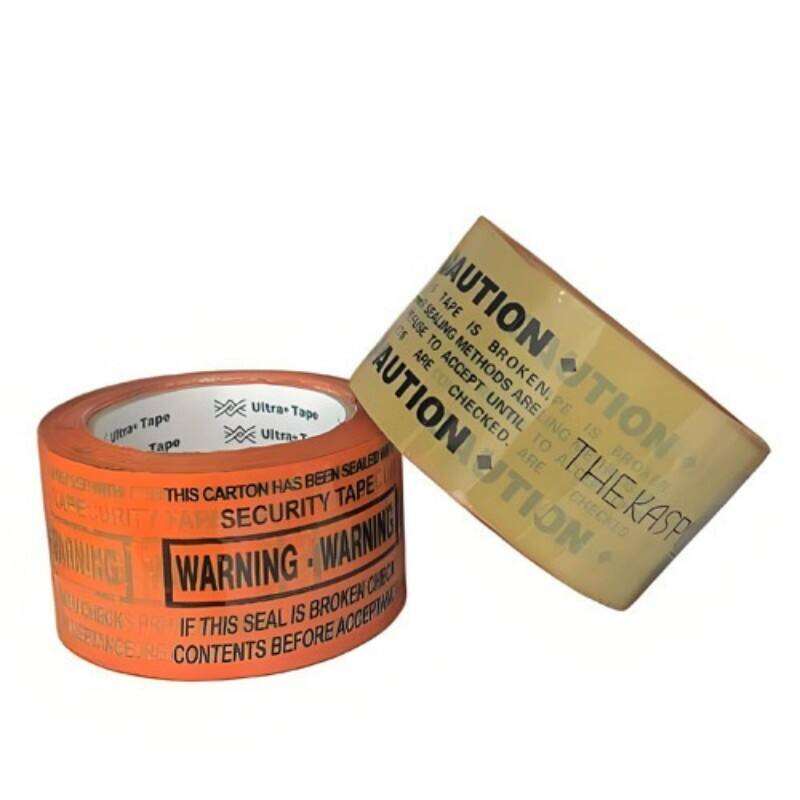
The flexibility and customization expertise available from a low noise tape factory provide significant competitive advantages for businesses with specialized needs or unique application challenges. Unlike commodity tape suppliers offering limited standard products, these specialized manufacturers maintain the technical knowledge, production capabilities, and collaborative approach necessary to develop tailored solutions. The customization process typically begins with application analysis, where factory engineers work directly with customers to understand their specific requirements. This consultation explores the surfaces being bonded, environmental conditions during application and service life, performance expectations, and of course, acoustic requirements. A low noise tape factory brings deep expertise to these discussions, often identifying considerations customers might overlook and suggesting optimizations that enhance overall performance. Material selection represents the first customization dimension. Backing materials can be specified from various films, papers, or specialty substrates depending on application needs. A packaging operation might require oriented polypropylene for its balance of strength and cost-effectiveness, while a medical application might specify breathable nonwoven materials. The low noise tape factory maintains relationships with multiple material suppliers, providing access to an extensive palette of options. Each backing choice influences final acoustic properties, so engineers model how different materials will perform before committing to production trials. Adhesive customization offers even greater flexibility. A low noise tape factory can formulate adhesives optimized for specific surface energies, whether bonding to corrugated cardboard, smooth plastics, textured metals, or challenging low-surface-energy materials. Temperature resistance can be tailored for applications ranging from frozen food packaging to industrial processes involving elevated temperatures. Removability characteristics can be adjusted, creating tapes that release cleanly after temporary bonding or provide permanent adhesion for long-term applications. Throughout these variations, the factory maintains the quiet-operation characteristics that define their specialty. Width and length specifications accommodate diverse dispensing equipment and usage patterns. A low noise tape factory can produce narrow precision tapes for electronics assembly or wide rolls for automated packaging lines. Custom core sizes match specific dispensing equipment, while roll lengths are optimized for your usage rates, minimizing changeover frequency and waste. Printing and converting capabilities add further customization options. Company logos, handling instructions, or product information can be printed directly on tape, enhancing brand visibility and providing functional benefits. Die-cutting services create custom shapes for specialized applications, while laminating capabilities combine multiple materials into composite structures with unique property combinations. The development timeline for custom products from a low noise tape factory typically spans several weeks, depending on complexity. Initial formulation work produces prototype samples for customer evaluation, followed by iterative refinement based on feedback and testing results. Once specifications are finalized, the factory establishes dedicated production protocols ensuring consistent replication of the custom formulation across future orders. This investment in customization capabilities reflects the low noise tape factory understanding that diverse industries face unique challenges requiring tailored solutions rather than one-size-fits-all products.

 EN
EN