
 EN
EN



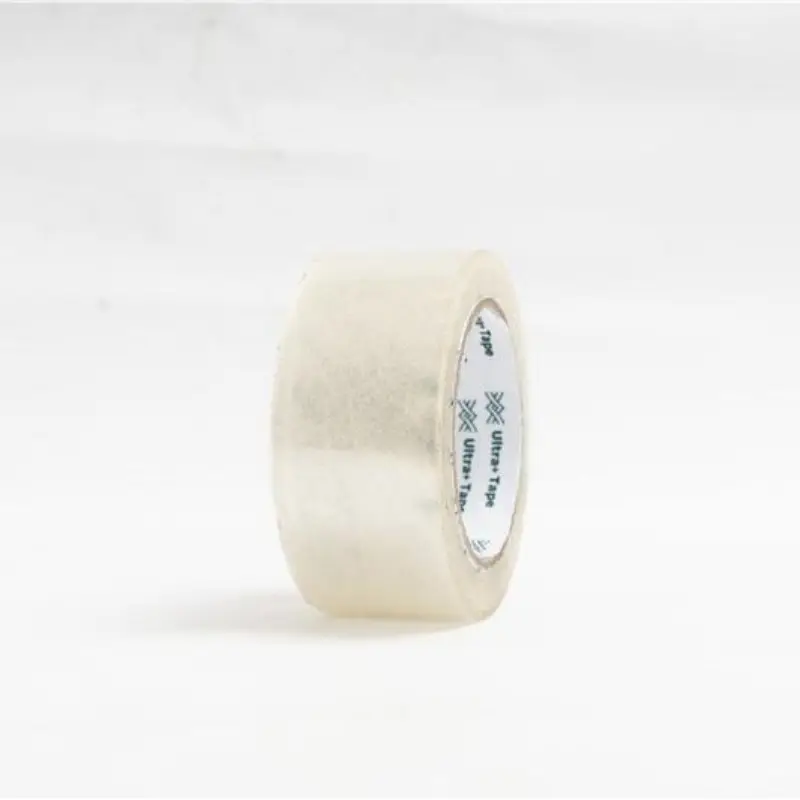
High-volume packing operations demand packaging materials that deliver consistent performance, reliable adhesion, and operational efficiency across thousands of cartons per shift. When packaging lines run at speeds exceeding 30 cartons per minute, the choice of sealing material becomes a critical factor in maintaining throughput, minimizing downtime, and controlling operational costs. Biaxially Oriented Polypropylene adhesive tape has emerged as the dominant solution in automated packaging environments, but not all formulations deliver equal performance under the mechanical stress and environmental variability of industrial packing lines. Selecting the appropriate bopp adhesive tape variant requires understanding how film thickness, adhesive chemistry, and structural characteristics align with specific line speed requirements, carton weight ranges, and environmental conditions prevalent in modern distribution centers.
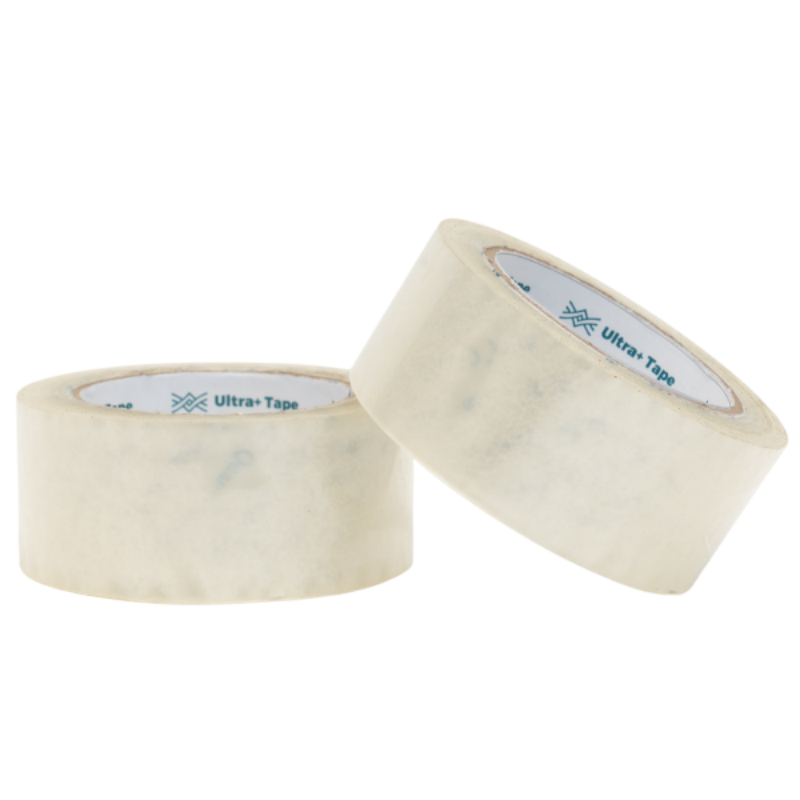
The decision matrix for matching tape specifications to packing line characteristics extends beyond simple adhesive strength measurements. Production engineers must evaluate how tape unwinds under tension at variable speeds, how adhesive performs across temperature gradients between warehouse zones, and how film tensile properties respond to the repetitive stress patterns generated by case sealing machinery. Standard bopp adhesive tape products occupy multiple performance tiers differentiated by backing thickness ranges from 35 to 65 microns, adhesive coat weights from 18 to 28 grams per square meter, and holding power specifications spanning 300 to 800 grams per inch width. Understanding which combination of these parameters matches specific operational profiles prevents both over-specification that inflates material costs and under-specification that triggers line stoppages due to seal failures, misfeeds, or premature adhesive release during carton transit.
Understanding Performance Requirements for High-Speed Automated Lines
Mechanical Stress Patterns in Automated Case Sealing Equipment
Automated case sealing machinery subjects bopp adhesive tape to mechanical forces that differ fundamentally from manual application conditions. When tape dispensers operate at line speeds between 25 and 45 cartons per minute, the material experiences rapid acceleration and deceleration cycles as it transitions from stationary roll storage to applied state on moving carton surfaces. This velocity change occurs within milliseconds and generates tensile stress across the film backing that can range from 8 to 15 Newtons depending on machine configuration and tape path geometry. Films with inadequate tensile strength exhibit necking behavior during high-speed dispensing, creating inconsistent tape width on carton surfaces and potential gaps in seal coverage that compromise carton integrity during handling.
The adhesive coating on bopp adhesive tape must maintain stable tack properties throughout the mechanical application process while resisting premature adhesion to dispenser guide surfaces. Acrylic-based adhesive formulations demonstrate superior performance in automated environments compared to natural rubber alternatives because acrylic polymers exhibit consistent rheological behavior across temperature ranges from 5 to 40 degrees Celsius typical in warehouse environments. When tape passes through dispenser head assemblies operating at sustained speeds, frictional heat generation can elevate adhesive temperature by 8 to 12 degrees above ambient conditions within the contact zone. Adhesive systems that soften excessively under these thermal conditions create residue buildup on dispenser blades and guide rollers, necessitating frequent maintenance interventions that reduce effective line utilization rates.
Carton Load Profiles and Seal Performance Requirements
The weight and dimensional characteristics of packed cartons directly influence the minimum performance threshold for bopp adhesive tape selection in high-volume operations. Standard corrugated containers used in e-commerce fulfillment typically range from 5 to 25 kilograms gross weight, with carton flap interfaces experiencing shear stress between 200 and 600 grams per linear inch during handling through conveyor systems, palletization equipment, and transportation loading operations. The adhesive system must generate sufficient initial tack to create immediate bond formation with corrugated surfaces while developing ultimate holding power within 24 hours that exceeds peak stress values encountered during the distribution cycle.
Film backing thickness becomes particularly critical when sealing cartons containing dense products that create outward pressure on sidewall panels. Cartons packed to 90 percent volumetric capacity with rigid items generate sustained outward force against top flaps that can exceed 2 kilograms per square decimeter. Under these loading conditions, bopp adhesive tape with backing thickness below 45 microns may experience creep deformation over time, allowing gradual separation of flap interfaces despite adequate initial adhesion. Operations handling heavy cartons exceeding 18 kilograms typically specify tape with minimum backing thickness of 50 microns and adhesive coat weight above 22 grams per square meter to ensure seal integrity through multiple handling events across extended distribution timelines spanning 10 to 14 days from packing to final delivery.
Environmental Condition Variables in Warehouse Settings
Temperature and humidity fluctuations within warehouse environments create dynamic conditions that affect both tape application characteristics and long-term seal performance. Distribution centers operating in temperate climates commonly experience daily temperature variations of 8 to 15 degrees Celsius between morning and afternoon periods, while facilities in continental climates may encounter seasonal temperature differentials exceeding 30 degrees between winter and summer operating conditions. Acrylic adhesive formulations used in premium bopp adhesive tape products maintain stable bonding performance across this temperature range because the glass transition temperature of acrylic polymers typically falls below minus 20 degrees Celsius, ensuring the adhesive remains in its elastic state throughout normal warehouse conditions.
Relative humidity levels influence both the immediate tack behavior during application and the development of ultimate holding strength over the curing period following application. Corrugated fiberboard surfaces exhibit variable porosity depending on moisture content, with relative humidity above 65 percent increasing fiber surface moisture and potentially reducing adhesive penetration into the substrate structure. High-volume operations in humid coastal regions or during summer months in continental climates benefit from bopp adhesive tape formulations incorporating adhesive promoters that enhance wetting characteristics on high-moisture substrates. Conversely, facilities operating in arid climates with relative humidity below 30 percent may encounter increased static electricity generation during high-speed unwinding, requiring tape products with antistatic additives in the film backing or release coating to prevent feeding irregularities in automated dispensing equipment.
Film Backing Specifications and Their Operational Impact
Thickness Classifications and Tensile Performance
The biaxially oriented polypropylene film that forms the backing of bopp adhesive tape undergoes manufacturing processes that create molecular orientation in both machine direction and transverse direction, resulting in balanced tensile properties that resist deformation under applied stress. Standard commercial grades are classified into thickness categories measured in microns, with common specifications including 38-micron economy grade, 45-micron standard grade, 50-micron medium-duty grade, and 60-micron heavy-duty grade. Each thickness increment provides approximately 12 to 15 percent increase in breaking strength, with 50-micron bopp adhesive tape typically exhibiting tensile strength values between 140 and 160 Newtons per 25-millimeter width compared to 110 to 130 Newtons for 38-micron variants.
High-volume packing lines operating at sustained speeds above 35 cartons per minute generate mechanical forces during tape application that can approach 40 percent of ultimate breaking strength for brief intervals during acceleration phases. This stress margin requires specifying tape with tensile reserves sufficient to prevent film failure during normal operational cycles while accommodating occasional mechanical transients from carton dimension variations or minor equipment misalignment. Distribution operations sealing mixed carton sizes on single packing lines benefit from specifying 50-micron minimum thickness bopp adhesive tape to ensure consistent performance across the range of carton heights and flap configurations encountered during typical production runs. The additional film material cost typically represents less than 8 percent premium compared to economy grades while reducing seal failure rates by factors exceeding three-to-one in controlled operational studies.
Elongation Properties and Conformability
Beyond pure tensile strength, the elongation characteristics of bopp adhesive tape backing material influence how effectively the tape conforms to irregular carton surfaces and accommodates minor flap misalignment during high-speed sealing operations. Biaxially oriented films exhibit elongation at break values typically ranging from 120 to 180 percent, with this extension capacity allowing the material to stretch slightly during application to bridge small gaps between flap edges or compensate for minor carton dimension inconsistencies. Films with inadequate elongation capacity tear rather than stretch when subjected to localized stress concentrations, creating partial seal coverage that compromises carton security.
The relationship between tensile modulus and elongation creates a performance balance that varies with film thickness. Thicker bopp adhesive tape backings generally exhibit higher absolute tensile strength but lower percentage elongation compared to thinner films of identical polymer formulation. For packing lines handling cartons with variable quality corrugated stock or those processing cartons with die-cut features that create surface irregularities, selecting tape with elongation values above 140 percent ensures the material accommodates surface variations without creating stress concentrations that could initiate tear propagation. Operations experiencing seal failures characterized by film splitting along the edges of applied tape strips typically benefit from transitioning to formulations optimizing elongation properties rather than simply increasing backing thickness.
Surface Treatment and Release Coating Performance
The reverse side of bopp adhesive tape backing receives specialized surface treatments during manufacturing that control unwind characteristics and prevent adhesive transfer between wound layers on the roll. Corona treatment or flame treatment processes modify the surface energy of the polypropylene film, creating controlled release properties that allow smooth unwinding at high speeds without generating excessive noise or creating static charge buildup. Premium bopp adhesive tape products incorporate silicone-based release coatings applied at coverage rates between 0.8 and 1.2 grams per square meter that further optimize unwind performance while protecting the adhesive layer from contamination during storage.
Automated dispensing equipment sensitivity to unwind torque variations makes release coating consistency particularly critical in high-volume operations. Dispensers regulate tension through mechanical or pneumatic brake systems calibrated to maintain constant unwinding force throughout roll depletion from full diameter to core diameter. Inconsistent release characteristics cause tension fluctuations that automated tension control systems cannot fully compensate, resulting in variable tape application length and potential feeding errors. High-volume facilities processing more than 5000 cartons per shift should specify bopp adhesive tape products manufactured with inline release coating application and verification systems that ensure coating weight consistency within plus-or-minus 8 percent across entire roll lengths, preventing the unwind irregularities that trigger nuisance line stoppages.
Adhesive Chemistry Selection for Production Environments
Acrylic Versus Natural Rubber Adhesive Systems
The two dominant adhesive chemistries used in bopp adhesive tape products exhibit distinctly different performance characteristics that make each suitable for specific operational profiles. Acrylic-based pressure-sensitive adhesives consist of copolymer systems that deliver consistent tack and holding power across broad temperature ranges while exhibiting excellent aging resistance and minimal adhesive transfer to substrate surfaces. These systems develop ultimate holding strength through time-dependent increases in polymer chain interpenetration with substrate surfaces, reaching approximately 70 percent of maximum strength within two hours of application and 95 percent within 24 hours under standard warehouse conditions.
Natural rubber adhesive formulations provide higher initial tack values immediately upon contact with corrugated surfaces, creating rapid bond development that can be advantageous when cartons enter high-speed conveyor systems within minutes of sealing. However, rubber-based bopp adhesive tape exhibits greater sensitivity to temperature variations, with adhesive softening at temperatures above 35 degrees Celsius potentially causing cohesive failure within the adhesive layer rather than adhesive separation from substrate surfaces. Operations in temperature-controlled environments maintaining consistent conditions between 18 and 24 degrees Celsius may successfully utilize rubber-based systems, while facilities experiencing seasonal temperature swings or those shipping cartons into varied climatic regions benefit from specifying acrylic adhesive chemistry that maintains performance integrity across environmental variations.
Adhesive Coat Weight and Coverage Uniformity
The quantity of adhesive applied to bopp adhesive tape backing material directly influences both immediate tack characteristics and ultimate holding power under sustained loading conditions. Coat weight specifications typically range from 18 grams per square meter for economy applications to 28 grams per square meter for heavy-duty operations, with each increment of approximately 3 grams per square meter providing measurable increases in peel adhesion values and shear resistance properties. High-volume packing operations benefit from specifying minimum coat weights of 22 grams per square meter to ensure adequate adhesive contact area with corrugated surfaces that may exhibit surface irregularities or dust contamination from warehouse environments.
Equally important to absolute coat weight is the uniformity of adhesive distribution across tape width and along tape length throughout the manufactured roll. Coating process variations can create adhesive thickness differentials that manifest as inconsistent sealing performance, with under-coated zones exhibiting reduced holding strength and over-coated areas potentially causing excessive adhesive squeeze-out during application that creates residue on dispenser equipment. Premium bopp adhesive tape manufacturers employ gravimetric coating verification systems that monitor adhesive application in real-time during production, maintaining coat weight consistency within plus-or-minus 6 percent throughout individual roll lengths. This consistency prevents the intermittent seal failures that prove particularly disruptive in high-volume automated operations where individual failure investigation consumes disproportionate labor resources relative to low-speed manual packing environments.
Quick-Stick Properties and Bond Development Timeline
The initial tack generated when bopp adhesive tape contacts corrugated surfaces determines how quickly sealed cartons can safely enter downstream handling operations without risk of seal separation during early phases of bond development. Quick-stick performance measurements quantify the force required to separate freshly applied tape from substrate surfaces after brief dwell periods ranging from instantaneous contact to 30 seconds elapsed time. High-volume operations with minimal dwell time between sealing stations and first carton handling event require tape specifications delivering minimum quick-stick values exceeding 400 grams per inch width within 5 seconds of application.
The timeline for adhesive systems to reach ultimate holding strength varies with both chemistry selection and environmental conditions, with acrylic formulations typically requiring 18 to 24 hours to achieve maximum performance values while rubber-based systems approach peak strength within 4 to 8 hours. Operations implementing direct-to-truck loading within hours of packing must account for this bond development timeline when selecting bopp adhesive tape specifications, potentially requiring heavier coat weights or enhanced quick-stick formulations to ensure seal integrity during early handling phases. Conversely, facilities maintaining minimum 12-hour dwell periods between packing and shipment departure can optimize material costs by specifying standard adhesive formulations that develop full strength during the natural staging period built into operational workflows.
Matching Tape Specifications to Line Speed and Carton Profiles
Low to Medium Speed Lines: 15 to 30 Cartons Per Minute
Packaging operations running at line speeds between 15 and 30 cartons per minute represent the most common configuration in small to mid-size distribution facilities and e-commerce fulfillment centers. At these throughput rates, mechanical stresses during tape application remain moderate, allowing successful operation with bopp adhesive tape specifications in the standard performance tier. For cartons weighing between 5 and 15 kilograms with single-wall corrugated construction, 45-micron backing thickness with 20 to 22 grams per square meter acrylic adhesive coat weight provides adequate performance margins while maintaining competitive material costs.
Operations at this speed range benefit from tape width selection that balances adequate seal coverage with material efficiency. Standard 48-millimeter width bopp adhesive tape provides minimum acceptable overlap beyond carton flap edges for typical carton sizes, while 60-millimeter widths offer additional security margin for cartons with worn or damaged flap edges common when using recycled corrugated stock. The moderate line speeds allow dispensing equipment to operate within optimal tension control ranges, reducing sensitivity to minor variations in unwind torque and permitting successful operation with mid-grade release coating specifications. Facilities should specify tape with minimum tensile strength of 130 Newtons per 25-millimeter width and elongation values above 130 percent to ensure reliable performance across typical carton quality variations encountered in mixed-SKU fulfillment operations.
High-Speed Lines: 30 to 50 Cartons Per Minute
Packaging lines operating above 30 cartons per minute enter the high-speed category where mechanical forces during tape application increase substantially and operational margins tighten correspondingly. These systems typically incorporate servo-driven dispensing heads with active tension control and precision cut-off mechanisms that subject bopp adhesive tape to acceleration forces approaching 2 G during rapid start-stop cycles. At line speeds of 40 cartons per minute, tape experiences instantaneous velocity changes from zero to 2 meters per second within 50-millisecond intervals, generating tensile stress spikes that can approach 60 percent of film breaking strength.
High-speed operations require minimum backing thickness of 50 microns with tensile strength specifications exceeding 145 Newtons per 25-millimeter width to maintain adequate safety margins against film failure during normal operational transients. Adhesive formulations must emphasize quick-stick performance while maintaining long-term holding power, typically requiring coat weights between 24 and 26 grams per square meter with enhanced tackifier content optimized for rapid bond formation with corrugated surfaces. Release coating consistency becomes critical at these speeds, with unwind torque variations exceeding 15 percent potentially triggering feeding irregularities that automated tension systems cannot fully compensate. Premium bopp adhesive tape products manufactured specifically for high-speed applications incorporate enhanced release coating formulations applied at tightly controlled coverage rates that maintain unwind consistency within plus-or-minus 5 percent throughout roll depletion cycles.
Heavy-Duty Applications: Cartons Exceeding 20 Kilograms
Distribution operations handling cartons with gross weights exceeding 20 kilograms encounter substantially elevated mechanical stresses at flap interfaces during handling operations, requiring bopp adhesive tape specifications that prioritize ultimate holding strength over economy considerations. Heavy cartons generate sustained shear forces at sealed joints during palletization when multiple layers compress lower tiers, during transportation when vehicle acceleration and braking create inertial loading, and during depalletization when mechanical handling equipment applies point loads to carton surfaces during separation operations.
Heavy-duty carton sealing applications benefit from 60-micron backing thickness paired with adhesive coat weights of 26 to 28 grams per square meter utilizing acrylic formulations with elevated crosslinking density that enhances cohesive strength within the adhesive layer. This combination delivers peel adhesion values exceeding 700 grams per inch width and shear resistance above 48 hours at standard test conditions, providing performance margins sufficient to maintain seal integrity through distribution cycles involving multiple handling events and exposure to temperature variations during multi-modal transportation. Operations sealing heavy cartons should also consider increased tape width specifications, with 72-millimeter widths providing enhanced seal coverage that distributes stress concentrations and reduces risk of seal edge lifting under sustained loading conditions common in heavy-freight distribution networks.
Operational Considerations and Total Cost Analysis
Roll Specifications and Change-Over Frequency
The physical dimensions of bopp adhesive tape rolls significantly influence operational efficiency in high-volume environments through their impact on change-over frequency and associated line downtime. Standard roll configurations include 990-meter length on 76-millimeter cores for manual dispensing applications and extended 1980-meter lengths on the same core diameter for automated high-speed lines. At a line speed of 35 cartons per minute with average tape consumption of 0.8 meters per carton, a standard 990-meter roll provides approximately 35 minutes of continuous operation before requiring change-over, while extended-length rolls deliver 70 minutes between interventions.
Roll change-over operations typically consume 2 to 4 minutes of line time including tape threading through dispenser mechanisms, tail splicing procedures, and verification of proper feeding operation. In high-volume facilities operating 16-hour production shifts, the difference between standard and extended-length bopp adhesive tape rolls represents 8 to 10 fewer change-over events per shift, translating to throughput gains between 24 and 40 cartons per day per line. When evaluating total cost of ownership, operations should calculate the labor value of reduced change-over interventions against the typically modest price premium for extended-length rolls, with most facilities finding positive return on investment when line speeds exceed 25 cartons per minute sustained averages.
Adhesive Residue Management and Equipment Maintenance
The accumulation of adhesive residue on dispenser components represents a significant maintenance burden in high-volume packing operations, with residue buildup progressively degrading cut quality, increasing unwind resistance, and eventually causing feeding failures that necessitate line stoppages. Acrylic adhesive formulations used in premium bopp adhesive tape products generate substantially less residue transfer to dispenser blades and guide surfaces compared to rubber-based alternatives because acrylic polymers exhibit lower tack to metal and plastic surfaces at the elevated temperatures generated through friction during high-speed dispensing operations.
Facilities can quantify residue-related maintenance requirements by tracking blade replacement frequency and cleaning intervention rates across different tape specifications. Operations utilizing standard acrylic bopp adhesive tape typically achieve blade service intervals exceeding 50000 carton cycles before cut quality degradation necessitates replacement, while rubber-based formulations may require blade changes at intervals below 30000 cycles under equivalent operating conditions. The incremental cost difference between acrylic and rubber-based tape formulations typically ranges from 8 to 12 percent, while blade replacement and associated labor costs can exceed 15 percent of total tape material costs in high-volume operations. When calculating comprehensive operational economics, specifying premium acrylic-based bopp adhesive tape often delivers net cost advantages through extended component service life and reduced maintenance labor requirements despite higher initial material prices.
Environmental Compliance and Sustainability Considerations
Increasing regulatory requirements and corporate sustainability commitments are driving evaluation of environmental characteristics within bopp adhesive tape selection processes for major distribution operations. Polypropylene film backing material offers inherent recyclability advantages compared to PVC-based alternatives, with clean polypropylene film streams accepted by most plastic recycling programs when properly segregated. However, the presence of adhesive coating and paper release liners complicates recycling processes, with most municipal systems currently unable to efficiently process used pressure-sensitive tape materials.
Operations prioritizing sustainability metrics should evaluate bopp adhesive tape suppliers offering products manufactured with recycled polypropylene content in backing films or those utilizing bio-based adhesive components derived from renewable feedstocks. Current market offerings include formulations incorporating up to 30 percent post-industrial recycled content in film backing while maintaining performance specifications suitable for automated high-speed operations. While these sustainable variants typically command price premiums between 12 and 18 percent compared to conventional products, major corporate buyers increasingly view these incremental costs as acceptable investments in supply chain sustainability objectives. Additionally, facilities should consider implementing tape waste collection programs that segregate unused roll remnants and application trim waste for return to specialized recyclers capable of processing adhesive-contaminated polypropylene streams, potentially recovering 60 to 75 percent of material value through chemical recycling processes.
FAQ
What minimum backing thickness should be specified for packaging lines running above 35 cartons per minute?
Packaging operations maintaining sustained line speeds above 35 cartons per minute should specify bopp adhesive tape with minimum backing thickness of 50 microns to ensure adequate tensile strength margins against film failure during high-speed dispensing operations. At these throughput rates, mechanical forces during acceleration phases and tension control operations can approach 60 percent of ultimate film breaking strength, requiring thicker backing materials that deliver tensile values exceeding 145 Newtons per 25-millimeter width. Facilities handling cartons with gross weights above 18 kilograms should consider 60-micron backing specifications regardless of line speed to ensure seal integrity under elevated shear stress conditions during distribution handling.
How does temperature variation in warehouse environments affect bopp adhesive tape performance?
Temperature fluctuations within warehouse facilities directly influence both the immediate application characteristics and long-term holding strength of bopp adhesive tape. Acrylic-based adhesive formulations maintain consistent performance across temperature ranges from 5 to 40 degrees Celsius because the glass transition temperature of acrylic polymers falls well below normal warehouse conditions, keeping the adhesive in its optimal elastic state. Facilities experiencing seasonal temperature variations exceeding 25 degrees or those shipping into diverse climatic regions should specify acrylic adhesive chemistry rather than natural rubber formulations that soften at temperatures above 35 degrees Celsius and may experience cohesive failure under sustained loading conditions in warm environments.
What role does adhesive coat weight play in high-volume packaging operations?
Adhesive coat weight specifications directly determine both immediate tack characteristics during application and ultimate holding power under sustained loading throughout the distribution cycle. High-volume operations benefit from minimum coat weights of 22 grams per square meter to ensure adequate adhesive contact with corrugated surfaces that may exhibit irregularities or contamination common in warehouse environments. Each increment of approximately 3 grams per square meter in coat weight provides measurable increases in peel adhesion and shear resistance, with heavy-duty applications requiring coat weights between 26 and 28 grams per square meter to maintain seal integrity on cartons exceeding 20 kilograms gross weight during multi-modal transportation and multiple handling events.
How frequently should tape specifications be re-evaluated in established packaging operations?
Distribution facilities should conduct comprehensive bopp adhesive tape specification reviews at minimum annual intervals or when operational parameters change significantly through line speed increases, carton weight profile shifts, or equipment upgrades. Formal evaluation processes should include seal failure rate tracking across minimum 30-day observation periods, dispenser maintenance requirement documentation, and total cost of ownership calculations incorporating material costs, change-over labor, maintenance expenses, and failure-related rework. Operations experiencing seal failure rates exceeding 0.5 percent of total carton throughput or requiring dispenser blade replacements more frequently than every 40000 cycles should conduct immediate specification reviews to identify whether current tape selections adequately match operational demands and environmental conditions.
Table of Contents
- Understanding Performance Requirements for High-Speed Automated Lines
- Film Backing Specifications and Their Operational Impact
- Adhesive Chemistry Selection for Production Environments
- Matching Tape Specifications to Line Speed and Carton Profiles
- Operational Considerations and Total Cost Analysis
-
FAQ
- What minimum backing thickness should be specified for packaging lines running above 35 cartons per minute?
- How does temperature variation in warehouse environments affect bopp adhesive tape performance?
- What role does adhesive coat weight play in high-volume packaging operations?
- How frequently should tape specifications be re-evaluated in established packaging operations?