Seamless Integration With Existing Packaging Operations
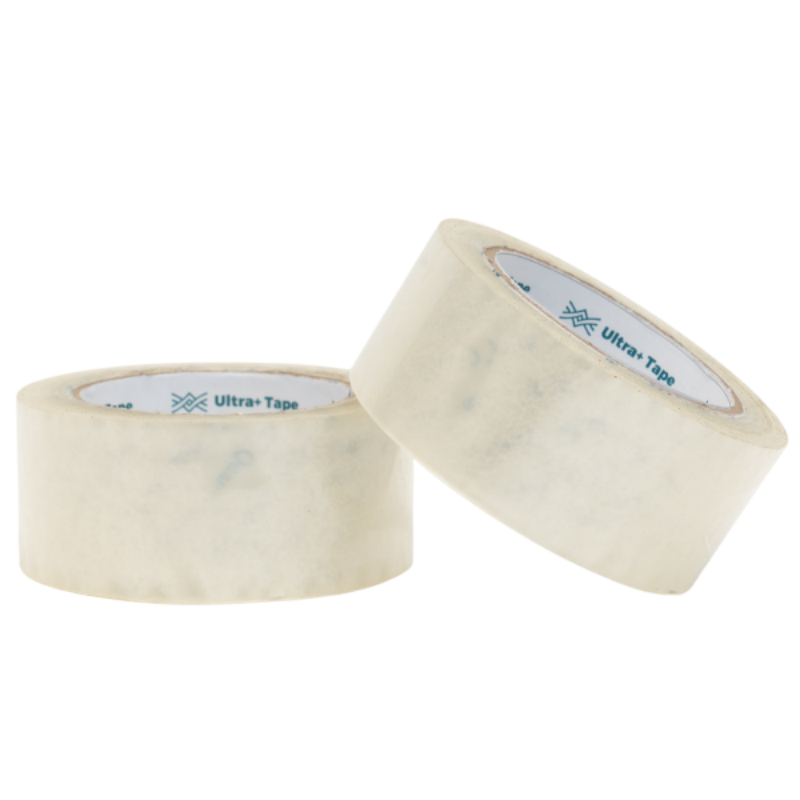
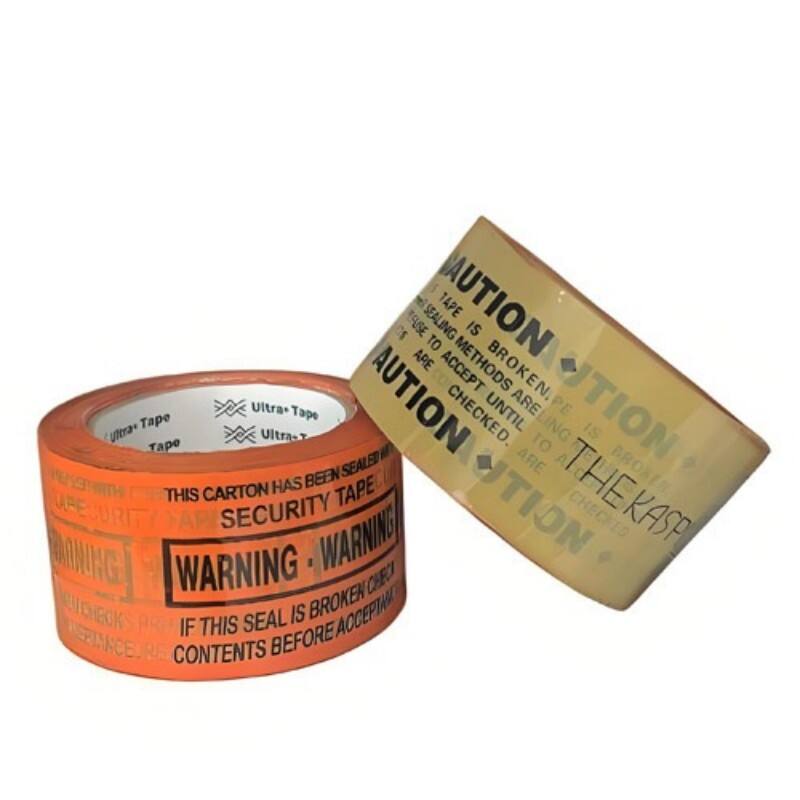
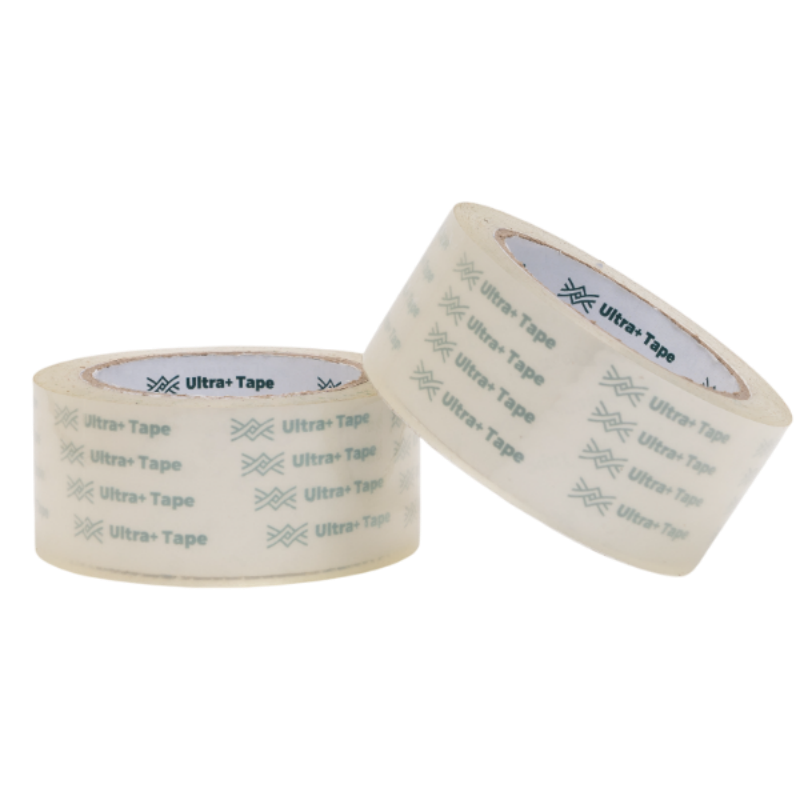
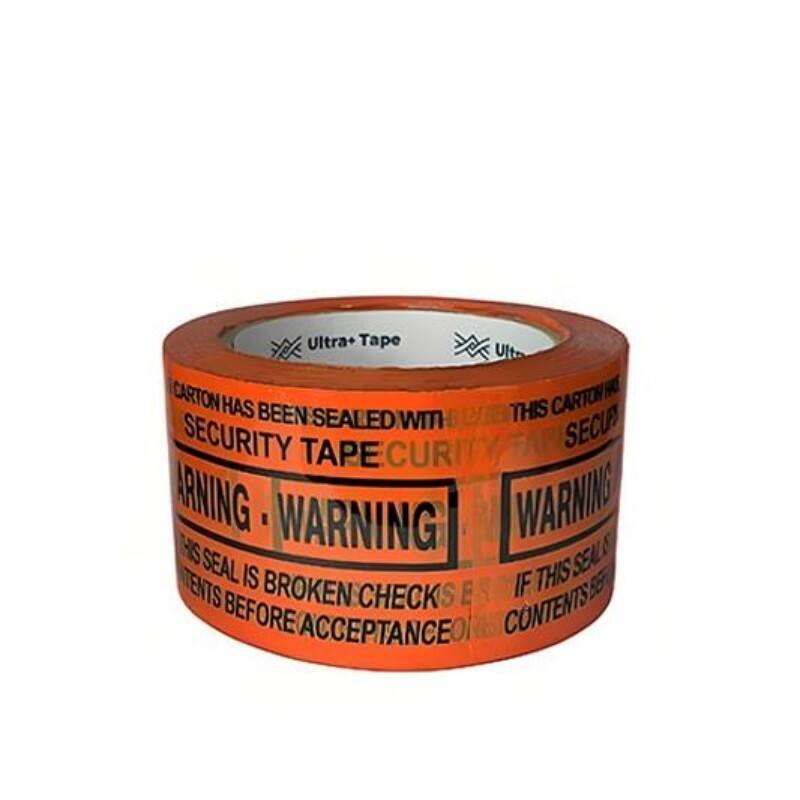
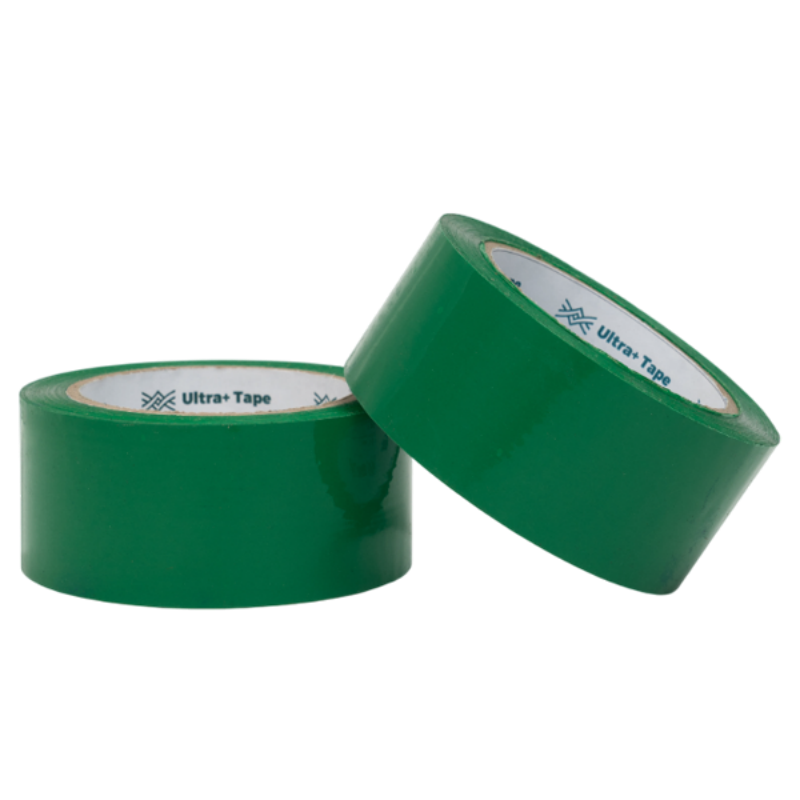
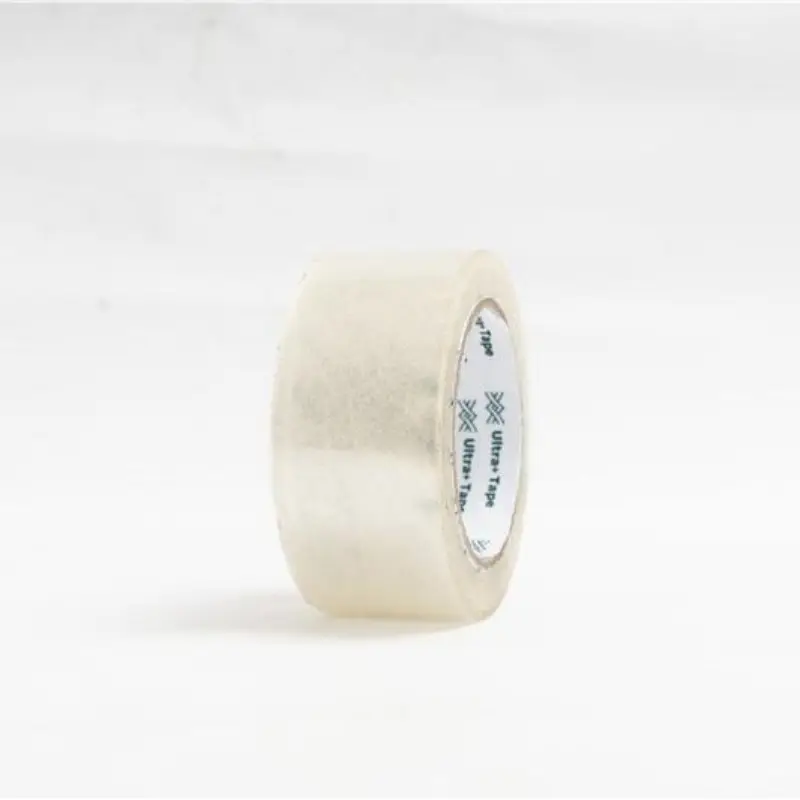
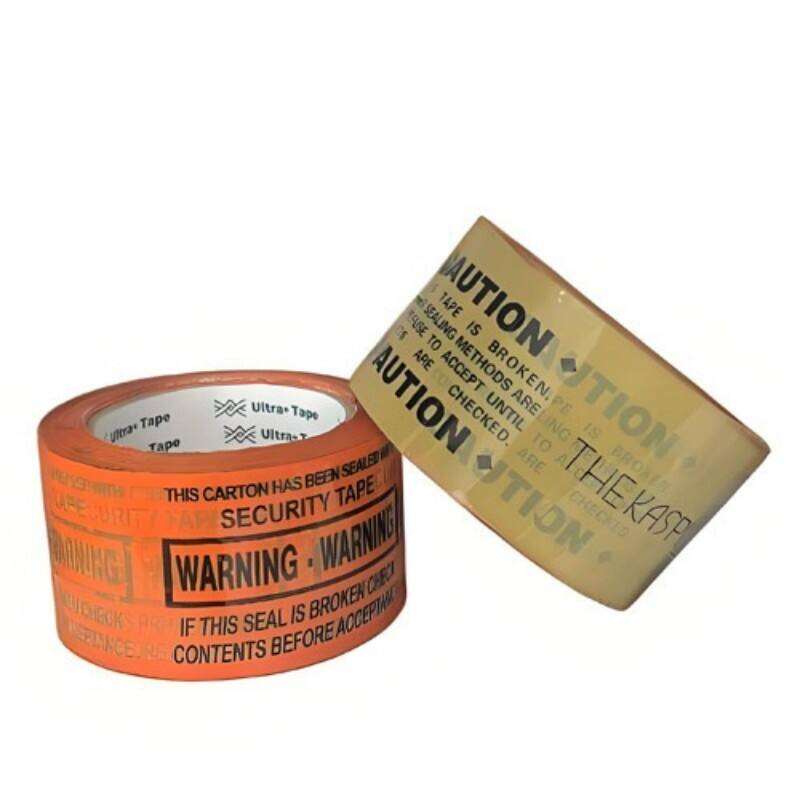
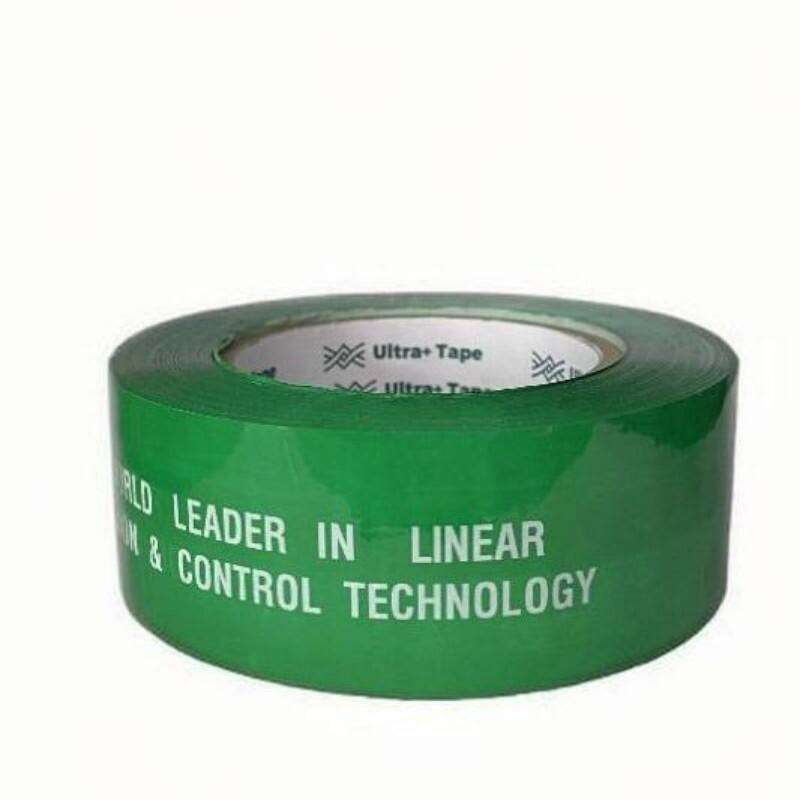
Implementing ISCC certified tape requires no disruption to established packaging workflows or investment in specialized equipment. The tape works with standard handheld dispensers that workers already use, maintaining familiar application techniques that require no additional training. This compatibility eliminates the learning curve and productivity dips that often accompany material changes. For automated packaging lines, the tape feeds reliably through existing machinery without adjustments to tension settings, cutting mechanisms, or application heads. The consistent width, thickness, and roll dimensions match industry standards, allowing direct substitution for conventional tapes. This interchangeability proves crucial for businesses operating multiple facilities or using diverse packaging equipment, as it enables standardization across locations without equipment modifications. The tape unwinds smoothly at various speeds, accommodating both manual application and high-speed automated systems that seal hundreds of packages per hour. Its balanced adhesive properties prevent buildup on dispenser blades and rollers, reducing maintenance frequency and extending equipment life. The backing material resists static buildup that can cause feeding problems in automated systems, maintaining consistent performance throughout production shifts. These operational advantages translate directly to cost savings through reduced downtime, lower maintenance expenses, and sustained productivity levels. The transition to ISCC certified tape becomes essentially transparent to packaging staff, who continue working with familiar tools and methods while the business achieves sustainability improvements. This ease of adoption removes a significant barrier that prevents many companies from implementing sustainable alternatives. The tape also supports flexible packaging strategies by performing well across different box sizes, weights, and contents. Whether sealing lightweight e-commerce shipments or heavy industrial packages, the same tape delivers appropriate bonding strength. This versatility simplifies procurement and inventory management by reducing the number of tape varieties needed to support diverse packaging requirements. The consistent quality from roll to roll minimizes variation in sealing performance, creating predictable results that support quality control objectives. Businesses can implement the tape gradually, starting with specific product lines or facilities to validate performance before expanding adoption. This phased approach reduces risk and allows operational teams to build confidence in the material before committing to full-scale implementation across all packaging operations.

 EN
EN