
 EN
EN



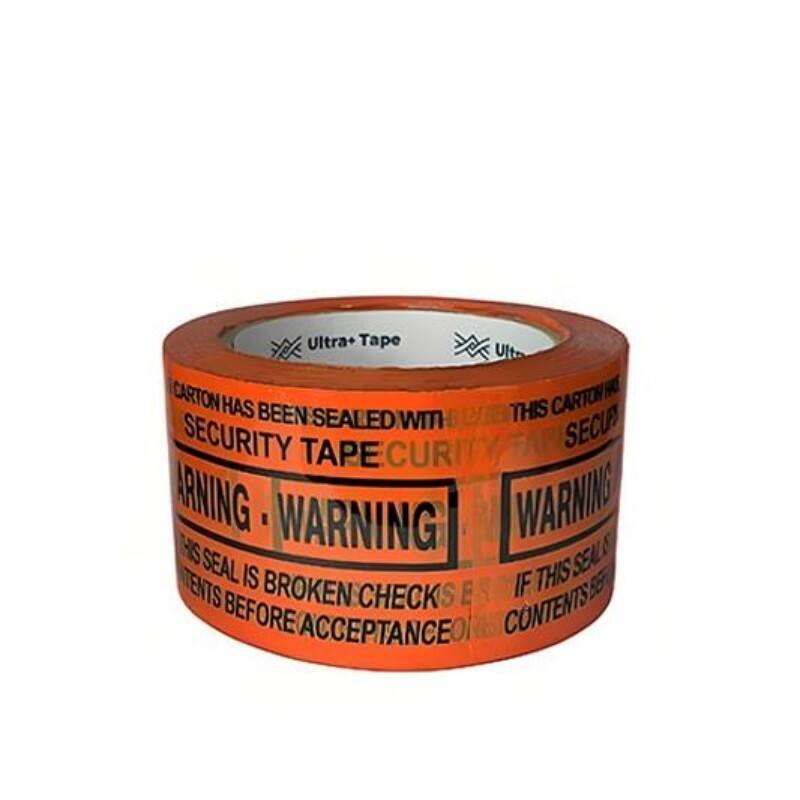
The packaging industry continues to evolve at an unprecedented pace, with BOPP tape emerging as one of the most versatile and innovative solutions for modern sealing requirements. Biaxially Oriented Polypropylene technology has transformed how businesses approach adhesive applications, offering superior strength, clarity, and performance characteristics that traditional tapes simply cannot match. As manufacturers seek more efficient and sustainable packaging solutions, BOPP tape has become the cornerstone of industrial operations worldwide. The continuous advancement in polymer science and adhesive chemistry is driving remarkable innovations that promise to reshape the entire landscape of pressure-sensitive adhesives. These developments are not merely incremental improvements but represent fundamental breakthroughs in material engineering that will define the next generation of tape technology.
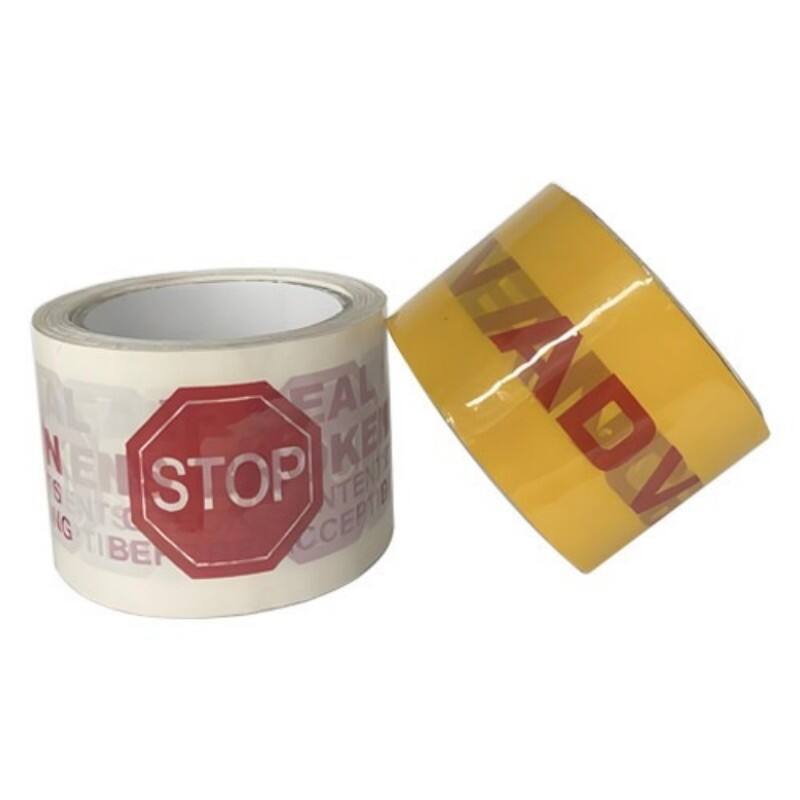
Revolutionary Material Science Advancements
Next-Generation Polymer Compositions
The foundation of superior BOPP tape performance lies in revolutionary polymer compositions that enhance molecular structure and mechanical properties. Advanced biaxial orientation processes now enable manufacturers to achieve unprecedented tensile strength while maintaining exceptional flexibility and conformability. Modern BOPP tape formulations incorporate specialized additives that improve UV resistance, temperature stability, and chemical compatibility across diverse industrial environments. These innovations result from extensive research into crystalline structures and molecular alignment techniques that optimize the balance between strength and workability.
Recent breakthroughs in polymer engineering have introduced hybrid compositions that combine the best characteristics of multiple material systems. These advanced formulations deliver enhanced performance metrics including improved elongation properties, superior puncture resistance, and enhanced dimensional stability under varying environmental conditions. The development of these next-generation materials represents a significant leap forward in tape technology, enabling applications that were previously impossible with conventional adhesive solutions.
Enhanced Film Processing Technologies
Modern film processing technologies are revolutionizing how BOPP tape materials are manufactured, resulting in products with unprecedented uniformity and performance characteristics. Advanced sequential biaxial orientation systems enable precise control over molecular orientation, creating films with optimized mechanical properties and enhanced optical clarity. These sophisticated manufacturing processes ensure consistent thickness distribution and eliminate the microscopic irregularities that can compromise adhesive performance in critical applications.
Innovative cooling and annealing processes further enhance film properties by optimizing crystalline structures and reducing internal stresses that could lead to performance degradation over time. These technological advances enable the production of BOPP tape with superior dimensional stability, improved aging characteristics, and enhanced resistance to environmental factors such as humidity, temperature fluctuations, and chemical exposure.
Cutting-Edge Adhesive Chemistry Innovations
Smart Adhesive Formulations
The development of smart adhesive formulations represents one of the most exciting frontiers in BOPP tape technology, with researchers creating pressure-sensitive adhesives that respond intelligently to environmental conditions. These advanced formulations can adjust their bonding characteristics based on temperature, humidity, or mechanical stress, providing optimal performance across a wide range of application scenarios. Smart adhesives incorporate molecular switches that activate specific bonding mechanisms when triggered by predetermined environmental parameters.
Temperature-responsive adhesive systems are particularly promising for applications requiring temporary or removable bonding capabilities. These formulations maintain strong initial adhesion while enabling clean removal when specific temperature thresholds are reached. Such innovations are transforming applications in electronics assembly, automotive manufacturing, and specialized packaging where controlled release properties are essential for product integrity and manufacturing efficiency.
Sustainable Adhesive Technologies
Environmental sustainability has become a driving force behind adhesive innovation, leading to the development of bio-based and recyclable adhesive systems that maintain the high-performance characteristics required for industrial applications. Modern sustainable adhesives utilize renewable raw materials including plant-based polymers and naturally derived tackifiers that reduce environmental impact without compromising performance. These eco-friendly formulations are designed to support circular economy principles while meeting stringent performance requirements.
Advanced biodegradable adhesive systems are emerging that can decompose under specific conditions while maintaining excellent performance during their intended service life. These innovations address growing environmental concerns while ensuring that BOPP tape continues to meet the demanding requirements of modern packaging and industrial applications. The development of these sustainable technologies represents a crucial step toward environmentally responsible manufacturing practices.
Emerging Application Technologies
Specialized Surface Treatments
Advanced surface treatment technologies are expanding the application possibilities for BOPP tape by enabling superior adhesion to challenging substrates including low-surface-energy plastics, textured surfaces, and contaminated materials. Corona treatment, plasma modification, and chemical priming techniques are being refined to create optimal bonding interfaces that ensure reliable performance even in demanding industrial environments. These surface treatments modify the molecular structure of both the tape backing and adhesive interface to maximize intermolecular interactions.
Innovative primer systems and adhesion promoters are being developed that can be applied during manufacturing or in the field to enhance bonding performance on difficult substrates. These technologies enable BOPP tape to achieve reliable adhesion on surfaces that previously required mechanical fasteners or specialized bonding agents, expanding the range of applications and simplifying installation procedures across multiple industries.
Multi-Functional Coating Systems
The integration of multi-functional coatings is transforming BOPP tape from a simple adhesive solution into a sophisticated material system that provides additional protective and functional properties. Advanced coating technologies enable the incorporation of antimicrobial agents, UV stabilizers, anti-static compounds, and barrier properties that enhance product performance while maintaining the fundamental characteristics that make BOPP tape so versatile and reliable.
Conductive coatings are enabling new applications in electronics and automotive industries where EMI shielding, static dissipation, or electrical conductivity are required alongside traditional sealing and bonding functions. These multi-functional systems reduce the number of separate materials required for complex assemblies while improving overall system reliability and performance. The development of these advanced coatings represents a significant expansion of BOPP tape capabilities.
Manufacturing Process Innovations
Precision Coating Technologies
Revolutionary coating technologies are enabling unprecedented precision and control in BOPP tape manufacturing, resulting in products with superior consistency and performance characteristics. Advanced slot-die coating systems, precision metering technologies, and real-time monitoring systems ensure optimal adhesive distribution and eliminate the variations that can compromise product performance. These manufacturing innovations enable the production of BOPP tape with precisely controlled adhesive thickness, uniform coverage, and consistent bonding properties.
Multi-layer coating systems are being developed that enable the application of complex adhesive profiles with varying properties across the tape width or length. These advanced manufacturing techniques allow for the creation of specialized BOPP tape products with graduated adhesion levels, differential release properties, or integrated functional layers that provide enhanced performance for specific applications.
Quality Control and Testing Advancements
Advanced quality control systems incorporating artificial intelligence and machine learning are revolutionizing how BOPP tape quality is monitored and maintained throughout the manufacturing process. Real-time spectroscopic analysis, automated defect detection, and predictive quality modeling enable manufacturers to identify and correct variations before they impact product performance. These sophisticated systems ensure consistent quality while reducing waste and improving manufacturing efficiency.
Innovative testing methodologies are being developed that better simulate real-world application conditions, enabling more accurate prediction of field performance and durability. Accelerated aging protocols, environmental stress testing, and application-specific performance evaluations provide comprehensive data that supports product development and ensures reliable performance across diverse operating conditions.
Market Applications and Industry Impact
Automotive Industry Innovations
The automotive industry is driving significant innovations in BOPP tape technology through demanding applications that require exceptional performance under extreme conditions. Advanced automotive applications include wire harness protection, interior trim attachment, sound dampening systems, and temporary masking during manufacturing processes. These applications demand BOPP tape with superior temperature resistance, chemical compatibility, and long-term durability that maintains performance throughout the vehicle lifecycle.
Electric vehicle manufacturing is creating new opportunities for specialized BOPP tape applications including battery assembly, cable management, and thermal interface systems. These emerging applications require materials with enhanced electrical properties, thermal stability, and compatibility with advanced battery chemistries. The development of specialized BOPP tape for electric vehicle applications represents a growing market segment with significant technical challenges and opportunities.
Electronics and Technology Sector
The electronics industry continues to push the boundaries of BOPP tape performance through applications requiring precision, reliability, and compatibility with sensitive electronic components. Modern electronics manufacturing utilizes BOPP tape for component protection, process masking, die attachment, and flexible circuit assembly. These applications demand materials with exceptional dimensional stability, low outgassing characteristics, and compatibility with high-temperature processing conditions.
Emerging technologies including flexible displays, wearable electronics, and advanced sensor systems are creating new requirements for ultra-thin BOPP tape with specialized properties. These applications require materials that can conform to complex geometries while maintaining electrical integrity and mechanical reliability. The development of these specialized products is driving innovations in both material science and manufacturing technology.
Future Development Directions
Nanotechnology Integration
Nanotechnology is opening exciting new possibilities for BOPP tape enhancement through the integration of nanoparticles, nanofibers, and nanostructured surfaces that provide unprecedented control over material properties. Nano-enhanced adhesives can achieve superior bonding strength, improved environmental resistance, and novel functional properties including self-healing capabilities and responsive behavior. These advanced materials represent the next frontier in pressure-sensitive adhesive technology.
Graphene and carbon nanotube integration is enabling the development of BOPP tape with exceptional electrical, thermal, and mechanical properties that were previously unachievable. These nanomaterial additives can provide electrical conductivity, enhanced thermal management, and superior mechanical reinforcement while maintaining the flexibility and processability that make BOPP tape so versatile in industrial applications.
Digitalization and Smart Manufacturing
Digital manufacturing technologies are transforming BOPP tape production through advanced process control, predictive maintenance, and real-time optimization systems that improve product consistency while reducing costs and environmental impact. Internet of Things integration, artificial intelligence, and advanced analytics are enabling manufacturers to optimize production parameters, predict equipment maintenance requirements, and ensure consistent product quality across global manufacturing operations.
Smart manufacturing systems are enabling mass customization of BOPP tape products with application-specific properties tailored to individual customer requirements. These advanced production capabilities support the development of specialized products for emerging applications while maintaining the economies of scale necessary for competitive pricing in high-volume markets.
FAQ
What makes next-generation BOPP tape different from traditional adhesive tapes
Next-generation BOPP tape incorporates advanced polymer compositions, smart adhesive formulations, and sophisticated manufacturing processes that deliver superior performance characteristics compared to traditional tapes. These innovations include enhanced temperature resistance, improved chemical compatibility, better dimensional stability, and specialized functional properties such as conductivity or antimicrobial activity. The integration of nanotechnology and sustainable materials further differentiates modern BOPP tape from conventional products, providing solutions that meet evolving industrial requirements while supporting environmental sustainability goals.
How do smart adhesive formulations improve tape performance
Smart adhesive formulations utilize responsive chemistry that adjusts bonding characteristics based on environmental conditions such as temperature, humidity, or mechanical stress. These intelligent systems can provide strong initial adhesion when needed while enabling controlled release or repositioning capabilities when specific triggers are activated. This responsive behavior eliminates the compromise between initial tack and removability that characterizes traditional adhesives, enabling applications that require both strong bonding and clean removal capabilities. Smart adhesives also incorporate self-healing properties and environmental stress response mechanisms that maintain performance under challenging conditions.
What role does sustainability play in future BOPP tape development
Sustainability is becoming a central driver in BOPP tape innovation, with manufacturers developing bio-based adhesives, recyclable backing materials, and biodegradable formulations that reduce environmental impact while maintaining high performance. These sustainable technologies utilize renewable raw materials, support circular economy principles, and minimize waste throughout the product lifecycle. Advanced recycling technologies are being developed that enable recovery and reuse of BOPP tape materials, while biodegradable formulations provide environmentally responsible disposal options for applications where tape recovery is not practical.
How will nanotechnology transform BOPP tape capabilities
Nanotechnology integration is revolutionizing BOPP tape through the incorporation of nanoparticles, nanofibers, and nanostructured surfaces that provide unprecedented control over material properties. Nano-enhanced adhesives achieve superior bonding strength, environmental resistance, and functional capabilities including electrical conductivity, thermal management, and self-healing properties. These advanced materials enable applications that were previously impossible with conventional tape technology, opening new markets in electronics, automotive, aerospace, and specialized industrial applications where extreme performance requirements demand innovative material solutions.