
 EN
EN



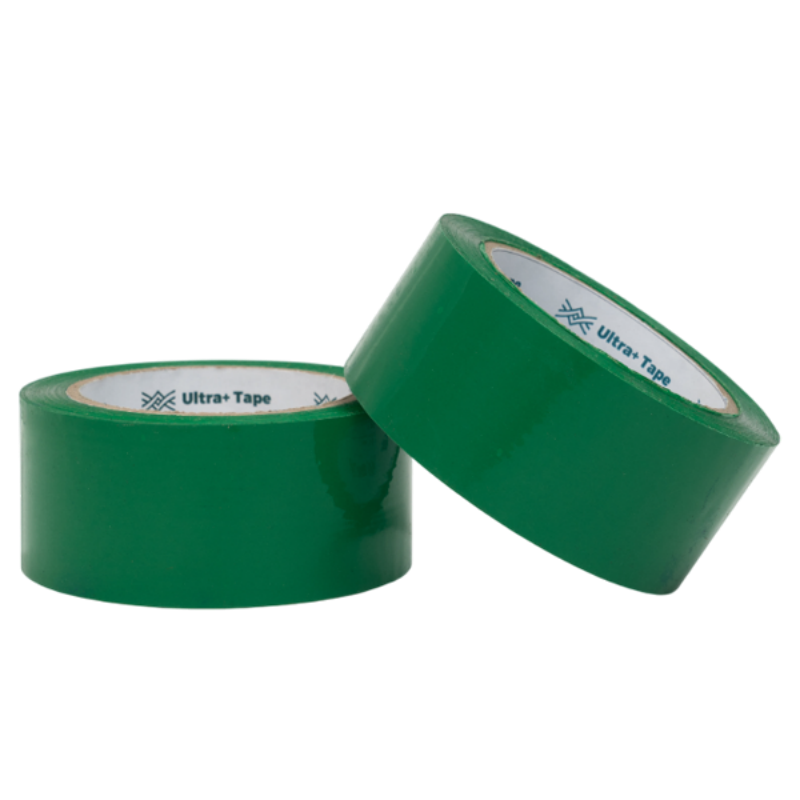
In the competitive world of packaging and manufacturing, the quality of your raw materials can make or break your final product. When it comes to adhesive tape production, the foundation lies in selecting premium bopp jumbo roll materials that deliver consistent performance. These large-format polyethylene films serve as the backbone for countless packaging applications, from industrial sealing to consumer product protection. Understanding how bopp jumbo roll quality directly affects your packaging outcomes is crucial for maintaining competitive advantage and customer satisfaction in today's demanding marketplace.
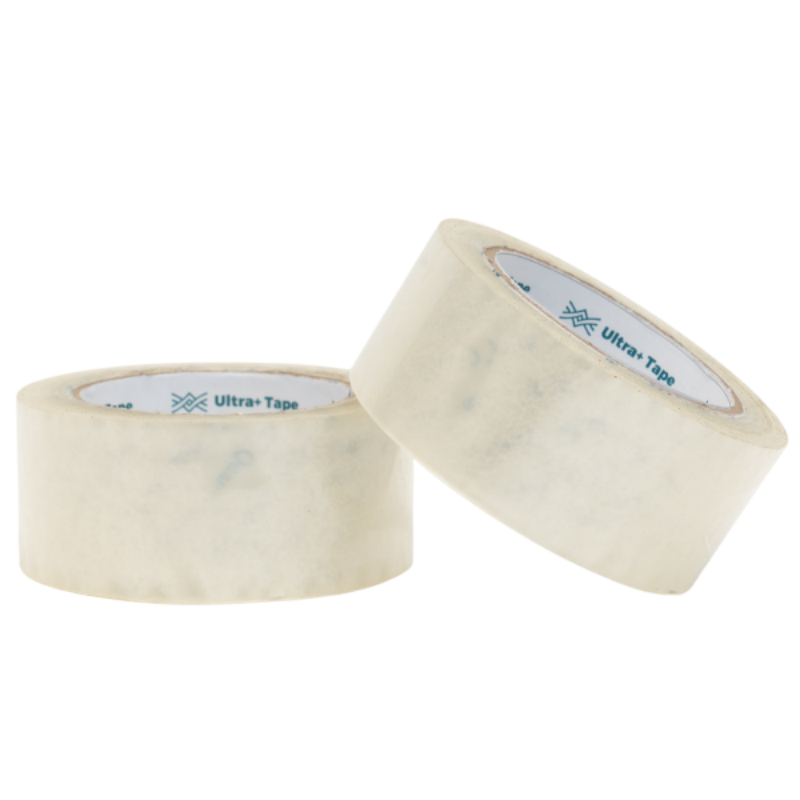
Understanding BOPP Film Technology
Material Composition and Structure
Biaxially oriented polypropylene film represents one of the most versatile packaging materials available in modern manufacturing. The biaxial orientation process stretches the polymer chains in both machine and transverse directions, creating exceptional strength characteristics that directly impact bopp jumbo roll performance. This molecular alignment results in superior tensile strength, optical clarity, and barrier properties that are essential for high-quality packaging applications. The uniform thickness distribution achieved through advanced manufacturing processes ensures consistent adhesive coating application and optimal tape performance.
The crystalline structure of quality bopp jumbo roll materials provides excellent dimensional stability under varying temperature and humidity conditions. This structural integrity prevents unwanted shrinkage, stretching, or distortion during converting operations and end-use applications. Premium grades feature enhanced surface treatments that promote superior adhesive bonding while maintaining easy unwinding characteristics. The molecular weight distribution and additive packages in high-grade films contribute to extended shelf life and consistent processing performance throughout the manufacturing cycle.
Surface Treatment and Adhesion Properties
Surface energy modification plays a critical role in determining how effectively adhesives bond to bopp jumbo roll substrates. Corona treatment or flame treatment processes create microscopic surface textures that significantly improve adhesive wetting and penetration. These treatments must be carefully controlled to achieve optimal dyne levels without compromising the film's inherent properties. Consistent surface treatment across the entire web width ensures uniform adhesive application and prevents coating defects that could compromise final tape performance.
The surface roughness profile of premium bopp jumbo roll materials creates ideal conditions for adhesive anchoring while maintaining smooth unwinding characteristics. Advanced surface analysis techniques measure parameters like contact angle, surface energy, and topographical features to ensure consistent quality. Proper surface preparation also enhances printability for applications requiring custom graphics or identification markings. The balance between adhesion promotion and release properties determines how well the finished tape will perform in various packaging environments.
Impact on Packaging Performance
Adhesive Application and Consistency
The foundation quality of bopp jumbo roll directly influences adhesive coating uniformity and final tape performance characteristics. Premium films provide stable platforms for precise adhesive application, resulting in consistent coat weights across the entire web width. This uniformity translates to predictable adhesion values, clean removal properties, and reliable sealing performance in end-use applications. Variations in film thickness or surface properties can create adhesive application challenges that compromise tape quality and increase manufacturing waste.
Temperature stability during adhesive coating operations depends heavily on the thermal properties of the bopp jumbo roll substrate. High-quality films maintain dimensional stability throughout the heating and cooling cycles required for solvent-based or hot-melt adhesive systems. This stability prevents web tension variations, coating defects, and adhesive migration issues that could affect final product performance. The glass transition temperature and melting point characteristics of premium grades provide wider processing windows for optimal manufacturing efficiency.
Mechanical Strength and Durability
Tensile strength characteristics of bopp jumbo roll materials directly impact the mechanical performance of finished packaging tapes. Superior cross-direction and machine-direction strength values ensure reliable performance during high-speed application processes and demanding end-use conditions. The tear resistance properties prevent catastrophic failure modes that could compromise package integrity or create safety hazards during manual application. Elongation characteristics provide controlled stretch behavior that accommodates substrate movement without adhesive failure.
Impact resistance and puncture strength determine how well packaging tapes withstand handling stresses and environmental challenges. Premium bopp jumbo roll materials exhibit superior toughness characteristics that translate to enhanced durability in demanding applications. The balance between stiffness and flexibility ensures optimal conformability to irregular surfaces while maintaining structural integrity. These mechanical properties become especially critical in automated packaging lines where consistent performance is essential for operational efficiency.
Quality Control and Testing Standards
Manufacturing Process Monitoring
Advanced quality control systems monitor critical parameters throughout bopp jumbo roll production to ensure consistent material properties. Real-time thickness measurement, surface treatment monitoring, and optical inspection systems identify potential defects before they impact downstream processing. Statistical process control methods track key variables like tensile strength, elongation, and surface energy to maintain tight specification ranges. These monitoring systems provide early warning of process variations that could affect packaging performance.
Temperature and humidity control during manufacturing and storage significantly impact bopp jumbo roll quality retention. Proper environmental management prevents moisture absorption, dimensional changes, and surface property degradation that could compromise adhesive bonding. Clean room conditions minimize contamination risks that could create coating defects or adhesion failures. Controlled unwinding tension during converting operations preserves film integrity and prevents mechanical damage that could propagate during use.
Performance Testing and Validation
Comprehensive testing protocols evaluate bopp jumbo roll suitability for specific packaging applications through standardized measurement techniques. Tensile testing, elongation measurement, and tear resistance evaluation provide quantitative data for material selection decisions. Surface energy measurement using contact angle techniques ensures adequate adhesive wetting characteristics. These testing methods establish baseline performance criteria that correlate with real-world packaging requirements.
Accelerated aging studies simulate long-term storage conditions to predict bopp jumbo roll stability and shelf life characteristics. UV exposure, thermal cycling, and humidity testing identify potential degradation mechanisms that could affect packaging performance over time. Migration testing evaluates the potential for film components to transfer to packaged products, ensuring food safety compliance where applicable. These comprehensive testing programs provide confidence in material selection and application suitability.
Economic Considerations and Cost Analysis
Material Cost Optimization
The initial cost difference between premium and standard bopp jumbo roll grades often appears significant, but comprehensive cost analysis reveals the total value proposition. Higher-quality films typically offer improved yield rates during converting operations, reducing material waste and labor costs. Enhanced processing characteristics enable higher line speeds and reduced downtime, improving overall manufacturing efficiency. The consistent performance of premium grades reduces quality-related customer complaints and warranty claims.
Supply chain considerations become increasingly important when evaluating bopp jumbo roll cost structures. Reliable suppliers with consistent quality standards reduce inventory carrying costs and production planning complexity. The ability to run longer production campaigns with minimal grade changes improves operational efficiency and reduces setup costs. Premium materials often provide better inventory turnover rates due to their versatile application range and consistent performance characteristics.
Long-term Value Proposition
Customer satisfaction and brand reputation depend heavily on consistent packaging performance, making bopp jumbo roll quality a strategic investment. Premium materials contribute to reduced field failures, improved package integrity, and enhanced end-user experience. These factors translate to increased customer loyalty, market share growth, and premium pricing opportunities. The long-term value of quality raw materials extends far beyond the initial purchase price difference.
Sustainability considerations increasingly influence material selection decisions, with high-quality bopp jumbo roll offering improved recyclability and reduced environmental impact. Enhanced durability characteristics enable lightweighting initiatives that reduce material consumption while maintaining performance standards. Energy efficiency improvements during manufacturing and converting operations contribute to overall environmental footprint reduction. These sustainability benefits align with corporate responsibility goals and customer expectations for environmentally conscious packaging solutions.
Applications and Industry Sectors
Industrial Packaging Applications
Heavy-duty industrial applications demand exceptional bopp jumbo roll performance characteristics to withstand challenging operating conditions. Carton sealing tapes must provide reliable adhesion to various substrate materials while maintaining integrity under temperature extremes and mechanical stress. The chemical resistance properties of premium films ensure compatibility with industrial cleaning agents and environmental contaminants. High-strength grades support automated application systems that operate at elevated speeds and tension levels.
Specialty applications like bundling, strapping, and reinforcement tapes require specific bopp jumbo roll characteristics that balance strength, flexibility, and adhesive compatibility. The orientation characteristics of biaxially stretched films provide directional strength properties that enhance performance in specific applications. Surface treatment modifications enable compatibility with specialized adhesive systems designed for extreme temperature or chemical exposure conditions. These demanding applications showcase the importance of selecting appropriate film grades for optimal performance.
Consumer and Retail Markets
Consumer packaging applications emphasize appearance quality, ease of use, and consistent performance characteristics that depend on bopp jumbo roll excellence. Optical clarity requirements for retail packaging demand superior film manufacturing control and contamination prevention. The printability characteristics of consumer-grade materials enable high-quality graphics application for brand identification and marketing purposes. Consistent unwinding behavior ensures smooth operation in both manual and automated packaging environments.
Food packaging applications impose additional requirements for bopp jumbo roll materials, including migration resistance, flavor protection, and regulatory compliance. The barrier properties of oriented films provide protection against moisture, oxygen, and other environmental factors that could compromise product quality. FDA-approved grades ensure safety for direct food contact applications. The combination of protective properties and processing characteristics makes premium bopp jumbo roll materials ideal for food packaging applications.
Frequently Asked Questions
What factors determine bopp jumbo roll quality standards
Several critical factors determine bopp jumbo roll quality standards, including raw material purity, manufacturing process control, and surface treatment consistency. The molecular weight distribution of the polypropylene resin affects film strength and processing characteristics, while additive packages influence UV stability, antistatic properties, and heat resistance. Manufacturing parameters like orientation ratios, temperature profiles, and cooling rates directly impact final film properties. Quality standards also encompass dimensional tolerances, surface defects, and contamination levels that could affect downstream processing or end-use performance.
How does film thickness variation affect packaging performance
Film thickness variation in bopp jumbo roll materials significantly impacts packaging performance through multiple mechanisms. Thickness inconsistencies create uneven adhesive coating distribution, leading to performance variations across the tape width. Thin spots may exhibit reduced strength characteristics, while thick areas can cause winding tension problems and adhesive application issues. These variations also affect optical properties, with thickness changes creating visual inconsistencies that may be unacceptable in transparent packaging applications. Maintaining tight thickness tolerances ensures consistent performance and appearance quality.
What storage conditions preserve bopp jumbo roll quality
Proper storage conditions are essential for preserving bopp jumbo roll quality throughout the supply chain and manufacturing process. Temperature control between 60-80°F prevents thermal expansion issues and maintains dimensional stability. Relative humidity should be maintained between 40-60% to prevent moisture absorption and surface property changes. Storage areas must be clean and free from contamination sources that could affect film surfaces or create processing problems. Rolls should be stored upright or properly supported to prevent deformation, and protective wrapping helps maintain cleanliness and prevent UV exposure.
How do surface treatments affect adhesive bonding performance
Surface treatments significantly enhance adhesive bonding performance by increasing the surface energy of bopp jumbo roll materials. Corona discharge treatment creates microscopic surface roughness and introduces polar functional groups that improve adhesive wetting and chemical bonding. The treatment level, measured in dynes per centimeter, must be optimized for specific adhesive systems to achieve maximum bond strength without over-treatment that could cause processing problems. Treatment uniformity across the web width ensures consistent adhesive application and prevents coating defects. Proper treatment also improves ink adhesion for printing applications and enhances overall surface cleanliness.