Versatile Application Across Industries and Use Cases
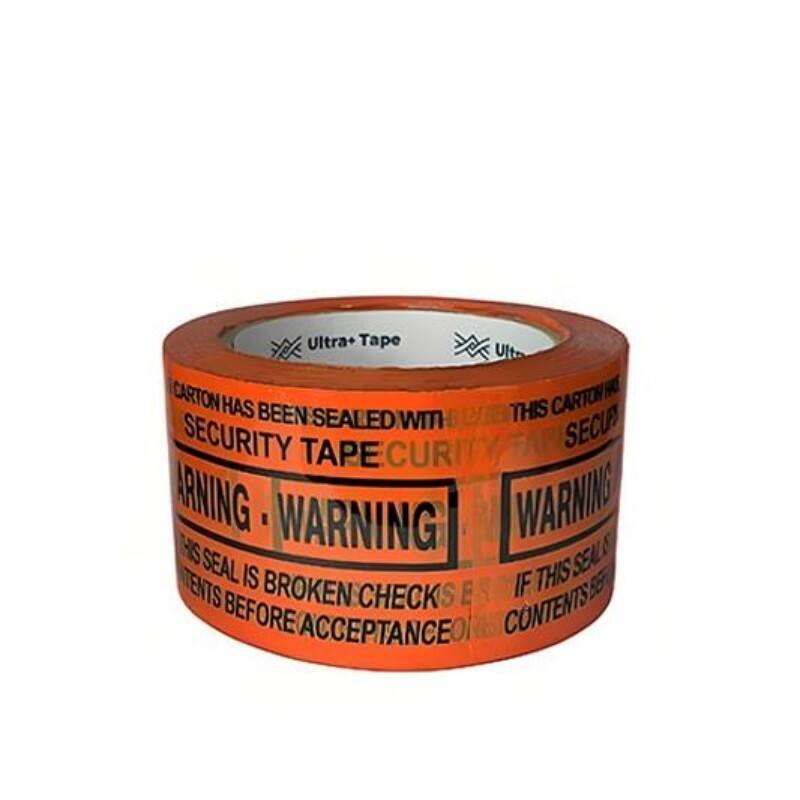
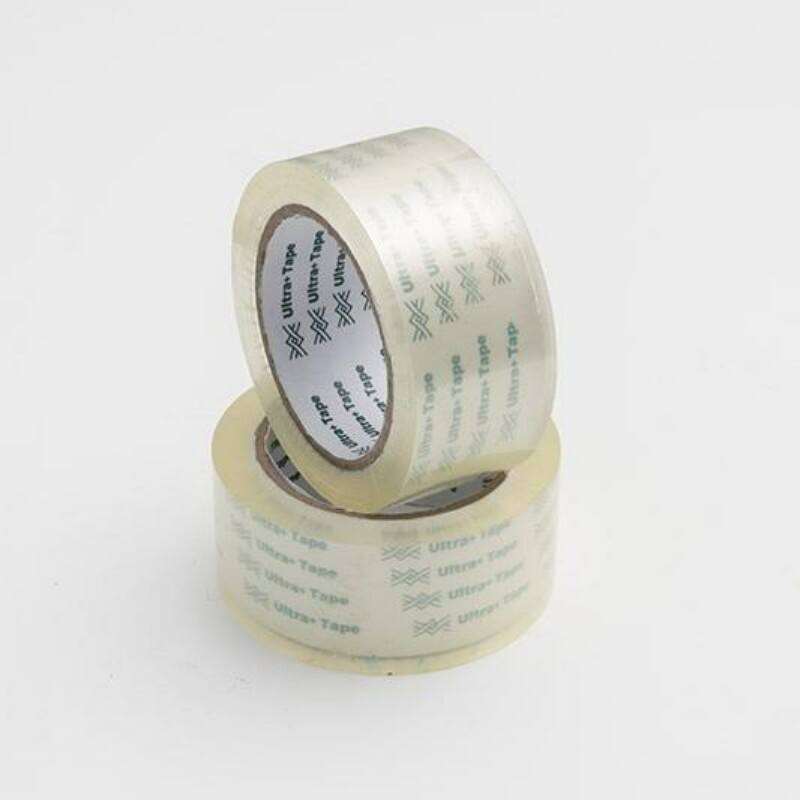
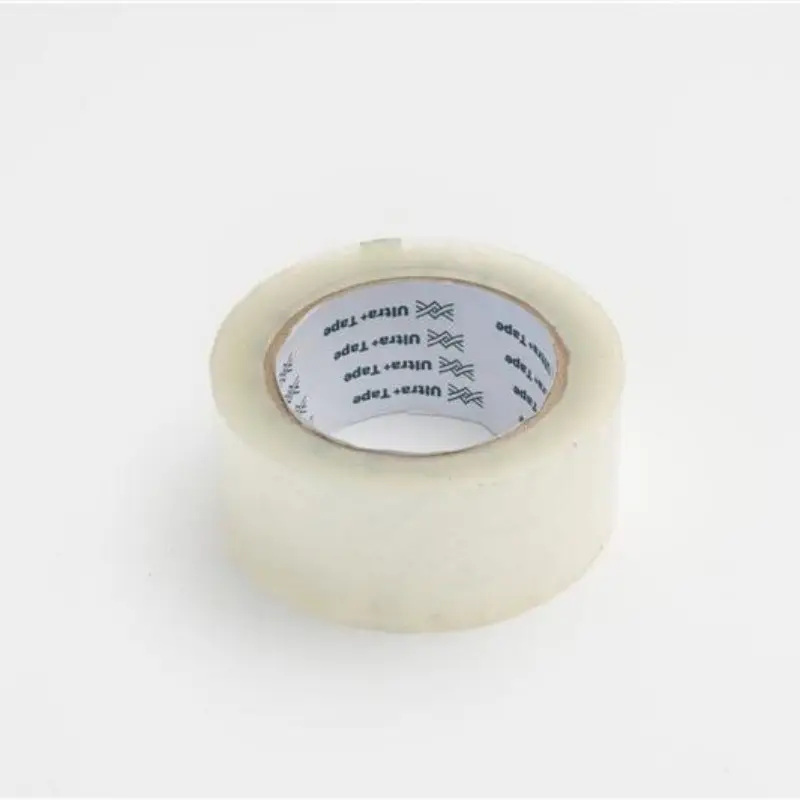
The versatility of ISCC bio-based tape makes it suitable for an extraordinarily wide range of applications across diverse industries, providing a single sustainable solution that can replace multiple conventional tape products in your operations. In e-commerce and retail fulfillment, the tape excels at sealing shipping boxes of various sizes, from small parcel packages to large freight containers, ensuring that products reach customers in perfect condition while reducing the environmental impact of each shipment. The strong adhesion to corrugated cardboard, the most common packaging material in these sectors, creates secure seals that withstand the rigors of automated sorting systems, multiple handling points, and long-distance transportation. Manufacturing facilities use ISCC bio-based tape for bundling components, securing protective wrapping, and temporary holding during assembly processes, benefiting from the clean removal characteristics that prevent adhesive residue on finished products. The tape performs reliably in light industrial applications where workers need dependable adhesion without the bulk and expense of specialized industrial tapes. Office environments find the tape ideal for general-purpose tasks including document repair, poster mounting, and package preparation, offering a sustainable alternative to conventional office tapes without requiring separate procurement of specialty products. Logistics and warehousing operations rely on ISCC bio-based tape for pallet stabilization, load securing, and inventory management labeling, where the combination of strength and sustainability supports both operational efficiency and corporate environmental goals. The food and beverage industry particularly values this tape because the ISCC certification aligns with their sustainability commitments and the product meets safety standards for indirect food contact applications. Retailers use the tape for in-store packaging services, gift wrapping, and point-of-sale applications, where the visible choice of sustainable materials reinforces their brand values to environmentally conscious consumers. The tape adheres effectively to various substrates beyond cardboard, including paper, certain plastics, and coated surfaces, eliminating the need to stock multiple tape types for different materials. This broad compatibility simplifies inventory management and reduces the complexity of training staff on which tape to use for specific applications. The standard sizing and dispensing characteristics mean the tape works with existing tape dispensers and packaging equipment, avoiding capital investment in new tools or machinery.

 EN
EN