Streamlined Application Process for Enhanced Manufacturing Efficiency
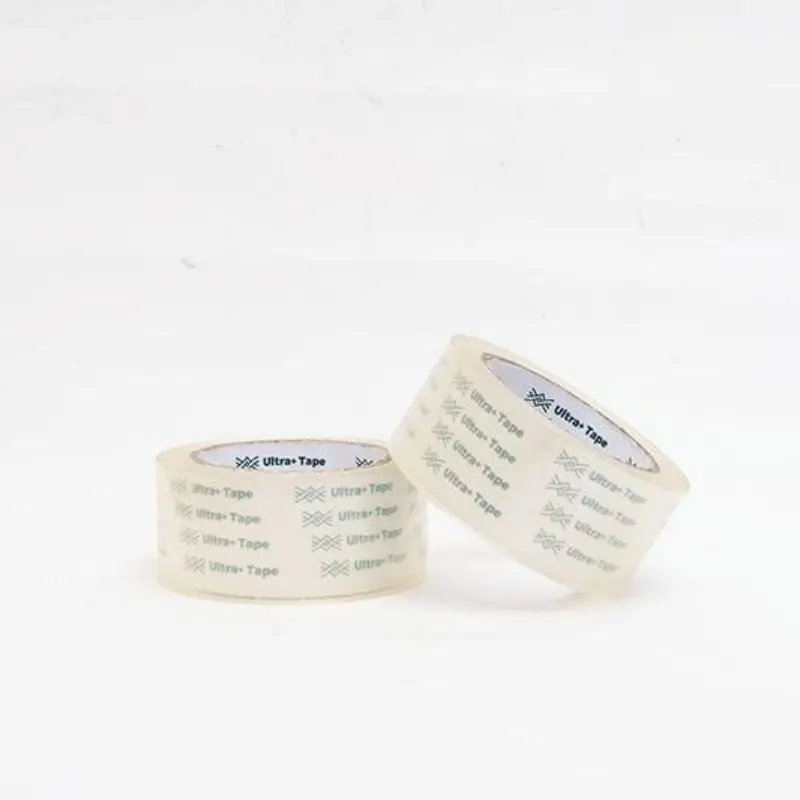
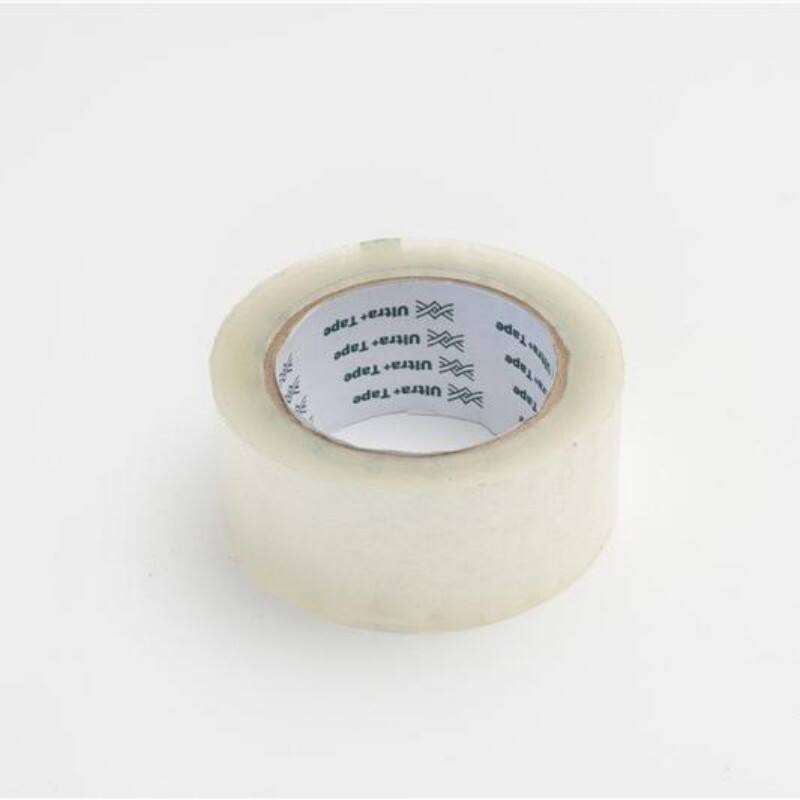
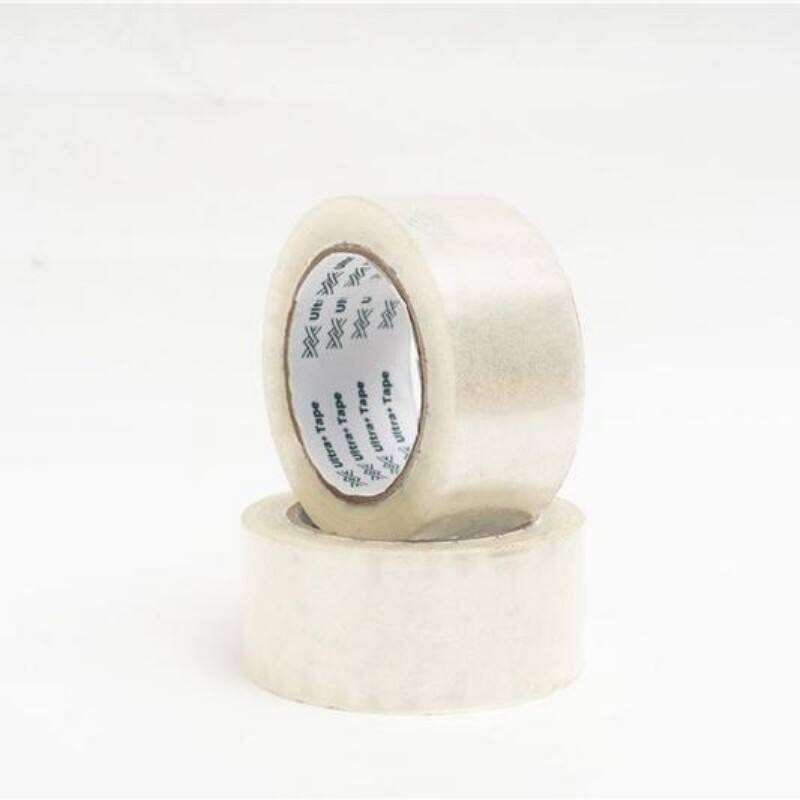
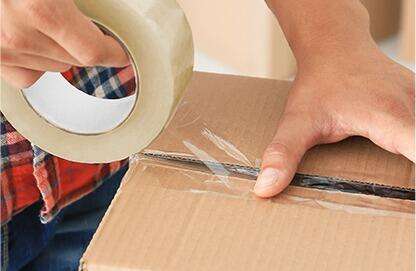
The application methodology for optically clear double sided tape offers significant advantages over alternative bonding technologies, directly impacting manufacturing productivity and product quality. The pressure-sensitive adhesive system eliminates the need for heat activation, UV curing, or chemical mixing, allowing immediate use straight from the roll or pre-cut format. This simplicity reduces equipment investment, as manufacturers require no specialized dispensing systems, curing ovens, or mixing apparatus. Workers can apply the tape manually or integrate automated dispensing equipment for high-volume production, with both approaches delivering consistent results. The room-temperature application prevents thermal stress on sensitive components and substrates, making the tape ideal for bonding heat-sensitive materials like certain plastics and electronic assemblies. Pre-cut shapes and die-cut parts arrive ready for immediate application, eliminating cutting operations and associated waste. Release liners protect the adhesive during storage and handling, peeling away cleanly to expose the tacky surface without leaving residue or requiring additional preparation. The initial tack of the adhesive provides immediate grab upon contact, allowing workers to position components and achieve preliminary fixation before applying final bonding pressure. Many formulations offer a brief window of repositionability, typically 10 to 30 seconds, during which components can be adjusted for precise alignment without compromising final bond strength. This feature reduces scrap rates by allowing correction of minor positioning errors before the bond becomes permanent. Once properly positioned, applying uniform pressure across the bonded area activates the adhesive's full bonding potential. Hand rollers, pneumatic presses, or automated lamination equipment can provide this pressure, with the choice depending on production volume and component geometry. The thin profile of the tape, often less than 200 microns, contributes minimal thickness to the assembly, enabling compact designs and tight tolerances. This space efficiency proves particularly valuable in consumer electronics where every millimeter of thickness affects product aesthetics and functionality. The tape's flexibility allows it to conform to curved surfaces and complex geometries that would challenge rigid bonding methods. No curing time means that bonded assemblies can immediately proceed to subsequent manufacturing steps, reducing cycle time and work-in-progress inventory. The absence of liquid adhesive eliminates concerns about drips, runs, or uncontrolled flow that might contaminate adjacent areas or create cosmetic defects. Clean processing without solvents or volatile compounds supports environmentally conscious manufacturing and maintains healthy workplace conditions. Quality control becomes straightforward, as visual inspection can verify proper tape placement and the absence of air bubbles or contamination. The consistent thickness and properties of manufactured tape reduce process variability compared to manually applied liquid adhesives. Long shelf life, typically 12 to 24 months when stored properly, minimizes material waste and simplifies inventory management. These application advantages translate directly to lower manufacturing costs, higher throughput, and improved product consistency, making optically clear double sided tape an economically attractive solution for both prototype development and mass production environments.

 EN
EN