
 EN
EN



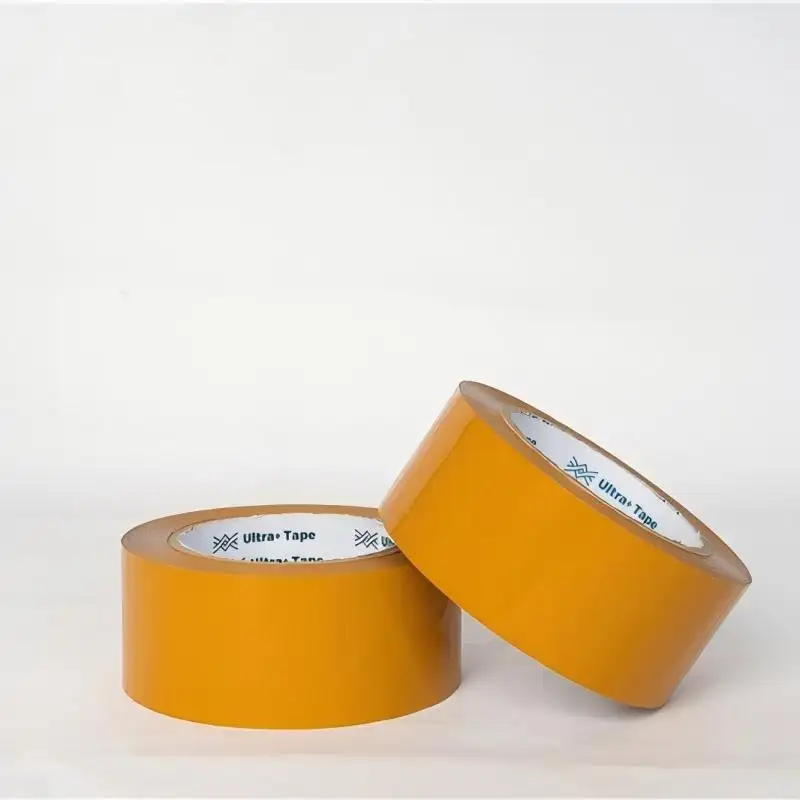
In an era where environmental responsibility has become a core business imperative, companies across industries face mounting pressure to adopt sustainable packaging solutions that align with regulatory requirements and consumer expectations. The choice of packaging materials directly impacts a company's carbon footprint, brand reputation, and long-term operational costs. Among emerging sustainable alternatives, ISCC tape has gained significant attention as a certified eco-friendly adhesive solution that enables businesses to maintain packaging integrity while demonstrating genuine commitment to environmental stewardship. This adhesive technology represents more than just a product switch—it embodies a strategic decision that positions businesses at the intersection of sustainability, compliance, and market competitiveness.
Understanding why businesses should choose ISCC tape for eco-friendly packaging requires examining the fundamental value proposition it delivers beyond conventional adhesive products. The International Sustainability and Carbon Certification system provides third-party verification that materials in the supply chain meet rigorous sustainability standards, offering businesses a credible pathway to reduce environmental impact without compromising functional performance. This certification framework addresses growing concerns about greenwashing by establishing transparent traceability from raw material sourcing through manufacturing processes. For businesses navigating complex sustainability commitments, ISCC tape offers a practical solution backed by internationally recognized standards that resonate with environmentally conscious stakeholders and regulatory bodies alike.
The Certification Advantage That Validates Environmental Claims
Third-Party Verification Builds Stakeholder Trust
The primary reason businesses should adopt ISCC tape lies in its certified sustainability credentials that provide verifiable proof of environmental responsibility. Unlike self-declared eco-friendly claims that lack external validation, ISCC tape undergoes rigorous third-party auditing processes that trace material origins and manufacturing practices against established sustainability criteria. This certification framework ensures that the bio-based or recycled content in iscc tape meets stringent standards for greenhouse gas emission reduction, sustainable sourcing, and supply chain transparency. For businesses communicating sustainability initiatives to investors, customers, and regulatory agencies, this independent verification eliminates ambiguity and strengthens credibility in an increasingly skeptical marketplace.
Corporate procurement teams recognize that ISCC certification addresses liability concerns associated with unsubstantiated environmental marketing claims. When businesses incorporate iscc tape into their packaging operations, they gain access to detailed documentation that supports sustainability reporting requirements under frameworks such as CDP, GRI, and TCFD. This traceability extends throughout the value chain, allowing companies to demonstrate measurable progress toward carbon neutrality goals and circular economy principles. The certification also facilitates compliance with emerging regulations in markets like the European Union, where packaging waste directives increasingly mandate documented sustainability performance for market access.
Alignment With Corporate Sustainability Frameworks
Businesses choosing ISCC tape benefit from seamless integration with existing environmental management systems and sustainability reporting protocols. The certification's mass balance approach allows companies to allocate certified sustainable content across production batches while maintaining accurate accounting of environmental attributes. This flexibility proves particularly valuable for businesses transitioning toward sustainable packaging without requiring complete operational overhauls. The iscc tape certification aligns with Science Based Targets initiative methodology, enabling businesses to quantify Scope 3 emissions reductions attributable to packaging material choices and incorporate these gains into comprehensive climate action strategies.
The standardized nature of ISCC certification facilitates benchmarking and performance comparison across industry sectors, providing businesses with clear metrics to evaluate improvement over time. Companies implementing iscc tape can leverage the certification's recognized methodology to communicate sustainability achievements to diverse stakeholder groups using consistent language and measurement frameworks. This standardization reduces the complexity of sustainability communications while enhancing comparability with industry peers, supporting competitive positioning in markets where environmental performance increasingly influences purchasing decisions and partnership opportunities.
Functional Performance That Meets Industrial Requirements
Adhesive Integrity Without Performance Compromise
Beyond environmental credentials, businesses choose ISCC tape because it delivers the adhesive performance required for demanding packaging applications across diverse operational conditions. The material formulations used in certified iscc tape undergo extensive testing to ensure bonding strength, temperature resistance, and durability comparable to conventional petroleum-based adhesives. This performance parity proves essential for businesses that cannot accept quality compromises in exchange for sustainability benefits, particularly in sectors such as e-commerce, logistics, and food packaging where package integrity directly impacts customer satisfaction and product safety.
The adhesive properties of iscc tape maintain effectiveness across varying substrate materials including corrugated cardboard, plastic films, and composite packaging structures commonly used in industrial packaging operations. Businesses appreciate that the transition to certified sustainable tape requires minimal adjustments to existing application equipment, dispensing systems, or packaging line configurations. This operational compatibility reduces implementation barriers and accelerates adoption timelines compared to alternative sustainable packaging solutions that might necessitate significant capital investment in new machinery or process redesigns. The practical functionality of iscc tape enables businesses to achieve sustainability objectives without disrupting production efficiency or compromising packaging reliability.
Temperature and Environmental Stability
Industrial packaging environments expose adhesive products to temperature fluctuations, humidity variations, and mechanical stresses that challenge material performance throughout storage and transportation cycles. Businesses selecting iscc tape gain confidence from formulations engineered to maintain adhesive properties across temperature ranges typical in warehouse facilities, shipping containers, and retail distribution networks. The certified sustainable materials used in ISCC tape production undergo accelerated aging tests that simulate real-world exposure conditions, ensuring that environmental commitment does not translate to increased package failure rates or customer complaints related to compromised closures.
The environmental stability of iscc tape proves particularly valuable for businesses operating in climate-diverse markets where packages may experience extreme temperature differentials during transportation. Whether securing shipments destined for hot tropical climates or cold storage facilities, the adhesive performance remains consistent, protecting businesses from the operational disruptions and reputational damage associated with packaging failures. This reliability allows logistics managers to standardize on iscc tape across global distribution networks without maintaining separate inventory systems for different climate zones, simplifying procurement and reducing complexity in multi-regional operations.
Economic Value Beyond Initial Material Costs
Total Cost of Ownership Considerations
Businesses evaluating ISCC tape must look beyond unit price comparisons to assess total cost implications across the packaging lifecycle. While certified sustainable adhesives may carry modest price premiums compared to conventional alternatives, the comprehensive value proposition encompasses risk mitigation, regulatory compliance costs, brand enhancement, and customer retention benefits that traditional cost accounting may overlook. Forward-thinking procurement teams recognize that iscc tape reduces exposure to future carbon pricing mechanisms, plastic taxes, and extended producer responsibility schemes that will increasingly penalize non-sustainable packaging choices across major markets.
The adoption of iscc tape can generate measurable returns through enhanced brand differentiation in competitive markets where sustainability influences B2B purchasing decisions and consumer preferences. Companies demonstrating authentic environmental commitment through certified sustainable packaging materials often experience improved customer loyalty, premium pricing opportunities, and preferential treatment in supplier selection processes conducted by sustainability-conscious business partners. These market advantages translate to revenue protection and growth opportunities that substantially outweigh marginal material cost differences, particularly as sustainability criteria become embedded in procurement scorecards across industries.
Operational Efficiency and Waste Reduction
The performance consistency of ISCC tape contributes to operational cost savings through reduced material waste, fewer packaging failures, and improved application efficiency on automated packaging lines. Businesses report that the reliable adhesive properties of certified iscc tape minimize the need for over-taping practices common when using lower-quality alternatives, directly reducing material consumption per package unit. This efficiency gain compounds across high-volume operations, generating significant cost savings while simultaneously reducing the environmental footprint associated with excess material usage and disposal.
The compatibility of iscc tape with existing dispensing equipment eliminates costly changeover procedures and reduces downtime associated with machinery adjustments or operator retraining. Businesses benefit from seamless integration that preserves production throughput while achieving sustainability objectives, avoiding the productivity penalties that sometimes accompany transitions to alternative packaging materials. This operational continuity proves especially valuable for businesses operating lean manufacturing principles where equipment changeovers and process disruptions directly impact profitability and customer service levels.

Regulatory Compliance and Market Access Advantages
Proactive Response to Evolving Packaging Regulations
Businesses choosing ISCC tape position themselves ahead of regulatory trends that increasingly mandate sustainable content requirements, recyclability standards, and carbon footprint disclosures for packaging materials. The European Union's Packaging and Packaging Waste Directive, extended producer responsibility frameworks in Canada and Japan, and emerging legislation in numerous jurisdictions worldwide establish progressively stringent requirements that favor certified sustainable materials. By adopting iscc tape now, businesses avoid reactive scrambling when regulatory deadlines approach, ensuring continuity of market access without rushed procurement changes that often result in suboptimal supplier selection and unfavorable contract terms.
The documentation provided with certified iscc tape simplifies compliance reporting and reduces administrative burden associated with demonstrating adherence to packaging regulations across multiple jurisdictions. Businesses operating in international markets particularly value the standardized certification framework that facilitates regulatory submissions using consistent data formats and recognized sustainability standards. This administrative efficiency reduces compliance costs while minimizing the risk of non-compliance penalties that can result from incomplete or inconsistent documentation of packaging material characteristics.
Enhanced Access to Sustainability-Driven Markets
Major retailers, e-commerce platforms, and corporate buyers increasingly establish supplier requirements that mandate certified sustainable packaging materials as conditions for business relationships. Businesses using iscc tape meet these evolving procurement criteria, protecting existing customer relationships and opening opportunities with new accounts that prioritize environmental performance in vendor selection. This market access advantage proves particularly significant in sectors such as consumer electronics, apparel, and premium food products where brand-conscious buyers scrutinize packaging sustainability throughout supply chains.
The competitive positioning enabled by iscc tape adoption extends to public sector procurement opportunities where government agencies implement sustainability preferences and requirements in bidding processes. Businesses demonstrating verifiable use of certified sustainable packaging materials gain scoring advantages in competitive tenders, particularly as public procurement increasingly serves as a policy lever for advancing circular economy objectives. This preferential treatment in government contracts represents substantial revenue opportunities that reward early adopters of certified sustainable materials like iscc tape.
Brand Reputation and Stakeholder Relations Benefits
Authentic Environmental Commitment Resonates With Customers
Consumer research consistently demonstrates that packaging sustainability influences purchasing decisions, with significant percentages of buyers willing to pay premiums for products packaged using verified environmentally responsible materials. Businesses choosing iscc tape signal genuine environmental commitment that differentiates brands in crowded markets where superficial green marketing claims have created consumer skepticism. The third-party certification behind iscc tape provides the credibility needed to cut through greenwashing noise, enabling businesses to communicate sustainability achievements with confidence and supporting marketing messages that resonate with environmentally conscious customer segments.
The transparency inherent in ISCC certification allows businesses to share detailed sustainability stories that engage customers through authentic narratives about material sourcing, carbon reduction, and circular economy contribution. When businesses incorporate iscc tape into packaging systems, they gain content for sustainability communications across websites, product packaging, social media, and corporate responsibility reports that demonstrate measurable environmental action rather than vague aspirational statements. This storytelling capability strengthens emotional connections with customers who increasingly view purchasing decisions as expressions of personal values and expect brands to demonstrate alignment with environmental priorities.
Investor Relations and ESG Performance
Financial markets increasingly integrate environmental, social, and governance factors into investment decisions, with sustainability performance directly influencing capital access, borrowing costs, and equity valuations. Businesses using iscc tape contribute measurable data points to ESG reporting frameworks that institutional investors scrutinize when allocating capital and setting portfolio company expectations. The certified sustainable content in iscc tape provides quantifiable metrics that support positive ESG ratings from agencies such as MSCI, Sustainalytics, and CDP, potentially improving cost of capital and enhancing attractiveness to sustainability-focused investment funds.
The adoption of certified sustainable materials like iscc tape demonstrates to investors that management teams understand emerging risks associated with environmental regulation, resource scarcity, and reputation damage from inadequate sustainability performance. This forward-looking approach to operational decision-making signals competent risk management and strategic thinking that extends beyond short-term financial optimization. Businesses communicating iscc tape adoption in investor presentations and annual reports convey practical sustainability implementation rather than aspirational commitments, building confidence among shareholders concerned about long-term value creation in an increasingly carbon-constrained economy.
FAQ
What makes ISCC tape different from regular recyclable packaging tape?
ISCC tape differs fundamentally through third-party certification that verifies sustainable content through rigorous supply chain auditing, whereas recyclable tape claims often lack independent verification. The ISCC certification ensures that bio-based or recycled materials in the tape meet specific sustainability criteria including greenhouse gas reduction thresholds and traceability standards. Regular recyclable tape may offer end-of-life recyclability but typically does not provide certified documentation of sustainable sourcing or manufacturing processes. The certification framework behind iscc tape enables businesses to demonstrate verifiable environmental responsibility rather than relying on unsubstantiated marketing claims, addressing both regulatory compliance needs and stakeholder credibility requirements.
Does switching to ISCC tape require changes to existing packaging equipment?
Most businesses can implement iscc tape without significant modifications to existing packaging equipment or dispensing systems. The material is engineered for compatibility with standard tape dispensers, automated packaging lines, and manual application tools commonly used across industries. The adhesive properties and physical characteristics of iscc tape match conventional tape specifications, allowing seamless integration into established packaging workflows. Some businesses conduct brief application trials to confirm compatibility with specific equipment configurations, but substantial capital investment in new machinery is typically unnecessary. This operational compatibility represents a significant advantage for businesses seeking sustainability improvements without disrupting production efficiency or requiring extended implementation timelines.
How does ISCC certification impact the total cost of packaging operations?
While iscc tape may carry a modest unit cost premium compared to conventional alternatives, comprehensive cost analysis reveals that total packaging operation costs often decrease or remain neutral when accounting for regulatory compliance savings, waste reduction, brand value enhancement, and risk mitigation benefits. Businesses avoid future costs associated with non-compliance penalties, carbon taxes, and restricted market access as regulations tighten. The material efficiency of iscc tape reduces waste through consistent performance that eliminates over-application practices. Enhanced brand reputation and customer loyalty generated by authentic sustainability commitment create revenue protection and growth opportunities that substantially offset material cost differences. Strategic procurement teams evaluate iscc tape within total cost of ownership frameworks rather than isolated unit price comparisons to capture full value implications.
Can ISCC tape meet performance requirements for heavy-duty industrial packaging?
ISCC tape formulations are available in various grades designed to meet demanding industrial packaging applications including heavy carton sealing, pallet stabilization, and multi-layer packaging systems. The certified sustainable materials undergo testing protocols that verify adhesive strength, temperature resistance, aging stability, and environmental durability comparable to petroleum-based industrial tapes. Businesses in logistics, manufacturing, and distribution sectors successfully use iscc tape for applications requiring high bonding strength and long-term package integrity. Material specifications for iscc tape typically include tensile strength, adhesion values, and temperature range data that allow packaging engineers to evaluate suitability for specific applications. For businesses concerned about performance in demanding conditions, tape manufacturers often provide samples and application testing support to validate compatibility before full-scale implementation.
Table of Contents
- The Certification Advantage That Validates Environmental Claims
- Functional Performance That Meets Industrial Requirements
- Economic Value Beyond Initial Material Costs
- Regulatory Compliance and Market Access Advantages
- Brand Reputation and Stakeholder Relations Benefits
-
FAQ
- What makes ISCC tape different from regular recyclable packaging tape?
- Does switching to ISCC tape require changes to existing packaging equipment?
- How does ISCC certification impact the total cost of packaging operations?
- Can ISCC tape meet performance requirements for heavy-duty industrial packaging?