
 EN
EN



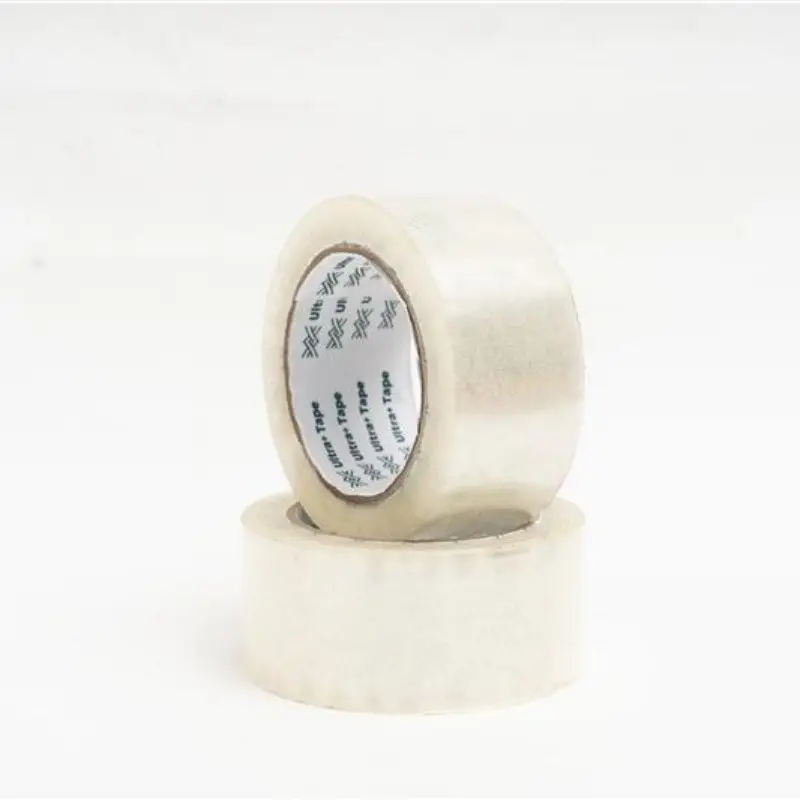
In the fast-paced world of logistics and supply chain management, selecting the right packaging materials can significantly impact operational efficiency, product integrity, and overall cost management. Among the various sealing solutions available, acrylic bopp tape has emerged as a preferred choice for logistics professionals who demand reliability, performance consistency, and long-term value. This specialized packaging tape combines the structural advantages of biaxially oriented polypropylene film with acrylic adhesive chemistry, creating a sealing solution that addresses the unique challenges of modern logistics environments including temperature fluctuations, extended storage periods, and demanding handling conditions.
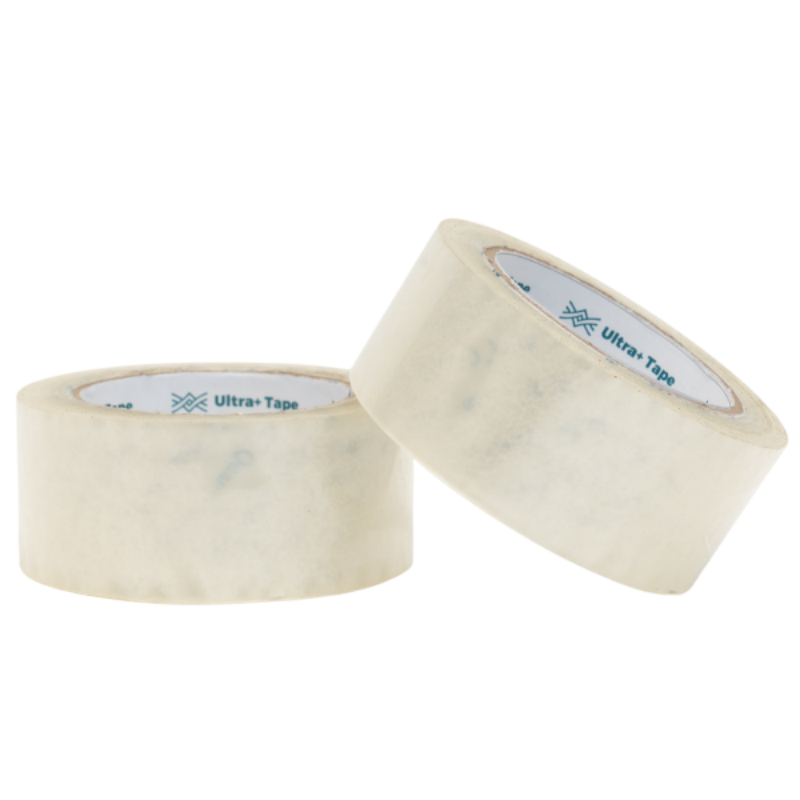
Understanding the specific advantages of acrylic bopp tape within logistics operations requires examining how its material composition and adhesive properties align with the practical demands of warehouse operations, freight transportation, and distribution networks. Unlike traditional rubber-based alternatives, this tape technology delivers performance characteristics that directly address critical pain points in logistics workflows, from maintaining seal integrity during international shipping to ensuring reliable carton closure across diverse climate zones. The following analysis explores the key advantages that make this tape formulation particularly valuable for logistics applications, providing decision-makers with the technical insights needed to optimize their packaging strategies.
Superior Adhesive Performance in Diverse Environmental Conditions
Exceptional Temperature Resistance for Multi-Climate Logistics
One of the most compelling advantages of acrylic bopp tape in logistics operations is its outstanding temperature resistance, which enables reliable performance across the extreme environmental variations commonly encountered in global supply chains. The acrylic adhesive formulation maintains consistent bonding strength from temperatures as low as negative 20 degrees Celsius to highs exceeding 60 degrees Celsius, ensuring carton seals remain secure whether goods traverse frozen storage facilities, endure summer heat in unrefrigerated transport containers, or experience rapid temperature transitions during intermodal transfers. This thermal stability eliminates the seal failures that plague rubber-based alternatives when exposed to cold conditions, where traditional adhesives become brittle and lose tackiness, or in hot environments where they may soften excessively and allow seal creep.
Logistics operations involving cold chain management particularly benefit from the low-temperature performance of acrylic bopp tape, as the adhesive chemistry retains its molecular flexibility and bonding capability even when cartons are sealed in ambient conditions and subsequently moved into refrigerated or frozen storage. This prevents the common problem of tape edges lifting or complete seal failure that occurs when temperature-sensitive adhesives contract and lose their grip on corrugated substrates. For distribution centers serving both ambient and temperature-controlled zones, using a single tape specification with reliable cross-temperature performance simplifies inventory management while ensuring consistent sealing quality regardless of storage destination.
Humidity and Moisture Resistance for Coastal and Tropical Environments
The moisture resistance inherent in acrylic bopp tape formulations provides critical advantages for logistics operations in coastal regions, tropical climates, and any environment where humidity fluctuations threaten packaging integrity. The acrylic adhesive chemistry exhibits excellent resistance to moisture penetration, maintaining bonding strength even when cartons are exposed to high humidity conditions during extended storage in port facilities, transit through maritime environments, or distribution in regions with tropical weather patterns. This moisture stability prevents the adhesive degradation and backing saturation issues that compromise rubber-based tapes in humid conditions, where water absorption can lead to adhesive softening, reduced shear strength, and eventual seal failure.
Distribution networks serving Southeast Asian markets, Middle Eastern coastal zones, or Latin American tropical regions find particular value in the humidity resistance of acrylic bopp tape, as sealed cartons maintain their closure integrity throughout extended warehousing periods and multi-leg transportation journeys. The biaxially oriented polypropylene backing material itself contributes to this moisture resistance, as its low water absorption rate prevents the film degradation and dimensional instability that can occur with paper-backed tapes or inferior film formulations. For logistics managers concerned about product protection in challenging climates, this moisture-resistant performance translates directly into reduced damaged goods claims, lower repackaging costs, and enhanced customer satisfaction.
UV Stability for Extended Outdoor Exposure Scenarios
Acrylic bopp tape demonstrates superior ultraviolet light resistance compared to alternative adhesive technologies, providing significant advantages for logistics scenarios involving outdoor storage, open-yard container staging, or extended exposure to sunlight during transportation. The acrylic adhesive formulation resists the photodegradation that causes yellowing, embrittlement, and adhesive breakdown in rubber-based tapes when exposed to UV radiation, maintaining both visual appearance and functional performance throughout extended exposure periods. This UV stability ensures that cartons sealed for outdoor container yards, vehicle staging areas, or temporary outdoor storage facilities retain their seal integrity without the premature failure common with UV-sensitive adhesive systems.
Logistics operations supporting construction sites, agricultural distribution, or remote location deliveries particularly benefit from this UV resistance, as sealed packages may experience prolonged outdoor exposure before final delivery or installation. The maintained adhesive performance prevents the need for resealing operations, reduces material waste from failed closures, and ensures package security throughout the entire logistics chain. For distribution centers managing inventory in outdoor storage zones or dealing with seasonal capacity constraints requiring temporary outdoor staging, the UV stability of acrylic bopp tape provides operational flexibility without compromising package integrity or requiring specialized storage protocols.
Enhanced Durability and Long-Term Holding Power
Aging Resistance for Extended Warehouse Storage Periods
The exceptional aging resistance of acrylic bopp tape represents a critical advantage for logistics operations managing inventory with extended shelf life, slow-moving SKUs, or strategic stock reserves that may remain in warehouse storage for months or years before distribution. Unlike natural rubber adhesives that oxidize over time, leading to gradual adhesive degradation and eventual seal failure, the synthetic acrylic formulation maintains its chemical stability and bonding performance throughout extended aging periods. This long-term reliability ensures that cartons sealed today will maintain secure closures regardless of storage duration, eliminating the risk of seal failure during retrieval, handling, or shipment of aged inventory.
Distribution centers supporting industries with seasonal demand patterns, such as holiday merchandise, agricultural products, or seasonal industrial supplies, find particular value in the aging stability of acrylic bopp tape. Inventory sealed during off-peak production periods maintains full package integrity when retrieved months later for seasonal distribution peaks, without requiring inspection and resealing operations that add labor cost and potential product exposure. For third-party logistics providers managing diverse client inventory with varying turnover rates, this aging resistance provides quality assurance across all storage duration scenarios, supporting service level agreements without requiring tape specification variations based on anticipated storage time.
Shear Resistance Under Sustained Load Conditions
The superior shear resistance of acrylic bopp tape delivers critical performance advantages in logistics applications where sealed cartons experience sustained loading conditions during palletized storage, vertical stacking in high-bay warehouses, or prolonged transit in loaded containers. The acrylic adhesive's high cohesive strength resists the slow deformation and creep behavior that causes rubber-based adhesives to fail under sustained stress, maintaining seal integrity even when carton flaps bear continuous tension from internal product weight or external stacking loads. This shear resistance prevents the progressive seal opening that can occur during extended storage or transportation, where gravity and load forces gradually overcome adhesive holding power in inferior tape formulations.
High-density warehouse operations utilizing multi-level storage racking, automated storage and retrieval systems, or floor-stacking methodologies particularly benefit from the shear resistance properties of acrylic bopp tape. Cartons positioned at the bottom of tall stacks maintain secure closures despite bearing the cumulative weight of multiple layers above, preventing the seal failures that compromise product protection and create safety hazards when packages unexpectedly open during handling or retrieval operations. For logistics operations managing heavy products, bulk commodities, or industrial components in large carton formats, this sustained load resistance ensures package integrity throughout storage and transportation, reducing material loss, contamination risk, and workplace safety incidents related to unsealed packages.
Tensile Strength for Impact and Handling Durability
The robust tensile strength of the biaxially oriented polypropylene backing in acrylic bopp tape provides exceptional resistance to the physical stresses encountered during typical logistics handling operations, including automated conveyor systems, manual package sorting, loading and unloading activities, and the inevitable impacts that occur during transportation. The film's molecular orientation creates a material structure that resists tearing, splitting, and puncture damage far more effectively than unoriented films or paper-backed alternatives, maintaining seal integrity even when cartons experience rough handling, edge impacts, or abrasion against other packages or handling equipment. This mechanical durability translates directly into reduced package failures, lower product damage rates, and decreased labor costs associated with repackaging operations.
Distribution centers with high-velocity sorting operations, automated package handling systems, or multi-touch logistics networks find particular value in the tensile strength characteristics of acrylic bopp tape. Packages maintain secure closures through repeated handling touchpoints, conveyor transfers, and sortation equipment contacts without the tape splitting, edge lifting, or backing failure common with inferior materials. For e-commerce fulfillment operations, parcel carrier networks, and cross-dock facilities where packages experience intensive handling in compressed timeframes, this durability reduces the operational disruptions and cost penalties associated with damaged packages, while supporting the throughput velocity required in modern logistics environments.
Operational Efficiency and Application Performance
Consistent Unwind and Dispensing Characteristics
The reliable unwind characteristics of acrylic bopp tape provide significant operational advantages in logistics environments utilizing manual tape dispensers, semi-automated case sealing equipment, or fully automated carton closing systems. The controlled release properties of acrylic adhesive formulations enable smooth, consistent tape dispensing without the backing separation failures, adhesive transfer problems, or unwind tension variations that cause jamming, waste, and downtime in case sealing operations. This dispensing reliability supports higher packaging line speeds, reduces operator intervention requirements, and minimizes the material waste associated with tape jams, misfeeds, or the need to discard sections with dispensing defects.
High-volume packaging operations and automated distribution centers particularly benefit from the consistent unwind performance of acrylic bopp tape, as machine reliability directly impacts overall throughput capacity and labor productivity. Automated case sealing machines operate with fewer interruptions, requiring less frequent adjustment or maintenance intervention, while manual taping operations experience improved ergonomics and reduced operator fatigue due to the smooth dispensing action. For logistics managers focused on operational efficiency metrics, this dispensing consistency translates into measurable improvements in packages sealed per labor hour, reduced tape consumption per carton, and lower total cost of ownership when accounting for equipment downtime and maintenance expenses.
Clean Removal Properties for Reverse Logistics
The clean removal characteristics of acrylic bopp tape offer valuable advantages for logistics operations involving returns management, reusable packaging systems, or situations requiring package opening and resealing during quality inspection or order verification processes. Unlike aggressive rubber adhesives that leave substantial residue on corrugated substrates, the acrylic formulation enables cleaner tape removal with minimal adhesive transfer, facilitating carton reuse in reverse logistics programs and reducing the surface preparation required when resealing returned or inspected packages. This clean removal property supports sustainability initiatives focused on packaging reuse while maintaining professional appearance standards for customer-facing shipments.
E-commerce logistics operations with high return rates, third-party logistics providers managing reverse supply chains, and distribution centers supporting rental or leasing business models find particular value in the clean removal properties of acrylic bopp tape. Returned cartons can be efficiently inspected, repackaged if necessary, and returned to service without extensive cleaning or the visual degradation caused by heavy adhesive residue accumulation. For operations committed to circular economy principles or seeking to reduce packaging material costs through container reuse programs, this characteristic enables practical implementation of reusable packaging strategies while maintaining the sealing security required for forward distribution.
Quick Initial Tack for High-Speed Operations
The rapid initial tack development of acrylic bopp tape formulations provides critical advantages in high-velocity logistics operations where sealed cartons must immediately proceed to subsequent handling steps without waiting periods for adhesive bond development. Modern acrylic adhesive chemistry delivers immediate grab strength upon application, enabling cartons to be stacked, palletized, or moved onto conveyor systems within seconds of sealing without risk of flap reopening or seal failure. This quick tack eliminates the production bottlenecks associated with slower-bonding adhesive systems that require holding periods or gentle handling during the initial cure phase, directly supporting the throughput requirements of contemporary distribution operations.
Automated packaging lines, cross-dock facilities with compressed dwell times, and just-in-time distribution networks particularly benefit from the immediate bonding performance of acrylic bopp tape. Sealed cartons can proceed directly from case sealing stations to labeling operations, quality verification checkpoints, or loading zones without intermediate staging areas or handling delays, maximizing facility throughput capacity and minimizing the floor space required for work-in-process accumulation. For logistics operations managing tight service windows, rapid order fulfillment commitments, or high-mix product portfolios requiring frequent changeovers, this quick tack characteristic enables operational flexibility without compromising sealing quality or package security.
Cost Effectiveness and Total Value Proposition
Reduced Seal Failures and Associated Costs
The superior reliability of acrylic bopp tape directly translates into measurable cost savings through dramatically reduced seal failure rates across the logistics chain, eliminating the expenses associated with damaged goods claims, repackaging labor, replacement material costs, and the customer relationship impacts of delivery failures. The consistent performance across environmental conditions, extended storage periods, and demanding handling scenarios means fewer cartons arrive at destination with compromised closures, reducing the costly interventions required when packages fail during transit or storage. This reliability advantage compounds across high-volume operations, where even small percentage improvements in seal success rates generate substantial annual savings in material, labor, and customer service costs.
Logistics operations can quantify the cost advantage of acrylic bopp tape by tracking metrics including seal failure rates per thousand cartons shipped, repackaging labor hours per shift, customer claims related to package integrity, and replacement shipment costs for products damaged due to inadequate package closure. Organizations transitioning from economy tape solutions to acrylic bopp tape formulations typically observe seal failure rate reductions exceeding 60 percent, with corresponding decreases in the associated cost categories. For distribution operations shipping tens of thousands of cartons monthly, these reliability improvements generate five-figure or six-figure annual savings that far exceed any incremental material cost difference between tape specifications.
Extended Tape Life and Reduced Inventory Costs
The exceptional shelf stability of acrylic bopp tape enables logistics operations to maintain larger inventory positions without risk of material degradation, supporting bulk purchasing strategies that reduce unit costs while ensuring consistent material availability for uninterrupted operations. Unlike rubber-based alternatives that exhibit limited shelf life due to oxidation and adhesive degradation, acrylic formulations maintain full performance capability for multiple years under typical warehouse storage conditions, eliminating the material waste and emergency procurement costs associated with aged tape inventory that no longer performs adequately. This extended storage stability supports strategic sourcing initiatives, vendor consolidation programs, and inventory optimization strategies that balance carrying costs against purchase price advantages.
Multi-site logistics networks and organizations with diverse facility portfolios particularly benefit from the extended shelf life of acrylic bopp tape, as centralized procurement and strategic inventory positioning become viable without concerns about material aging before consumption. Distribution centers can maintain safety stock to buffer against supply disruptions, leverage volume purchasing opportunities, or consolidate suppliers to reduce procurement complexity, all while ensuring that tape inventory retains full performance capability regardless of turnover velocity. For procurement professionals managing packaging material portfolios, this stability characteristic simplifies supplier negotiations, supports longer-term contracting strategies, and enables total cost of ownership optimization beyond simple price-per-roll comparisons.
Labor Efficiency Through Application Reliability
The consistent application characteristics of acrylic bopp tape generate measurable labor cost advantages by reducing the time operators spend addressing tape-related issues, minimizing the training required for effective material use, and decreasing the supervision and quality control resources needed to ensure adequate sealing outcomes. The material's forgiving application properties mean operators achieve secure seals across a wider range of application pressures, substrate conditions, and technique variations, reducing the skill dependency and learning curve associated with more temperamental tape formulations. This application reliability translates directly into higher productivity per labor hour, reduced error rates requiring rework, and lower training costs for seasonal or temporary workforce augmentation.
Distribution operations experiencing high workforce turnover, seasonal volume fluctuations requiring temporary labor, or multi-shift operations with varying operator experience levels find particular value in the user-friendly characteristics of acrylic bopp tape. New operators achieve proficiency more rapidly, experienced workers maintain higher sustained productivity, and supervisory personnel spend less time addressing sealing quality issues or conducting remedial training. For logistics managers tracking labor efficiency metrics, this application reliability enables measurable improvements in cartons sealed per labor hour, reduced error rates in sealing operations, and lower overall labor costs per unit shipped when accounting for productivity, training, and quality management factors.
FAQ
How does acrylic bopp tape perform in freezer storage applications compared to hot melt adhesive tapes?
Acrylic bopp tape significantly outperforms hot melt adhesive tapes in freezer storage applications due to its superior low-temperature flexibility and bonding retention. While hot melt adhesives become rigid and lose tackiness at temperatures below 0 degrees Celsius, often resulting in complete seal failure when cartons are moved from ambient sealing environments into frozen storage, acrylic formulations maintain their molecular flexibility and adhesive properties down to negative 20 degrees Celsius or lower. This makes acrylic bopp tape the preferred choice for cold chain logistics, frozen food distribution, and any application where sealed cartons will experience sub-freezing temperatures during storage or transportation.
What carton surface preparation is required for optimal acrylic bopp tape performance in logistics environments?
Acrylic bopp tape achieves optimal performance on clean, dry corrugated surfaces free from excessive dust, oils, or silicone contamination, though it demonstrates greater tolerance for typical warehouse surface conditions than many alternative adhesive systems. For standard logistics applications using new corrugated cartons in typical warehouse environments, no special surface preparation is required beyond ensuring carton flaps are reasonably clean and dry at the point of sealing. However, when reusing cartons or sealing in unusually dusty environments, briefly wiping sealing surfaces to remove loose particulates will enhance initial bond strength and long-term holding power. The acrylic adhesive's wetting characteristics enable effective bonding to the slightly rough, porous surface of corrugated board without requiring the perfectly smooth substrates demanded by some specialty adhesive systems.
Can acrylic bopp tape be used effectively with automated case sealing equipment in high-speed logistics operations?
Acrylic bopp tape performs excellently in automated case sealing equipment and is specifically engineered to meet the demanding requirements of high-speed packaging automation common in modern logistics facilities. The material's consistent unwind characteristics, controlled adhesive release properties, and dimensional stability ensure reliable feeding through automatic tape heads without the jamming, backing separation, or tension variation issues that cause downtime with inferior tape formulations. Most automated case sealing equipment manufacturers specifically recommend acrylic bopp tape formulations for optimal machine performance, and the material successfully operates at line speeds exceeding 30 cartons per minute in properly maintained equipment. For logistics operations investing in packaging automation, specifying acrylic bopp tape ensures maximum equipment uptime, minimal maintenance intervention, and consistent sealing quality across production runs.
What is the typical cost difference between acrylic bopp tape and economy rubber-based alternatives for logistics applications?
Acrylic bopp tape typically carries a unit cost premium of 15 to 35 percent compared to economy rubber-based packaging tapes, though this initial price difference is generally offset by superior performance characteristics that reduce total cost of ownership in logistics applications. When evaluating cost effectiveness, logistics managers should consider the complete cost equation including seal failure rates, repackaging labor, damaged goods claims, equipment downtime, and the operational disruptions associated with unreliable sealing materials. Comprehensive total cost analysis consistently demonstrates that the reliability advantages, environmental performance, and application efficiency of acrylic bopp tape deliver lower overall logistics costs despite higher per-roll pricing, particularly in operations shipping temperature-sensitive products, managing extended storage periods, or operating across diverse climate zones where the environmental stability of acrylic formulations prevents the costly failures common with economy alternatives.
Table of Contents
- Superior Adhesive Performance in Diverse Environmental Conditions
- Enhanced Durability and Long-Term Holding Power
- Operational Efficiency and Application Performance
- Cost Effectiveness and Total Value Proposition
-
FAQ
- How does acrylic bopp tape perform in freezer storage applications compared to hot melt adhesive tapes?
- What carton surface preparation is required for optimal acrylic bopp tape performance in logistics environments?
- Can acrylic bopp tape be used effectively with automated case sealing equipment in high-speed logistics operations?
- What is the typical cost difference between acrylic bopp tape and economy rubber-based alternatives for logistics applications?