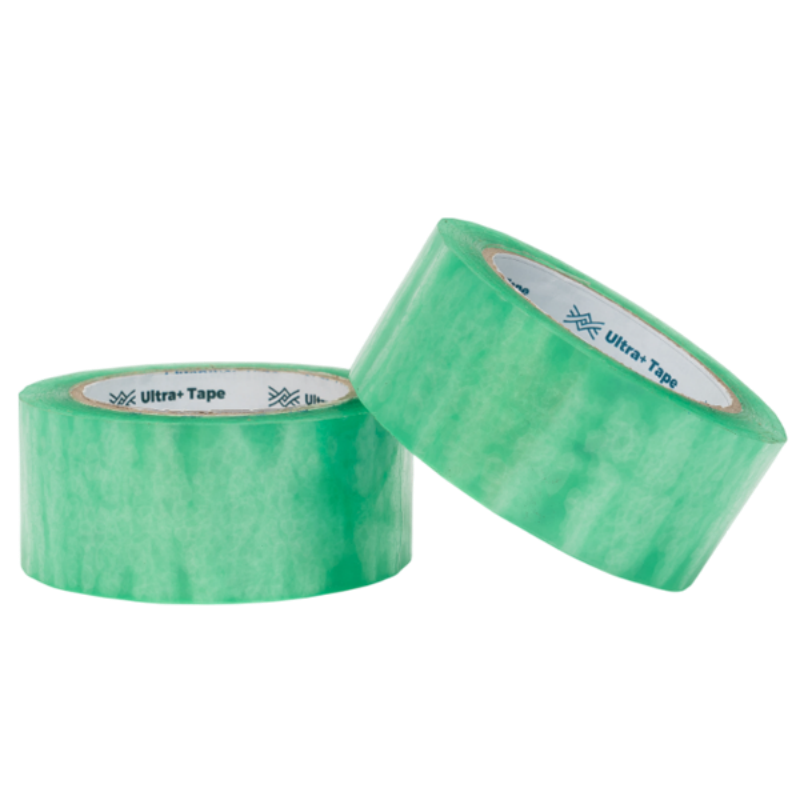
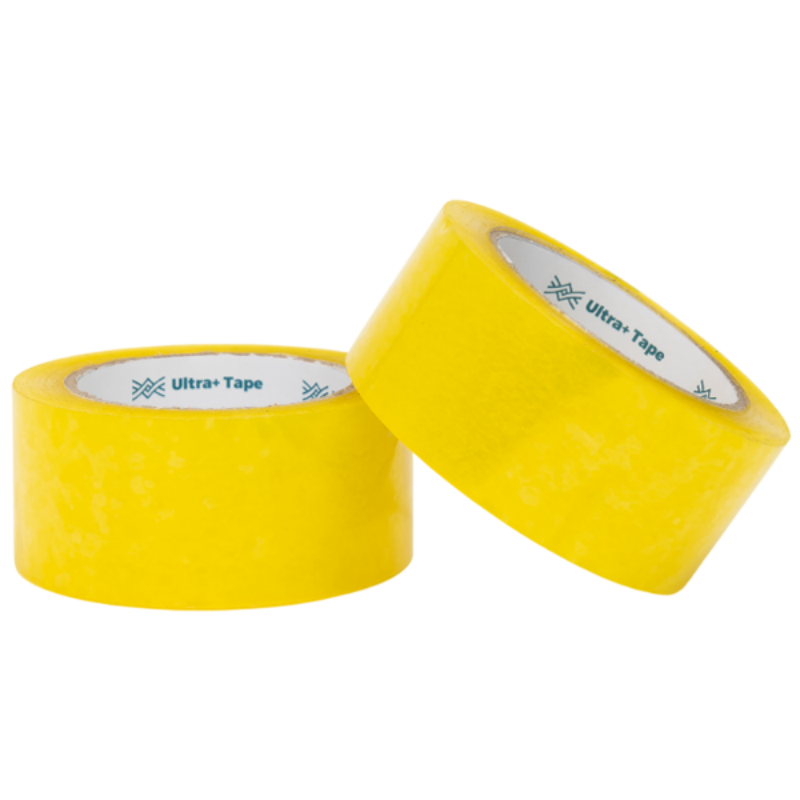
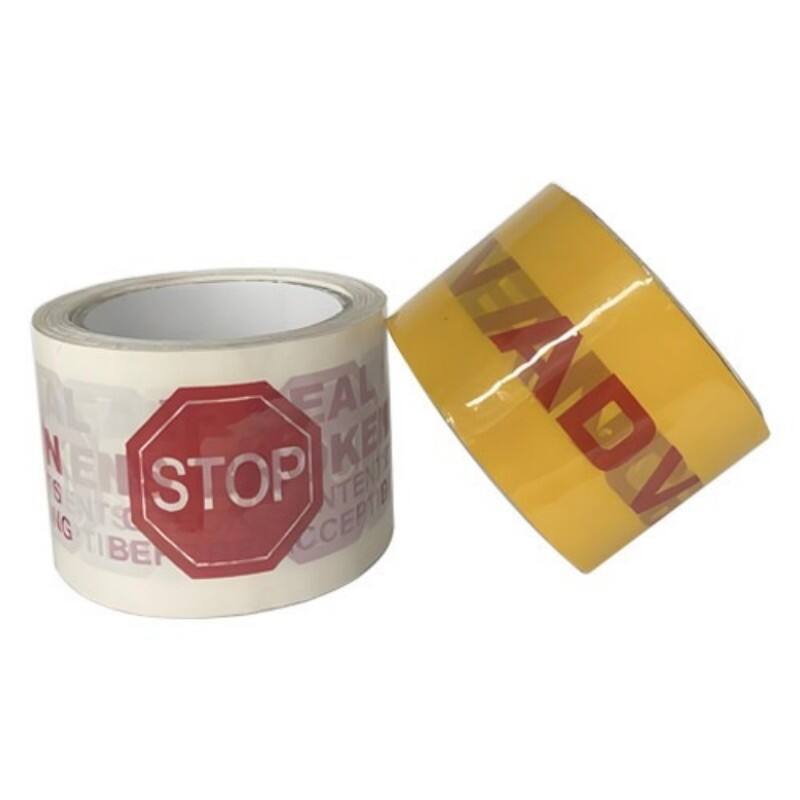
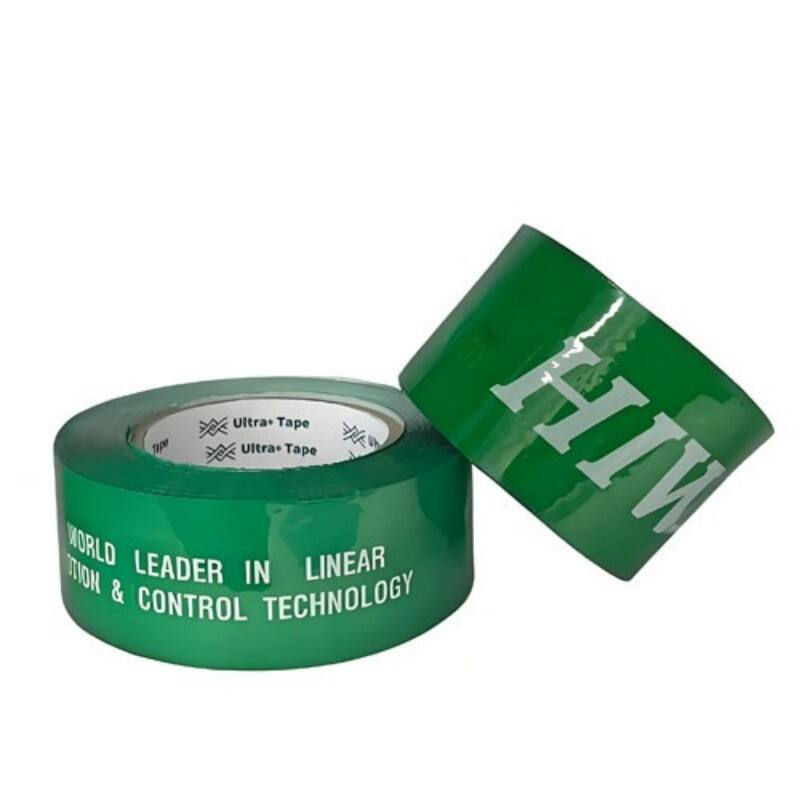
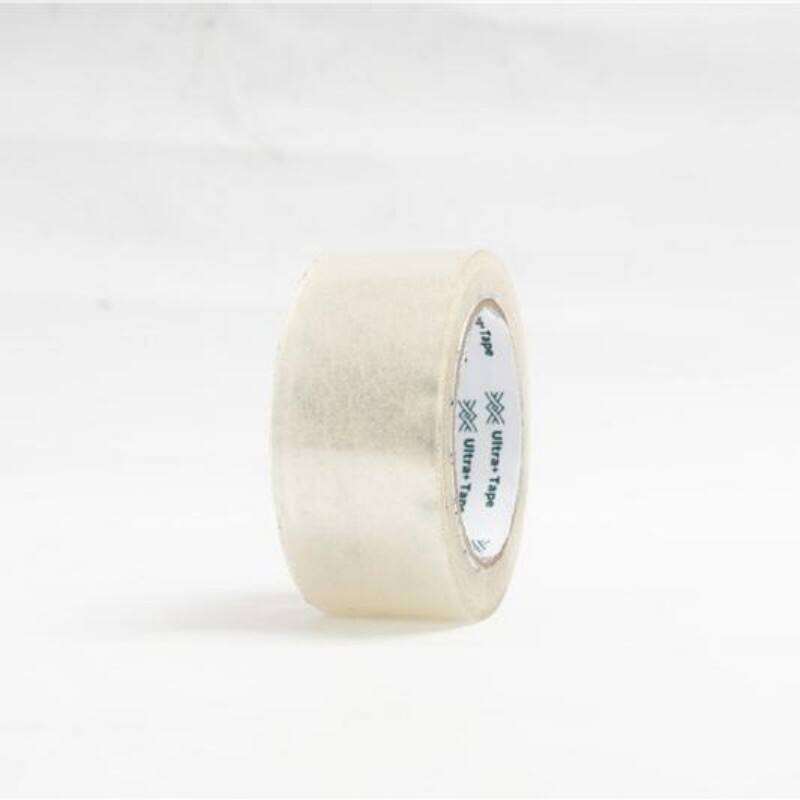
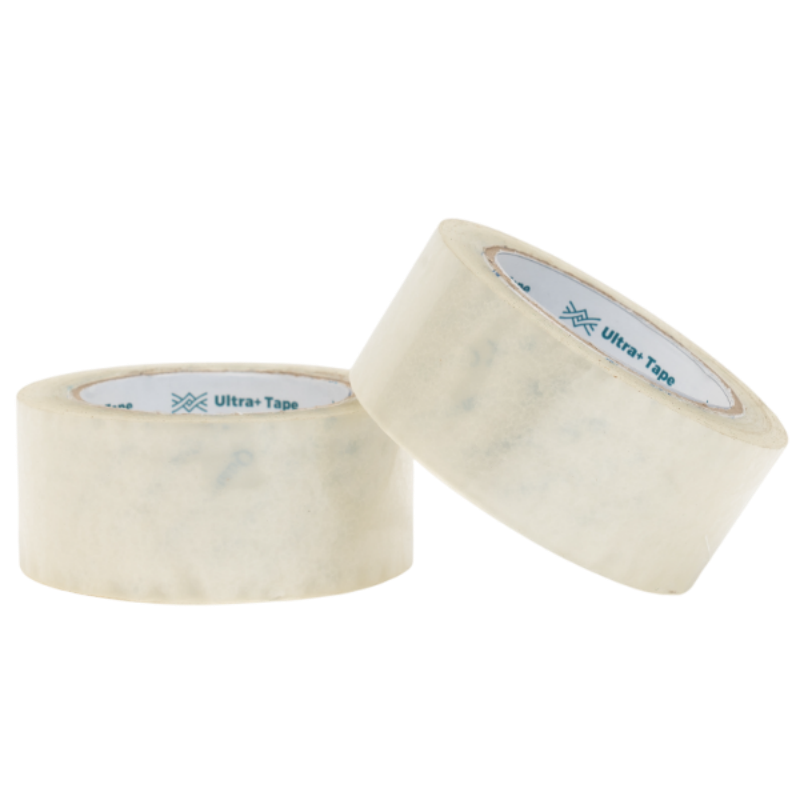
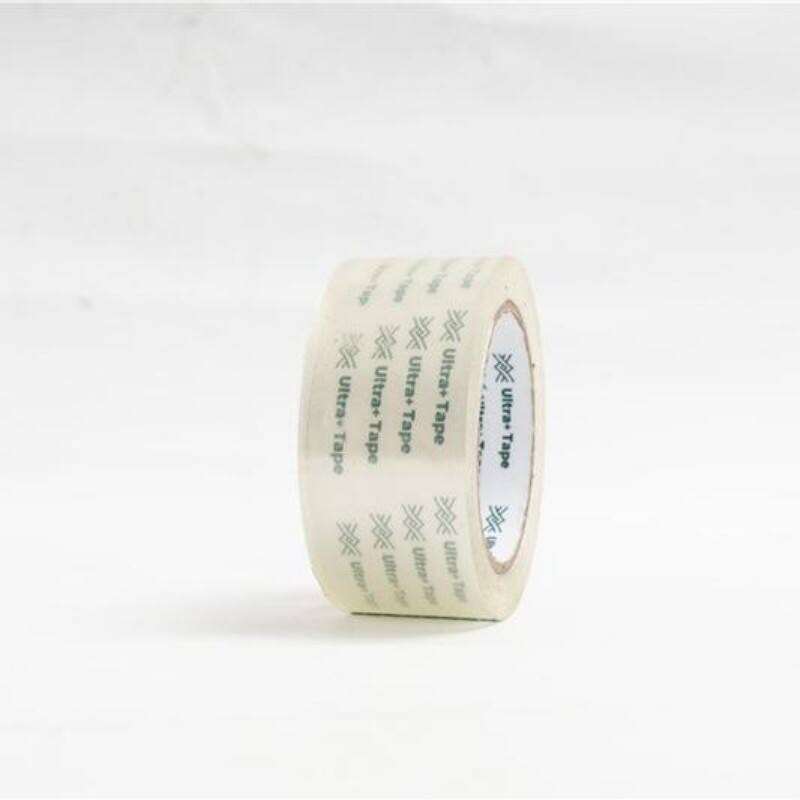
industrial packing tape rolls
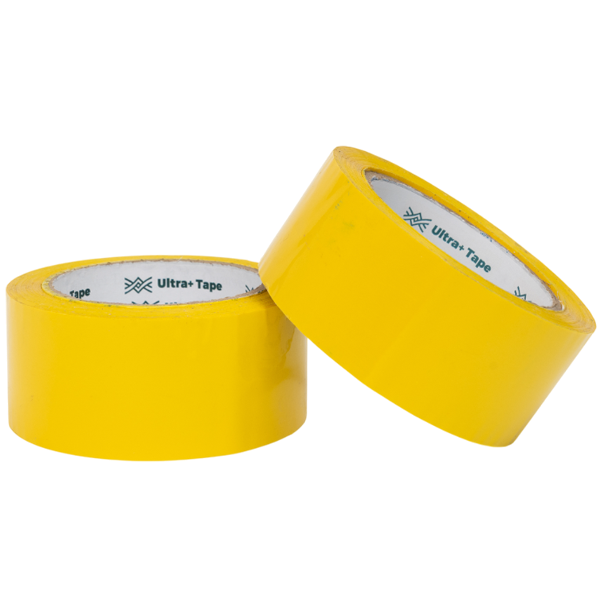
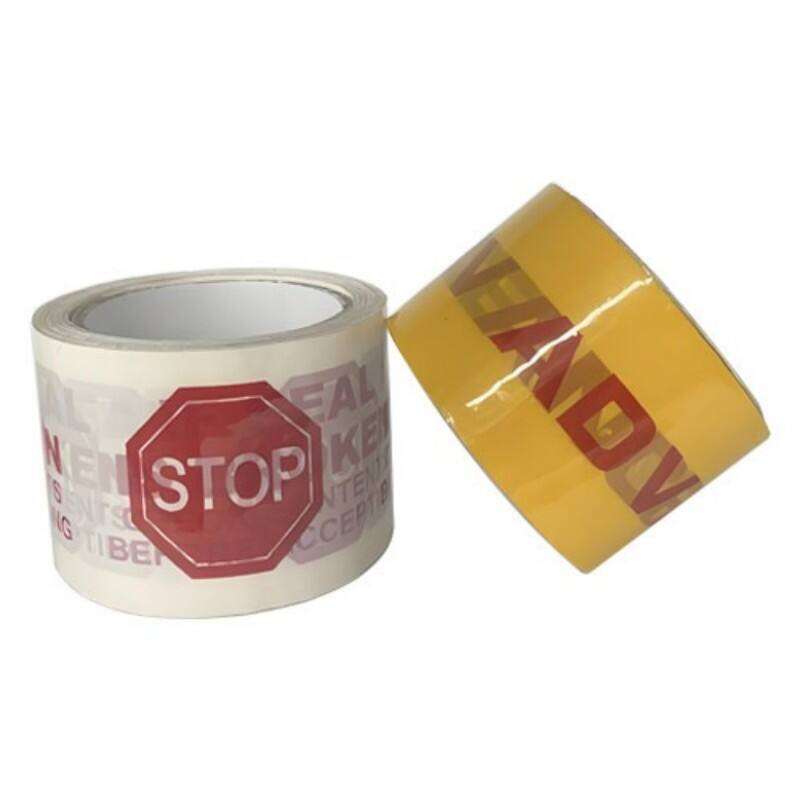
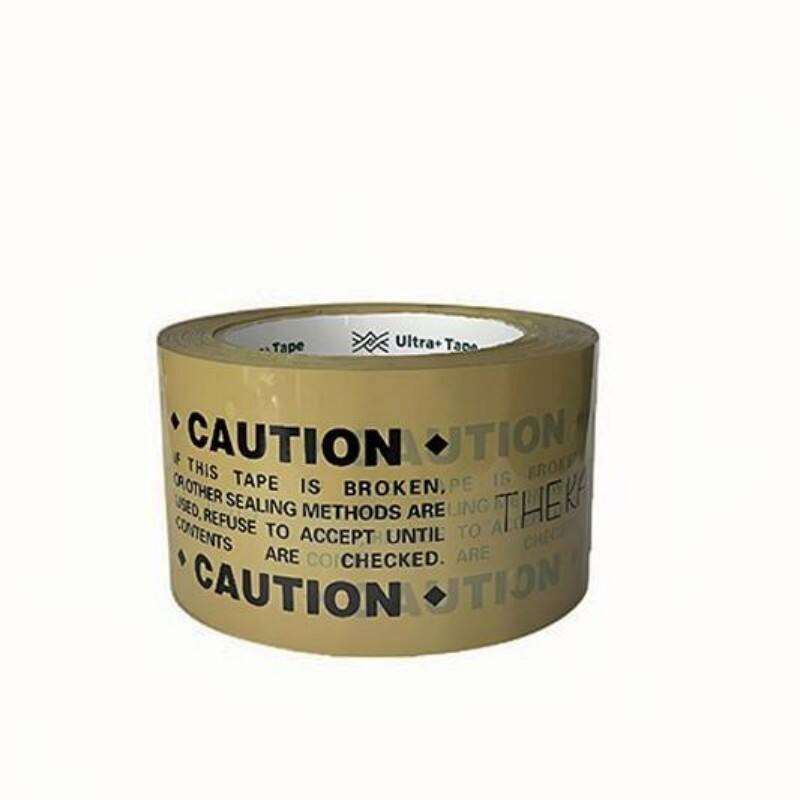
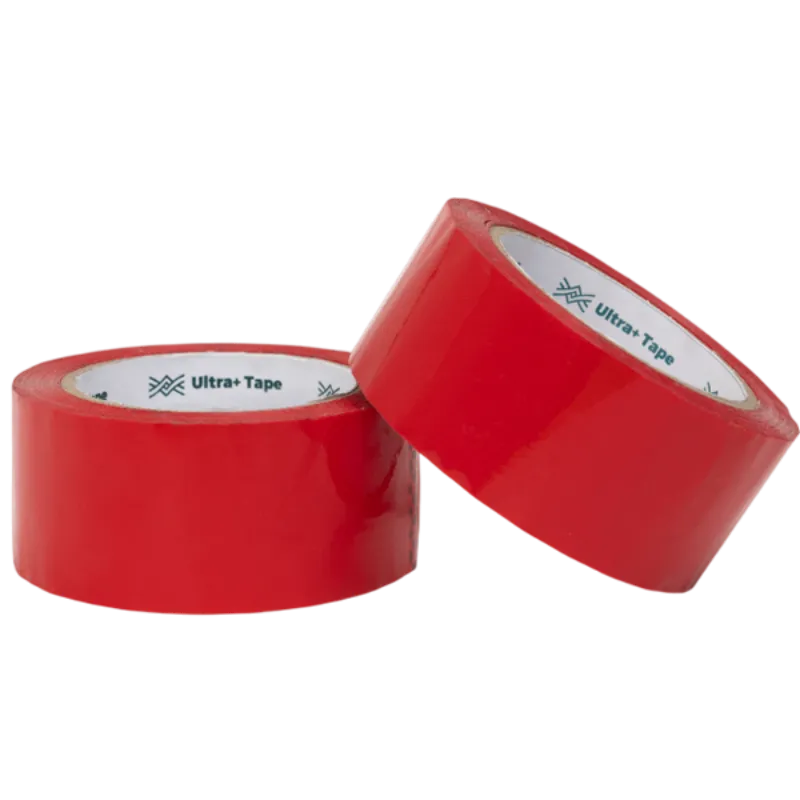
Industrial packing tape rolls represent essential packaging solutions designed to secure, seal, and protect shipments across diverse commercial environments. These specialized adhesive products deliver reliable performance in warehouses, distribution centers, manufacturing facilities, and logistics operations where consistent sealing strength matters most. Unlike standard consumer tapes, industrial packing tape rolls feature enhanced adhesive formulations and reinforced backing materials engineered to withstand demanding conditions including temperature fluctuations, moisture exposure, and mechanical stress during transit. The construction typically involves multiple layers: a backing material such as polypropylene or reinforced filament, a pressure-sensitive adhesive layer, and sometimes additional reinforcement elements that provide superior tensile strength. Industrial packing tape rolls come in various widths, lengths, and thicknesses to accommodate different packaging requirements, from lightweight cartons to heavy-duty shipping containers. The adhesive technology employed in these products ensures immediate bonding upon application while maintaining holding power throughout the shipping cycle. Many industrial packing tape rolls incorporate features like quick-stick adhesives that grab surfaces instantly, reducing application time and improving productivity on busy packing lines. The backing materials resist splitting, tearing, and edge lifting, which are common failure points in inferior products. Temperature resistance allows these tapes to perform reliably in cold storage facilities, heated warehouses, and during transportation through varying climate zones. Industrial packing tape rolls also offer excellent conformability, allowing them to adhere smoothly to corrugated surfaces, overlapping flaps, and irregular box shapes without creating air pockets or weak spots. The versatility of industrial packing tape rolls extends beyond simple carton sealing to applications including bundling products, reinforcing package corners, creating tamper-evident seals, and providing surface protection during manufacturing processes. Color-coded options help organizations implement quality control systems, differentiate product lines, or enhance brand visibility throughout the supply chain.

 EN
EN