Versatile Applications Across Multiple Industries and Processes
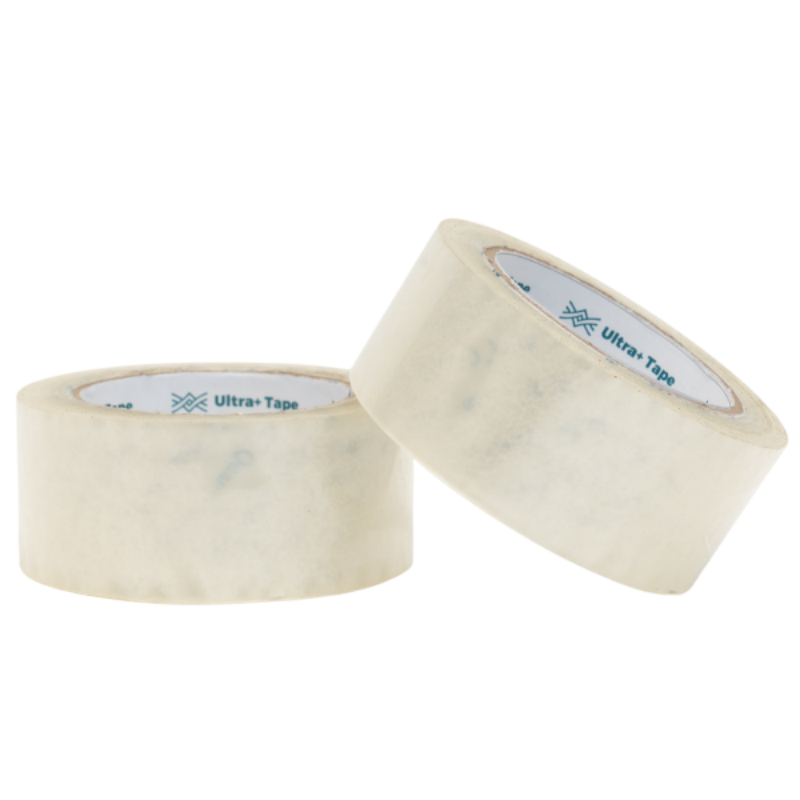
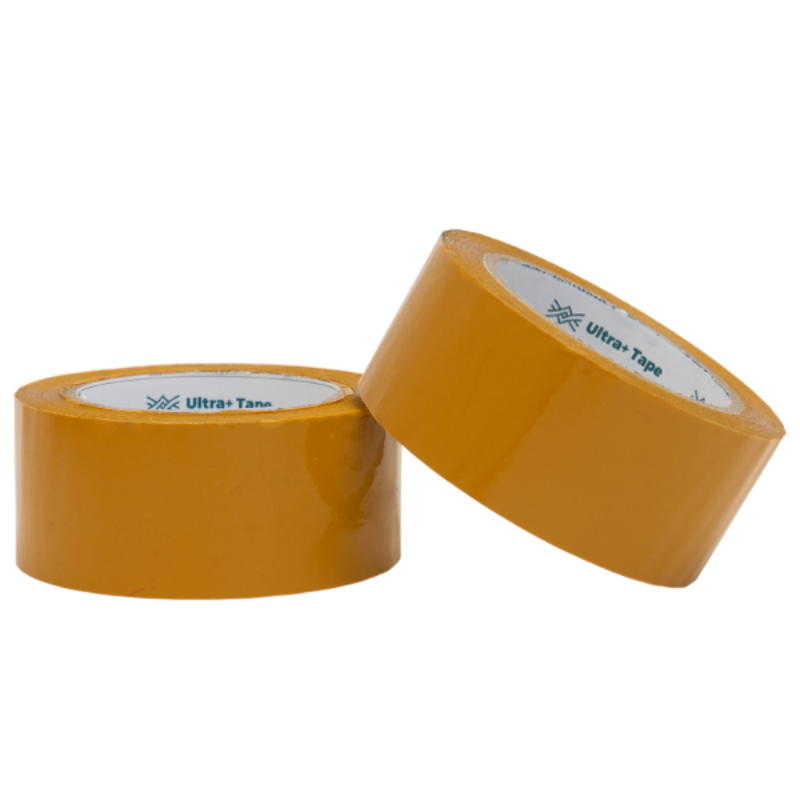
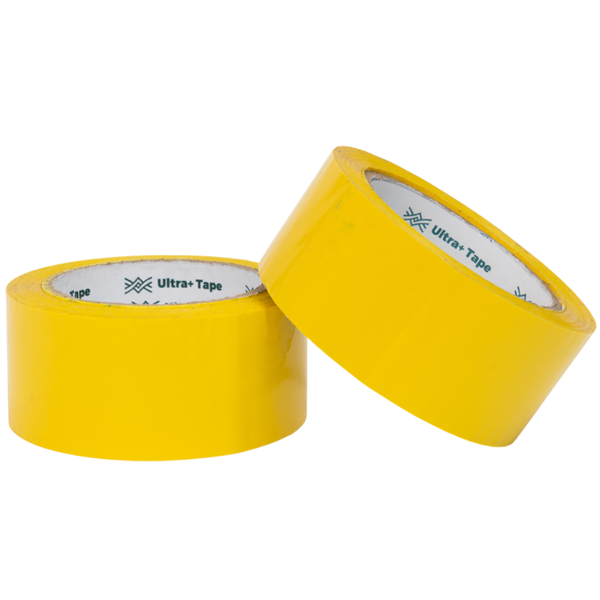
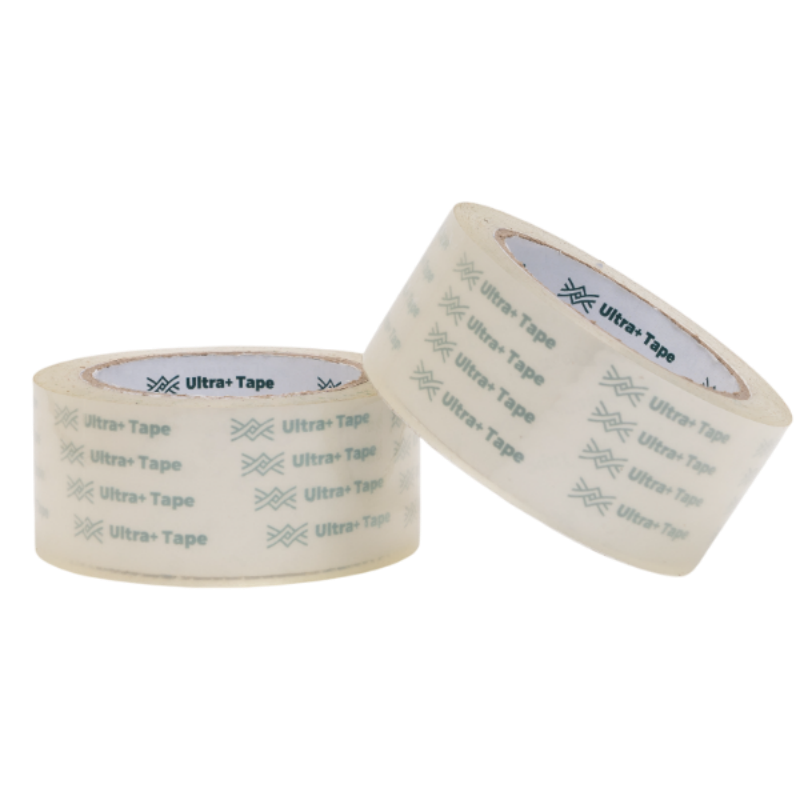
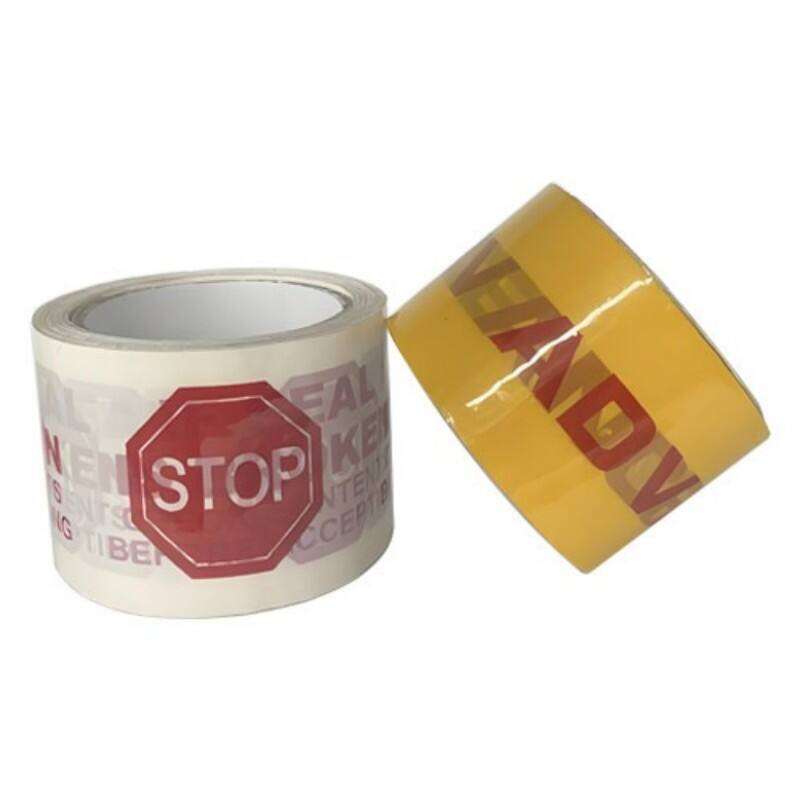
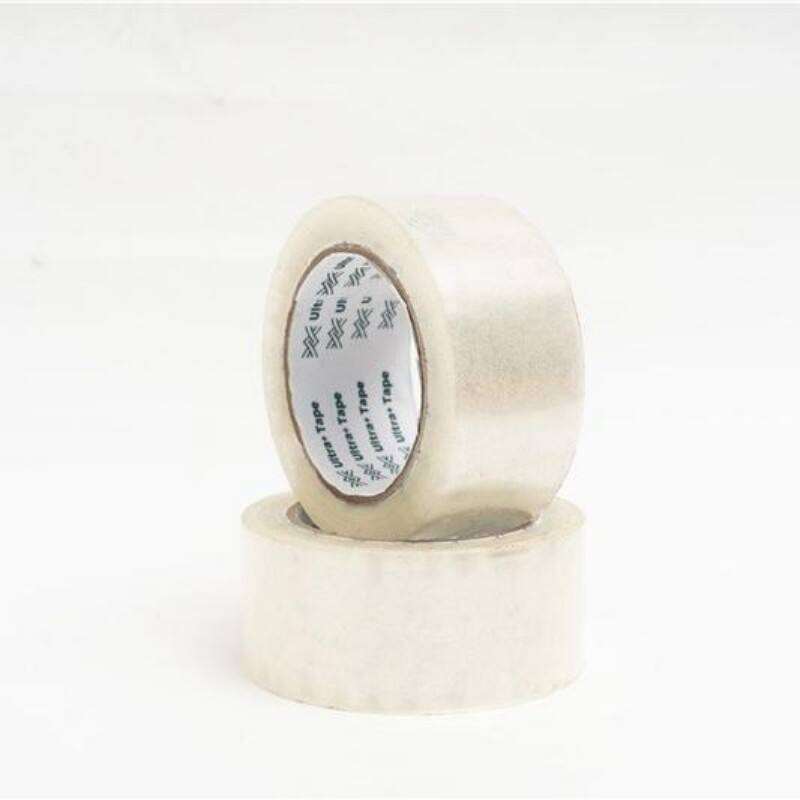
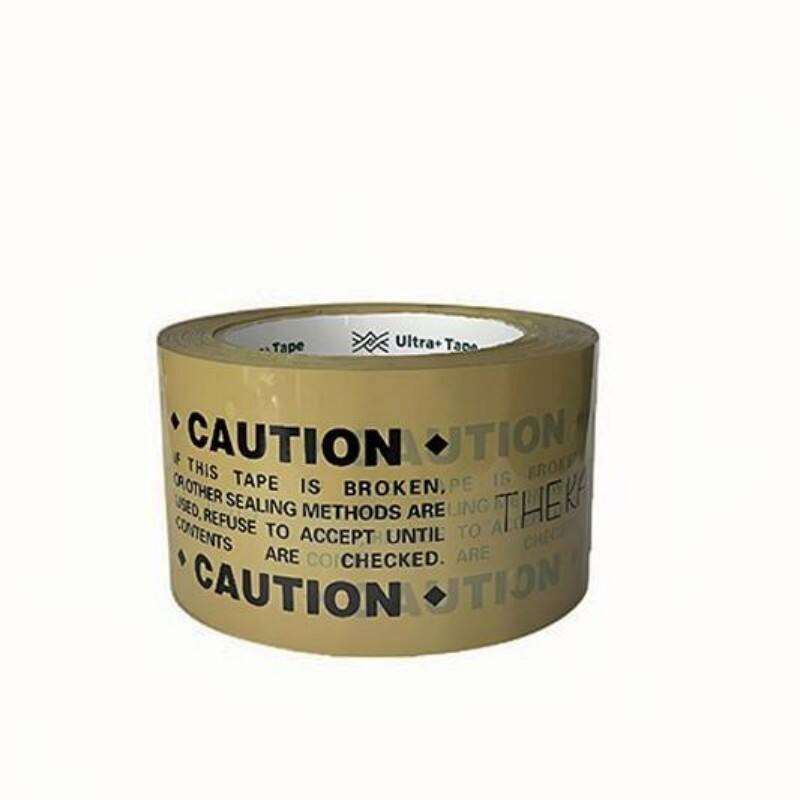
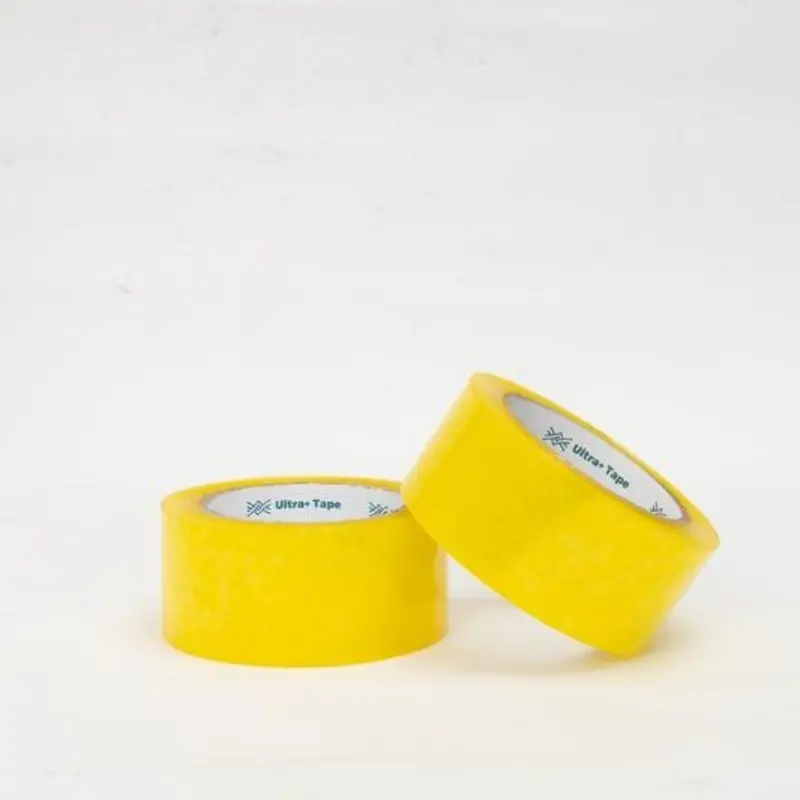
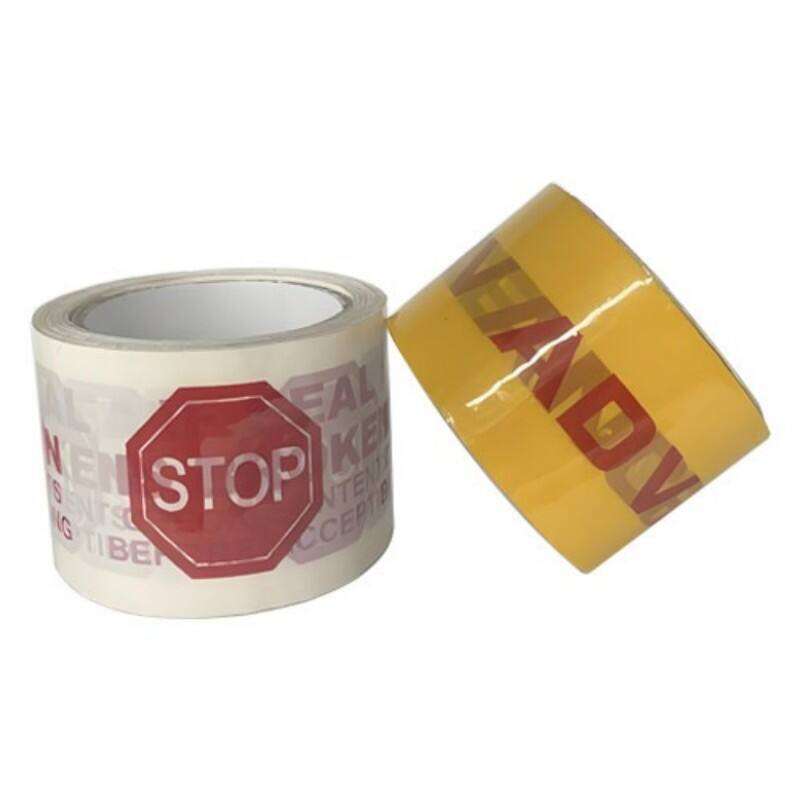
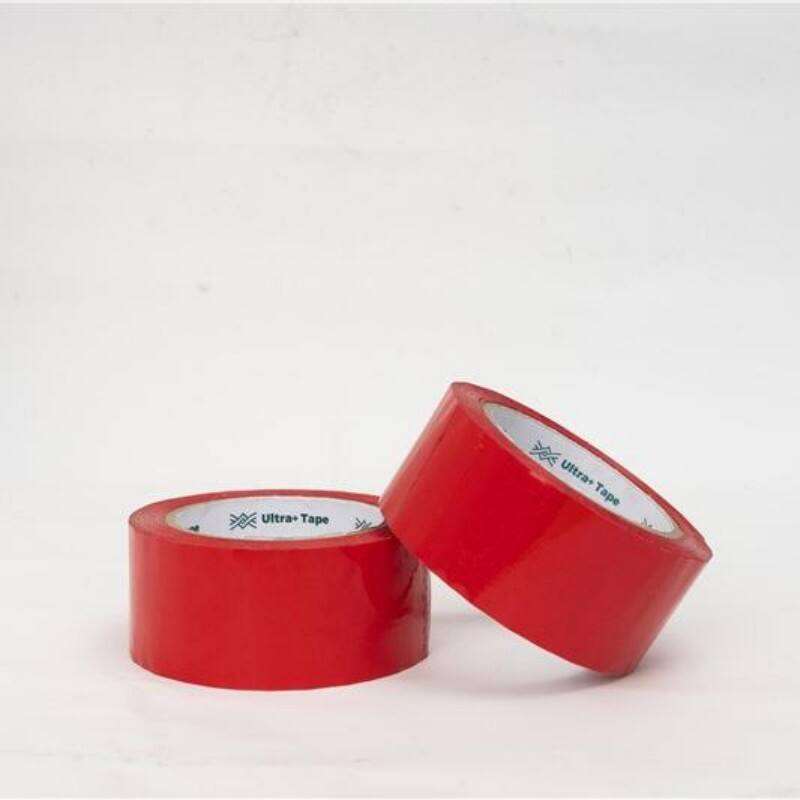
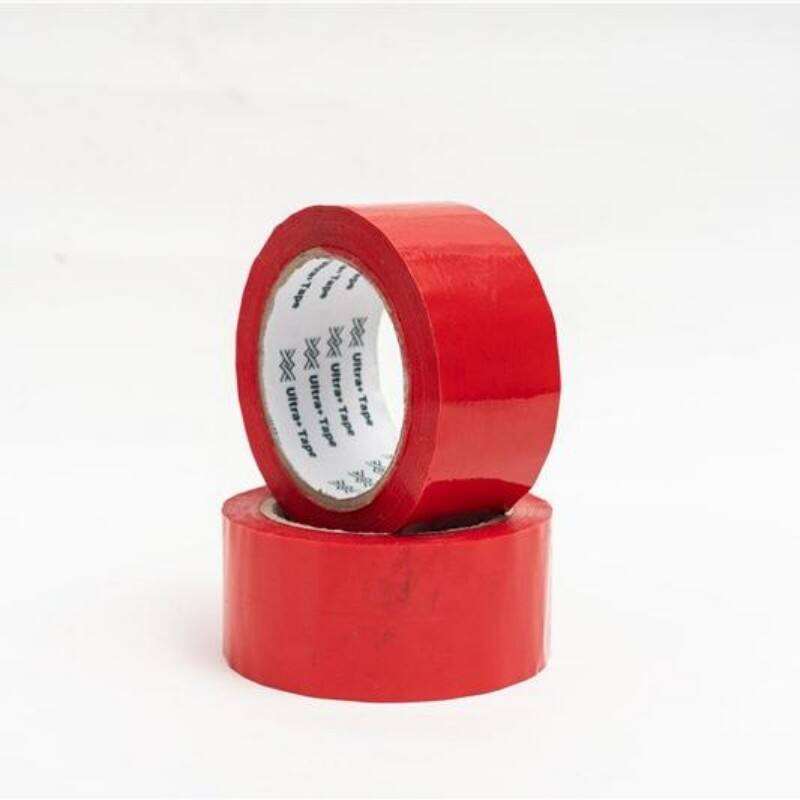
The bopp jumbo roll price provides access to an remarkably versatile material platform that serves countless applications across diverse industries, making it one of the most widely adopted packaging films in global commerce. In the food packaging sector, BOPP film purchased in jumbo roll format gets converted into flexible packaging for snacks, baked goods, fresh produce, confectionery, and frozen foods, where its moisture resistance, clarity, and printability create attractive packages that preserve freshness and extend shelf life. The bopp jumbo roll price structure supports both small artisan food producers and large multinational brands, with material specifications customizable to meet specific product protection requirements and branding objectives. Label manufacturing represents a massive application category where bopp jumbo roll price economics enable cost-effective production of pressure-sensitive labels, wrap-around labels, and in-mold labels used on beverage bottles, personal care products, household chemicals, and industrial containers. The film's excellent printability accepts flexographic, gravure, and digital printing technologies, reproducing intricate graphics, fine text, and vibrant colors that communicate brand identity and product information effectively. Adhesive tape production consumes significant volumes of BOPP jumbo rolls, with the film serving as the backing material for packaging tapes, stationery tapes, and specialty industrial tapes where tensile strength and dimensional stability ensure reliable performance. The bopp jumbo roll price for tape applications often involves films with specific release treatments or texture patterns that optimize adhesive bonding and unwinding characteristics. Lamination applications utilize BOPP film to enhance and protect printed materials including book covers, magazine covers, packaging cartons, and promotional graphics, with the bopp jumbo roll price enabling cost-effective application of protective and aesthetic enhancement layers. The tobacco industry relies heavily on BOPP film for cigarette overwrapping, where the material's moisture barrier, tensile strength, and optical clarity meet stringent requirements for product protection and brand presentation. Flower and gift wrapping applications benefit from specialized BOPP grades that offer unique visual effects including metallic finishes, holographic patterns, and matte surfaces, with the bopp jumbo roll price structure accommodating both commodity and premium decorative film options. Industrial applications extend to capacitor film, batteries, and various technical uses where BOPP's dielectric properties and chemical resistance provide essential functionality. The flexibility inherent in purchasing jumbo rolls means converters can service multiple application segments from single inventory positions, improving capital efficiency and responsiveness to market opportunities. Understanding how bopp jumbo roll price correlates with specific application requirements helps buyers select optimal material grades that balance performance specifications with cost objectives, ensuring maximum value from their material investments while meeting quality standards demanded by end users and regulatory requirements.

 EN
EN