
 EN



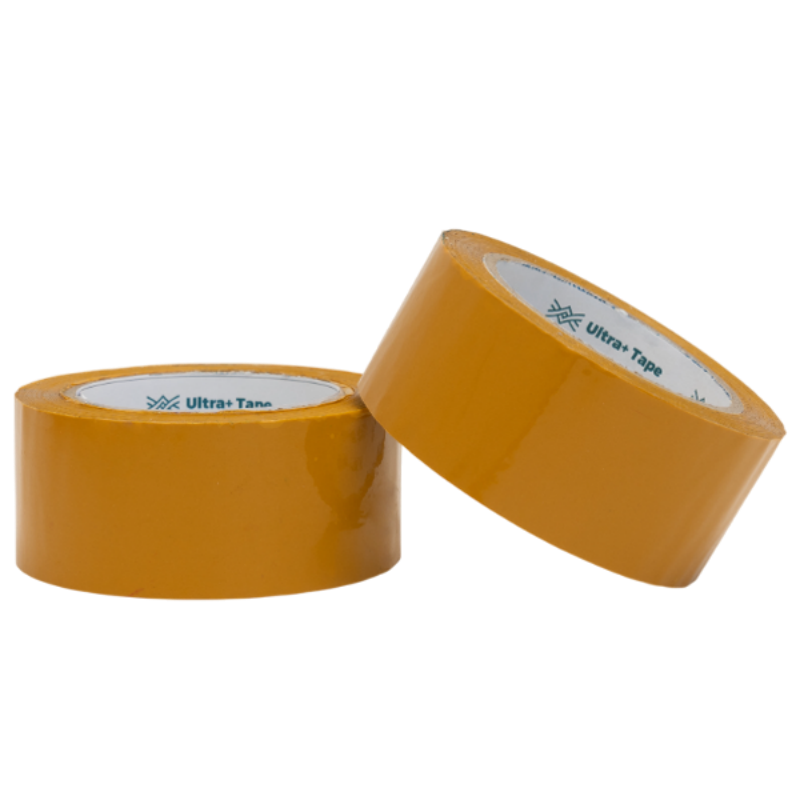
Selecting the correct packing tape thickness is fundamental to ensuring your shipments arrive safely and your operations remain cost-effective. The thickness of your packing tape directly impacts sealing strength, durability during transit, and overall packaging costs. Understanding tape gauge measurements and how they relate to your specific shipping requirements can prevent costly damage and customer dissatisfaction. Most businesses overlook this critical detail, assuming all packing tape performs equally, but thickness variations create significant differences in how well packages withstand the rigors of modern logistics.
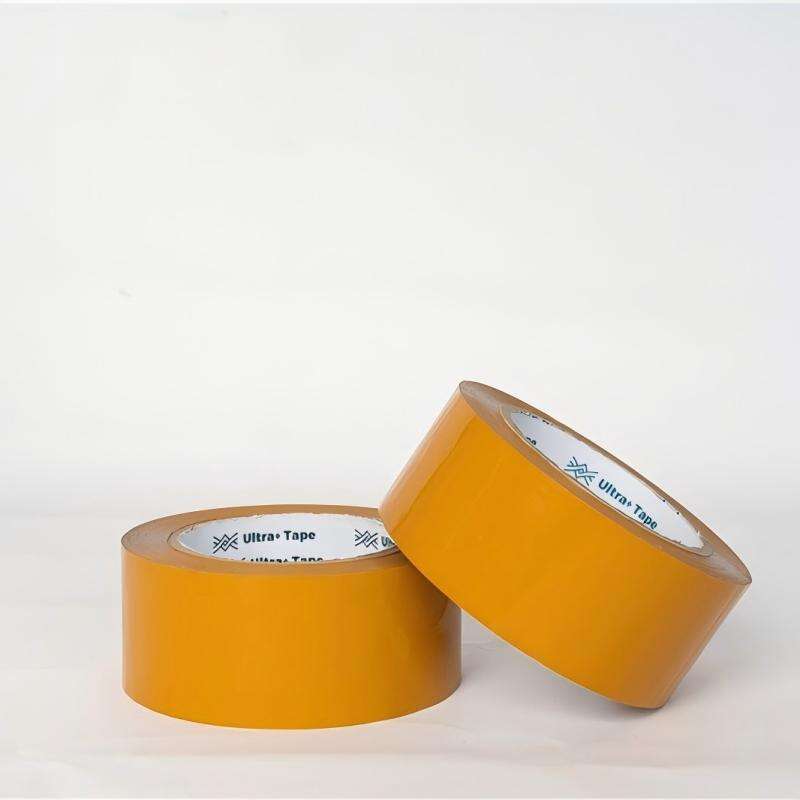
The thickness of carton sealing tape is measured in mil units, with one mil equaling one-thousandth of an inch. Standard packing tape typically ranges from 1.5 to 2.0 mils in thickness, though specialized applications may require thicker gauges. When evaluating packaging adhesive performance, thickness directly correlates with the tape's ability to maintain structural integrity during handling, storage, and transport. Your choice of tape thickness should align with your box weight, shipping distance, and handling conditions to achieve optimal balance between protection and expense.
Understanding Tape Thickness Measurements
Mil Standards and Gauge Classifications
Tape thickness in the shipping industry follows standardized mil measurements that determine tape strength characteristics. Standard packing tape typically measures 1.8 to 2.0 mils, which works well for lightweight to medium-weight packages. Thicker variants, ranging from 2.5 to 3.0 mils, provide enhanced packing tape durability for heavy boxes or repeated handling scenarios. Understanding these measurements helps you select appropriate carton sealing tape that matches your packaging requirements without unnecessary expense.
How Thickness Affects Performance
The thickness of box tape directly influences adhesive transfer and bond strength between the tape and cardboard surface. Thicker packaging adhesive formulations distribute stress more evenly across seams, reducing the likelihood of tears during rough handling. Thinner tapes may save money initially but often require additional applications or reinforce weak seals, ultimately increasing labor costs. A properly selected thickness ensures consistent seal quality and reduces returns due to package damage during transit.
Selecting the Right Thickness for Your Needs
Light-Duty Packaging Applications
For lightweight items shipped locally or through controlled distribution channels, standard carton sealing tape at 1.5 to 1.8 mils provides adequate protection. Small parcels containing electronics, documents, or light merchandise benefit from conventional packing tape without requiring premium thickness. This thickness range offers cost efficiency while maintaining sufficient packaging adhesive strength for short-distance shipments. Retail operations and direct-to-consumer fulfillment centers commonly use this gauge for routine daily packaging demands.
Heavy-Duty and Extended-Transit Scenarios
Shipments traveling long distances or containing heavier contents require thicker tape, typically between 2.5 and 3.0 mils. Industrial equipment, bulk merchandise, and international shipments benefit significantly from reinforced packing tape that resists abrasion and pressure during extended handling. Thicker box tape creates superior adhesion on various cardboard qualities and maintains seal integrity even when exposed to temperature fluctuations and humidity variations. Warehouses processing heavy items or operating in harsh storage environments should prioritize thicker carton sealing tape to minimize damage claims and improve customer satisfaction.
Practical Guidelines for Thickness Selection
Assessing Your Packaging Environment
Consider your storage temperature ranges, humidity levels, and handling intensity when determining appropriate tape thickness. Environments with significant temperature swings may require thicker packaging adhesive to maintain consistent bond strength. High-humidity facilities often need enhanced carton sealing tape because moisture can weaken thin tape bonds over time. The thickness you select should accommodate your specific facility conditions and supply chain challenges.
Cost-Benefit Analysis of Thickness Decisions
While thicker packing tape increases material costs per roll, the reduction in damaged shipments often justifies the investment. A single damaged package requiring replacement and reshipping can exceed the savings from choosing thinner box tape. Calculating your damage rate relative to tape costs reveals whether premium thickness provides genuine value for your operation. Many businesses discover that investing in slightly thicker carton sealing tape reduces overall logistics expenses by preventing costly claims and customer service issues.
FAQ
What is the most common packing tape thickness?
Standard packing tape typically measures 1.8 to 2.0 mils thick, which represents the most widely used thickness in general shipping and packaging operations. This gauge provides a balanced combination of cost-effectiveness and adequate adhesive strength for typical boxes containing light to medium-weight merchandise. Most small and medium-sized businesses rely on this standard thickness for routine daily packaging needs.
Can I use thinner packing tape to save money?
While thinner box tape reduces immediate material costs, it often leads to higher expenses through increased package damage, customer returns, and replacement shipments. Thin carton sealing tape may require double-taping to achieve adequate seal strength, negating initial savings through labor inefficiency. A slightly thicker packaging adhesive solution typically proves more economical when factoring in total operational costs and customer satisfaction impacts.
Does packing tape thickness affect application speed?
Thicker packing tape can sometimes slow application if your dispensers are not properly calibrated for heavier gauges, but modern tape applicators handle standard thickness variations efficiently. The consistency and durability benefits of appropriate tape thickness often compensate for any minimal speed differences during the sealing process. Selecting the right thickness actually improves overall productivity by reducing seal rework and tape reapplication.