
 EN



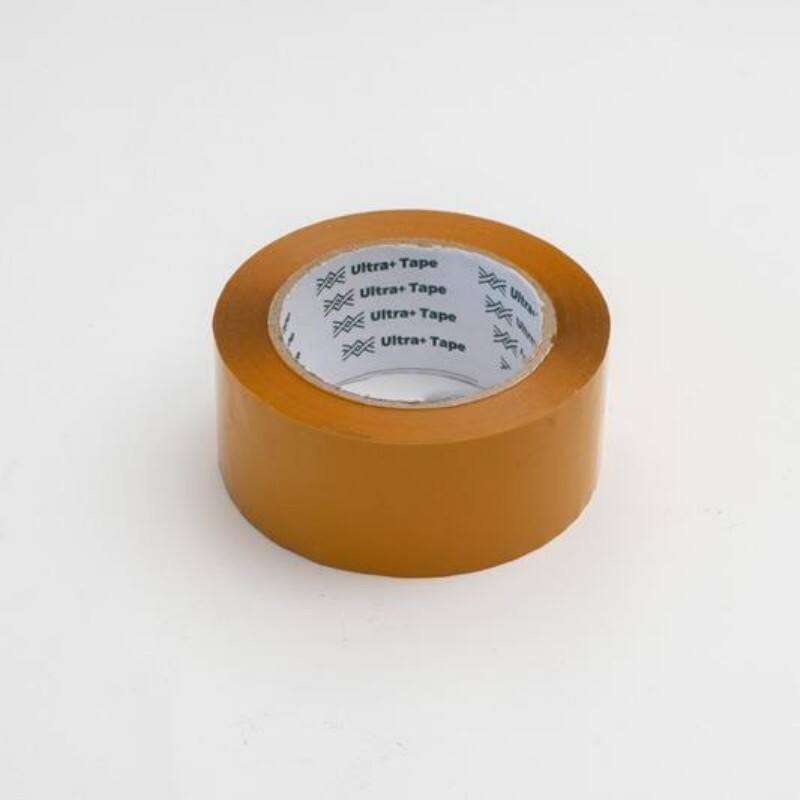
Packing tape is one of the most commonly used materials in shipping and storage, yet many people wonder about the mechanics behind its sticking power. Understanding how packing tape adheres to surfaces reveals fascinating chemistry and physics working together seamlessly. The effectiveness of packing tape depends on several interconnected factors, including the composition of the adhesive layer, the surface characteristics of the box or material being sealed, and the application technique used during installation.
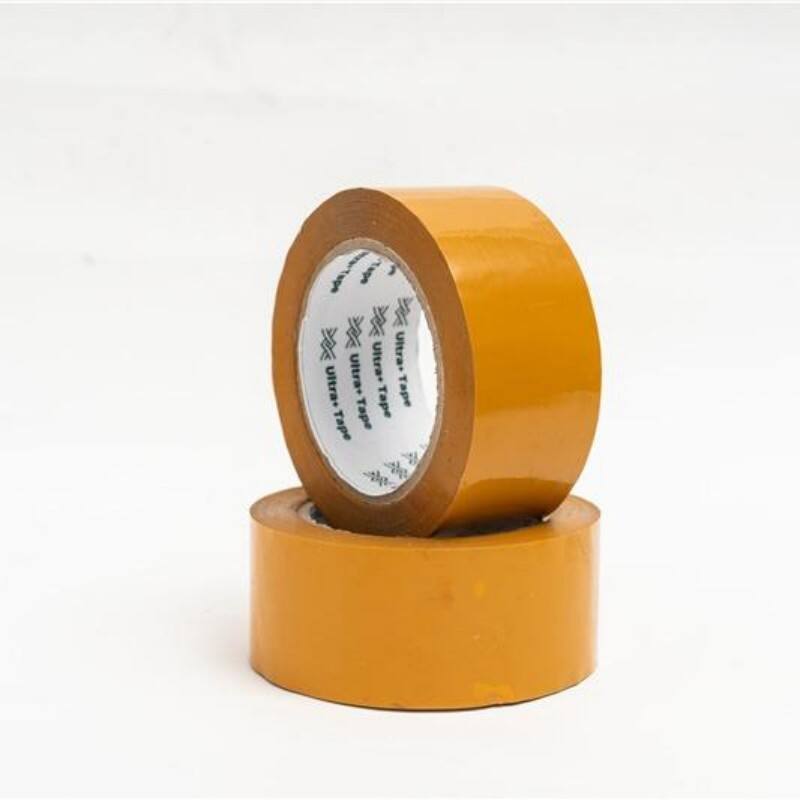
The packaging adhesive used in modern carton sealing tape represents decades of material science innovation. Most commercial box tape utilizes acrylic-based or rubber-based polymers that form strong molecular bonds with cardboard and similar porous surfaces. When you apply carton sealing tape to a box, the adhesive layer makes contact with microscopic surface irregularities, creating mechanical interlocking that provides remarkable holding power without requiring heat or solvents.
The Science of Adhesive Bonding in Box Tape
How Molecular Interaction Creates Bonding Strength
Adhesion occurs through multiple mechanisms working simultaneously when carton sealing tape meets a surface. The packaging adhesive penetrates the micro-porosity of cardboard fibers, establishing van der Waals forces and hydrogen bonds at the molecular level. These weak individual bonds accumulate across the contact area, creating substantial cumulative strength. The more surface area the tape covers, the more bonding points form, which is why proper application technique matters significantly for box tape performance.
Temperature influences how effectively the packaging adhesive activates and flows into surface irregularities. At room temperature, most acrylic-based adhesives reach optimal tack within minutes of application. Cold environments can slow this process, potentially affecting initial hold strength of your carton sealing tape. Conversely, excessive heat may cause the adhesive to migrate too deeply into the cardboard, reducing immediate tackiness while potentially improving long-term bonding of box tape.
Surface Preparation and Adhesive Contact
The quality of adhesion depends heavily on surface cleanliness and texture. Dusty, oily, or contaminated cardboard surfaces prevent proper contact between the packaging adhesive and the substrate material. When you apply packing tape to a clean, dry box surface, the adhesive makes full contact with cardboard fibers, maximizing bonding efficiency. Moisture on the surface creates a barrier that prevents the packaging adhesive from reaching the substrate, significantly reducing the holding power of carton sealing tape.
Pressure applied during application directly affects adhesive penetration depth and contact area. Pressing firmly when applying box tape ensures the packaging adhesive flows completely across the contact zone, eliminating air pockets that weaken the bond. Professional packing operations use pressure-sensitive mechanisms or hand pressure to activate the adhesive properly, ensuring consistent performance of carton sealing tape across all sealed boxes.
Adhesive Composition and Material Selection
Types of Polymers in Modern Packaging Adhesive
Most commercial packing tape uses acrylic polymer adhesives, which offer excellent balance between initial tack, long-term holding power, and environmental stability. Acrylic-based packaging adhesive maintains performance across a wide temperature range, making it suitable for storage facilities and transportation scenarios where climate varies. Rubber-based adhesives provide faster initial grab for packing tape, though they may age and lose effectiveness over extended periods. Understanding these distinctions helps you select the appropriate box tape formulation for your specific application requirements.
The carrier material of packing tape—typically polypropylene film—works synergistically with the packaging adhesive to create durability and tear resistance. The film provides structural support while the carton sealing tape's adhesive layer maintains the seal against environmental stresses. This combination ensures that box tape performs reliably under tension, puncture attempts, and handling throughout the shipping lifecycle.
Environmental Factors Affecting Adhesive Performance
Humidity and temperature fluctuations impact how effectively packaging adhesive maintains its bond over time. High humidity can soften certain adhesive formulations, while extreme cold may reduce tack and flexibility of the carton sealing tape. Quality packing tape formulations include additives that stabilize the adhesive across these environmental ranges. Storage conditions before application also matter—tape stored in cool, dry environments performs more consistently than tape exposed to temperature cycling or humidity exposure.
UV exposure gradually degrades the performance of some box tape varieties, particularly those using natural rubber compounds. Commercial packaging adhesive formulations often include UV stabilizers to prevent this degradation during extended outdoor storage or in sunlit warehouse facilities. The packing tape you select should match the environmental conditions where sealed boxes will be stored or transported.
Practical Application Techniques for Maximum Adhesion
Proper Application Methods for Box Tape
Effective use of carton sealing tape requires attention to sealing technique and surface preparation. Run the packing tape along the center seam of box flaps, ensuring complete coverage from one side to the opposite edge. This application method maximizes the contact area between the packaging adhesive and the cardboard substrate. Avoid stretched or wrinkled application, as these conditions create air gaps that compromise the adhesive bond and reduce overall seal integrity.
Double-sided sealing—applying box tape to both the top and bottom seams of a sealed box—significantly enhances security and theft resistance. While this doubles the tape consumption, the improved protection justifies the additional material cost for high-value shipments. The multiple contact points between the packing tape and cardboard create redundant adhesive bonds, ensuring seal integrity even if one application sustains minor damage.
Troubleshooting Poor Adhesion Issues
If carton sealing tape fails to adhere properly, first examine the box surface for dust, moisture, or residue that might interfere with the packaging adhesive contact. Clean the sealing area with a dry cloth before applying fresh packing tape. Temperature mismatches between the box and room environment can also affect adhesive activation—allow boxes to reach ambient temperature before sealing. Insufficient pressure during application represents another common cause of weak bonding, so ensure you press firmly along the entire length of the box tape application.
The age and storage conditions of your packing tape directly influence its adhesive properties. Tape exposed to heat, sunlight, or extended storage periods may lose tack effectiveness. Properly stored box tape in cool, dry conditions maintains optimal performance for twelve months or longer. If you experience consistent adhesion failures, examine whether your carton sealing tape has reached the end of its useful lifespan or has been stored inappropriately.
FAQ
Why does packing tape stick better to some cardboard than others?
The packaging adhesive bonds more effectively to uncoated, porous cardboard surfaces than to glossy or treated finishes. Coated cardboard prevents the adhesive from penetrating into the fiber structure, reducing mechanical interlocking and overall bond strength. The surface texture, moisture content, and cleanliness of the cardboard also significantly affect how well the carton sealing tape adheres. Uncontaminated, dry boxes provide ideal conditions for maximum adhesion of box tape.
How long does the adhesive bond last on carton sealing tape?
High-quality packing tape maintains its adhesive bond for months under normal storage conditions, with many formulations remaining effective for one to two years. The longevity of packaging adhesive depends on environmental exposure, temperature fluctuations, and humidity levels where sealed boxes are stored. Boxes stored in temperature-controlled environments experience less adhesive degradation than those exposed to outdoor weather conditions. Regular inspection of older shipments can identify if the box tape seal has weakened over time.
Can you improve the adhesion of packing tape by heating it?
Moderate heat can enhance how quickly the packaging adhesive activates and flows into surface irregularities, improving initial bond strength of carton sealing tape. Heating the box surface or the tape itself slightly before application accelerates the adhesive's contact time with the cardboard substrate. However, excessive heat can damage the polypropylene carrier film or cause the adhesive to migrate too deeply, potentially weakening the immediate hold of your packing tape. Gentle warming is more effective than intense heat for optimizing box tape performance.