
 EN



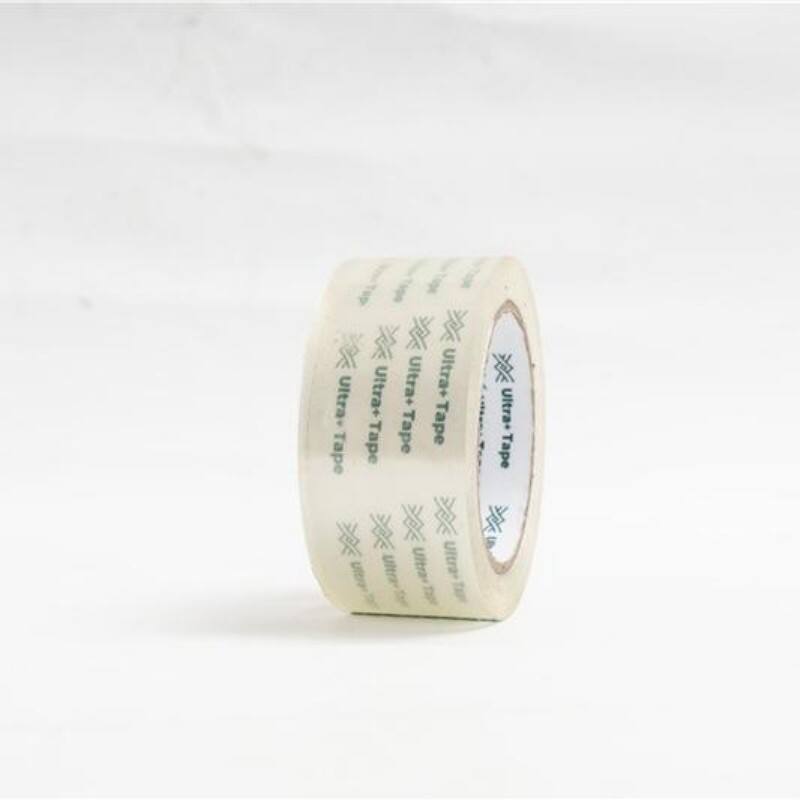
Understanding what packing tape is made of helps you select the right product for your shipping and storage needs. Packing tape serves as a critical component in logistics, warehousing, and e-commerce operations, where secure carton sealing is essential for product protection during transit. The composition of packing tape directly affects its adhesive strength, durability, and performance across different materials and environmental conditions. Whether you're securing cardboard boxes in a warehouse or preparing packages for shipment, knowing the materials behind your packing tape ensures you choose a solution that meets your operational requirements.
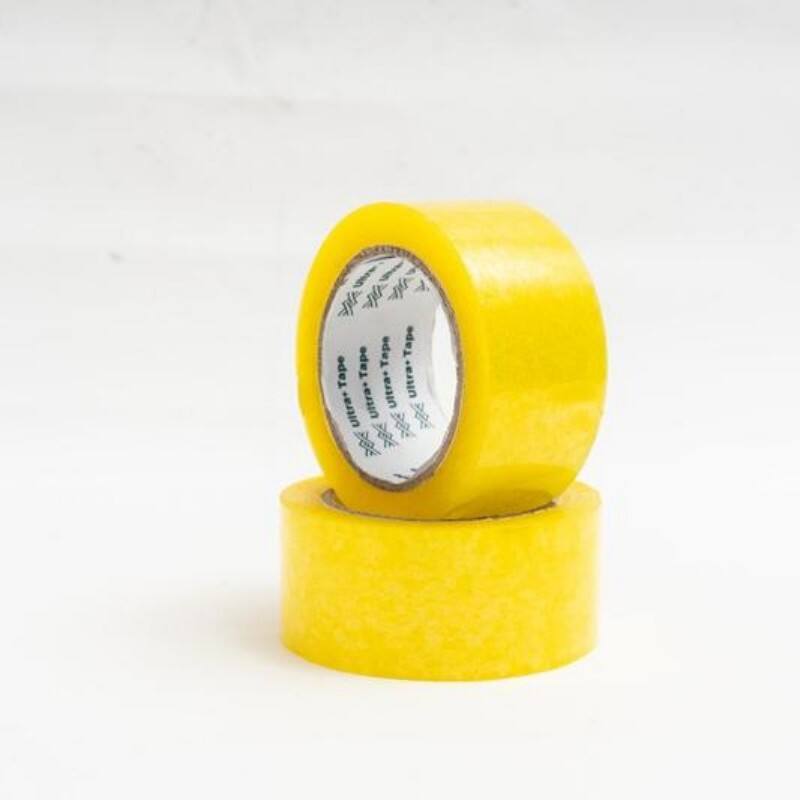
Packing tape consists of multiple layers working in harmony to deliver reliable performance. The backing substrate, adhesive layer, and release coating each play distinct roles in creating functional box tape that meets industrial standards. Modern packaging adhesive formulations have evolved to balance cost efficiency with superior holding power, making carton sealing tape an indispensable tool across countless industries.
The Backing Substrate Structure
Polypropylene Film Foundation
The primary backing material in most packing tape is polypropylene, a lightweight thermoplastic polymer known for its flexibility and strength. Polypropylene provides the structural foundation that prevents tearing during application and stretching under load. This material is chosen because it offers excellent resistance to moisture, oils, and many chemicals, making it ideal for box tape used in varied storage and shipping environments. The thickness of the polypropylene film typically ranges from 1.5 to 2.5 mils, providing durability without excessive weight or bulk.
Reinforcement and Layering
Many advanced carton sealing tape products incorporate fiberglass or synthetic fiber reinforcement embedded within or laminated to the polypropylene backing. This reinforcement significantly increases tear resistance and tensile strength, allowing the tape to withstand higher stress loads during handling and transportation. The layering technique used in premium packing tape creates a composite structure where the polypropylene film serves as the outer protective layer while reinforcement fibers handle directional stress. This dual-layer approach is what distinguishes heavy-duty box tape from standard varieties.
The Adhesive System
Synthetic Rubber and Resin Composition
The packaging adhesive that bonds packing tape to cardboard and other surfaces is typically formulated from synthetic rubber compounds combined with resins and plasticizers. Synthetic rubber provides the initial tack and flexibility needed for quick bonding, while resins enhance the long-term holding strength of the carton sealing tape. Natural rubber was historically used in adhesive formulations, but modern packing tape predominantly relies on synthetic alternatives because they offer superior consistency, longer shelf life, and better performance in temperature-sensitive environments. The specific blend of rubber and resin components determines whether the tape delivers quick grab, high shear strength, or balanced performance.
Plasticizers and Performance Enhancers
Plasticizers are added to the adhesive matrix to improve flexibility and prevent brittleness, especially in cold storage or outdoor shipping scenarios. Common plasticizers include diisononyl cyclohexane-1,2-dicarboxylate and other non-toxic compounds that comply with food contact and regulatory standards. Performance enhancers such as antioxidants and UV stabilizers extend the working life of box tape in harsh conditions. These additives ensure that your packing tape maintains consistent adhesion whether applied in a climate-controlled warehouse or exposed to direct sunlight during outdoor storage.
The Release Coating and Surface Treatment
Silicone-Based Release Mechanisms
The reverse side of packing tape typically features a thin silicone or non-silicone release coating that prevents the tape from sticking to itself when rolled. This release layer is critical for ease of application, allowing users to unwind carton sealing tape without frustration or waste. Silicone-based releases are the industry standard because they provide consistent non-stick properties across temperature ranges and humidity levels. The thickness of the release coating is precisely controlled during manufacturing to balance ease of unrolling with adhesive performance on the contact side.
Surface Texture and Printability
Modern packaging adhesive systems often include surface treatments that improve printability for custom branding or warning labels on box tape. A slightly textured surface enhances ink adhesion and reduces smudging during high-speed label application in automated environments. Some packing tape varieties feature matte or semi-gloss finishes that improve visual appeal and professional appearance on shipped packages. The surface treatment also influences how the tape grips cardboard, with rougher textures generally providing better holding power on uneven or coated box surfaces.
FAQ
Is packing tape safe for food contact applications?
Most commercial packing tape meets food-safe regulations when formulated without prohibited plasticizers and adhesive components. However, standard box tape should not come into direct contact with food items. If your carton sealing tape needs food contact approval, verify that the manufacturer provides compliance documentation with FDA or equivalent standards before use on food packaging.
How do environmental factors affect packing tape performance?
Temperature, humidity, and UV exposure all impact how packaging adhesive bonds and holds over time. Cold temperatures can reduce the initial tack of box tape, requiring slightly higher application pressure. High humidity may affect the polypropylene backing's dimensional stability, while extended sun exposure can degrade both the backing material and adhesive in standard packing tape not formulated with UV stabilizers.
What makes heavy-duty carton sealing tape different from standard packing tape?
Heavy-duty packing tape typically features thicker polypropylene backing, reinforced fiber layers, and higher-viscosity adhesive formulations designed for maximum shear strength. The box tape composition includes more robust plasticizers and performance enhancers that maintain adhesion under extreme stress. Heavy-duty varieties are ideal for industrial warehouses, high-speed shipping operations, and applications involving rough-handling environments where standard packaging adhesive would fail.