
 EN
EN


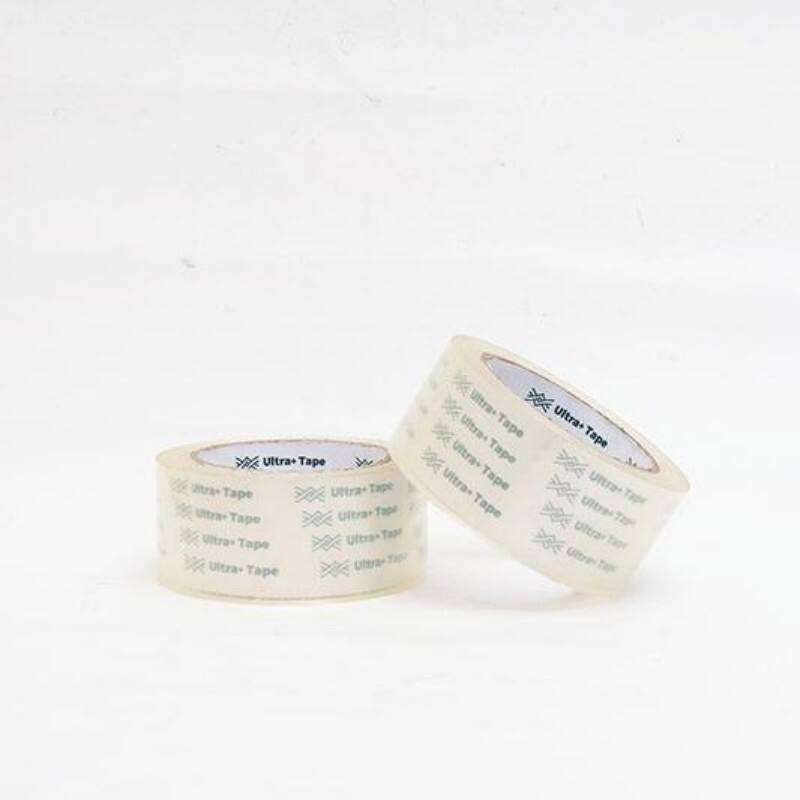
Sustainability credentials are no longer optional in modern packaging procurement. As brand owners, contract manufacturers, and supply chain managers face mounting pressure from regulators, retailers, and consumers alike, the materials used in packaging — including adhesive tapes — are coming under far greater scrutiny. Among the most meaningful certifications now making its way into the packaging tape market is ISCC PLUS. Understanding what iscc plus tape actually means, what it verifies, and why it carries genuine commercial weight is essential for any buyer serious about building a defensible, future-proof sustainable packaging strategy.
Unlike vague claims of being 'eco-friendly' or 'sustainable,' an iscc plus tape product carries a verifiable, internationally recognized certification that traces the bio-based or circular material content of the tape all the way through the supply chain. This article breaks down exactly what ISCC PLUS certification involves, how it applies specifically to adhesive tape products, and why procurement professionals in packaging-intensive industries should treat it as a critical evaluation criterion rather than a marketing add-on.
Understanding ISCC PLUS Certification
The Origin and Scope of the ISCC Framework
ISCC, which stands for International Sustainability and Carbon Certification, is a globally recognized voluntary sustainability certification system originally developed for biofuels and biomass. Over time, its scope expanded significantly to cover bio-based chemicals, bio-based plastics, and circular materials. The ISCC PLUS variant specifically addresses non-energy applications, making it directly relevant to packaging materials, polymer films, and adhesive products used across industrial and consumer supply chains.
The certification is governed by strict third-party auditing requirements. Every entity in the supply chain — from the raw material producer to the converter to the tape manufacturer — must hold a valid ISCC PLUS certificate for the claim to carry legal weight at the final product level. This chain-of-custody structure is what separates ISCC PLUS from simpler 'self-declared' sustainable material claims that are difficult or impossible to verify independently.
For packaging buyers evaluating iscc plus tape, this means the certification is not applied retroactively to an existing product as a marketing label. Rather, it reflects a documented, audited material flow from an approved sustainable feedstock source to the finished tape roll that arrives at your facility.
Mass Balance as the Verification Mechanism
One of the core methodological pillars of ISCC PLUS is the mass balance approach. This approach allows certified bio-based or recycled content to be tracked through large-scale industrial processes — such as cracking and polymerization — even when the sustainable feedstock is physically mixed with conventional fossil-based materials in the same production facility. The certified content is accounted for mathematically across the production system rather than physically separated at every stage.
For iscc plus tape, this typically means that the polymer backbone of the film substrate or the adhesive compound contains a certified proportion of bio-attributed or recycled-attributed material, verified and allocated through a rigorous accounting framework. The mass balance method is widely accepted across the chemical and materials industries as a practical and credible way to scale up sustainable material use without requiring entirely separate production lines for each certified output.
Buyers should understand that mass balance does not mean 'greenwashing.' It is a recognized methodology endorsed by the Ellen MacArthur Foundation's circular economy framework and applied by major chemical manufacturers worldwide. When iscc plus tape carries a mass balance claim, the percentage of certified sustainable content and the accounting methodology are disclosed, making the claim transparent and auditable.
What Makes Tape Products Eligible for ISCC PLUS Certification
Material Composition Requirements
Not every tape product can qualify as iscc plus tape simply because the manufacturer wishes to pursue certification. The tape's core material inputs — typically the backing film and the adhesive layer — must originate from certified feedstocks that qualify under the ISCC PLUS standard. Accepted feedstock categories include bio-based materials derived from certified biomass, recycled content from post-consumer or post-industrial waste streams, and certain CO2-based or pyrolysis oil-based materials that meet the standard's sustainability criteria.
Common tape backing materials that can carry ISCC PLUS certification include bio-attributed polyethylene (PE), bio-attributed polypropylene (PP), and biopolymers such as PLA when sourced through a certified supply chain. Adhesive systems based on bio-attributed acrylics or natural rubber from certified plantations can also contribute to the overall sustainability profile of the finished iscc plus tape product.
The eligibility determination requires a detailed bill of materials review by the certifying body, and any change to raw material suppliers during the certification period must be disclosed and re-evaluated. This ongoing compliance obligation is one reason why certified iscc plus tape products generally come from manufacturers with mature, stable supply chain relationships rather than spot-market procurement practices.
The Role of the Tape Manufacturer in the Certification Chain
A tape converter or manufacturer seeking to produce iscc plus tape must itself hold an active ISCC PLUS certificate. This requires an independent audit of the company's internal handling procedures, material accounting systems, segregation or mass balance tracking protocols, and documentation practices. The audit assesses whether the manufacturer can reliably distinguish certified inputs from non-certified ones and whether the allocated sustainable content is correctly transferred to the finished tape product certificates.
Manufacturers must also pass annual re-audits to maintain their ISCC PLUS status, and any findings of non-compliance can result in suspension or revocation of the certificate. For procurement teams evaluating iscc plus tape from a specific supplier, requesting a current, valid certificate with an expiry date is a non-negotiable due diligence step. Certificates can typically be verified through the ISCC public database, which lists all active certificate holders globally.
It is also worth noting that the certificate covers specific product categories and specific sustainable content percentages. An iscc plus tape product certified at 50% mass balance bio-attributed content is a meaningfully different claim from one certified at 100% bio-attributed content. Buyers should always request the specific scope statement within the certificate rather than relying on generic labeling language alone.
Why ISCC PLUS Tape Matters to Packaging Buyers Specifically
Meeting Scope 3 Emission Reduction Commitments
For companies with published sustainability targets — particularly those aligned with Science Based Targets initiative (SBTi) frameworks — reducing Scope 3 emissions from purchased goods and services is increasingly a formal obligation rather than an aspirational goal. Switching to iscc plus tape is one concrete, documented way to reduce the embodied carbon footprint of purchased packaging components. Because the certification provides verified data on bio-based or recycled content, it supports more accurate carbon accounting at the component level.
Procurement teams can use the certified sustainable content percentage of their iscc plus tape to calculate avoided fossil-based polymer use across annual tape consumption volumes. For high-volume packaging operations consuming thousands of carton-sealing tape rolls per month, the aggregate environmental benefit can be substantial and reportable in corporate sustainability disclosures.
Retailers and brand owners operating in markets with mandatory or voluntary extended producer responsibility (EPR) schemes also benefit from detailed material provenance data. Iscc plus tape provides documentation that supports EPR reporting, ecodesign assessments, and green public procurement criteria in markets where such frameworks are already in force.
Differentiating Sustainable Packaging Claims with Credibility
Consumer and retailer demand for credible sustainable packaging has never been higher, yet the packaging industry is simultaneously under scrutiny for greenwashing. Regulatory frameworks such as the EU Green Claims Directive and the UK Competition and Markets Authority's Green Claims Code are tightening the evidence requirements for sustainability claims made on or about packaging. In this environment, vague material descriptors such as 'made with plant-based materials' without underlying third-party certification expose brands to legal and reputational risk.
Iscc plus tape provides the kind of third-party verified, chain-of-custody backed claim that withstands regulatory scrutiny. When a brand communicates that its secondary packaging is sealed with iscc plus tape certified under the ISCC PLUS standard, that claim can be substantiated with reference to specific certificate numbers, auditing bodies, and percentage content claims — all of which align with the evidentiary standards now expected under emerging green claims legislation.
For B2B packaging buyers supplying branded goods to major retail chains, demonstrating the use of iscc plus tape in the packaging line can also directly support conversations with retail sustainability teams who are increasingly auditing their supplier packaging standards as part of their own sustainability reporting.
Evaluating ISCC PLUS Tape in a Broader Packaging Strategy
Integrating Certified Tape with Other Sustainable Packaging Components
Iscc plus tape should be considered as one element within a broader sustainable packaging architecture rather than a standalone solution. When combined with certified or recycled paper-based packaging, bio-attributed films, or reduced-weight structural components, the cumulative environmental impact of the packaging system becomes substantially more meaningful than any single certified component alone. Procurement strategies that align certifications — ISCC PLUS for tapes and adhesives, FSC or PEFC for paper substrates, for example — create a coherent, auditable sustainability story at the system level.
This systems-level thinking is increasingly what sustainability-focused retailers and brand owners are expecting from their packaging suppliers. Being able to demonstrate that even functional components such as carton sealing tape carry credible third-party certification adds depth to a packaging sustainability narrative that goes beyond surface-level choices. Iscc plus tape is particularly well-suited to this role because it applies to a product category that was previously difficult to address from a sustainability perspective without compromising performance.
Performance alignment is a critical consideration. Packaging buyers should evaluate iscc plus tape not only on its certification status but also on its technical performance characteristics — tack, tensile strength, temperature resistance, and compatibility with automated carton sealing equipment. Certified sustainable credentials are only meaningful if the product performs to the same standard as conventional tape in operational environments.
Cost Considerations and Long-Term Value
It is a practical reality that iscc plus tape may carry a cost premium over non-certified conventional tape products, reflecting the higher cost of certified bio-based or recycled feedstocks and the administrative burden of maintaining chain-of-custody compliance. However, procurement teams should evaluate this premium within the broader context of avoided compliance costs, enhanced brand equity, and reduced regulatory risk rather than treating it as a straightforward cost comparison against the cheapest available tape.
In markets where carbon pricing mechanisms are expanding or where EPR fees are being applied to fossil-based plastic packaging components, the economic calculus may shift further in favor of certified sustainable alternatives. Early adopters of iscc plus tape also position themselves advantageously ahead of potential mandatory sustainable content requirements for packaging materials, which are under active discussion in several major markets.
Working with tape suppliers who can provide technical data sheets, certificate documentation, and transparent content percentages enables procurement teams to make fully informed decisions. A well-documented iscc plus tape procurement process also reduces the internal administrative burden when sustainability credentials need to be reported upward within an organization or communicated externally to customers and regulators.
FAQ
What does ISCC PLUS certification actually verify in a tape product?
ISCC PLUS certification verifies that a defined percentage of the material content in the tape — typically the film backing or adhesive — originates from a bio-based, recycled, or other approved sustainable feedstock, and that this claim is traceable through a certified chain of custody from raw material to finished product. It does not mean the tape is made entirely from sustainable materials unless the certificate specifically states 100% certified content.
Is iscc plus tape compatible with standard carton sealing equipment?
In most cases, yes. Iscc plus tape is engineered to meet the same performance specifications as conventional tape, including compatibility with automated case sealing and hand-application equipment. However, buyers should always request technical data sheets and, where possible, conduct trials on their specific packaging lines before transitioning entirely to a certified tape product to confirm performance consistency.
How can I verify that a supplier's iscc plus tape certificate is genuine and current?
You can verify any ISCC PLUS certificate by checking the publicly accessible certificate database on the official ISCC website, where all active certificates are listed by company name, certificate number, and scope. Always request the certificate number and issuing body from your supplier and cross-reference it directly in the database. Ensure the certificate is current and that its scope specifically covers the tape product category you are purchasing.
Does switching to iscc plus tape count toward corporate sustainability reporting targets?
Yes, when properly documented. The certified bio-based or recycled content percentage of iscc plus tape can be used to calculate avoided fossil-based material use in purchased goods, which is typically reportable under Scope 3 Category 1 (purchased goods and services) in GHG Protocol-aligned sustainability reports. The ISCC PLUS certificate and associated product documentation provide the evidential basis needed for credible and defensible reporting.
Table of Contents
- Understanding ISCC PLUS Certification
- What Makes Tape Products Eligible for ISCC PLUS Certification
- Why ISCC PLUS Tape Matters to Packaging Buyers Specifically
- Evaluating ISCC PLUS Tape in a Broader Packaging Strategy
-
FAQ
- What does ISCC PLUS certification actually verify in a tape product?
- Is iscc plus tape compatible with standard carton sealing equipment?
- How can I verify that a supplier's iscc plus tape certificate is genuine and current?
- Does switching to iscc plus tape count toward corporate sustainability reporting targets?