
 EN
EN



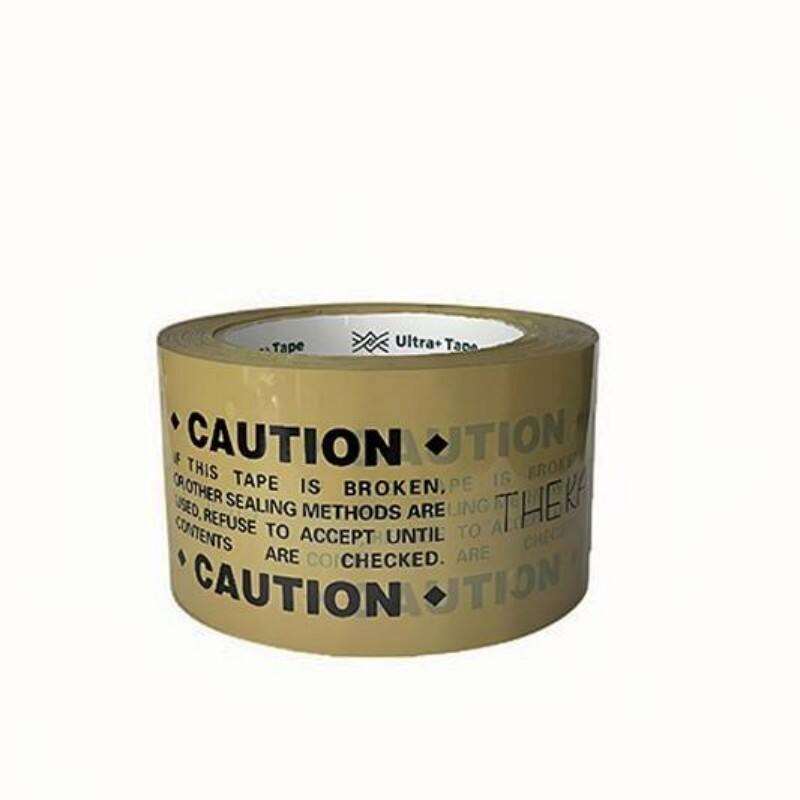
Proper storage of BOPP (Biaxially Oriented Polypropylene) films is crucial for maintaining product integrity and extending shelf life in industrial applications. When businesses invest in high-quality packaging materials, understanding the correct storage protocols for bopp jumbo roll products becomes essential for preserving their adhesive properties, structural integrity, and overall performance characteristics. Environmental factors such as temperature, humidity, light exposure, and physical handling significantly impact the longevity and effectiveness of these specialized film products.
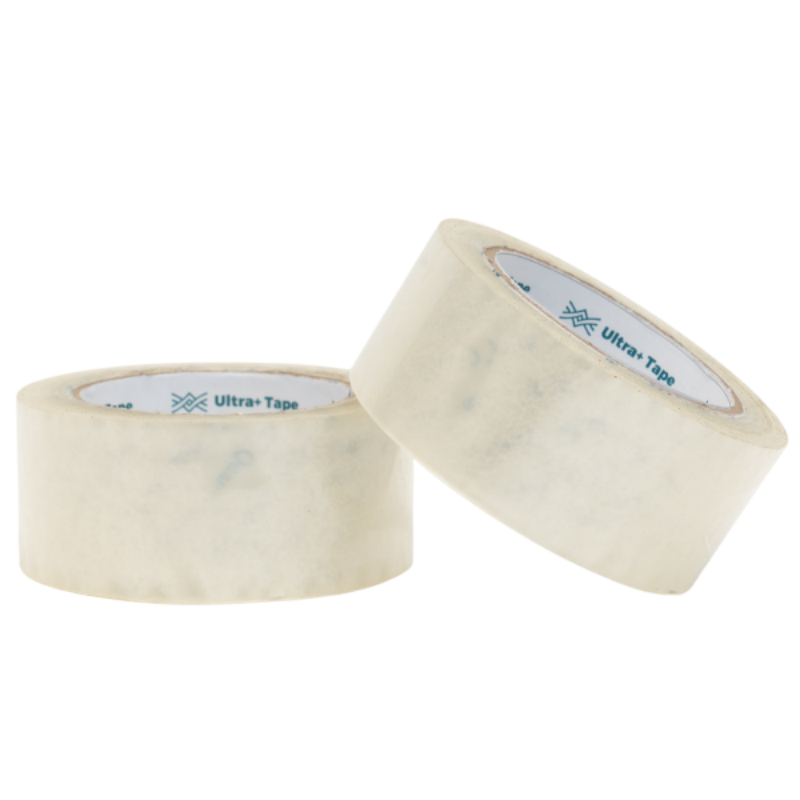
Manufacturing facilities and distribution centers must implement comprehensive storage strategies to protect their investment in premium packaging materials. The chemical composition of BOPP films makes them particularly sensitive to environmental fluctuations, requiring controlled storage conditions to prevent degradation. Professional storage protocols not only maintain product quality but also ensure consistent performance when these materials are processed through converting equipment or applied in end-use applications.
Understanding BOPP Film Characteristics
Material Composition and Properties
BOPP films are manufactured through a specialized biaxial orientation process that creates unique molecular alignment within the polymer structure. This manufacturing technique results in enhanced tensile strength, optical clarity, and barrier properties that make bopp jumbo roll products ideal for various packaging applications. The molecular structure of these films provides excellent dimensional stability while maintaining flexibility and tear resistance under normal operating conditions.
The polymer chains in BOPP materials are aligned in both machine direction and transverse direction during production, creating a balanced film with superior mechanical properties. Understanding these characteristics helps storage managers implement appropriate handling procedures that preserve the inherent qualities of the material. Temperature fluctuations can cause dimensional changes that may affect the film's performance characteristics during subsequent processing operations.
Environmental Sensitivity Factors
Moisture absorption represents one of the primary concerns when storing BOPP films for extended periods. While these materials exhibit relatively low water absorption rates compared to other polymer films, prolonged exposure to high humidity environments can lead to dimensional instability and potential adhesive performance issues. Controlling relative humidity levels within storage facilities helps maintain consistent film properties and prevents unwanted moisture-related complications.
UV radiation exposure poses another significant threat to bopp jumbo roll integrity during storage. Extended exposure to direct sunlight or high-intensity artificial lighting can cause photodegradation, leading to yellowing, brittleness, and reduced mechanical strength. Implementing proper light protection measures in storage areas helps preserve the optical and physical properties of these valuable packaging materials throughout their intended shelf life.
Optimal Storage Environment Conditions
Temperature Control Requirements
Maintaining consistent temperature ranges between 60°F and 75°F (15°C to 24°C) provides optimal storage conditions for most bopp jumbo roll products. Temperature stability prevents thermal expansion and contraction cycles that can cause dimensional changes in the film structure. Extreme temperature fluctuations may lead to core telescoping, edge damage, or adhesive migration in coated products, compromising their performance characteristics.
Storage facilities should implement temperature monitoring systems with automated alerts to ensure continuous environmental control. Gradual temperature changes are preferable to rapid fluctuations when environmental adjustments become necessary. Cold storage areas require special consideration for condensation prevention when bringing materials to processing temperature, as moisture accumulation can damage both the film and its packaging.
Humidity Management Protocols
Relative humidity levels between 45% and 60% provide ideal storage conditions for maintaining bopp jumbo roll quality over extended periods. Higher humidity levels increase the risk of moisture absorption and potential mold growth on packaging materials, while extremely low humidity can cause static electricity buildup that complicates handling operations. Dehumidification systems help maintain consistent moisture levels throughout seasonal variations.
Regular monitoring of humidity levels using calibrated instruments ensures early detection of environmental deviations that could impact product quality. Storage areas should include adequate ventilation systems to prevent moisture accumulation in corners or low-circulation zones where condensation might occur. Vapor barriers and moisture-resistant packaging materials provide additional protection for long-term storage applications.
Physical Storage and Handling Best Practices
Proper Roll Positioning and Support
Vertical storage orientation typically provides the best protection for bopp jumbo roll products, preventing core deformation and maintaining uniform tension throughout the roll structure. Specialized roll storage racks with padded contact points distribute weight evenly and prevent localized pressure that could cause permanent indentations or core collapse. The storage system should allow for easy access while minimizing handling frequency to reduce contamination risks.
Roll rotation schedules help prevent flat-spotting when materials must remain in storage for extended periods. Implementing first-in-first-out inventory management ensures older stock receives priority use before quality degradation occurs. Proper lifting equipment and handling procedures prevent damage during storage transitions and reduce worker injury risks associated with heavy roll manipulation.
Contamination Prevention Measures
Dust accumulation on roll surfaces can transfer to the film during unwinding operations, causing defects in downstream processing applications. Protective covers or storage containers shield bopp jumbo roll products from airborne contaminants while allowing air circulation to prevent moisture buildup. Regular cleaning of storage areas removes potential contamination sources that could compromise product cleanliness.
Chemical contamination poses particular risks in industrial environments where cleaning solvents, adhesives, or other processing chemicals might create volatile atmospheres. Segregated storage areas prevent cross-contamination between different product types and ensure compatibility with adjacent materials. Proper ventilation systems remove potentially harmful vapors that could interact with film surfaces or adhesive coatings.
Inventory Management and Quality Control
Rotation and Tracking Systems
Implementing comprehensive inventory tracking systems ensures proper rotation of bopp jumbo roll stock and prevents quality issues associated with extended storage periods. Digital tracking systems provide real-time visibility into storage duration, environmental exposure history, and handling frequency for each roll. This information enables proactive quality management and helps identify potential issues before they impact production operations.
Regular quality inspections should include visual examination for edge damage, core integrity, and surface contamination. Documentation of inspection results creates valuable historical data for identifying storage-related trends and optimizing protocols over time. Automated reminder systems ensure timely completion of routine maintenance and inspection activities that support long-term quality preservation.
Documentation and Compliance Protocols
Maintaining detailed records of storage conditions, handling events, and quality assessments provides essential documentation for traceability and compliance requirements. Temperature and humidity logs demonstrate adherence to recommended storage parameters and support quality investigations when issues arise. Digital documentation systems facilitate data analysis and trend identification for continuous improvement initiatives.
Supplier certification requirements often specify storage and handling protocols that must be followed to maintain warranty coverage and quality guarantees. Understanding these requirements and implementing appropriate procedures protects the investment in premium bopp jumbo roll materials while ensuring compliance with contractual obligations. Regular audits verify adherence to established protocols and identify opportunities for process optimization.
Common Storage Issues and Prevention
Core Damage and Deformation
Core telescoping occurs when improper storage conditions or handling practices cause the film layers to shift laterally, creating an uneven roll profile. This condition typically results from excessive temperature variations, improper support methods, or inadequate tension control during winding operations. Prevention requires consistent environmental conditions and appropriate storage rack designs that provide uniform support across the entire roll width.
Core collapse represents another serious storage-related issue that can render bopp jumbo roll products unusable for high-speed converting operations. Excessive weight stacking, moisture exposure, or core material degradation contribute to this problem. Implementing weight limits, moisture control measures, and regular core inspection procedures helps prevent costly losses due to structural failure during storage periods.
Adhesive Performance Degradation
Adhesive-coated bopp jumbo roll products require special attention to prevent migration, cross-linking, or performance degradation during storage. Temperature fluctuations can cause adhesive flow or crystallization that affects bonding characteristics when the material reaches end-use applications. Maintaining stable storage temperatures within manufacturer-recommended ranges preserves adhesive integrity throughout the product shelf life.
Contamination of adhesive surfaces during storage can significantly impact bonding performance and create quality issues in finished products. Protective interleaving materials, controlled access protocols, and regular cleanliness inspections help maintain adhesive surface integrity. Understanding the specific storage requirements for different adhesive chemistries ensures appropriate handling procedures for each product type.
FAQ
What is the maximum recommended storage duration for bopp jumbo roll products
Most bopp jumbo roll products maintain optimal quality for 12 to 18 months when stored under proper environmental conditions. Storage duration depends on the specific film grade, adhesive type, and environmental control consistency. Manufacturers typically provide shelf life recommendations based on accelerated aging studies and field performance data. Regular quality testing helps determine actual storage limits for specific applications and storage conditions.
How does temperature variation affect bopp jumbo roll storage quality
Temperature fluctuations cause dimensional changes in BOPP films that can lead to core telescoping, edge damage, and tension variations throughout the roll structure. Rapid temperature changes create greater stress than gradual variations, making consistent environmental control essential for quality preservation. Adhesive-coated products are particularly sensitive to temperature variations that can affect bonding performance and adhesive migration characteristics.
What are the signs of improper bopp jumbo roll storage conditions
Visual indicators of storage problems include edge damage, core deformation, surface contamination, and uneven roll profiles. Adhesive-coated products may exhibit tackiness changes, color variations, or blocking between layers. Performance issues during unwinding operations, such as web breaks or tension variations, often indicate storage-related quality degradation that requires investigation and corrective action.
Can damaged storage environments be remediated to preserve bopp jumbo roll quality
Environmental improvements such as temperature stabilization, humidity control, and contamination removal can help preserve remaining product quality, but previously damaged materials may not fully recover their original properties. Gradual environmental conditioning helps minimize additional stress on products that have experienced suboptimal storage conditions. Quality testing determines whether remediated materials meet performance requirements for intended applications.