
 EN
EN



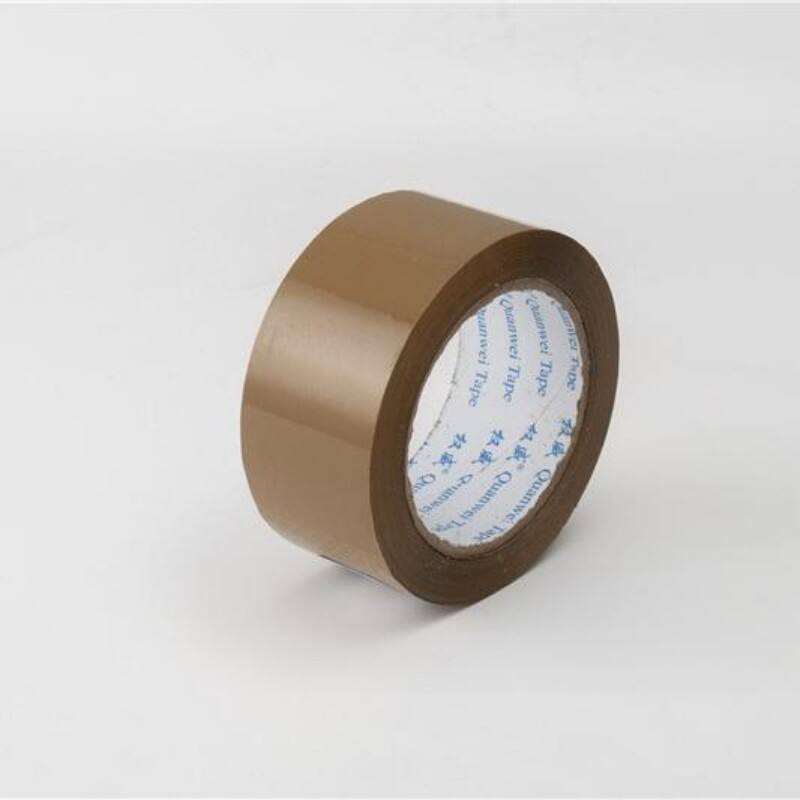
Understanding how environmental conditions affect adhesive materials is crucial for businesses that rely on packaging and industrial applications. BOPP tape, made from biaxially oriented polypropylene film, represents one of the most widely used packaging tapes in commercial and industrial settings. The performance characteristics of BOPP tape can be significantly influenced by environmental factors, particularly humidity and temperature variations. These conditions directly impact the adhesive properties, film integrity, and overall functionality of the tape during storage, application, and service life.
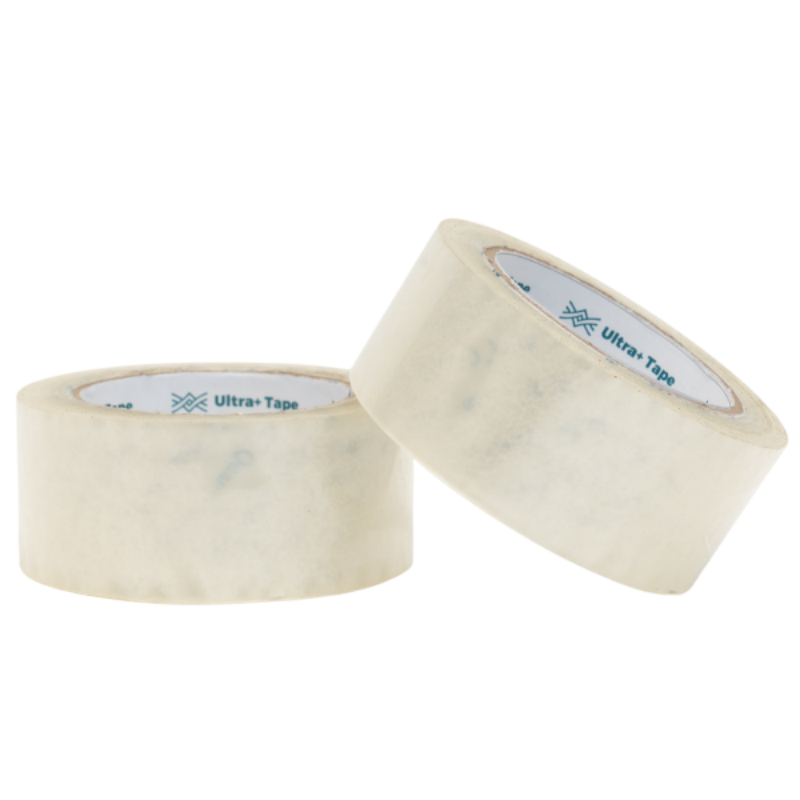
Manufacturing facilities, warehouses, and distribution centers often experience fluctuating environmental conditions that can compromise tape performance if not properly managed. The relationship between atmospheric conditions and adhesive behavior becomes particularly critical in applications where consistent sealing strength and reliability are essential. Professional packaging operations must account for these variables to maintain quality standards and prevent costly failures in their supply chain processes.
Understanding BOPP Tape Construction and Material Properties
Film Layer Characteristics
The polypropylene film that forms the backbone of BOPP tape exhibits specific thermal and moisture absorption properties that directly influence its performance under varying conditions. The biaxial orientation process creates molecular alignment that provides excellent tensile strength and dimensional stability under normal conditions. However, temperature fluctuations can cause the film to expand or contract, potentially affecting the tape's ability to maintain consistent contact with surfaces.
The film thickness typically ranges from 20 to 60 microns, and this dimension can be affected by thermal expansion coefficients. When BOPP tape experiences temperature changes, the film substrate responds predictably according to its material properties. Understanding these characteristics helps users select appropriate grades and anticipate performance variations in different environmental conditions.
Modern BOPP tape manufacturing incorporates various additives and treatments that can enhance environmental resistance. Anti-static treatments, UV stabilizers, and moisture barriers are commonly applied to improve performance in challenging conditions. These modifications can significantly impact how the tape responds to humidity and temperature variations during storage and application.
Adhesive System Behavior
The pressure-sensitive adhesive used in BOPP tape formulations typically consists of synthetic rubber or acrylic-based compounds designed to provide immediate bonding upon contact. These adhesive systems exhibit temperature-dependent viscosity characteristics that directly affect their ability to wet surfaces and form strong bonds. At lower temperatures, adhesives become less flowable, reducing their conformability to surface irregularities.
Humidity affects adhesive performance through multiple mechanisms, including moisture absorption and surface energy modifications. Some adhesive formulations are more susceptible to moisture interference than others, particularly when applied to surfaces with condensation or high moisture content. The chemical composition of the adhesive determines its resistance to environmental degradation and long-term performance stability.
Professional applications often require adhesives with specific environmental performance specifications. Hot-melt adhesives, solvent-based systems, and water-based formulations each respond differently to temperature and humidity changes. Selecting the appropriate adhesive system for specific environmental conditions ensures optimal BOPP tape performance throughout its service life.
Temperature Effects on Adhesive Performance
Low Temperature Challenges
Cold storage environments and winter conditions present significant challenges for BOPP tape applications. At temperatures below 10°C, most pressure-sensitive adhesives lose flexibility and become less aggressive in their bonding characteristics. The adhesive may not conform adequately to surface textures, resulting in reduced contact area and compromised bond strength.
Cold temperature applications require specific adhesive formulations designed to maintain performance at reduced temperatures. Standard BOPP tape adhesives may exhibit poor initial tack and reduced holding power when applied in cold conditions. This limitation becomes particularly problematic in refrigerated warehouses, outdoor winter applications, or cold storage facilities where reliable sealing is essential.
The film substrate also becomes more brittle at low temperatures, increasing the risk of cracking or splitting during application or handling. Cold conditions can cause the tape to lose its conformability, making it difficult to achieve proper adhesion on irregular surfaces. Understanding these limitations helps users select appropriate grades and application techniques for cold environment operations.
High Temperature Performance
Elevated temperatures present different challenges for BOPP tape performance, primarily related to adhesive softening and potential creep behavior. When temperatures exceed 40°C, many standard adhesive formulations begin to soften, potentially leading to oozing, edge lifting, or reduced shear strength. High-temperature environments can also accelerate adhesive aging processes, reducing long-term performance reliability.
Heat exposure can cause dimensional changes in both the film substrate and adhesive layer, potentially leading to internal stress concentrations and bond failure. The coefficient of thermal expansion differences between the tape components and substrate materials can create mechanical stress that compromises adhesion. These effects are particularly pronounced in applications involving significant temperature cycling.
Specialized high-temperature BOPP tape formulations incorporate heat-resistant adhesives and stabilized film substrates to maintain performance in elevated temperature environments. These products typically feature acrylic adhesives or modified rubber compounds designed to resist softening and maintain bonding strength at temperatures up to 80°C or higher, depending on the specific formulation.
Humidity Impact on Tape Functionality
Moisture Absorption Effects
High humidity environments can significantly impact BOPP tape performance through several mechanisms related to moisture interaction with both the adhesive and substrate materials. While polypropylene film exhibits low moisture absorption characteristics, the adhesive layer can be more susceptible to humidity effects, particularly in formulations containing water-soluble components or hygroscopic additives.
Moisture absorption by the adhesive can lead to plasticization effects, altering the mechanical properties and bonding characteristics of the tape. In extreme cases, excessive moisture can cause adhesive swelling, reduced cohesive strength, and potential delamination from the film substrate. These effects are most pronounced in tropical climates or industrial environments with poor humidity control.
The interaction between humidity and surface preparation becomes critical for optimal BOPP tape performance. Condensation on application surfaces can prevent proper adhesive wetting and interfere with bond formation. Understanding moisture effects helps users implement appropriate storage and application procedures to maintain consistent tape performance in varying humidity conditions.
Adhesion to Moisture-Sensitive Surfaces
Many packaging substrates, including corrugated cardboard and paper-based materials, are highly sensitive to moisture content variations. High humidity can cause these materials to expand, creating dimensional instability that stresses tape bonds and potentially leads to failure. BOPP tape applications on moisture-sensitive substrates require careful consideration of environmental conditions during application and service.
Surface energy changes caused by moisture absorption can also affect the wettability characteristics of substrates, impacting initial adhesive contact and bond development. Hydrophobic surfaces may become more polar in the presence of moisture, while hydrophilic materials may exhibit reduced surface energy due to water layer formation. These changes directly influence BOPP tape adhesion performance.
Controlling substrate moisture content prior to tape application represents a critical factor in achieving reliable bond performance. Proper storage conditions, surface preparation techniques, and environmental control measures help ensure optimal adhesion regardless of ambient humidity levels. Professional packaging operations often implement humidity monitoring and control systems to maintain consistent application conditions.
Storage and Handling Considerations
Optimal Storage Conditions
Proper storage conditions are essential for maintaining BOPP tape performance characteristics throughout its shelf life. Recommended storage temperatures typically range from 15°C to 25°C with relative humidity levels between 40% and 60%. These conditions help preserve adhesive properties and prevent premature aging or performance degradation during storage periods.
Temperature cycling during storage can cause repeated expansion and contraction of tape rolls, potentially leading to edge damage, adhesive transfer, or unwinding difficulties. Consistent temperature maintenance helps preserve the dimensional stability of BOPP tape rolls and ensures reliable performance when the product is eventually used. Storage areas should be protected from direct sunlight and heat sources that could cause localized temperature elevation.
Humidity control during storage prevents moisture absorption by packaging materials and reduces the risk of adhesive contamination. Excessive humidity can cause cardboard cores to soften or distort, affecting roll integrity and unwinding characteristics. Proper storage also includes protection from dust, chemicals, and other contaminants that could interfere with adhesive performance during application.
Application Environment Management
Creating controlled application environments helps ensure consistent BOPP tape performance regardless of external weather conditions. Industrial facilities often implement climate control systems to maintain stable temperature and humidity levels in packaging areas. These controlled conditions enable reliable tape application and consistent bond quality throughout production operations.
Pre-conditioning procedures can help optimize tape performance in challenging environmental conditions. Allowing BOPP tape rolls to acclimate to application environment temperatures for several hours before use helps ensure optimal adhesive flow and conformability. This practice is particularly important when moving tape from storage areas with significantly different environmental conditions.
Surface preparation techniques must account for environmental conditions to achieve optimal adhesion results. Cleaning procedures should remove moisture, dust, and other contaminants that could interfere with bond formation. In high humidity environments, additional drying steps may be necessary to ensure surfaces are adequately prepared for tape application.
Performance Testing and Quality Control
Environmental Testing Protocols
Comprehensive testing protocols evaluate BOPP tape performance across various temperature and humidity conditions to ensure reliable operation in real-world applications. Standard test methods include peel strength measurements, shear testing, and accelerated aging studies conducted under controlled environmental conditions. These evaluations help establish performance specifications and identify optimal application parameters.
Cyclic environmental testing simulates the temperature and humidity variations that tapes may experience during storage, transportation, and service life. These tests reveal potential failure modes and help predict long-term performance reliability under varying conditions. Understanding test results enables users to select appropriate BOPP tape grades for specific environmental requirements.
Quality control procedures should include environmental condition monitoring during production and packaging operations. Documenting temperature and humidity levels during critical process steps helps identify correlation between environmental conditions and product performance variations. This data supports continuous improvement efforts and helps optimize manufacturing parameters.
Performance Optimization Strategies
Developing application-specific performance criteria requires understanding the relationship between environmental conditions and tape behavior. Different applications may prioritize various performance characteristics, such as initial tack, holding power, or removal characteristics, depending on their specific requirements and environmental exposure conditions.
Selection criteria should consider both immediate application conditions and long-term service environment requirements. BOPP tape performance in varying temperature and humidity conditions depends on matching adhesive chemistry and film properties to specific application demands. Professional consultation can help identify optimal product specifications for challenging environmental conditions.
Implementing monitoring systems enables real-time assessment of environmental conditions and their impact on tape performance. Data logging systems can track temperature, humidity, and other relevant parameters to identify trends and optimize application procedures. This information supports preventive maintenance programs and quality improvement initiatives.
FAQ
What temperature range is optimal for BOPP tape application
The optimal temperature range for most BOPP tape applications is between 18°C and 35°C. Within this range, pressure-sensitive adhesives maintain proper flow characteristics and achieve good surface wetting for reliable bond formation. Applications outside this range may require specialized adhesive formulations designed for extreme temperature conditions.
How does high humidity affect BOPP tape adhesion
High humidity can reduce BOPP tape adhesion by interfering with proper adhesive-to-surface contact. Moisture on application surfaces creates a barrier that prevents optimal wetting and bond formation. Additionally, some adhesive formulations may absorb moisture, leading to reduced cohesive strength and potential bond failure over time.
Can BOPP tape be stored in unheated warehouses during winter
BOPP tape can be stored in unheated warehouses if temperatures remain above freezing and humidity levels are controlled. However, extreme cold can make the tape difficult to unwind and reduce adhesive performance during application. Allowing rolls to warm to room temperature before use helps restore normal handling and application characteristics.
What are the signs of environmental damage to BOPP tape
Signs of environmental damage include adhesive oozing from roll edges, difficulty unwinding, reduced tack or holding power, film brittleness, and adhesive transfer to the back of the film. These symptoms typically indicate exposure to excessive temperature, humidity, or UV radiation during storage or application. Proper environmental control helps prevent these issues and maintains tape quality.