
 EN
EN



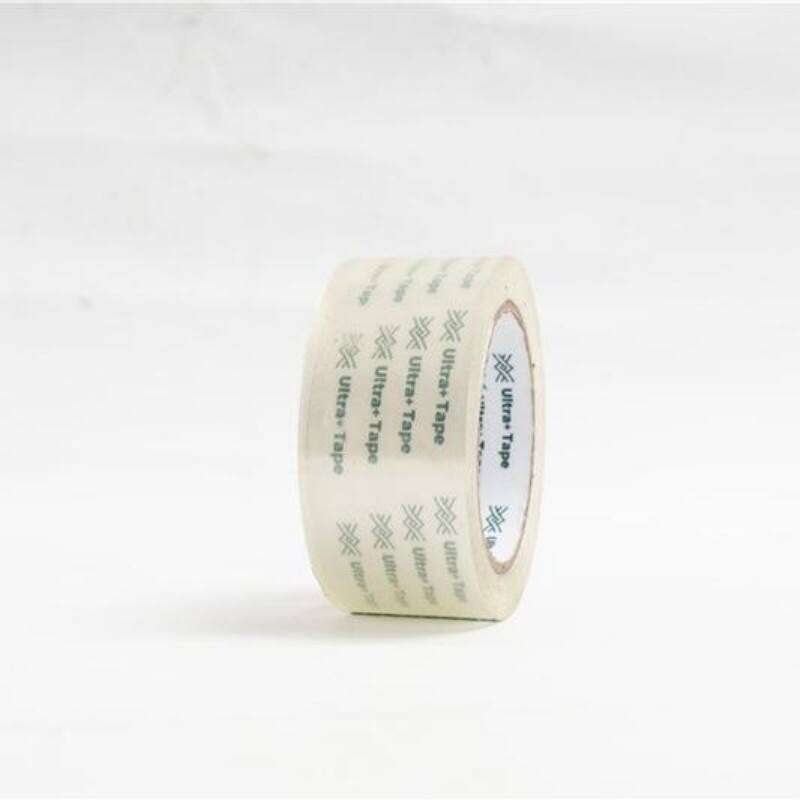
Selecting the appropriate BOPP tape thickness and adhesive strength is crucial for ensuring optimal performance in packaging, sealing, and industrial applications. BOPP (Biaxially Oriented Polypropylene) tape has become the industry standard for countless businesses worldwide due to its exceptional durability, clarity, and cost-effectiveness. Understanding the relationship between tape thickness, adhesive properties, and intended use cases will help you make informed decisions that maximize efficiency while minimizing costs. The right BOPP tape thickness can significantly impact your packaging operations, affecting everything from seal integrity to application ease and overall material consumption.

Understanding BOPP Tape Thickness Fundamentals
Standard Thickness Measurements and Classifications
BOPP tape thickness is typically measured in microns or mils, with standard commercial grades ranging from 35 to 65 microns for the film backing. The most common BOPP tape thickness options include 40, 48, and 52 microns, each serving different application requirements. Thinner tapes around 35-40 microns offer excellent conformability and are ideal for lightweight packaging applications where cost efficiency is paramount. Medium thickness options between 45-50 microns provide balanced performance characteristics suitable for general-purpose sealing and moderate-duty applications.
Heavier-duty applications often require BOPP tape thickness of 52 microns or higher, delivering enhanced puncture resistance and superior holding power. The thickness measurement includes both the polypropylene film substrate and the adhesive layer, though manufacturers typically specify the film thickness separately. Understanding these classifications helps procurement professionals select appropriate grades that align with specific operational requirements while optimizing material costs and performance outcomes.
Impact of Thickness on Performance Characteristics
The chosen BOPP tape thickness directly influences several critical performance parameters including tensile strength, elongation properties, and resistance to environmental factors. Thicker films generally exhibit higher tensile strength and improved resistance to tearing during application and handling processes. However, increased thickness can also reduce flexibility and conformability, potentially affecting adhesion on irregular surfaces or curved packaging geometries.
Temperature resistance and UV stability also correlate with BOPP tape thickness, as thicker films provide better barrier properties against environmental degradation. Applications in extreme temperature conditions or outdoor environments benefit from increased film thickness that maintains structural integrity over extended periods. The optimal BOPP tape thickness balances these performance requirements against cost considerations and specific application demands.
Adhesive Strength Considerations and Selection Criteria
Types of Adhesive Systems and Their Properties
BOPP tapes utilize various adhesive systems, with acrylic-based formulations being the most prevalent due to their excellent aging characteristics and temperature stability. Rubber-based adhesives offer superior initial tack and quick stick properties, making them ideal for high-speed packaging operations where immediate bond strength is critical. Synthetic rubber adhesives provide enhanced performance in challenging environments, including exposure to oils, solvents, and extreme temperatures.
Hot-melt adhesive systems represent another category specifically engineered for demanding applications requiring exceptional holding power and environmental resistance. These systems typically exhibit superior cohesive strength and resistance to plasticizer migration from PVC substrates. When evaluating adhesive options alongside BOPP tape thickness requirements, consider the substrate materials, environmental conditions, and performance duration expectations to ensure optimal adhesive system selection.
Measuring and Specifying Adhesive Strength
Adhesive strength specifications encompass several measurable parameters including peel adhesion, shear strength, and tack values. Peel adhesion, measured in ounces per inch width, indicates the force required to remove tape from a standard test substrate at a specified angle and speed. Typical commercial-grade BOPP tapes exhibit peel adhesion values ranging from 16 to 35 ounces per inch, depending on the adhesive formulation and BOPP tape thickness combination.
Shear strength measurements evaluate the tape's ability to resist sliding forces parallel to the adhesive bond line, critical for applications involving weight-bearing or stress-loaded joints. Tack measurements assess the immediate adhesive grab upon contact with substrates, influencing application ease and repositionability characteristics. Understanding these specifications enables precise matching of BOPP tape thickness and adhesive strength combinations to specific application requirements.
Application-Specific Selection Guidelines
Light-Duty Packaging and Office Applications
Light-duty applications such as office mailing, document sealing, and retail packaging typically require BOPP tape thickness in the 35-40 micron range with moderate adhesive strength. These applications prioritize cost efficiency and ease of dispensing over maximum holding power or environmental resistance. Standard acrylic adhesive systems with peel adhesion values between 16-22 ounces per inch provide adequate performance for most light-duty requirements.
The reduced BOPP tape thickness in this category offers excellent conformability for sealing irregular shapes and provides smooth, quiet unwinding from dispensers. Lower adhesive strength formulations reduce the risk of substrate damage during tape removal while maintaining sufficient bond strength for intended applications. These characteristics make thin BOPP tapes ideal for applications where repositionability and clean removal are important considerations.
Heavy-Duty Industrial and Shipping Applications
Industrial shipping and heavy-duty packaging operations demand robust BOPP tape thickness specifications, typically ranging from 48-65 microns with high-strength adhesive systems. These applications involve substantial package weights, rough handling conditions, and extended storage periods that challenge both film and adhesive performance. Enhanced BOPP tape thickness provides improved puncture resistance and dimensional stability under stress loading conditions.
High-strength adhesive formulations with peel adhesion values exceeding 25 ounces per inch ensure reliable sealing performance throughout the distribution chain. The combination of increased film thickness and superior adhesive strength creates a packaging solution capable of withstanding mechanical stresses, temperature variations, and humidity fluctuations encountered in typical shipping environments. These specifications are essential for maintaining package integrity and preventing costly product damage or loss.
Environmental Factors and Performance Optimization
Temperature and Humidity Considerations
Environmental conditions significantly influence both BOPP tape thickness requirements and adhesive performance characteristics. High-temperature applications may necessitate increased film thickness to maintain dimensional stability and prevent creep or deformation under thermal stress. Conversely, low-temperature environments can reduce adhesive flexibility and impact initial bond formation, requiring specialized cold-temperature adhesive formulations.
Humidity levels affect adhesive curing processes and long-term bond durability, particularly relevant for acrylic-based systems that may experience moisture-induced property changes. The selection of appropriate BOPP tape thickness becomes critical in high-humidity environments where increased barrier properties help protect the adhesive layer from moisture intrusion and maintain consistent performance over extended periods.
Chemical Resistance and Specialized Requirements
Applications involving exposure to chemicals, oils, or solvents require careful evaluation of both BOPP tape thickness and adhesive compatibility with specific substances. Increased film thickness generally provides enhanced barrier properties against chemical penetration, while specialized adhesive formulations offer improved resistance to degradation from contact with aggressive chemicals.
UV exposure represents another critical environmental factor affecting tape performance, particularly for outdoor applications or products with extended shelf life requirements. Enhanced BOPP tape thickness combined with UV-stabilized adhesive systems provides superior resistance to photodegradation and maintains bond strength under prolonged sunlight exposure. These considerations are essential for applications in construction, automotive, and outdoor equipment markets where long-term performance reliability is paramount.
Cost-Benefit Analysis and Optimization Strategies
Material Cost Versus Performance Trade-offs
Optimizing BOPP tape thickness selection requires careful analysis of material costs versus performance benefits to achieve the most economical solution for specific applications. While thicker films and stronger adhesives typically command premium pricing, they may reduce overall packaging costs through improved efficiency, reduced material waste, and enhanced package integrity. The key lies in identifying the minimum BOPP tape thickness and adhesive strength specifications that reliably meet performance requirements without over-engineering the solution.
Volume purchasing considerations also influence the cost-effectiveness equation, as larger quantities often enable access to specialized grades that might be cost-prohibitive in smaller volumes. Standardizing on fewer BOPP tape thickness options across multiple applications can reduce inventory complexity and leverage volume discounts while maintaining adequate performance across diverse use cases.
Long-term Performance and Reliability Factors
Long-term cost analysis must consider the potential consequences of tape failure, including product damage, customer dissatisfaction, and brand reputation impacts. Slightly higher material costs for enhanced BOPP tape thickness and adhesive strength specifications may be justified when weighed against the potential costs of packaging failures. This analysis becomes particularly relevant for high-value products or applications where failure consequences extend beyond simple material replacement costs.
Reliability factors also encompass storage stability and shelf life considerations, as certain adhesive systems maintain performance characteristics longer than others under various storage conditions. The selection of appropriate BOPP tape thickness and adhesive combinations should account for typical inventory turnover rates and storage environments to ensure consistent performance throughout the product lifecycle.
Quality Control and Testing Protocols
Incoming Material Inspection Procedures
Implementing robust quality control procedures ensures that received BOPP tape thickness and adhesive strength specifications consistently meet established requirements. Regular thickness measurements using calibrated micrometers or thickness gauges verify compliance with specified tolerances, typically within ±2-3 microns for commercial grades. These measurements should be taken at multiple points across the tape width to identify any thickness variations that could affect performance.
Adhesive strength testing protocols should include periodic peel adhesion measurements using standardized test methods and substrates representative of actual application conditions. These tests help identify batch-to-batch variations and ensure consistent bonding performance. Visual inspection procedures should also verify adhesive uniformity, film clarity, and edge quality to prevent application problems that could compromise sealing effectiveness.
Performance Validation and Application Testing
Real-world application testing provides the most reliable validation of BOPP tape thickness and adhesive strength selections for specific use cases. These tests should simulate actual packaging conditions including substrate types, application temperatures, and handling procedures to verify performance under realistic operating conditions. Accelerated aging tests can evaluate long-term performance characteristics and identify potential failure modes before full-scale implementation.
Documentation of test results and performance data creates valuable reference information for future material selections and troubleshooting activities. This database becomes particularly useful when expanding into new applications or evaluating alternative material sources that may offer improved performance or cost advantages while maintaining essential BOPP tape thickness and adhesive strength requirements.
FAQ
What is the most common BOPP tape thickness for general packaging applications
The most common BOPP tape thickness for general packaging applications ranges from 48 to 52 microns. This thickness provides an optimal balance between cost-effectiveness, handling ease, and sealing performance for typical shipping and storage requirements. Most commercial packaging operations find that 48-micron BOPP tape thickness offers sufficient strength and durability for standard carton sealing while maintaining reasonable material costs and dispenser compatibility.
How does adhesive strength affect the required BOPP tape thickness
Adhesive strength and BOPP tape thickness work synergistically to determine overall tape performance. Higher adhesive strength can sometimes compensate for slightly reduced film thickness, while thicker films provide better backing support for lower-strength adhesives. However, both parameters contribute to different performance aspects, with thickness primarily affecting puncture resistance and dimensional stability, while adhesive strength determines bonding characteristics and holding power.
Can I use thinner BOPP tape for cost savings without compromising performance
Using thinner BOPP tape thickness may provide cost savings for certain applications, but careful evaluation of performance requirements is essential. Applications with minimal mechanical stress, controlled environments, and lighter package weights may successfully utilize reduced thickness options. However, critical applications involving heavy packages, rough handling, or challenging environmental conditions typically require maintained or increased BOPP tape thickness to ensure reliable performance and prevent costly failures.
What factors should I consider when switching to a different BOPP tape thickness
When considering a change in BOPP tape thickness, evaluate current performance requirements, application conditions, and any reported issues with existing materials. Consider dispenser compatibility, as some equipment may require adjustment for different thickness specifications. Conduct thorough testing under actual operating conditions before full implementation, and monitor performance closely during the transition period to identify any unexpected issues that may require specification adjustments or procedural modifications.
Table of Contents
- Understanding BOPP Tape Thickness Fundamentals
- Adhesive Strength Considerations and Selection Criteria
- Application-Specific Selection Guidelines
- Environmental Factors and Performance Optimization
- Cost-Benefit Analysis and Optimization Strategies
- Quality Control and Testing Protocols
-
FAQ
- What is the most common BOPP tape thickness for general packaging applications
- How does adhesive strength affect the required BOPP tape thickness
- Can I use thinner BOPP tape for cost savings without compromising performance
- What factors should I consider when switching to a different BOPP tape thickness