
 EN
EN



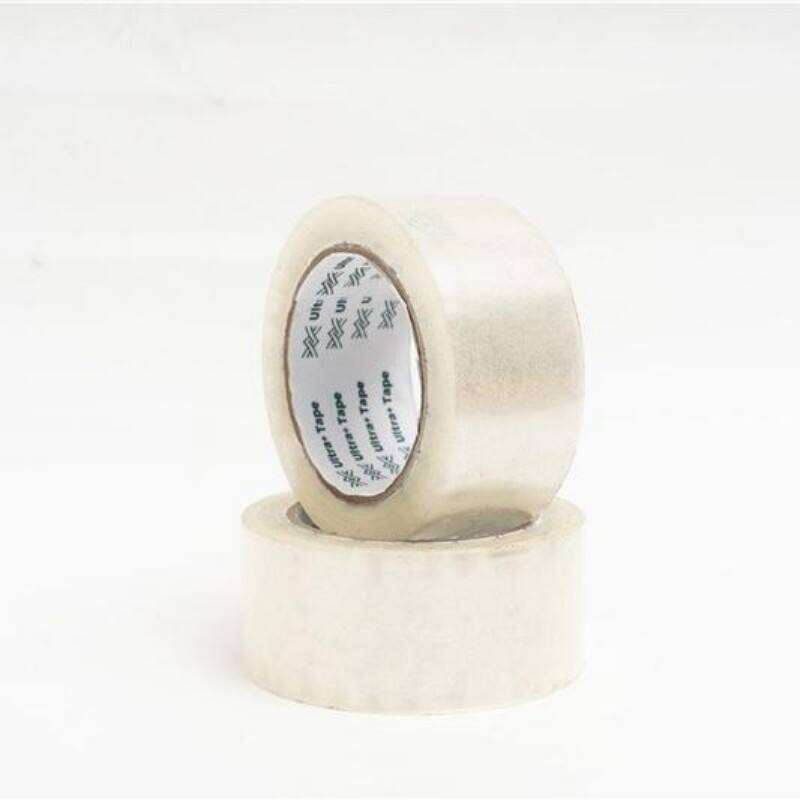
The packaging and industrial tape industry continues to evolve with groundbreaking advancements in BOPP film and adhesive technology, creating stronger, more versatile tape solutions for diverse applications. Modern manufacturers are leveraging innovative polymer science and advanced coating techniques to produce tapes that exceed traditional performance standards. These technological breakthroughs have revolutionized how industries approach bonding, sealing, and packaging challenges across multiple sectors.
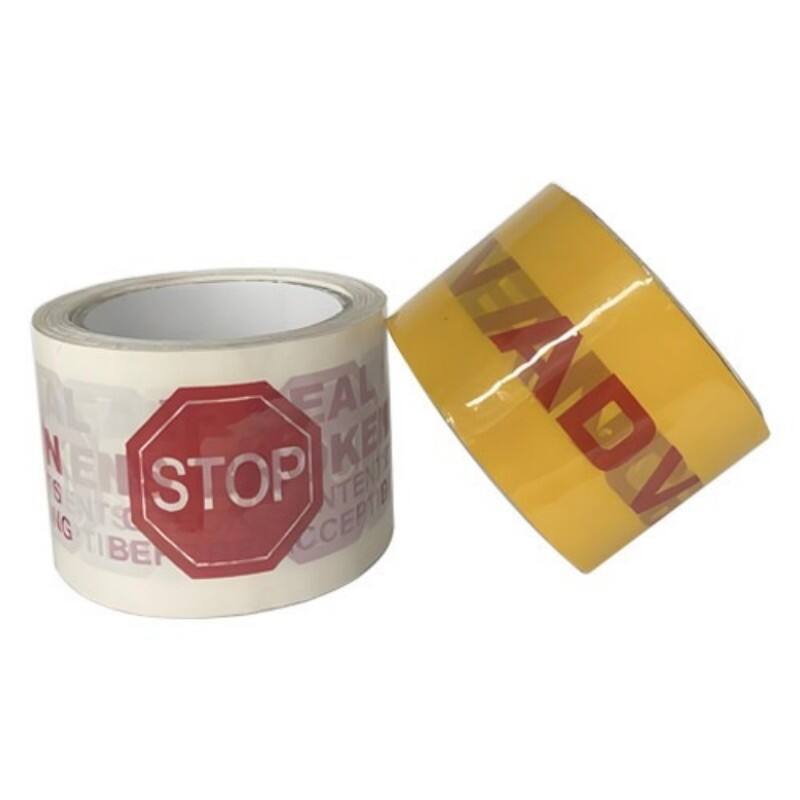
Understanding BOPP Film Technology Fundamentals
Molecular Structure and Film Properties
Biaxially Oriented Polypropylene films represent a significant advancement in polymer engineering, offering exceptional mechanical properties through precise molecular orientation. The biaxial stretching process aligns polymer chains in both machine and transverse directions, creating films with superior tensile strength and dimensional stability. This molecular arrangement in BOPP film and adhesive technology provides enhanced clarity, reduced permeability, and improved surface characteristics essential for high-performance tape applications.
The crystalline structure of BOPP films contributes to their exceptional temperature resistance and chemical inertness, making them ideal substrates for demanding industrial environments. Advanced manufacturing processes now incorporate specialized additives and surface treatments that further enhance film properties, including improved adhesion promotion and static dissipation capabilities.
Surface Treatment Innovations
Modern BOPP film production utilizes corona treatment and flame treatment technologies to modify surface energy and enhance adhesive bonding characteristics. These treatments create microscopic surface roughness and introduce polar functional groups that significantly improve adhesive wetting and adhesion strength. The precise control of surface treatment parameters allows manufacturers to tailor film properties for specific adhesive systems and end-use requirements.
Recent developments in atmospheric plasma treatment offer even greater control over surface modification, enabling the creation of highly specialized surface chemistries. These innovations in BOPP film and adhesive technology result in tapes with superior initial tack, faster cure rates, and enhanced long-term bonding performance across diverse substrate materials.
Advanced Adhesive Formulation Technologies
Hot Melt Adhesive Systems
Contemporary hot melt adhesive formulations incorporate sophisticated polymer blends and tackifying resins that deliver exceptional performance characteristics. These thermoplastic systems provide rapid setting times, excellent temperature stability, and superior shear strength properties essential for demanding applications. The latest BOPP film and adhesive technology combinations utilize metallocene polyolefins and advanced styrenic block copolymers to achieve optimal balance between tack, peel strength, and temperature resistance.
Innovative additive packages including antioxidants, UV stabilizers, and processing aids ensure long-term adhesive stability and prevent degradation under harsh environmental conditions. These formulation advances enable tape manufacturers to produce products with extended shelf life and consistent performance across varying temperature and humidity conditions.
Acrylic Adhesive Innovations
Solvent-based and emulsion acrylic adhesives have undergone significant technological advancement, incorporating new monomer systems and crosslinking technologies. These adhesives offer exceptional UV resistance, weatherability, and chemical resistance properties that make them ideal for outdoor and industrial applications. The development of pressure-sensitive acrylic systems with enhanced removability characteristics addresses growing market demands for repositionable and residue-free tape solutions.
Recent breakthroughs in microsphere technology and foam adhesive systems create unique performance profiles that expand application possibilities. These innovations in BOPP film and adhesive technology enable the production of tapes with controlled thickness, enhanced conformability, and superior gap-filling capabilities for irregular surface bonding applications.
Manufacturing Process Optimization
Coating Technology Advancements
State-of-the-art coating equipment utilizes precision die systems and advanced process control technologies to achieve uniform adhesive distribution and optimal coating weights. Multi-layer coating capabilities enable manufacturers to create adhesive systems with graduated properties, combining different adhesive chemistries to optimize performance characteristics. These technological improvements in coating processes directly impact the final tape performance and consistency.
Solvent recovery systems and closed-loop process controls not only improve environmental sustainability but also enhance product quality through better process stability. The integration of real-time quality monitoring systems ensures consistent adhesive properties and minimizes waste during production runs. These advances in BOPP film and adhesive technology manufacturing result in more reliable and cost-effective tape products.
Converting and Finishing Technologies
Modern tape converting operations employ laser cutting, ultrasonic slitting, and precision rewinding technologies that maintain adhesive integrity and edge quality. These advanced converting processes minimize adhesive squeeze-out, reduce contamination risks, and ensure consistent roll geometry essential for automated dispensing applications. The implementation of vision inspection systems and automated quality control further enhances product reliability and customer satisfaction.
Specialized release liner technologies and surface treatments provide optimal unwind characteristics and prevent adhesive transfer during storage and handling. These innovations ensure that BOPP film and adhesive technology products maintain their performance characteristics throughout the supply chain and deliver consistent results in end-use applications.
Performance Enhancement Strategies
Multi-Layer Film Constructions
Advanced coextrusion technologies enable the production of multi-layer BOPP films with specialized functional layers that enhance overall tape performance. These constructions can incorporate barrier layers for moisture protection, conductive layers for static dissipation, or specialized surface layers for improved printability. The ability to combine different polymer grades and additives in discrete layers provides unprecedented design flexibility for tape manufacturers.
Tie-layer technologies ensure optimal adhesion between film layers while maintaining the mechanical integrity of the overall construction. These sophisticated film structures enable the development of tapes with unique property combinations that address specific market requirements and application challenges in BOPP film and adhesive technology applications.
Hybrid Adhesive Systems
The development of hybrid adhesive systems that combine the benefits of different adhesive chemistries represents a significant breakthrough in tape technology. These systems might incorporate structural adhesive components for high-strength bonding combined with pressure-sensitive elements for easy application. The careful balance of different adhesive mechanisms enables tape products with previously unattainable performance profiles.
Crosslinkable pressure-sensitive adhesives that cure after application provide enhanced temperature resistance and solvent resistance while maintaining the convenience of pressure-sensitive application. These innovations expand the application range for BOPP film and adhesive technology into markets previously dominated by structural bonding systems.
Application-Specific Developments
Packaging Industry Solutions
The packaging industry drives significant innovation in BOPP film and adhesive technology through demands for sustainable, high-performance sealing solutions. New adhesive formulations provide excellent adhesion to recycled content substrates while maintaining compatibility with recycling processes. These developments address growing environmental concerns while delivering the performance characteristics required for automated packaging operations.
Temperature-activated adhesive systems enable packaging tapes that provide secure closure during shipping while allowing easy opening by end users. These intelligent adhesive systems respond to specific triggers such as temperature changes or mechanical stress, providing controlled release characteristics that enhance user experience and package integrity.
Industrial and Construction Applications
Industrial applications require tapes with exceptional durability, chemical resistance, and temperature stability characteristics that push the boundaries of BOPP film and adhesive technology. New adhesive formulations incorporate specialized resins and crosslinking systems that provide long-term performance in harsh chemical environments and extreme temperature conditions. These advances enable tape solutions for applications previously requiring mechanical fasteners or welded joints.
Flame-retardant adhesive systems and films meet increasingly stringent fire safety requirements while maintaining adhesive performance characteristics. The development of halogen-free flame retardant systems addresses environmental concerns while providing the safety performance required for building and transportation applications.
Quality Control and Testing Methodologies
Advanced Characterization Techniques
Modern quality control laboratories utilize sophisticated analytical techniques including dynamic mechanical analysis, thermogravimetric analysis, and spectroscopic methods to characterize adhesive and film properties. These analytical tools enable precise control of material properties and early detection of process variations that could impact product performance. The implementation of statistical process control methodologies ensures consistent quality and reduces variability in BOPP film and adhesive technology products.
Accelerated aging studies and environmental stress testing provide predictive data on long-term product performance under real-world conditions. These testing protocols help manufacturers optimize formulations and provide customers with reliable performance data for critical applications requiring extended service life and consistent bonding characteristics.
Performance Validation Systems
Automated testing equipment and standardized test protocols ensure consistent evaluation of tape performance characteristics across different production lots and manufacturing locations. These systems measure critical parameters including peel strength, shear resistance, tack levels, and environmental resistance properties with high precision and repeatability. The correlation of laboratory test results with field performance data validates test methodologies and improves product development efficiency.
Customer-specific testing protocols and application simulation studies provide valuable feedback for continuous improvement of BOPP film and adhesive technology products. These collaborative testing programs ensure that new product developments meet real-world performance requirements and provide competitive advantages in target market segments.
Future Trends and Developments
Sustainable Technology Initiatives
Environmental sustainability drives significant innovation in BOPP film and adhesive technology, with manufacturers developing bio-based raw materials and recyclable product constructions. New polymer technologies incorporate renewable feedstocks while maintaining the performance characteristics required for demanding applications. These developments address growing regulatory requirements and customer preferences for environmentally responsible products.
Biodegradable adhesive systems and compostable film substrates represent emerging technologies that could revolutionize packaging applications. While still in development, these innovations show promise for applications where end-of-life disposal is a critical consideration, particularly in food packaging and consumer goods markets.
Smart Tape Technologies
The integration of sensors, indicators, and smart materials into tape products represents an exciting frontier in BOPP film and adhesive technology development. These products can provide visual or electronic feedback on bond integrity, temperature exposure, or tampering attempts. Smart tape technologies offer enhanced functionality for security, quality assurance, and condition monitoring applications across various industries.
Programmable adhesive systems that respond to external stimuli such as heat, light, or electrical signals enable reversible bonding applications and controlled release mechanisms. These advanced technologies expand the potential applications for pressure-sensitive tapes into markets requiring sophisticated bonding control and automation capabilities.
FAQ
What makes BOPP film superior to other film substrates for tape applications
BOPP film offers exceptional mechanical properties including high tensile strength, excellent dimensional stability, and superior clarity compared to other film substrates. The biaxial orientation process creates a molecular structure that provides optimal balance of stiffness and flexibility, while the polypropylene chemistry offers excellent chemical resistance and temperature stability. These properties make BOPP film ideal for demanding tape applications where performance and reliability are critical.
How do modern adhesive technologies improve tape performance compared to traditional formulations
Modern adhesive technologies utilize advanced polymer chemistry, sophisticated tackifying systems, and specialized additives that significantly enhance performance characteristics. These innovations provide better temperature resistance, improved environmental durability, enhanced substrate adhesion, and more consistent performance across varying conditions. The development of hybrid systems and crosslinkable formulations enables performance levels that were previously unattainable with traditional adhesive chemistries.
What role does surface treatment play in BOPP film and adhesive technology performance
Surface treatment is crucial for optimizing adhesive bonding by modifying the film surface energy and creating chemical anchor points for adhesive attachment. Corona treatment, flame treatment, and plasma treatment technologies create microscopic surface roughness and introduce polar functional groups that dramatically improve adhesive wetting and bond strength. Proper surface treatment ensures reliable adhesion and prevents delamination issues that can compromise tape performance in critical applications.
How are sustainability considerations influencing BOPP film and adhesive technology development
Sustainability drives significant innovation through the development of bio-based raw materials, recyclable product designs, and manufacturing process improvements that reduce environmental impact. Manufacturers are developing adhesive systems that maintain performance while being compatible with recycling processes, and exploring renewable feedstock options for both film and adhesive components. These initiatives address regulatory requirements and customer demands for environmentally responsible products while maintaining the high-performance characteristics required for demanding applications.
Table of Contents
- Understanding BOPP Film Technology Fundamentals
- Advanced Adhesive Formulation Technologies
- Manufacturing Process Optimization
- Performance Enhancement Strategies
- Application-Specific Developments
- Quality Control and Testing Methodologies
- Future Trends and Developments
-
FAQ
- What makes BOPP film superior to other film substrates for tape applications
- How do modern adhesive technologies improve tape performance compared to traditional formulations
- What role does surface treatment play in BOPP film and adhesive technology performance
- How are sustainability considerations influencing BOPP film and adhesive technology development