
 EN
EN



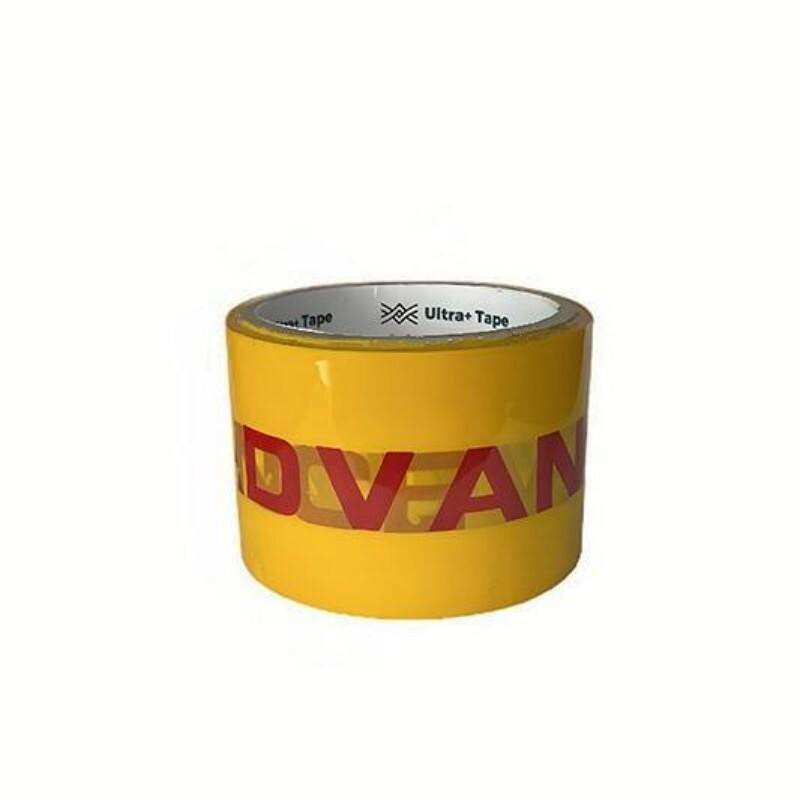
The global packaging industry has experienced unprecedented growth in recent years, with BOPP adhesive tape emerging as one of the most critical components in modern supply chains. This specialized packaging material has revolutionized how businesses approach product protection, branding, and logistics efficiency across multiple sectors. Understanding the intricate dynamics of BOPP adhesive tape markets provides valuable insights into broader industrial trends and economic patterns that shape international commerce today.
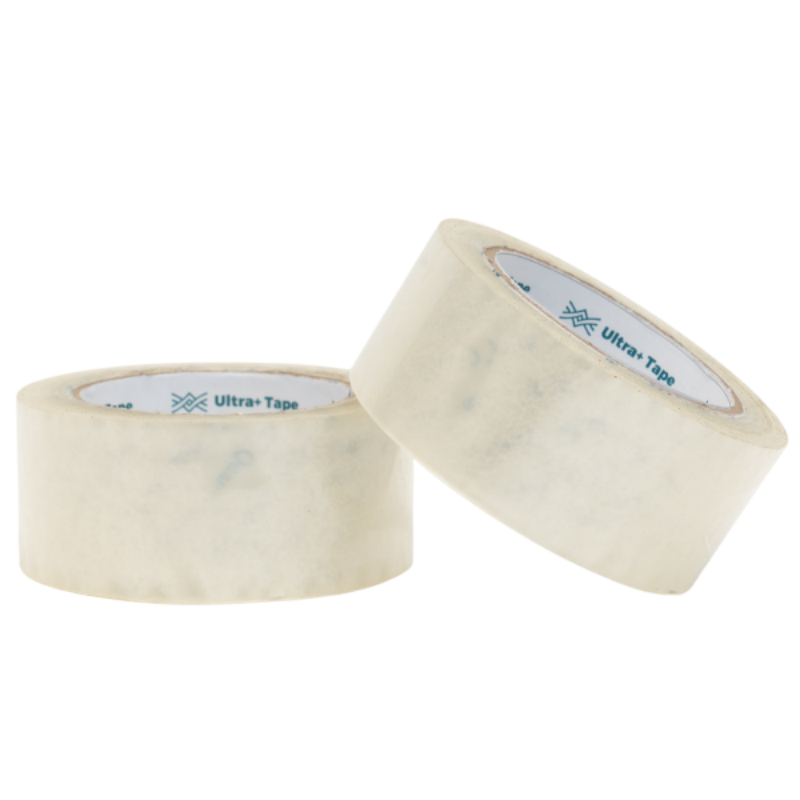
Understanding BOPP Adhesive Tape Technology and Applications
Material Composition and Manufacturing Excellence
Biaxially Oriented Polypropylene forms the foundation of high-quality BOPP adhesive tape, providing exceptional clarity, strength, and versatility. The manufacturing process involves stretching polypropylene film in both machine and transverse directions, creating a material with superior tensile strength and dimensional stability. This advanced production technique ensures that BOPP adhesive tape maintains consistent performance across varying temperature conditions and application requirements.
Modern production facilities utilize sophisticated coating technologies to apply pressure-sensitive adhesives to the oriented polypropylene substrate. These adhesive formulations are specifically engineered to provide optimal bonding characteristics while maintaining easy removability when required. The precision manufacturing process ensures uniform adhesive distribution, preventing edge lifting and ensuring reliable seal integrity throughout the product lifecycle.
Industrial Applications and Performance Benefits
The versatility of BOPP adhesive tape makes it indispensable across numerous industrial applications, from electronics packaging to heavy-duty shipping containers. Its excellent printability allows for custom branding and labeling solutions, while the transparent variants provide invisible sealing that maintains product visibility. Manufacturing facilities worldwide rely on BOPP adhesive tape for automated packaging lines where consistent performance and reliability are paramount.
In the automotive industry, BOPP adhesive tape serves critical roles in component assembly and protective applications during manufacturing processes. The aerospace sector utilizes specialized grades of BOPP adhesive tape for lightweight yet durable bonding solutions that meet stringent safety and performance standards. These applications demonstrate the material's ability to perform under demanding conditions while maintaining cost-effectiveness.
Global Market Dynamics and Regional Variations
Asia-Pacific Market Leadership and Growth Drivers
The Asia-Pacific region dominates global BOPP adhesive tape production and consumption, accounting for approximately sixty percent of worldwide market share. China leads this regional dominance through massive manufacturing capacity and increasingly sophisticated production technologies. The country's robust e-commerce growth has created unprecedented demand for packaging solutions, directly benefiting BOPP adhesive tape manufacturers and suppliers throughout the supply chain.
India's emerging market presence reflects broader economic development trends, with growing manufacturing sectors driving increased demand for quality packaging materials. Southeast Asian nations contribute significantly to regional growth through expanding electronics manufacturing and export-oriented industries. This geographic concentration creates both opportunities and challenges for global suppliers seeking to optimize their distribution networks and market positioning strategies.
North American and European Market Characteristics
North American markets demonstrate strong preference for premium-grade BOPP adhesive tape products that meet stringent environmental and performance standards. The region's focus on sustainable packaging solutions has driven innovation in bio-based adhesive formulations and recyclable film substrates. Major retailers and logistics companies in this market prioritize suppliers who can demonstrate environmental responsibility alongside superior product performance.
European markets exhibit similar sustainability preferences while maintaining demanding technical specifications for industrial applications. The region's strict regulatory environment regarding packaging materials has encouraged development of specialized BOPP adhesive tape formulations that comply with food contact regulations and environmental directives. These market characteristics create premium pricing opportunities for manufacturers who can meet these elevated requirements consistently.
Supply Chain Challenges and Strategic Responses
Raw Material Sourcing and Price Volatility
Polypropylene resin pricing directly impacts BOPP adhesive tape production costs, creating ongoing challenges for manufacturers managing profit margins and customer relationships. Global petroleum market fluctuations translate into raw material price volatility that requires sophisticated hedging strategies and flexible pricing mechanisms. Leading manufacturers have developed diversified supplier networks to mitigate supply disruption risks while maintaining quality standards.
Adhesive raw materials present additional complexity through specialized chemical sourcing requirements and quality control considerations. The limited number of qualified suppliers for high-performance adhesive components creates potential bottlenecks during periods of increased demand. Strategic partnerships between BOPP adhesive tape manufacturers and chemical suppliers have become essential for ensuring consistent supply availability and technological advancement.
Logistics and Distribution Network Optimization
The bulky nature of BOPP adhesive tape products creates unique logistics challenges that impact overall supply chain efficiency and cost structures. Manufacturers must balance inventory levels across multiple geographic markets while minimizing transportation costs and delivery times. Advanced demand forecasting systems help optimize production scheduling and distribution planning to reduce working capital requirements and improve customer service levels.
Regional distribution centers have become critical components of successful BOPP adhesive tape supply chains, enabling rapid response to customer requirements while maintaining cost-effective inventory management. The integration of digital technologies in warehouse management and order fulfillment processes has improved operational efficiency and reduced error rates. These technological investments demonstrate the industry's commitment to modernizing traditional distribution approaches.
Innovation Trends and Technology Development
Advanced Adhesive Formulations and Performance Enhancement
Recent developments in pressure-sensitive adhesive chemistry have enabled BOPP adhesive tape manufacturers to create products with enhanced performance characteristics for specialized applications. Low-temperature adhesives maintain bonding strength in cold storage environments, while high-temperature formulations resist degradation in automotive and industrial applications. These innovations expand the addressable market for BOPP adhesive tape while creating competitive advantages for technologically advanced manufacturers.
Removable adhesive technologies represent another significant innovation area, allowing temporary bonding applications without surface damage or residue. These formulations are particularly valuable in electronics manufacturing and automotive assembly processes where component repositioning may be required. The development of these specialized adhesives requires extensive research and testing to ensure reliable performance across varying substrate materials and environmental conditions.
Sustainable Materials and Environmental Considerations
Environmental sustainability has become a driving force in BOPP adhesive tape development, with manufacturers investing heavily in bio-based raw materials and recyclable product designs. Plant-based polypropylene alternatives are being developed to reduce dependence on petroleum-derived materials while maintaining performance characteristics. These innovations address growing customer demands for environmentally responsible packaging solutions without compromising product functionality.
Recycling compatibility represents another critical development area, with new BOPP adhesive tape formulations designed to facilitate separation during recycling processes. Advanced adhesive chemistries allow easy removal from packaging substrates, improving recyclability of both the tape and the underlying materials. These technological advances demonstrate the industry's commitment to circular economy principles while maintaining commercial viability.
Market Forecasts and Future Opportunities
Growth Projections and Market Expansion Potential
Industry analysts project continued strong growth in global BOPP adhesive tape consumption, driven primarily by expanding e-commerce activities and increasing packaging requirements across multiple sectors. The compound annual growth rate is expected to exceed five percent over the next decade, with emerging markets contributing disproportionately to this expansion. This growth trajectory creates significant opportunities for manufacturers who can scale production capacity efficiently while maintaining quality standards.
Technological advancement in manufacturing equipment promises to reduce production costs while improving product consistency and performance characteristics. Automation investments in coating and converting operations will enable higher production speeds and reduced labor requirements. These efficiency improvements will be essential for maintaining competitive pricing in increasingly price-sensitive market segments while supporting margin expansion initiatives.
Emerging Applications and Market Diversification
New application areas for BOPP adhesive tape continue to emerge as manufacturers develop specialized products for niche market segments. Medical device packaging represents a growing opportunity, requiring products that meet strict biocompatibility and sterility requirements. The renewable energy sector creates demand for specialized BOPP adhesive tape products used in solar panel assembly and wind turbine manufacturing processes.
Digital printing compatibility opens additional market opportunities as brands seek customizable packaging solutions with short lead times and low minimum order quantities. Advanced surface treatments enable superior print adhesion and color reproduction on BOPP adhesive tape substrates. These capabilities support brand differentiation strategies while creating premium pricing opportunities for manufacturers who can deliver superior printing performance consistently.
FAQ
What factors drive BOPP adhesive tape price fluctuations in global markets
BOPP adhesive tape pricing is primarily influenced by raw material costs, particularly polypropylene resin and adhesive components, which fluctuate based on petroleum market conditions and supply chain dynamics. Manufacturing capacity utilization rates, transportation costs, and currency exchange rates also impact pricing structures. Regional demand variations and competitive pressures further contribute to price volatility across different geographic markets.
How do quality standards vary across different regional markets for BOPP adhesive tape
Quality standards for BOPP adhesive tape vary significantly between regions, with European and North American markets typically requiring more stringent performance specifications and environmental compliance certifications. Asian markets often emphasize cost-effectiveness while maintaining acceptable performance levels, though premium segments demand international quality standards. Regulatory requirements for food contact applications and environmental impact create additional quality considerations in developed markets.
What are the main supply chain risks affecting BOPP adhesive tape availability
Key supply chain risks include raw material availability disruptions, particularly during petroleum market volatility or chemical plant maintenance shutdowns. Transportation capacity constraints and logistics cost increases can impact product availability and pricing in distant markets. Geopolitical tensions and trade policy changes create additional uncertainty for international suppliers and customers in the BOPP adhesive tape industry.
How is sustainable packaging demand affecting BOPP adhesive tape development
Sustainability requirements are driving significant innovation in BOPP adhesive tape formulations, with manufacturers developing bio-based materials and recyclable product designs to meet environmental goals. Customer demands for reduced environmental impact are encouraging investment in renewable raw materials and energy-efficient manufacturing processes. These sustainability initiatives create both challenges and opportunities for manufacturers adapting to changing market expectations while maintaining performance standards.
Table of Contents
- Understanding BOPP Adhesive Tape Technology and Applications
- Global Market Dynamics and Regional Variations
- Supply Chain Challenges and Strategic Responses
- Innovation Trends and Technology Development
- Market Forecasts and Future Opportunities
-
FAQ
- What factors drive BOPP adhesive tape price fluctuations in global markets
- How do quality standards vary across different regional markets for BOPP adhesive tape
- What are the main supply chain risks affecting BOPP adhesive tape availability
- How is sustainable packaging demand affecting BOPP adhesive tape development