
 EN
EN


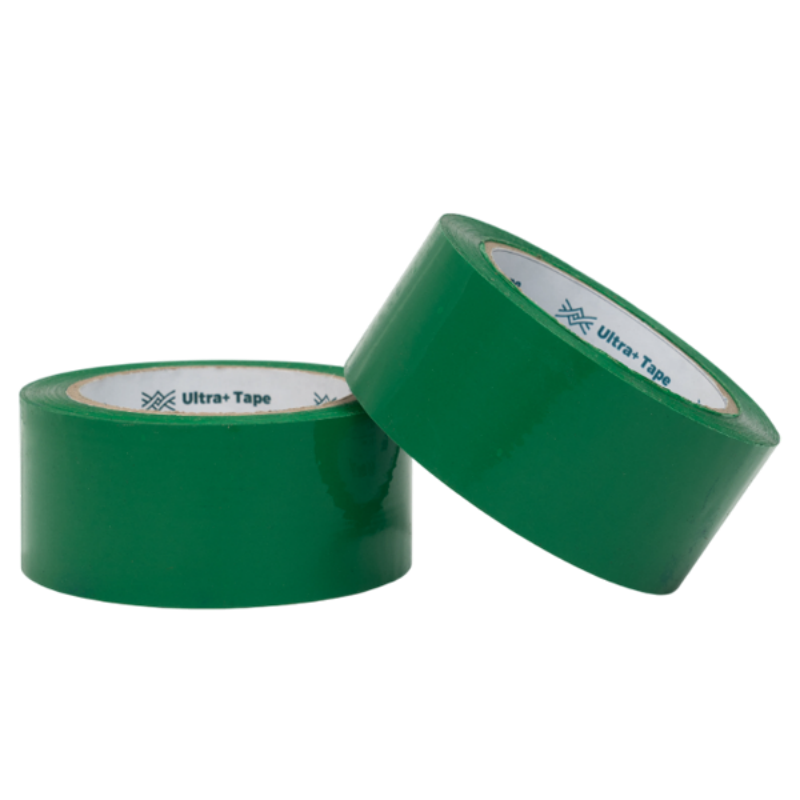
As European packaging regulations tighten ahead of 2026, manufacturers, brand owners, and packaging converters are under increasing pressure to demonstrate that every material in their supply chain meets credible sustainability standards. Among the less obvious but critically important components of a compliant packaging line is the adhesive tape used for sealing, bundling, and finishing. The emergence of iscc plus tape has given procurement and compliance teams a concrete, certification-backed answer to one of the most persistent questions in sustainable packaging: how do you verify the bio-based or recycled content claims embedded in a material as thin and functional as tape?
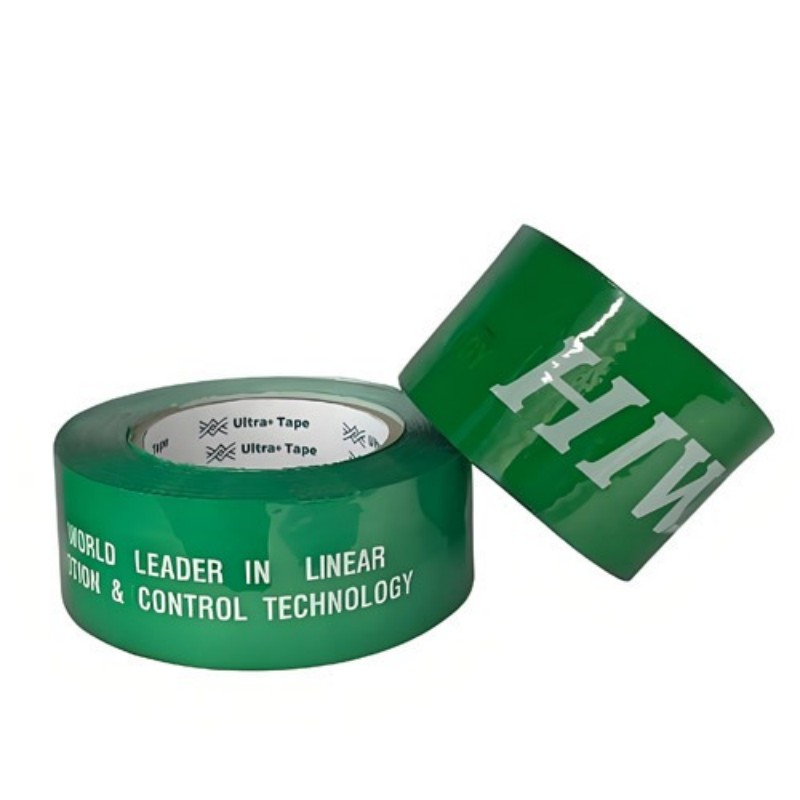
The International Sustainability and Carbon Certification PLUS scheme, widely known as ISCC PLUS, provides a mass balance and chain-of-custody framework that traces sustainable inputs from raw material origin all the way through to the finished product. When this certification is applied to tape manufacturing, it creates a verifiable documentation trail that directly supports the requirements being introduced under the EU Packaging and Packaging Waste Regulation, commonly referred to as the revised PPWR. This article explains how iscc plus tape functions as a compliance enabler, why its certification logic aligns with 2026 EU packaging rules, and what procurement decisions you should be making now to stay ahead of regulatory timelines.
Understanding the ISCC PLUS Framework and Its Role in Packaging
What ISCC PLUS Certification Actually Verifies
ISCC PLUS is a voluntary but globally recognized certification scheme that audits the sustainability claims attached to bio-based, recycled, or circular materials. Unlike simple declarations or self-assessments, ISCC PLUS requires independent third-party audits at each stage of the supply chain. The certification verifies that a product's claims about renewable or recycled content are traceable, quantifiable, and consistent with accepted mass balance accounting methods.
For iscc plus tape, this means the tape manufacturer has been audited to confirm that the bio-based or recycled feedstocks used in its backing, adhesive, or release liner components are properly accounted for. The mass balance approach allows certified and non-certified material streams to be mixed in production, as long as the certified volume is accurately tracked and allocated to certified output. This is critical for industrial tape production, where feedstocks often blend conventional and sustainable polymer sources at scale.
The scheme also covers greenhouse gas calculations and land use criteria where relevant, which means iscc plus tape carries an environmental credential that goes beyond a simple material label. Buyers can request a certificate of conformity that names the specific product scope, the certified material input ratio, and the audit validity period, giving them a legally defensible basis for their own compliance reporting.
Why Tape Is a Meaningful Certification Target
Many packaging stakeholders focus certification efforts on primary packaging materials such as films, trays, or cartons, and overlook the adhesive tape used throughout the packaging process. This oversight creates gaps in chain-of-custody documentation that EU regulators and brand auditors are increasingly scrutinizing. Tape is used in high volumes across production lines, fulfilment centres, and logistics networks, making its material origin a legitimate sustainability accounting variable.
Iscc plus tape addresses this gap by extending the certification boundary to include the tape as a finished product. When a packaging operation can present iscc plus tape documentation alongside its primary packaging material certifications, it closes a potential compliance blind spot. This matters particularly for brands selling into the EU market that must demonstrate product-level and packaging-level sustainability under incoming regulation, since regulators are expected to examine the full packaging system rather than individual components in isolation.
How EU Packaging Rules in 2026 Create Demand for Certified Tape
The Revised PPWR and Its Implications for Tape Usage
The revised EU Packaging and Packaging Waste Regulation introduces mandatory recycled content thresholds, recyclability requirements, and extended producer responsibility obligations that will apply progressively from 2030, with key preparatory compliance windows opening in 2025 and 2026. Brands and manufacturers selling packaged goods into EU member states must begin building compliant material documentation now to meet both early reporting milestones and supplier audit requirements.
Iscc plus tape contributes to this compliance picture in two ways. First, when tape contains bio-based or circular content that has been certified under ISCC PLUS, it can be counted as a more sustainable packaging component in a brand's overall material footprint declaration. Second, the chain-of-custody documentation associated with iscc plus tape supports the traceability requirements that the PPWR is expected to mandate for packaging materials placed on the EU market.
Beyond the PPWR, iscc plus tape also intersects with the EU Corporate Sustainability Reporting Directive, which requires larger companies to disclose supply chain sustainability metrics starting in 2025. Tape purchasing decisions made in 2024 and early 2025 will directly affect the data that companies must report under that directive, making certified tape a procurement priority rather than simply a marketing preference.
Mass Balance Allocation and Its Compliance Value
One of the most practically useful features of iscc plus tape for compliance purposes is the mass balance allocation system. Under mass balance, a tape manufacturer does not need to physically separate certified and conventional polymer streams throughout the entire production process. Instead, it tracks the certified input volume and allocates a corresponding certified output volume to specific product batches or customer orders.
This means that a packaging line operating at scale can source iscc plus tape without requiring the tape manufacturer to run an entirely segregated production facility, which would be commercially impractical. The customer still receives a certified product with documented sustainable content, and the mass balance certificate provides the audit trail that regulators and brand compliance teams can verify independently.
For EU compliance purposes, mass balance allocation is already accepted under several existing frameworks including the Renewable Energy Directive criteria for bio-based content. The PPWR is expected to reference similar principles, which means iscc plus tape purchased under a mass balance certificate today is likely to remain a valid compliance instrument as more specific regulatory guidance is issued through 2025 and 2026.
Practical Benefits of Sourcing ISCC PLUS Tape for EU Market Operations
Strengthening Supplier Qualification and Audit Readiness
One of the most immediate operational benefits of specifying iscc plus tape is the improvement it delivers to supplier qualification processes. When a tape supplier holds a valid ISCC PLUS certificate, the buyer does not need to conduct its own sustainability audit of that supplier's manufacturing process. The third-party audit conducted under the ISCC PLUS scheme substitutes for a significant portion of the due diligence work that would otherwise fall on the buyer's procurement or sustainability team.
This simplification matters for companies that manage large, complex supply chains across multiple EU jurisdictions. The ability to point to an externally validated certification for each major material input, including iscc plus tape, reduces the internal resource burden of sustainability compliance and provides a defensible response to customer or regulatory inquiries about packaging material origins.
Audit readiness is particularly valuable for packaging operations that supply automotive, electronics, food and beverage, or pharmaceutical clients in the EU, where customer-imposed sustainability requirements often exceed the baseline regulatory standard. Iscc plus tape with its associated certificate documentation can be included in customer-facing sustainability data packages, accelerating qualification processes and reducing the back-and-forth typically involved in material origin verification.
Supporting Scope 3 Emissions and Circular Economy Reporting
The sustainability credentials embedded in iscc plus tape extend beyond regulatory compliance into voluntary and mandatory emissions reporting. Under the GHG Protocol and the EU's developing carbon border adjustment and corporate sustainability due diligence frameworks, companies are increasingly expected to account for emissions embedded in purchased materials, including packaging consumables like tape.
When iscc plus tape is produced from bio-based or recycled feedstocks, it carries a lower embedded carbon intensity compared to equivalent tape made entirely from virgin fossil-based polymers. The ISCC PLUS certificate, which includes greenhouse gas data where applicable, allows the buyer to use verified emission factors rather than estimated averages when calculating Scope 3 Category 1 purchased goods emissions. This improves the accuracy and credibility of the buyer's overall carbon footprint disclosure.
As EU member state regulators begin implementing PPWR reporting guidance in 2025 and 2026, companies that have already built certified material documentation into their supply chain, including iscc plus tape sourcing, will be positioned to complete mandatory disclosures efficiently rather than scrambling to reconstruct material histories retrospectively.
Evaluating ISCC PLUS Tape for Your 2026 Compliance Strategy
Key Certification Attributes to Verify Before Purchase
Not all tape sold with sustainability claims carries genuine ISCC PLUS certification. Before specifying iscc plus tape for a compliance-critical application, buyers should verify several specific attributes directly from the supplier. The first is the scope of the certificate, which should explicitly name the tape product or product category and not merely the raw material input. A certificate issued to a polymer resin supplier does not automatically certify the finished tape product.
The second attribute to check is the mass balance accounting method documented in the certificate. ISCC PLUS permits several allocation approaches, and buyers should confirm which method applies to the specific iscc plus tape they are sourcing and whether that method is accepted under the EU frameworks relevant to their industry. The third attribute is certificate validity, since ISCC PLUS certificates are typically valid for one year and must be renewed through re-audit. Sourcing iscc plus tape from a supplier with an expired or lapsed certificate does not support a valid compliance claim.
Finally, buyers should request the certified content percentage associated with the iscc plus tape they are purchasing. Mass balance allocation means that certified content can range from a small fraction to the full product weight, and the allocated percentage will determine how much of the tape's material content can be counted toward a sustainability or recycled content target in the buyer's own reporting.
Integrating ISCC PLUS Tape Into Broader Packaging Compliance Programs
Iscc plus tape is most effective as a compliance instrument when it is integrated into a broader packaging sustainability program rather than treated as a standalone purchase decision. This means aligning the tape specification with the same certification frameworks used for primary packaging materials, so that the full packaging system carries internally consistent documentation that can be reported under a single compliance narrative.
Procurement teams should also consider the volume implications of switching to iscc plus tape. Because mass balance certificates are issued in relation to specific certified input volumes, a supplier can only issue certified product documentation up to the limit of its certified allocation. Buyers with high-volume tape requirements should confirm that their supplier's certified allocation is sufficient to cover their annual demand before committing to iscc plus tape as a compliance pillar in their 2026 strategy.
Working with a tape manufacturer that holds full ISCC PLUS certification across its product range also simplifies the transition to more comprehensive sustainable packaging claims over time. As EU regulation evolves and thresholds for recycled or bio-based content increase beyond 2026, having an established supplier relationship built on iscc plus tape sourcing provides a flexible foundation for meeting higher future standards without requalifying a new supply chain from scratch.
FAQ
What does ISCC PLUS certification mean for a tape product specifically?
When a tape product carries ISCC PLUS certification, it means the manufacturer has undergone an independent third-party audit confirming that bio-based or recycled feedstocks used in the tape's production are accurately tracked and allocated under an approved mass balance methodology. The certificate provides a documented, verifiable basis for sustainability claims attached to the tape, which buyers can use in their own regulatory or customer compliance reporting.
Is iscc plus tape required under EU packaging law in 2026?
Iscc plus tape is not explicitly mandated by name under the revised PPWR or other EU packaging directives. However, the regulation's requirements for recycled content documentation, traceability, and chain-of-custody evidence make ISCC PLUS certification one of the most practical and widely accepted ways to satisfy those requirements for tape materials. Companies aiming for full packaging system compliance will find that iscc plus tape significantly simplifies their documentation burden.
Can iscc plus tape be used to support recycled content claims in packaging declarations?
Yes, provided the ISCC PLUS certificate for the tape specifies a recycled feedstock input and allocates a corresponding certified recycled content percentage to the finished tape product. The allocated recycled content in iscc plus tape can be included in a brand's overall packaging material declaration where the applicable regulatory framework accepts mass balance accounting, which the EU's developing guidance is expected to do for packaging materials.
How do I verify that a supplier's iscc plus tape certificate is valid and current?
ISCC PLUS certificates are publicly registered in the ISCC system's online certificate database, which allows buyers to search by company name or certificate number and confirm validity dates, certified product scope, and the approved mass balance method. Buyers should perform this verification independently rather than relying solely on a supplier-provided copy, and should schedule annual re-verification to ensure the certificate has been renewed without interruption before placing compliance-critical orders.
Table of Contents
- Understanding the ISCC PLUS Framework and Its Role in Packaging
- How EU Packaging Rules in 2026 Create Demand for Certified Tape
- Practical Benefits of Sourcing ISCC PLUS Tape for EU Market Operations
- Evaluating ISCC PLUS Tape for Your 2026 Compliance Strategy
-
FAQ
- What does ISCC PLUS certification mean for a tape product specifically?
- Is iscc plus tape required under EU packaging law in 2026?
- Can iscc plus tape be used to support recycled content claims in packaging declarations?
- How do I verify that a supplier's iscc plus tape certificate is valid and current?